Cultural Sites in Uganda
Discover and learn and experience Uganda’s Customs, traditions, norms and beliefs by visiting popular cultural sites in Uganda with Superfine Safaris Limited. The diverse cultures and rich history stretching back through centuries of kingdoms, migrations, and religious transformations make Uganda a best place for cultural tourism. Cultural sites can be visited alongside other tourism destinations such as national parks for wildlife viewing rewarding you with a complete Uganda safari tour. Its cultural sites offer a fascinating journey into the nation’s true identity, from the ancient earthworks of forgotten empires to the modern-day memorials of religious martyrdom.
Top Cultural Sites in Uganda
- The Kasubi Tombs
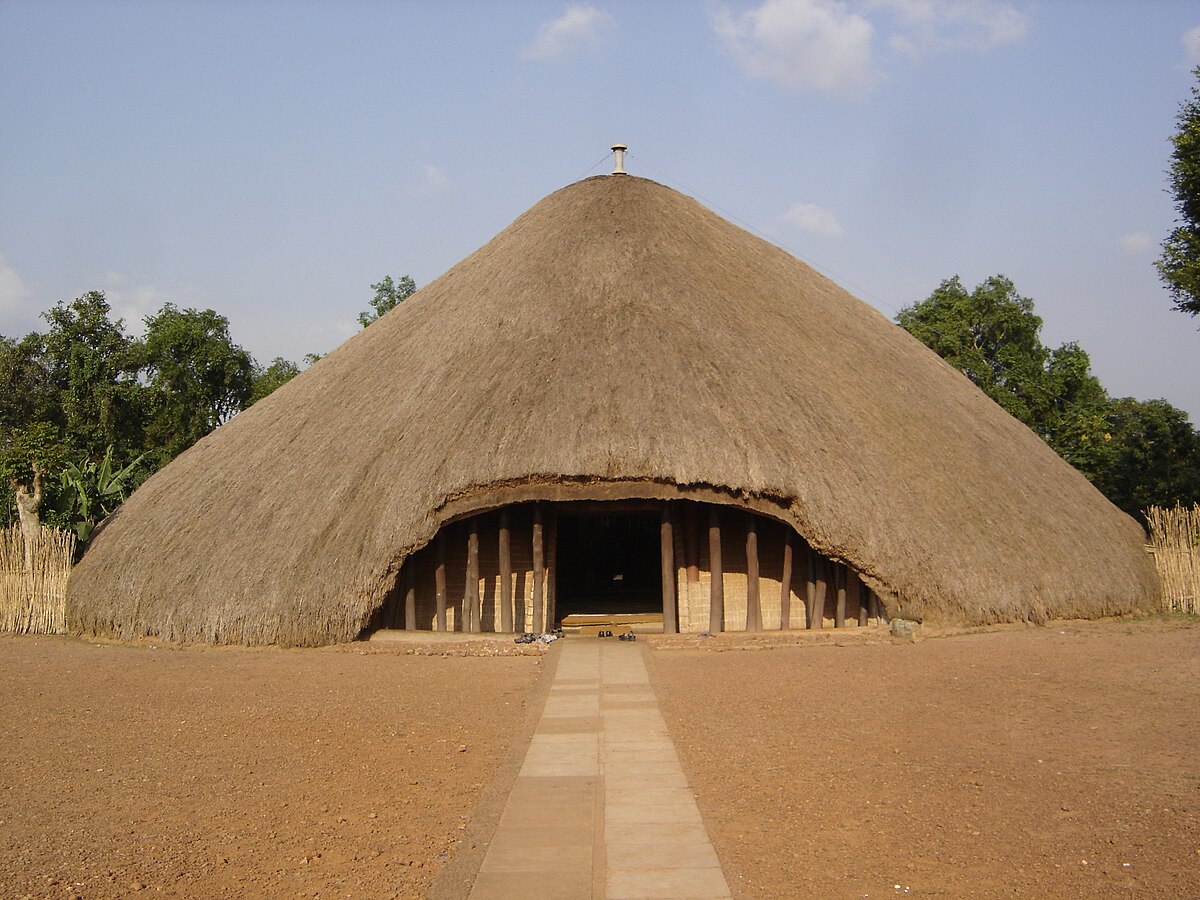
Located in Kasubi , the subarb of Kampala city, the Kasubi Tombs are one of Uganda’s most significant cultural landmarks in the central region. A UNESCO World Heritage Site, this site is the burial ground for Buganda Kings and currently the past four kings have been buried there (Kabakas). The main tomb building, the Muzibu Azaala Mpanga, is a masterpiece of traditional Ganda style.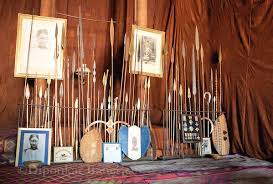
It is a large, circular, domed structure built entirely with natural and organic materials such as wood, grass, and reeds. The dome is supported by 52 rings of palm fronds, symbolizing the 52 clans of the Buganda Kingdom. The site is not just a royal grave but also a spiritual and political center where traditional rituals and ceremonies are performed. Though the main tomb building was tragically destroyed by a fire many years back in 2010, efforts to restore it to its original form are ongoing, with a focus on using traditional methods and materials.
- The Uganda Martyrs’ Shrine, Namugongo
Located a few kilometers from the city center Kampala, the Uganda Martyrs’ Shrine in Namugongo is one of Africa’s most visited religious pilgrimage sites. It commemorates the execution of 22 Catholic, and 23 Anglican converts who were burned to death on orders of the then King of Buganda Mwanga II between 1885 and 1887. The brave converts refused to renounce their Christian faith, even in the face of death.
The shrine compound consists of two main sites: The Anglican shrine and the impressive Catholic Basilica. The Catholic Basilica, with its distinctive circular design, is built on the spot where St. Charles Lwanga was martyred. Every year on June 3rd, thousands of pilgrims from across Africa and the world gather here to honor the martyrs and celebrate their enduring courage for their faith.
- Bigo bya Mugenyi
Located in the Mubende District of western Uganda, Bigo bya Mugenyi is a massive archeological site that provides a rare glimpse into the ancient Bachwezi Empire. The name translates to “Fort of a Stranger,” and the site is characterized by an extensive link of trenches and earthworks that stretch for miles.
Historians and archaeologists believe these earthworks were built for defense, possibly around the 13th to 15th centuries. The Bachwezi are a semi-legendary dynasty believed to have ruled a huge empire in the Great Lakes region before their mysterious disappearance. Bigo bya Mugenyi is considered one of their most major remains. The site is a place of deep cultural and spiritual significance for the locals, who believe the Bachwezi were demigods and still visit the area to offer prayers and seek blessings.
- The Royal Tombs of Tooro: Karambi Tombs
In the town of Fort Portal, the cultural heart of the Tooro Kingdom, lie the Karambi Tombs. This site is the burial ground for several Tooro kings, including King Rukidi III, King Kyebambe Kamurasi, and King Olumi Kaboyo II. The tombs are a testament to the kingdom’s rich history and traditional regalia. Each king’s tomb is a separate, simple structure, but their contents reflect their royal status, containing their personal belongings, musical instruments, and spears. The site offers guests a chance to learn about the past history of the Tooro monarchy and the customs of the Batooro people.
- Nyero Rock Paintings
In eastern Uganda, near the town of Kumi, are the Nyero Rock Paintings. This site is one of Uganda’s most important prehistoric landmarks, featuring a series of magnificent red and white geometric paintings on the walls of rock shelters. Dating back to before 1250 CE, the paintings are believed to have been created by the Twa (Batwa) hunter-gatherers who inhabited the area before the arrival of the current inhabitants, the Iteso. The intricate patterns, which include concentric circles and linear shapes, are of great historical and cultural significance and are listed on the UNESCO World Heritage Tentative List.
- Igongo Cultural Centre
Situated along the Mbarara-Masaka highway, the Igongo Cultural Centre is a modern and comprehensive showcase of the cultural heritage of western Uganda, particularly the Banyankole and Bakiga people. The center features a well-curated museum, a replica of a traditional Ankole homestead, and a monument commemorating the Biharwe Eclipse, a historical event that played a key role in dating the region’s royal genealogies. The center offers a full-sensory experience, with cultural dances, traditional food, and a chance to interact with local people, making it a perfect stopover for travelers exploring Uganda’s western circuit.
Uganda’s cultural sites are a mosaic of its past and present, offering a rich and diverse narrative. From the grandeur of its kingdoms to the solemnity of its religious sites, these places tell the story of a nation and its people with a remarkable blend of history, spirituality, and tradition.