
Birding Safaris in East Africa
Discover 1,000+ bird species across Uganda, Rwanda, Kenya & Tanzania with expert birding guides
Uganda Birds
1,066 Species
Endemic Species
Rare & Unusual Birds
Expert Guides
Certified Birding Specialists
Custom Routes
4 Countries Available
Embark on extraordinary birding safaris in East Africa with Superfine Safaris Limited. Uganda alone boasts over 1,066 confirmed bird species — including the iconic Shoebill stork, African Green Broadbill, and Green-breasted Pitta — making it one of Africa’s premier birding destinations.
Our expert birding guides lead you through diverse ecosystems — from the montane forests of Bwindi and Rwenzori to the papyrus swamps of Lake Victoria. Whether you’re targeting life-list birds or enjoying an introduction to African birdlife, our Uganda, Rwanda, Kenya, and Tanzania birding packages deliver exceptional encounters.
Birding Safari Packages
Expert-led birding adventures from 5-day shoebill searches to 25-day multi-country expeditions — 12 packages available

10 Days Uganda Birding Safari
Discover Uganda birds on this 10-day Uganda birding safari to Mabamba Swamp, Lake Mburo, Bwindi Forest, Queen Elizabeth, Semliki Valley, and Kibale Forest — targeting 500+ species with experts.
Explore the Itinerary → Book This Trip →
18 Days Uganda Forest Birding Safari
Be part of this 18-day Uganda forest birding journey to discover notable birds in different parts of Uganda — covering Albertine Rift endemics, Congo Basin species, and savanna specialists.
Explore the Itinerary → Book This Trip →
10 Days Tanzania Birding Safari
Enjoy this 10-day Tanzania birding and wildlife safari to Lake Manyara, Ngorongoro, and Serengeti — targeting over 500 species including Rufous-tailed Weaver, Usambara Thrush, and many more.
Explore the Itinerary → Book This Trip →
25 Days Uganda & Rwanda Birding Safari
Combined 25-day Uganda and Rwanda birding safari for the best of East African birdlife — Albertine Rift endemics in Bwindi and Nyungwe, shoebill stork, and rare papyrus swamp specialists.
Explore the Itinerary → Book This Trip →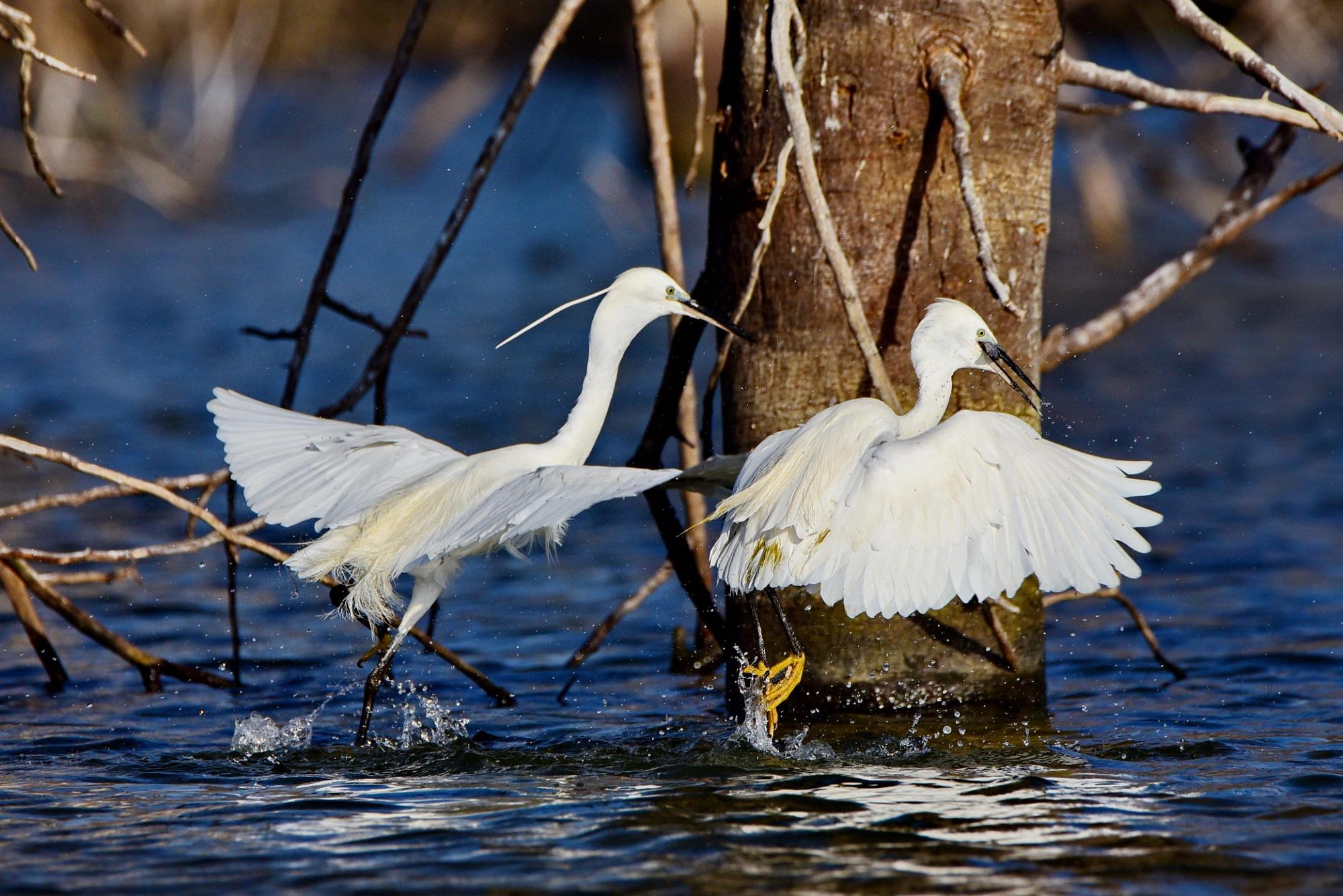
12 Days Uganda Birding Safari
This 12-day Uganda birding safari offers the best of Uganda's birdlife across Mabamba Swamp, Kibale Forest, Semliki Valley, and Queen Elizabeth — over 600 species with expert specialist guides.
Explore the Itinerary → Book This Trip →
20 Days Exclusive Uganda Birding Journey
This 20-day exclusive Uganda birding journey covers every major birding habitat — montane forest, tropical lowland, savanna, wetlands, and papyrus swamps — for an unmatched species total.
Explore the Itinerary → Book This Trip →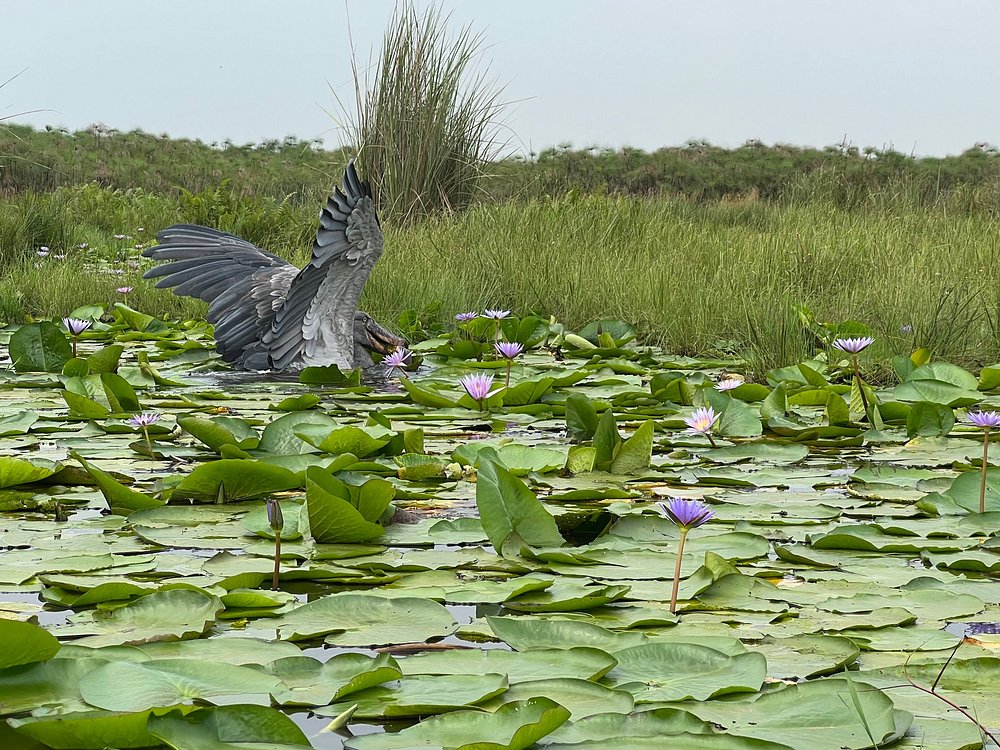
5 Days Uganda Shoebill & Wetlands Birding
Search for the prehistoric Shoebill stork in the papyrus swamps of Mabamba on this focused 5-day Uganda wetlands birding safari — one of Africa's most sought-after birding encounters.
Explore the Itinerary → Book This Trip →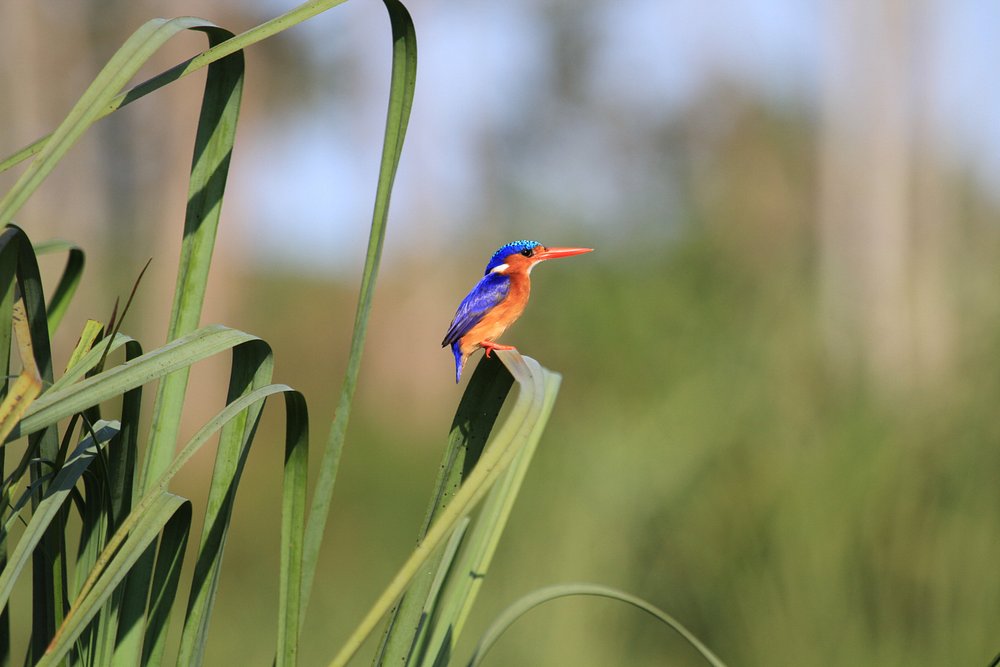
14 Days Rwanda & Uganda Combined Birding
Discover the diverse avifauna of two nations on this 14-day combined Uganda and Rwanda birding safari — targeting Albertine Rift endemics in Bwindi and Nyungwe alongside forest and savanna species.
Explore the Itinerary → Book This Trip →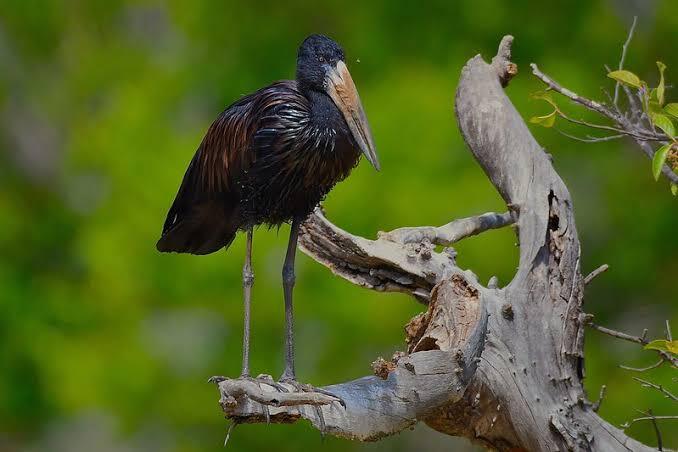
7 Days Kenya Birding Safari
Kenya's rich bird diversity — over 1,100 species — awaits on this focused 7-day Kenya birding safari. Visit Lake Nakuru, Lake Naivasha, Masai Mara, and the Kakamega Forest for exceptional avian encounters.
Explore the Itinerary → Book This Trip →
15 Days Uganda Forest & Savanna Birding
Explore Uganda's diverse birding habitats on this 15-day safari spanning Bwindi Forest, Kibale, Semliki Valley, Queen Elizabeth's Kazinga Channel, and Murchison Falls for an incredible species total.
Explore the Itinerary → Book This Trip →
21 Days Tanzania Birding Safari
Tanzania's extraordinary bird life — over 1,100 species — is the focus of this 21-day expert birding safari covering Tarangire, Serengeti, Ngorongoro, Kilimanjaro Forest, and the Southern Highlands.
Explore the Itinerary → Book This Trip →
8 Days Uganda & Rwanda Primate Birding
Combine primate encounters with exceptional forest birding on this 8-day Uganda and Rwanda primate and birding safari — targeting Albertine Rift endemics alongside gorilla and chimpanzee trekking.
Explore the Itinerary → Book This Trip →2027 Birding Safaris in East Africa — The Complete Planning Guide
East Africa is one of the world’s great birding destinations ,a region where a single morning walk through montane forest can produce more new species than a week in most temperate countries. Uganda, Rwanda, Tanzania and Kenya together hold over 2,000 bird species, including a disproportionate share of the continent’s endemic and range-restricted species, concentrated in the Albertine Rift — the ancient valley system running from the Rwenzori Mountains south through Bwindi, Nyungwe and the Virunga volcanoes. Whether you are a dedicated lister targeting Albertine Rift endemics or a general wildlife traveller who wants to add serious birding to an existing safari, a 2027 East Africa birding safari offers unmatched depth and variety.
This guide covers the key birding destinations across all four countries, target species, the best times to visit in 2027, available itineraries and practical planning information. For specific park coverage, our dedicated guides on birding in Murchison Falls National Park, birding in Queen Elizabeth National Park and birding safaris in Tanzania go into greater detail.
Why East Africa for Birding in 2027
Several factors place East Africa at the top of the global birding calendar year after year.
The Albertine Rift endemics are the primary draw for serious listers. The Albertine Rift — stretching from Lake Albert in northern Uganda south through Lake Tanganyika — supports 54 endemic bird species found nowhere else on earth. Species such as the African Green Broadbill, Shelley’s Crimsonwing, Grauer’s Warbler, Rockefeller’s Sunbird and the Rwenzori Turaco are found only in this narrow corridor of forest and high-altitude grassland. Uganda and Rwanda together provide access to the majority of these species in accessible, well-managed national parks.
Species density is extraordinary by global standards. Bwindi Impenetrable Forest alone holds over 360 species. Queen Elizabeth National Park has recorded 606 species — among the highest park totals in Africa. Nyungwe Forest in Rwanda has over 310 species including 29 Albertine Rift endemics. A 10-day Uganda itinerary regularly produces 400 to 500 species for an active birder.
Infrastructure and access have improved significantly since 2020. All major birding parks in Uganda and Rwanda are reachable on good tarmac or graded roads. Resident bird guides at key sites are knowledgeable and improving year on year. Specialist birding lodges such as Buhoma Community Rest Camp, Ruhija Gorilla Friends Guesthouse and Mahogany Springs are positioned at the best sites within the parks.
Combining birding with other wildlife is uniquely easy in East Africa. Almost every major birding site also offers gorilla trekking, chimpanzee trekking, big game viewing or boat safaris, meaning non-birding travel partners are well catered for throughout. See our dedicated pages on Uganda gorilla trekking and birding and Rwanda gorilla trekking and birding for combined itinerary options.
Uganda — East Africa’s Birding Capital
Uganda is considered by many ornithologists to be the single best birding destination in Africa. It holds over 1,080 recorded species — more than the entire continent of Europe — in a country roughly the size of the United Kingdom. The variety of habitats packed into a small area is extraordinary: montane forest, tropical rainforest, papyrus swamp, savannah, Rift Valley lakes, high-altitude moorland and miombo woodland all within a few hours’ drive of Kampala.
Bwindi Impenetrable Forest
Bwindi is best known for mountain gorilla trekking, but it is also one of Uganda’s premier birding sites. The forest holds 23 Albertine Rift endemic species, more than any other single site in the country. Target species include the African Green Broadbill — arguably the most sought-after Albertine Rift endemic — along with the Shelley’s Crimsonwing, Grauer’s Rush Warbler, Chapin’s Flycatcher and the stunning Rwenzori Turaco. The four sectors of Bwindi (Buhoma, Ruhija, Rushaga and Nkuringo) cover different elevations and offer different species assemblages, making a circuit of multiple sectors worthwhile for serious birders.
Kibale Forest National Park and Bigodi Wetland
Kibale, in western Uganda, is home to the world’s highest density of primates and some of Uganda’s best forest birding. The adjacent Bigodi Wetland Sanctuary — a community-managed swamp forest — is one of the most productive birding sites in the country, regularly producing the Papyrus Gonolek, Great Blue Turaco, Yellow-billed Barbet and African Pitta on a single morning walk. The combination of chimp trekking in Kibale and birding at Bigodi makes this a near-essential stop on any Uganda birding itinerary. For details on wildlife and trekking, see our Kibale Forest chimpanzee trekking guide.
Queen Elizabeth National Park
With 606 recorded species, Queen Elizabeth National Park offers the broadest birding of any park in Uganda — and arguably in Africa. The park’s habitats range from savannah and woodland to crater lakes, papyrus swamps and the forested Maramagambo corridor. The Kazinga Channel boat cruise is one of the best waterbird experiences in East Africa, producing African Skimmer, Goliath Heron, African Fish Eagle, Malachite Kingfisher and dozens of wader species from a single two-hour trip. The Maramagambo Forest adds Nahan’s Francolin and Blue-headed Bee-eater to the list. Read our full guide to birding in Queen Elizabeth National Park for a complete species checklist and site map.
Murchison Falls National Park
Murchison Falls, in north-western Uganda, has recorded 451 bird species and is home to one of the most wanted waterbirds in East Africa: the Shoebill stork. This prehistoric-looking, whale-headed bird stands over a metre tall and is found in the dense papyrus swamps of the Victoria Nile delta. Murchison is one of the most reliable sites in the world for Shoebill sightings, best reached on a dedicated boat trip through the delta marshes. Our complete birding guide to Murchison Falls covers all 451 recorded species with seasonal notes. For Shoebill-focused trips, our Shoebill stork safari guide provides detailed site information and logistics.
Mabamba Wetland — Shoebill Day Trip from Kampala
Mabamba Swamp, on the northern shore of Lake Victoria just 45 minutes from Kampala, is the most accessible Shoebill site in Uganda and one of the most reliable on the continent. Local fishermen guide canoe trips through the papyrus at dawn when Shoebills are most active. The swamp also produces Sitatunga antelope and a strong papyrus-specialist bird list including White-winged Warbler, Papyrus Yellow Warbler and Swamp Flycatcher. Our 1 Day Mabamba Wetland birding tour can be added to the start or end of any Uganda itinerary.
Mabira Forest
Mabira, east of Kampala along the Jinja highway, is a medium-altitude rainforest remnant holding several sought-after species including the Nahan’s Francolin, Afep Pigeon and a strong assemblage of forest warblers and sunbirds. It is a practical half-day birding stop when transferring between Kampala and eastern Uganda destinations. Our Mabira Forest guide covers the birding trails and resident species in detail.
Rare Birds to Target in Uganda
Uganda holds a remarkable number of genuinely rare species that draw birders from across the world. Our dedicated guide to 10 rare birds to see in Uganda covers the top target species with site information. Key highlights include the African Green Broadbill (Bwindi, Ruhija sector), Shelley’s Crimsonwing (Bwindi highlands), Grauer’s Warbler (Bwindi and Rwenzori), Standard-winged Nightjar (northern savannahs, May to August), African Finfoot (forested streams, Queen Elizabeth), Pel’s Fishing Owl (riverine forest, Murchison), Chapin’s Flycatcher (Bwindi, Mafuga Forest) and the near-mythical Fox’s Weaver (Lake Kyoga basin, eastern Uganda).
For general planning, our tips for birding safaris in Uganda covers what to pack, how to work with local guides, the best optics for forest birding and how to structure your days for maximum species counts.
Rwanda — Nyungwe and the Albertine Rift
Rwanda is a compact but extraordinarily rich birding destination, centred on Nyungwe Forest National Park in the south-west. Nyungwe holds over 310 bird species, of which 29 are Albertine Rift endemics — the highest concentration of endemics in a single park in the entire rift valley. Target species include the Red-collared Babbler, Kungwe Apalis, Grauer’s Rush Warbler, Albertine Owlet, Rwenzori Batis and a remarkable variety of sunbirds found nowhere outside the rift. The park’s famous canopy walkway provides a platform for canopy species that are otherwise only glimpsed through binoculars from the ground. Our complete Nyungwe Forest guide covers all bird trails, species and logistics.
Akagera National Park in eastern Rwanda adds a completely different dimension: savannah, woodland and papyrus swamp around a chain of lakes hold over 500 species, including the Shoebill (papyrus swamps near Lake Ihema), the Papyrus Gonolek and exceptional concentrations of waterbirds and raptors. Combining a Nyungwe forest birding week with 3 days at Akagera gives Rwanda birders a route that mirrors Uganda’s forest-savannah contrast in a single compact country. See our 5 Days Rwanda Birding Safari and 8 Days Rwanda Birding Safari for itinerary options.
Tanzania — Serengeti, Rift Valley and the Udzungwas
Tanzania’s birding credentials are anchored by the Serengeti’s vast open-country avifauna, the rift valley soda lakes’ flamingo concentrations and the Eastern Arc mountain forests — a chain of ancient highlands holding over 30 endemic species found nowhere else on earth. Birding in Tanzania is most often combined with a wildlife safari, and the Tanzania birding safaris guide covers the full landscape. Key highlights include the Usambara Mountains (Usambara Eagle-Owl, Banded Green Sunbird, Usambara Thrush), the Udzungwa Mountains (Udzungwa Forest Partridge, Iringa Akalat), Lake Manyara (flamingos, pelicans, storks), Tarangire (secretary bird, Kori Bustard, broad-billed roller) and the Serengeti (raptors, coursers, larks and a year-round concentration of vultures).
Our 10 Days Tanzania Birding and Wildlife Safari is designed to cover both the northern circuit parks and the Arusha region, combining game drives with dedicated birding walks.
Kenya — Rift Lakes, Western Forests and the Masai Mara
Kenya has recorded over 1,100 bird species and offers a birding landscape that ranges from Afromontane forest and Rift Valley soda lakes to dry Acacia-Commiphora savannah and Indian Ocean coastal forest. The major highlights for international birders are Lake Nakuru and Lake Bogoria (hundreds of thousands of Lesser Flamingos), Kakamega Forest (30+ western endemic species shared with the Congo basin, including the Turner’s Eremomela, Blue-headed Bee-eater and Great Blue Turaco), Arabuko-Sokoke coastal forest (Clarke’s Weaver, Amani Sunbird, Sokoke Scops Owl — three critically endangered or near-threatened species in one compact forest) and the Masai Mara (exceptional open-country raptors, northern migrants in October–November and a resident assemblage of over 450 species). Our 8 Days Kenya Birding and Wildlife Safari combines the Masai Mara with Rift Valley lakes for a comprehensive Kenya introduction.
Key Target Species for 2027
Here are the species most frequently requested by visiting birders, with their best sites:
- Shoebill Stork — Mabamba Wetland (Uganda), Victoria Nile delta (Murchison Falls), Lake Ihema papyrus (Akagera, Rwanda). One of Africa’s most iconic and sought-after species.
- African Green Broadbill — Ruhija sector, Bwindi Impenetrable Forest. The most desired Albertine Rift endemic. Only a handful of sites globally.
- Shelley’s Crimsonwing — High-altitude bamboo zone, Bwindi and Rwenzori. Small, secretive and spectacular.
- Grauer’s Rush Warbler — Papyrus swamps at Bwindi’s lower elevations and Nyungwe Forest, Rwanda. One of the rarest warblers in Africa.
- Standard-winged Nightjar — Murchison Falls and other northern Uganda savannahs, May to August. The breeding males carry extraordinary elongated wing-feather standards used in courtship display.
- African Finfoot — Forested streams and rivers, Queen Elizabeth NP. Shy, secretive and rarely seen by non-specialist birders.
- Rwenzori Turaco — Bwindi, Rwenzori Mountains, Nyungwe. A large, brilliantly coloured turaco and one of the showpieces of Albertine Rift birding.
- Papyrus Gonolek — Bigodi Wetland, Murchison delta, Akagera papyrus. A striking red-and-black papyrus specialist with a loud, far-carrying call.
- African Pitta — Kibale Forest and other moist forest understorey, November to April during intra-African migration. The most sought-after pitta in Africa.
- Fox’s Weaver — Eastern Uganda, Lake Kyoga basin. Uganda’s only endemic bird species and one of the rarest weavers on the continent.
Best Time for Birding in East Africa — 2027 Calendar
East Africa’s bird diversity is relatively stable year-round due to the equatorial climate, but timing does matter for specific species and conditions:
- November to April — The best overall period for birding. Palearctic migrants from Europe and Asia join the resident species (adding 100+ migrant species in Uganda alone). Forest birds are more vocal as breeding season begins. African Pitta is present in forest understorey. Flamingos peak at Rift Valley lakes. Many tour operators consider October to January the peak birding window.
- May to July — Long rains (April–May) pass and forest trails dry out. Standard-winged Nightjar breeding display peaks May–June in northern Uganda. Breeding weavers display at nesting colonies. Fewer tourists in forests means better birding conditions with less disturbance.
- June to September — Dry season, comfortable conditions for forest birding and savannah game viewing combined. Migration of raptors and waders begins in August–September. Northern Serengeti river crossings peak — excellent raptors.
- October — Palearctic migrants begin arriving. Excellent for open-country species on plains and savannah. Roller migration peaks. One of the best months for a combined birding-wildlife safari.
East Africa Birding Safari Itineraries for 2027
Whether you have one day or 25, we have a birding itinerary built for your available time:
- 1 Day Mabamba Wetland Birding Tour — dedicated Shoebill canoe trip from Kampala, ideal as a standalone day or pre-/post-safari addition.
- 10 Days Uganda Birding Journey — a well-paced introduction to Uganda birding covering Mabamba, Kibale/Bigodi, Bwindi and Queen Elizabeth. Typical species count: 350–420.
- 12 Days Uganda Birding Safari — adds Murchison Falls and Shoebill delta to the 10-day route. Typical count: 400–480 species.
- 15 Days Uganda Birding Safari — comprehensive coverage including Lake Mburo, Lake Victoria shoreline and Entebbe Botanical Gardens (excellent for Great Blue Turaco and Grey Parrot). Best suited to serious listers.
- 18 Days Uganda Forest Birding Safari — in-depth forest coverage including Bwindi (all sectors), Kibale, Budongo and Mabira. Targets the full Albertine Rift endemic list.
- 20 Days Exclusive Uganda Birding Safari — the premium Uganda birding experience with private guide, flexible daily planning and access to off-track sites. Expected count: 500+ species.
- 14 Days Uganda & Rwanda Birding Safari — combines Uganda’s Albertine Rift sites with Nyungwe Forest’s 29 endemics for maximum rift coverage in two countries.
- 25 Days Uganda and Rwanda Birding Safari — the definitive Albertine Rift birding expedition. Covers Bwindi (all sectors), Rwenzori Mountains, Queen Elizabeth, Murchison Falls, Nyungwe and Akagera. Designed for serious listers targeting the full Albertine Rift endemic checklist.
- 5 Days Rwanda Birding Safari — Nyungwe Forest focus with all major birding trails and the canopy walkway. Best combined with gorilla trekking in Volcanoes NP.
- 8 Days Kenya Birding and Wildlife Safari — Masai Mara wildlife with Rift Valley lake birding and optional Kakamega Forest extension.
Equipment and Practical Tips for East Africa Birding
Binoculars: 8×42 or 10×42 are the standard recommendation for forest birding. 10×42 suits more open environments. Waterproof models are essential — equatorial forest creates persistent mist and light rain even in the dry season.
Telescope/tripod: Essential for waterbird and open-country birding (Kazinga Channel, Murchison delta, savannah). Less useful in dense forest. A lightweight carbon-fibre tripod is preferred for long days on foot.
Field guide: Birds of East Africa by Terry Stevenson and John Fanshawe is the standard field guide for the region. Birds of Uganda by Jonathan Rossouw and Ber van Perlo is a useful Uganda supplement. eBird and Merlin Bird ID apps are invaluable for on-the-fly identification and checklists.
Local guides: A specialist local birding guide is essential for any serious birding safari. Park ranger-guides know their sites well but specialist guides trained in optics use and species identification produce significantly better results. All Superfine Safaris birding itineraries are led by trained specialist guides with current species lists and site knowledge.
Early starts: Forest birds are most active in the first two hours after sunrise. Plan game drives or transfers for the middle of the day and use dawn and dusk for dedicated birding walks. Most specialist birding lodges serve breakfast from 05:30 to allow 06:00 departures.
For a comprehensive checklist of what to bring, how to work with guides and how to structure your birding days, see our tips for birding safaris in Uganda.
Planning Your 2027 East Africa Birding Safari
A successful East Africa birding safari requires careful route planning to match habitats, seasons and target species. Uganda’s forest and wetland sites are best from October to April; savannah birding peaks in the dry season (June–September). Rwanda’s Nyungwe is excellent year-round. Tanzania and Kenya fit best into a combined wildlife-birding trip from June to October or January to March.
Most birders combine two or three countries in a single trip, routing through Entebbe or Nairobi as the international gateway. Domestic flights within Uganda connect Entebbe, Kidepo Valley NP (Kaabong airstrip) and Murchison Falls (Pakuba/Chobe airstrips), saving significant overland time on longer itineraries.
Our specialist team handles all permit applications, lodge bookings, specialist guide allocation and in-country logistics. Contact us to start planning your 2027 East Africa birding safari — tell us your target species, available dates and budget, and we will build a route to match.
Plan Your 2027 Birding Safari
Uganda, Rwanda, Tanzania and Kenya — we build your birding route around your target species, dates and experience level.
- ✓Shoebill, Albertine endemics & more
- ✓Specialist local birding guides
- ✓Bwindi, Kibale, Nyungwe & Murchison
- ✓Combined birding & gorilla trekking
- ✓Free, no-obligation 2027 itinerary