
Tanzania Safaris and Holiday Packages
Witness the Great Wildebeest Migration, big five and zanzibar sundy beaches. Explore Serengeti & scale Mt Kilimanjaro
Great Migration
1.5M Wildebeest
Mt Kilimanjaro
5,895 m Summit
Serengeti NP
Africa's Best Game Park
Expert Guides
Fully Customized
Explore unforgettable Tanzania safaris with Superfine Safaris Limited and discover some of Africa’s most remarkable wildlife destinations. From the endless plains of the Serengeti National Park and the spectacular Ngorongoro Crater to the elephant-rich landscapes of Tarangire National Park, our Tanzania safari packages are designed to bring you closer to the country’s incredible wildlife, beautiful scenery and authentic African experiences.
Whether you are looking for a budget-friendly wildlife adventure, a comfortable midrange safari or a luxury safari with exceptional accommodation, we offer tailored Tanzania safaris to suit different travel styles, budgets and interests. Choose from classic game drives, the Great Wildebeest Migration, family safaris, private guided tours and combined Tanzania and Kenya safari holidays. With Superfine Safaris Limited, you can plan your ideal Tanzania safari with experienced local guidance, personalized itineraries and support from the initial enquiry to the end of your journey.
Each year, over 1.5 million wildebeest, zebras, and gazelles thunder across the Serengeti in the Great Migration. Our Tanzania packages also include Tarangire, Lake Manyara, Selous Game Reserve, and the pristine beaches of Zanzibar Island.
Tanzania Safaris & Holiday Packages
Explore customized Tanzania Safaris and Holiday packages including wildebeest migration, Kilimanjaro hikes and other lifetime Tanzania experiences — 12 packages available
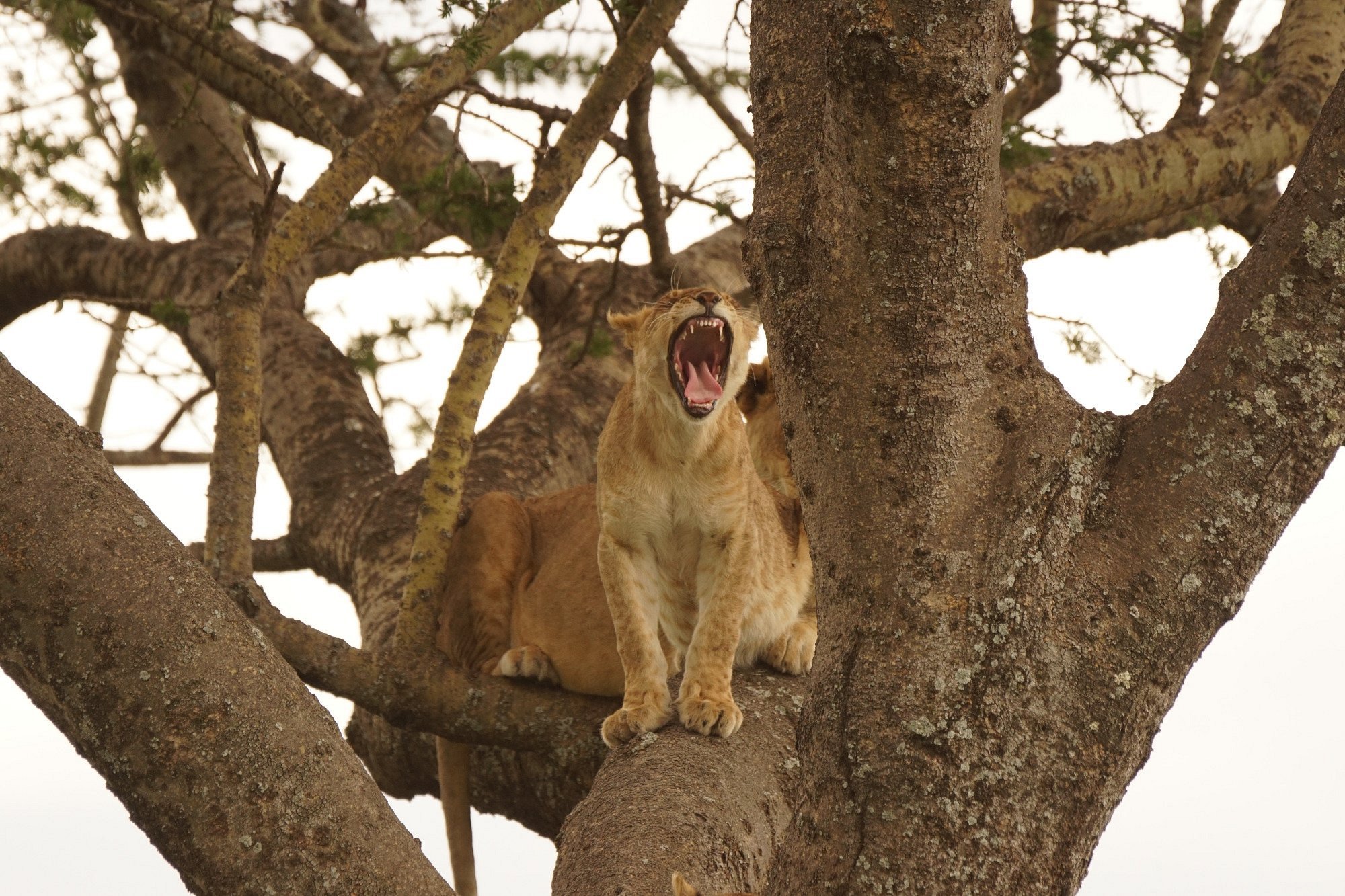
5 Days Tanzania Big Five Safari
Customized 5-day Tanzania Big Five safari to Lake Manyara, Ngorongoro Crater, and Serengeti National Park — guaranteed lion, leopard, elephant, buffalo, and rhino sightings.
Explore the Itinerary → Book This Trip →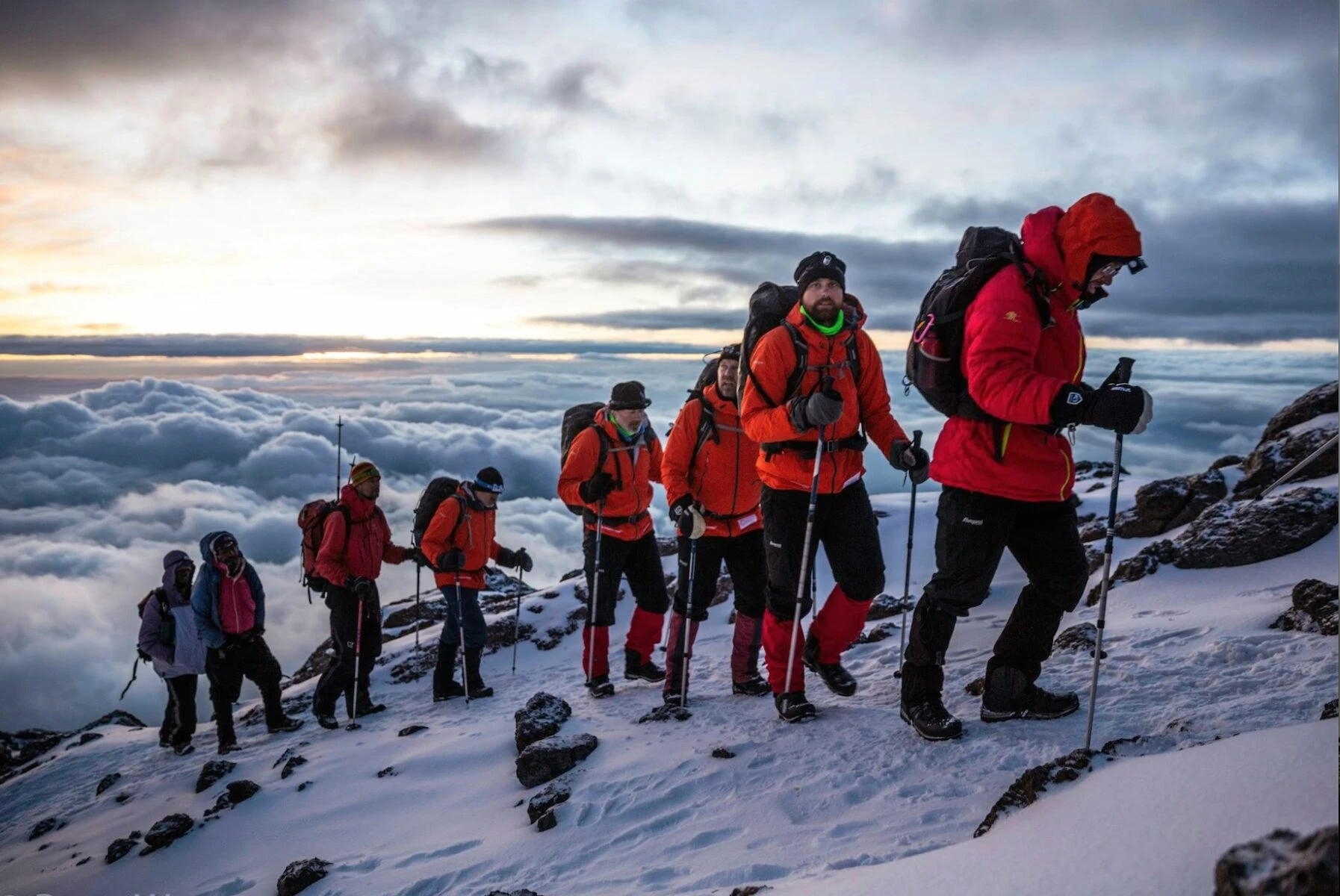
10 Days Mt Kilimanjaro Hiking Safari
Embark on the 10-day Mt Kilimanjaro hiking safari for a memorable Tanzania adventure — summit Africa's highest peak via the Machame or Marangu route then relax on a Serengeti wildlife safari.
Explore the Itinerary → Book This Trip →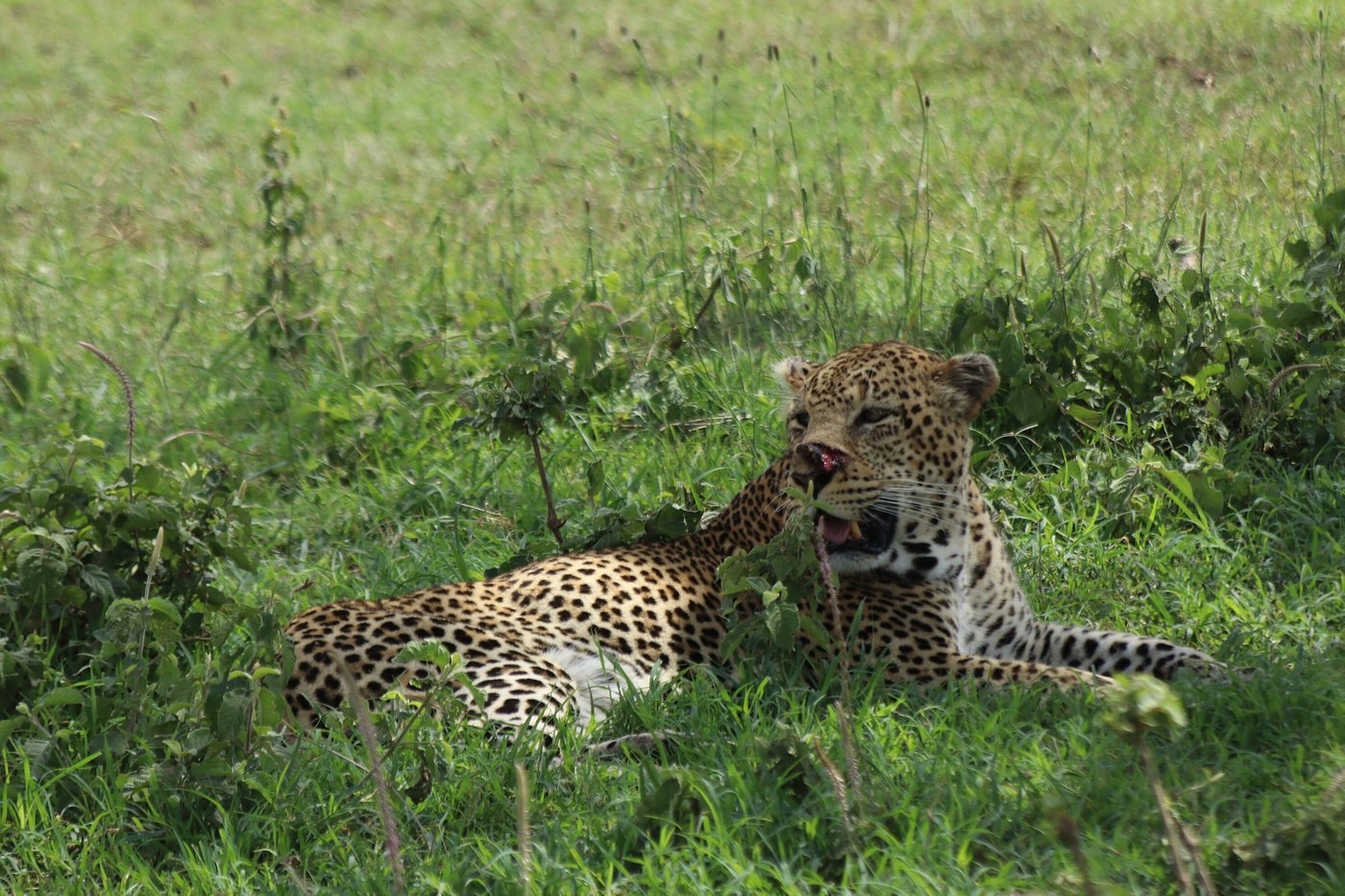
6 Days Tanzania Wildlife & Birding Safari
Enjoy 6 days Tanzania wildlife safari to Tarangire, Serengeti, and Ngorongoro Crater — combining world-class Big Five game viewing with exceptional birding across Tanzania's northern circuit.
Explore the Itinerary → Book This Trip →
10 Days Tanzania Birding & Wildlife Safari
Be part of this 10-day Tanzania birding and wildlife safari. Target over 500 bird species across Tarangire, Lake Manyara, Serengeti, and Ngorongoro alongside spectacular Big Five game drives.
Explore the Itinerary → Book This Trip →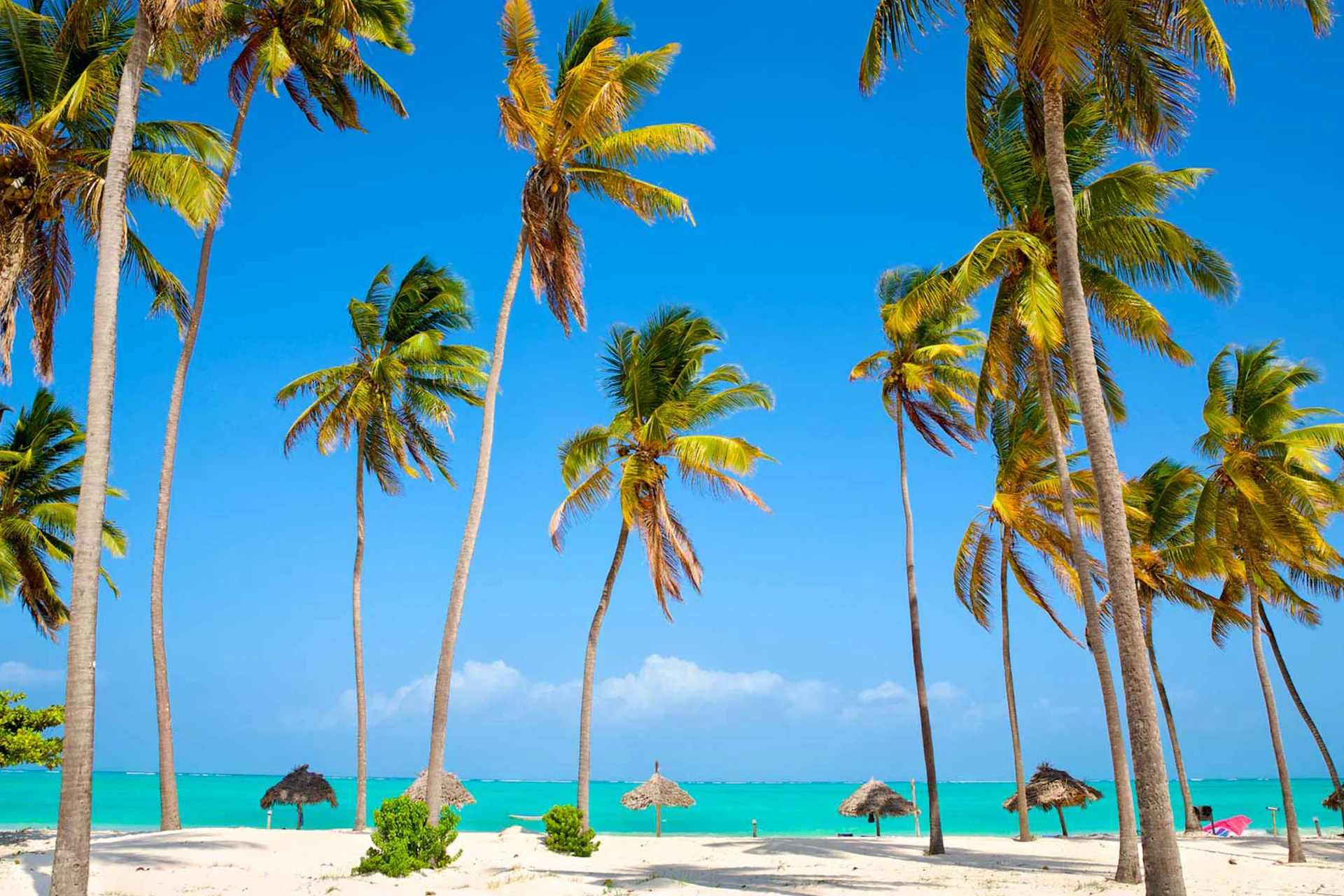
8 Days Tanzania Wildlife & Zanzibar Safari
Be part of this 8-day Tanzania wildlife and Zanzibar safari — 5 days of Big Five safaris in Serengeti and Ngorongoro followed by 3 nights of pure relaxation on Zanzibar's pristine beaches.
Explore the Itinerary → Book This Trip →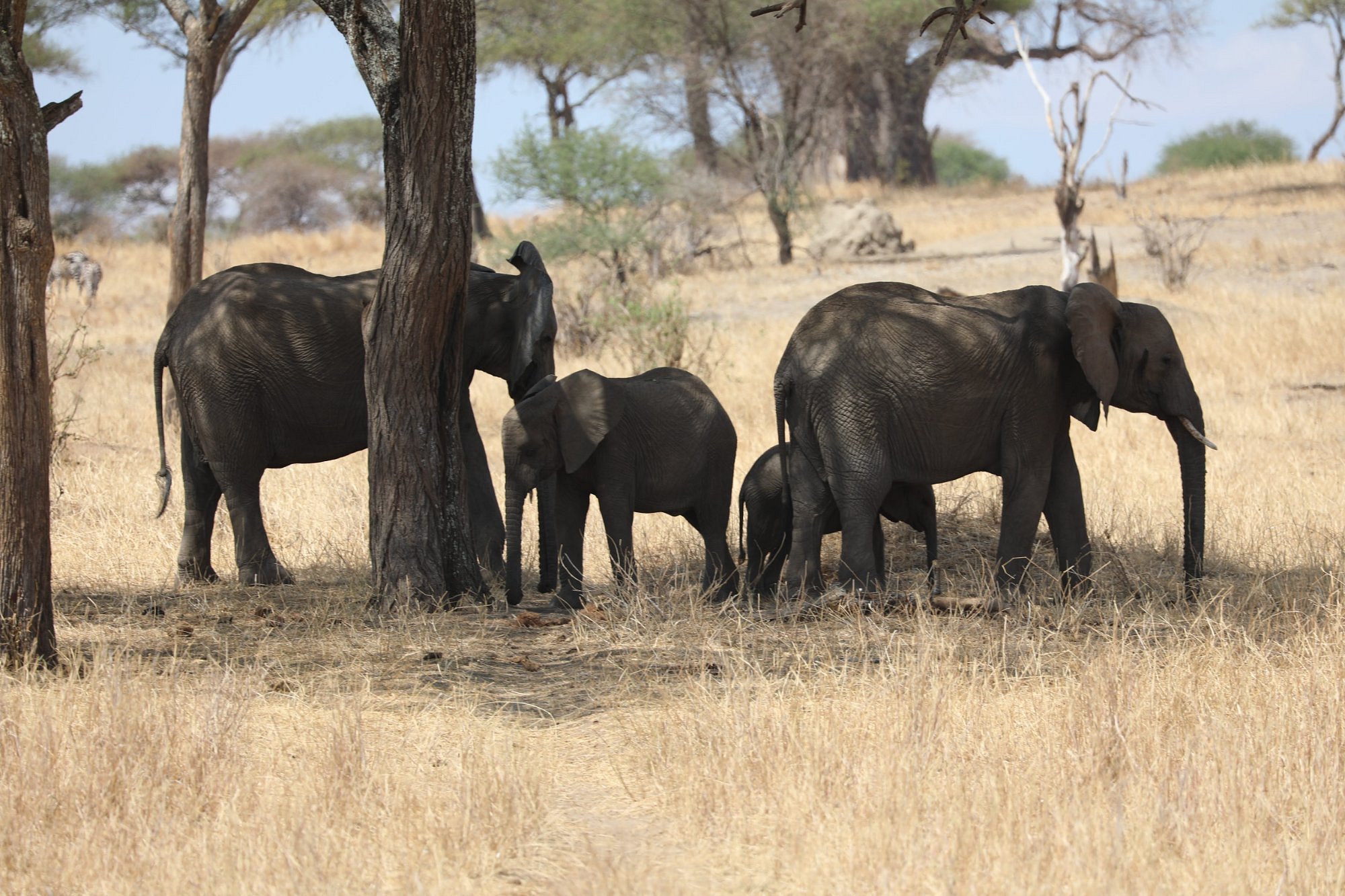
15 Days Tanzania Wildlife Safari
This 15-day Tanzania wildlife safari takes you to Serengeti, Ngorongoro Crater, Tarangire National Park, and Selous Game Reserve for the ultimate comprehensive Tanzania wildlife experience.
Explore the Itinerary → Book This Trip →
3 Days Ngorongoro Crater Safari
Descend into the Ngorongoro Crater — Africa's Garden of Eden — on this focused 3-day Tanzania safari. The crater's 25,000 resident animals include all of the Big Five within its spectacular caldera.
Explore the Itinerary → Book This Trip →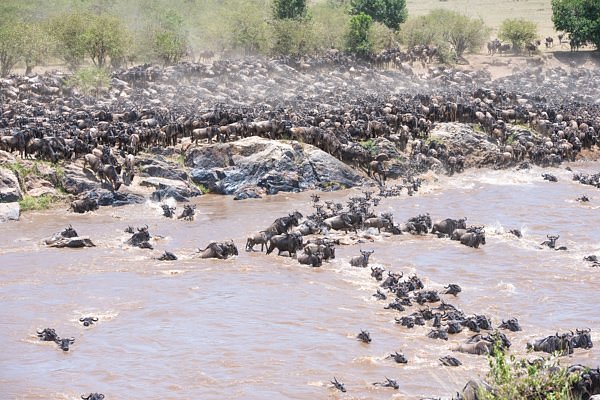
4 Days Serengeti Migration Safari
Follow the Great Wildebeest Migration in the Serengeti on this thrilling 4-day Tanzania safari. Witness dramatic river crossings, big cat predator action, and the sheer scale of Africa's greatest show.
Explore the Itinerary → Book This Trip →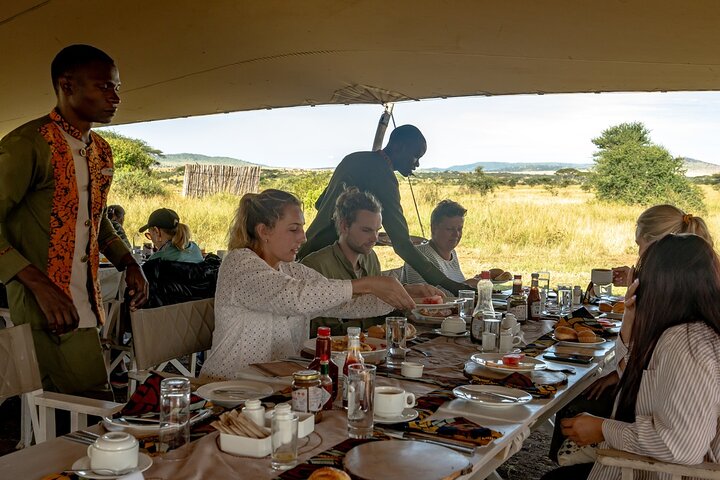
5 Days Tanzania Northern Circuit Safari
Explore the classic Tanzania northern safari circuit — Tarangire, Lake Manyara, Serengeti, and Ngorongoro Crater — on this perfectly paced 5-day wildlife adventure with Superfine Safaris.
Explore the Itinerary → Book This Trip →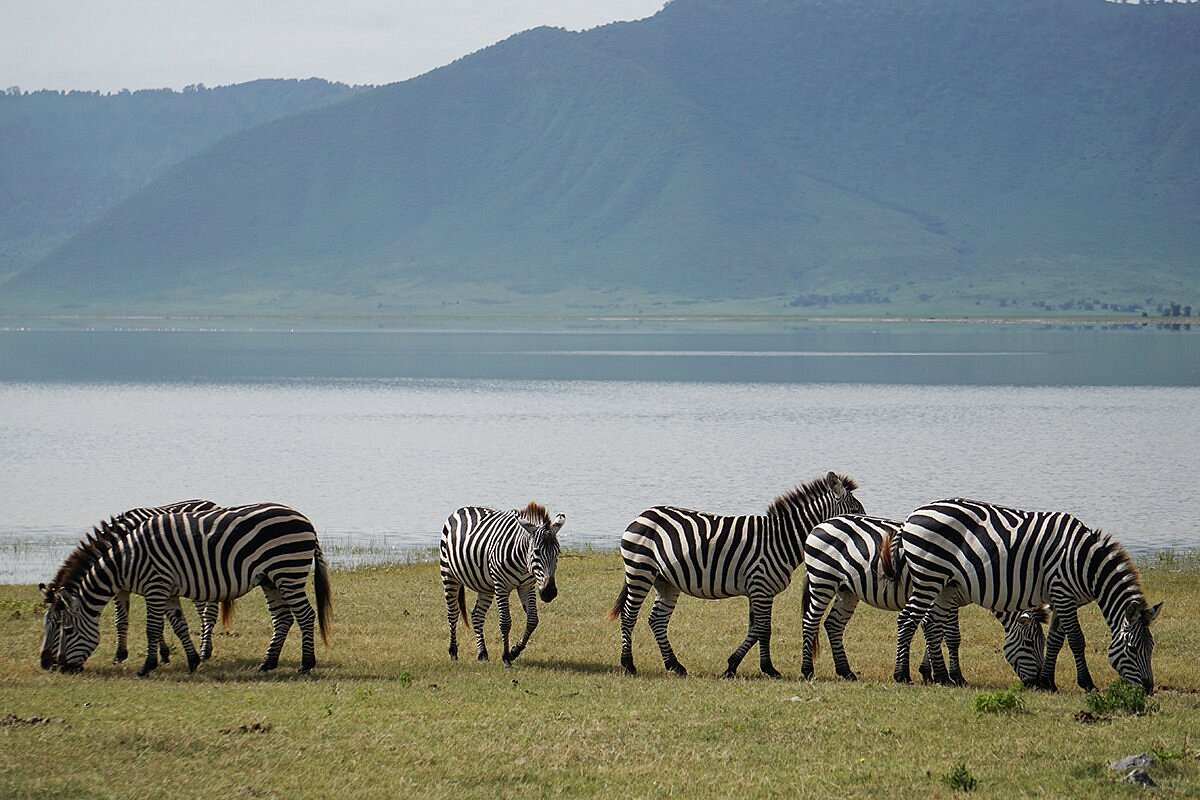
7 Days Tanzania Wildlife & Zanzibar Beach
The perfect bush-and-beach combination: 4 days of Big Five safaris in Serengeti and Ngorongoro followed by 3 nights on the pristine beaches of Zanzibar Island in the Indian Ocean.
Explore the Itinerary → Book This Trip →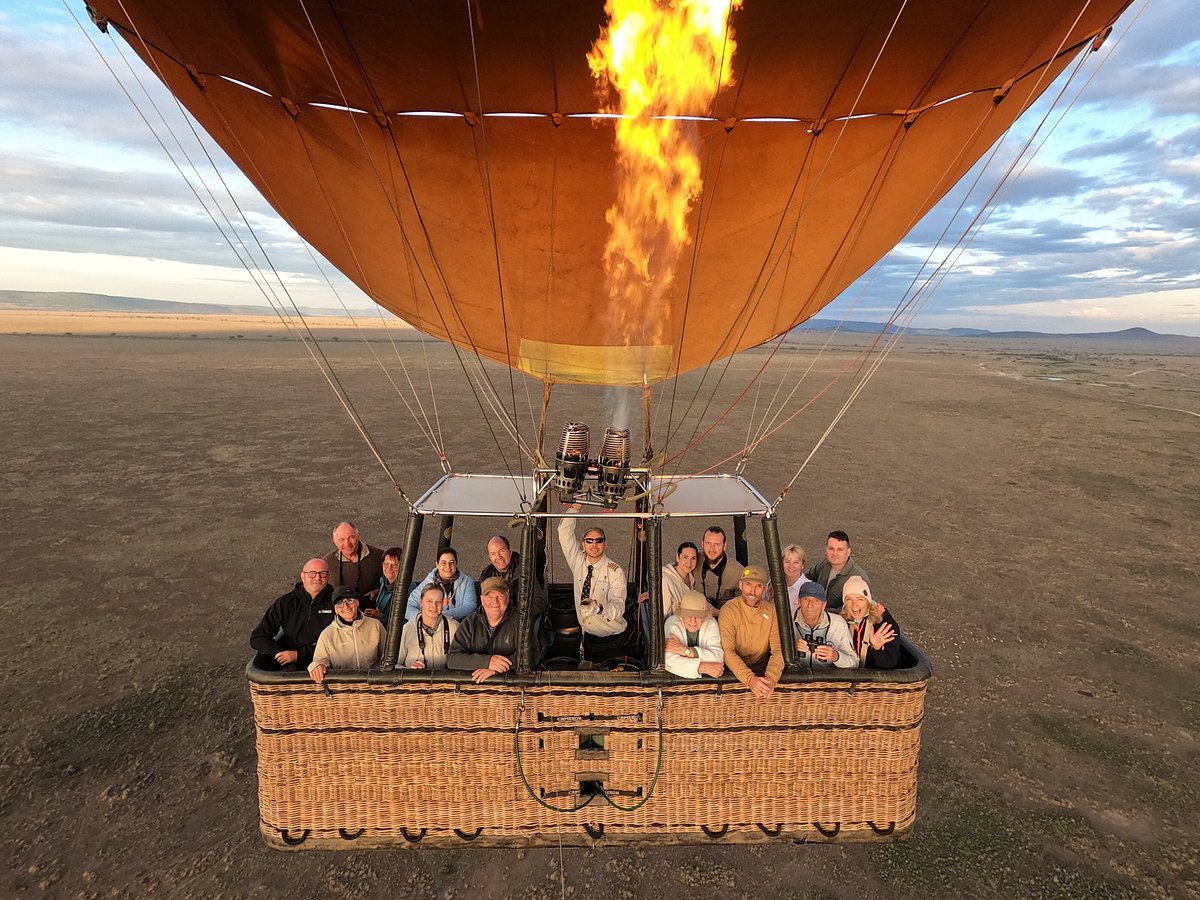
3 Days Tarangire & Lake Manyara Safari
Explore Tanzania's hidden gems on this 3-day safari to Tarangire National Park (famous for massive elephant herds and ancient baobab trees) and Lake Manyara (known for tree-climbing lions).
Explore the Itinerary → Book This Trip →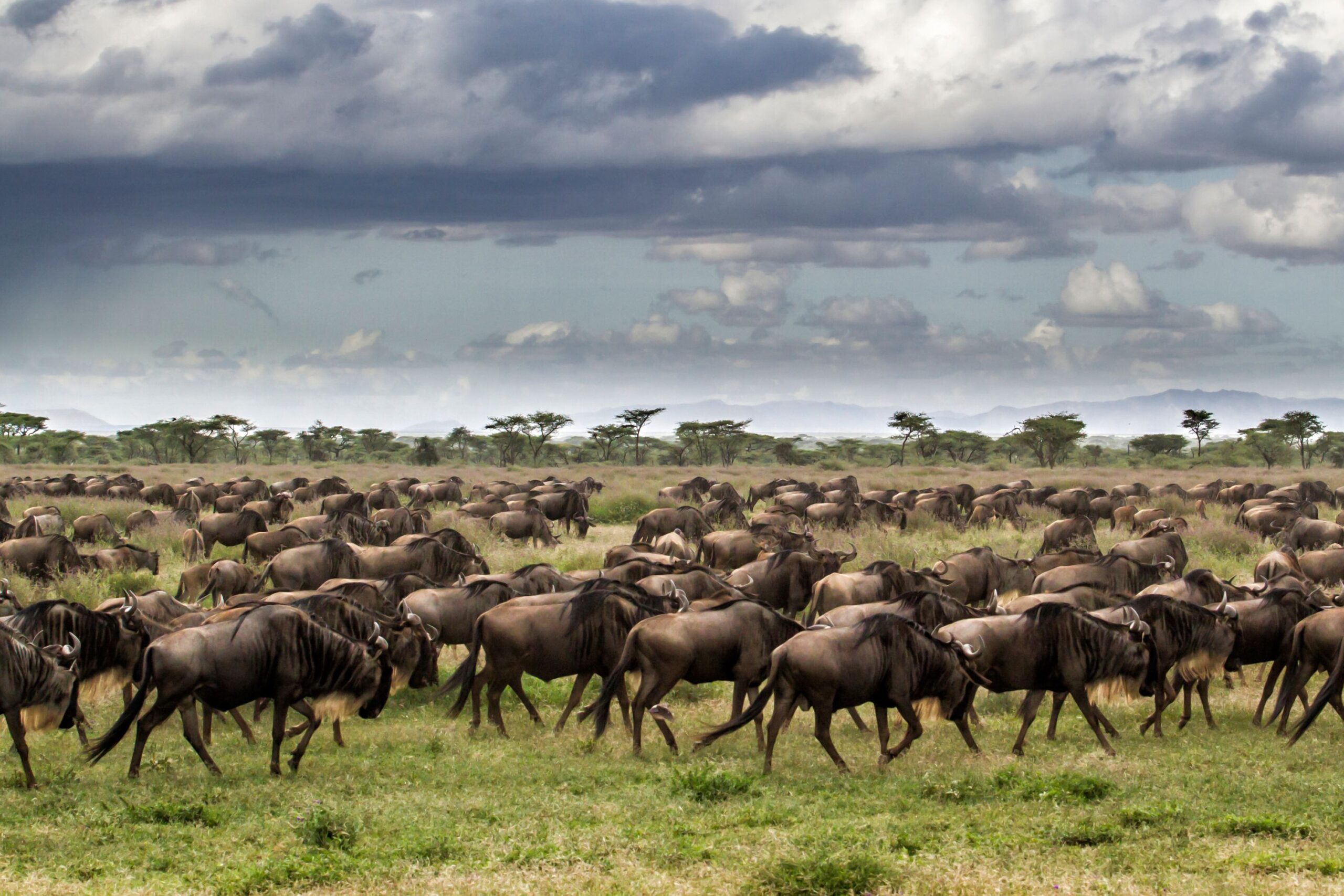
12 Days Tanzania Complete Wildlife Safari
Experience the full depth of Tanzania's wildlife on this 12-day comprehensive safari covering Serengeti, Ngorongoro, Tarangire, Lake Manyara, Ruaha National Park, and a Zanzibar beach finale.
Explore the Itinerary → Book This Trip →2027 Tanzania Safaris and Planning Guide
Tanzania safaris in 2027 remains one of the most extraordinary wildlife experiences on earth. No other country offers the same combination. The largest concentration of mammals on the continent, the greatest wildlife spectacle in the world, the highest free-standing mountain in Africa and an Indian Ocean island chain that belongs on any traveller’s bucket list.
Whether you are chasing the wildebeest migration, tracking lions in the Ngorongoro Crater or searching for the Big Five in a remote southern circuit park, Tanzania delivers at every level.
This guide covers everything you need to plan a Tanzania safari in 2027 — national parks, best travel times, migration calendar, costs, itineraries and practical entry information. For a ready-built route overview, see our Tanzania safari itinerary guide 2027. For tips on securing the best price and avoiding common booking mistakes, read our Tanzania safari booking tips 2027.
Why Tanzania Leads East Africa’s Safari Scene
Tanzania protects more than 38 per cent of its land area in national parks, game reserves, conservation areas and marine parks — among the highest proportions of any country in Africa. The northern safari circuit anchored by the Serengeti, Ngorongoro, Tarangire and Lake Manyara is one of the best-developed safari regions anywhere, with reliable infrastructure, excellent guiding standards and accommodation ranging from budget camping to some of the most acclaimed luxury tented camps in the world. The southern circuit — Ruaha, Nyerere and Katavi — offers a completely different experience: fewer vehicles, larger wilderness areas and the feeling of genuine isolation that is increasingly rare in more visited parks.
Tanzania is also the entry point for Mount Kilimanjaro, the highest point in Africa at 5,895 metres, and Zanzibar, a Swahili-culture island of white coral beaches, spice plantations and ancient stone towns. These three experiences — wildlife, mountain, beach — can be combined in a single trip of 10 to 14 days, making Tanzania uniquely versatile for East Africa first-timers and returning visitors alike.
Tanzania’s National Parks and Key Destinations in 2027
Serengeti National Park — The Heart of the Migration
The Serengeti is Tanzania’s flagship park and one of the most recognised wildlife destinations in the world. Spanning almost 15,000 square kilometres of open grassland, acacia woodland, kopje rock formations and riverine forest, it supports one of the densest concentrations of predators on the continent and is the central stage for the Great Wildebeest Migration — the annual movement of 1.5 million wildebeest, 400,000 zebra and 200,000 gazelle in a clockwise circuit through the Serengeti and Kenya’s Masai Mara.
The park can be broadly divided into three zones, each best visited at different times of year. The southern Serengeti (Ndutu plains) hosts the calving season from January to March and is exceptional for big cat activity — lions and cheetahs gather where the wildebeest concentrate. The central Seronera corridor offers year-round game viewing with the best resident leopard and lion sightings. The northern Serengeti near the Mara River is the site of the dramatic river crossings between July and October, where crocodiles wait in the shallows as wildebeest plunge through. Read our in-depth northern Serengeti safari guide and southern Serengeti safari guide for detailed coverage of each zone.
Beyond the migration, the Serengeti supports extraordinary resident wildlife: all of the Big Five, wild dogs (a rare sighting), hyena clans, jackals, bat-eared foxes and over 500 bird species. Our complete guide to wildlife in the Serengeti covers the species you can expect by season, and our top 10 things to do in the Serengeti covers activities beyond the standard game drive. For accommodation, see our curated list of luxury lodges in Serengeti National Park.
Ngorongoro Conservation Area — The Eighth Wonder
The Ngorongoro Crater is a collapsed volcanic caldera 19 kilometres across and 600 metres deep, sheltering a permanent wildlife population of approximately 25,000 animals. It is one of the few places in East Africa where black rhino can be reliably sighted on a game drive. The crater floor supports lions, leopards, hyenas, elephants, buffaloes, hippos, flamingos on the alkaline lake and a vast resident wildebeest population that does not participate in the main migration. A morning game drive in the crater, descending through cloud-forest before emerging on the floor at sunrise, is one of the most consistently rewarding game drive experiences in East Africa.
The Conservation Area also includes the Olduvai Gorge — where Louis and Mary Leakey discovered some of the earliest evidence of human ancestors — and Empakaai Crater, a secondary caldera with a flamingo lake that can be explored on foot. Entry to the crater is restricted to a limited number of vehicles per day, so booking through a licensed operator is essential.
Tarangire National Park — Elephant Country
Tarangire, in the Manyara region south-east of Arusha, is often overshadowed by the Serengeti and Ngorongoro but is one of Tanzania’s finest parks for elephant viewing. During the dry season (June to October), hundreds of elephants converge on the Tarangire River — the only permanent water source in the area — creating elephant concentrations rivalling anything in Africa. The park is also important for large herds of buffalo, giraffe, zebra, eland and oryx, and its baobab-studded landscape is one of the most visually striking in East Africa.
Tarangire is an excellent first or last stop on a northern circuit itinerary, being only two hours from Arusha, and is one of the most underrated big-game parks on the continent.
Lake Manyara National Park — Tree-Climbing Lions and Flamingos
Lake Manyara is compact — only 330 square kilometres — but packs in extraordinary habitat diversity: groundwater forest, acacia woodland, open floodplain and alkaline lake. It is famous for its tree-climbing lions, a behaviour unique to this park and Ishasha in Uganda, and for the millions of flamingos that sometimes colour the lake shore pink. The park’s hippo pool is one of the most accessible in East Africa, and the forest zone is excellent for blue and vervet monkeys, colobus and a prolific bird list of over 400 species.
Ruaha National Park — Tanzania’s Unspoilt South
Ruaha, in central Tanzania, is the country’s largest national park and one of the least visited. It supports one of Africa’s largest lion populations, significant wild dog packs, huge elephant herds and the full range of southern African species not found in the north — roan antelope, sable, greater kudu, lichtenstein’s hartebeest. The Great Ruaha River is the focal point for game viewing, and the landscape of miombo woodland, rocky escarpments and sand rivers is completely different from the northern circuit. Ruaha rewards visitors who want genuine wilderness without another vehicle in sight.
Nyerere National Park (Selous) — Africa’s Largest Reserve
Renamed Nyerere National Park in 2019, the former Selous Game Reserve is part of Africa’s largest protected ecosystem and a UNESCO World Heritage Site. The northern tourist zone around the Rufiji River offers boat safaris — one of Tanzania’s most distinctive wildlife activities — alongside game drives and walking safaris. Hippo pools, Nile crocodiles, elephant herds crossing the river and some of Tanzania’s best wild dog sightings make Nyerere a compelling alternative to the northern circuit for experienced safari travellers.
Mount Kilimanjaro — The Roof of Africa
At 5,895 metres, Kilimanjaro is the highest mountain in Africa and the highest free-standing volcano in the world. Seven trekking routes lead to the summit, ranging from the popular Marangu (“Coca-Cola”) route to the longer, more scenic Lemosho and Machame routes. The standard acclimatisation period is 6 to 8 days; success rates for fit, well-acclimatised trekkers on longer routes reach 85 to 90 per cent. Our Mount Kilimanjaro hiking guide covers all routes, costs, packing lists and training advice in detail. Kilimanjaro is frequently combined with a northern circuit safari and a Zanzibar beach extension in a 14 to 18-day itinerary — our 10-day Kilimanjaro hiking safari is one of our most booked packages.
Zanzibar — The Spice Island Beach Extension
Zanzibar Archipelago — comprising Unguja (Zanzibar Island), Pemba and several smaller islands — lies 35 kilometres off the Tanzanian coast and is the natural complement to any mainland safari. Stone Town, a UNESCO World Heritage Site, rewards two or three days of wandering through Arab-Swahili architecture, spice markets, rooftop restaurants and the narrow lanes of the old quarter. The island’s beaches — Nungwi, Kendwa, Matemwe and Paje — offer white sand, turquoise shallows and excellent diving and snorkelling on the coral reefs offshore. Zanzibar is reached by a 20-minute flight from Dar es Salaam or Arusha, and most Tanzania safari itineraries include a 3 to 5-night beach stay. Our guide to things to do in Zanzibar covers beaches, dive sites, tours and Stone Town in detail.
The Great Wildebeest Migration — 2027 Month-by-Month Calendar
The migration is a circular, year-round movement — there is no single start or end point. Where to go depends entirely on when you are travelling. Here is the 2027 calendar:
- January – March (Southern Serengeti / Ndutu) — Calving season on the short-grass plains. Up to 8,000 wildebeest are born daily at peak calving. Lions, cheetahs and hyenas are extremely active. This is one of the best times for predator action.
- April – May (Central and Western Serengeti) — The long rains arrive and the herds begin moving north. Road conditions worsen but visitor numbers drop and rates fall significantly. The Grumeti River sees the first crossing attempts in May.
- June – July (Western Corridor / Grumeti) — The herds mass along the Grumeti River, with crocodile-filled crossings beginning in late June. This is an excellent time for river crossings without the July–August crowds.
- August – October (Northern Serengeti / Mara River) — Peak season for Mara River crossings. Thousands of wildebeest plunge into the river multiple times per day as they push into Kenya and return. This is the most dramatic and most visited period. See our northern Serengeti guide for the best crossing vantage points.
- November – December (Eastern Serengeti and return south) — The short rains bring the herds back south through the Loliondo and Lobo areas. A quieter period with excellent game viewing and lower rates.
For a head-to-head comparison of watching the migration in Tanzania versus Kenya’s Masai Mara, see our Tanzania vs Kenya wildebeest migration guide.
Best Time to Visit Tanzania in 2027
June to October (dry season) is the best overall time to visit Tanzania. Vegetation is low, animals concentrate around water sources and roads are in the best condition. The northern Serengeti river crossings peak in August and September. Temperatures are mild and nights can be cold at altitude (Ngorongoro Crater rim sits at 2,400 metres).
January and February are excellent for the calving season in the southern Serengeti and for beach holidays in Zanzibar (hot and dry on the coast). December is a popular shoulder month — wildlife is superb, rates are slightly lower than the July–September peak and the southern Serengeti comes alive as the herds return. March to May sees the long rains — roads can be challenging but serious birders and photographers prize the green landscapes and reduced visitor numbers.
Tanzania Safari Costs in 2027
Tanzania sits at the mid-to-luxury end of the East Africa safari market. The country operates a high-value, low-volume conservation model, particularly in the remote southern parks. Here are indicative per-person costs for 2027:
- 3–4 days (Serengeti or Ngorongoro only) — from USD 1,800 per person, mid-range camp or lodge, full-board, shared 4WD vehicle.
- 5–7 days (Northern circuit: Tarangire, Ngorongoro, Serengeti) — from USD 3,200 per person, mid-range. Luxury options from USD 5,500.
- 7–10 days (Northern circuit + Zanzibar) — from USD 4,500 per person (mid-range safari, mid-range Zanzibar hotel).
- 10–15 days (Northern + southern circuit or Kilimanjaro) — from USD 6,500 per person, depending on parks and accommodation standard.
National park fees, conservation area fees, flying camps, private conservancy fees and guides are included in most all-inclusive packages. For a full breakdown, see our East Africa safari cost guide. For detailed information on the driving distances and logical routing between parks, our Tanzania drive time guide helps you build an efficient itinerary.
Tanzania Safari Itineraries for 2027
Tanzania’s parks can be combined in dozens of ways. Here are the most popular itinerary formats:
- 3 Days Serengeti National Park Tour — the minimum time needed to experience the Serengeti properly, including a full day on the plains and a game drive along the Seronera River. Best for travellers adding a short safari to a business trip or Kilimanjaro climb.
- 4 Days Ngorongoro and Serengeti Safari — covers both headline destinations with a full crater descent and two days in the Serengeti. This is the most popular entry-level northern circuit combination.
- 5 Days Serengeti & Ngorongoro Crater Safari — adds a morning at Lake Manyara for tree-climbing lions and flamingos alongside the two core parks.
- 7 Days Best of Tanzania Safari — the full northern circuit: Tarangire, Lake Manyara, Ngorongoro and three nights in the Serengeti. A comprehensive introduction to Tanzania’s wildlife.
- 8 Days Tanzania Wildlife & Zanzibar Safari — combines a 5-night northern circuit safari with a 3-night Zanzibar beach extension. The classic Tanzania combination.
- 7 Days Tanzania Wildebeest Migration Experience — designed around the migration calendar with specific Serengeti zones selected to match the time of year. Available in northern, central and southern Serengeti variants.
- 10 Days Mt Kilimanjaro Hiking Safari — combines a Machame route Kilimanjaro climb with a post-summit northern circuit safari. A favourite for adventurous travellers who want both achievement and relaxation in a single trip.
- 15 Days Best of Tanzania Safari — the definitive Tanzania experience: full northern circuit, fly-in to Ruaha or Nyerere for the southern wilderness, Zanzibar beach finale. For travellers who want to see everything.
Our full Tanzania safari itinerary guide 2027 compares all options with day-by-day plans, sample costs and photographs to help you choose.
Getting to Tanzania in 2027
Kilimanjaro International Airport (JRO) near Arusha is the best entry point for northern circuit safaris. It receives direct flights from Amsterdam (KLM), Doha (Qatar Airways), Addis Ababa (Ethiopian), Nairobi (Kenya Airways, Ethiopian, Jambojet) and Dubai (flydubai), among others. From Nairobi the flight takes under an hour and is typically the most economical connection for intercontinental travellers.
Dar es Salaam International Airport (DAR) is the main entry point for southern circuit safaris, Zanzibar connections and travellers arriving on longer-haul routes. Arusha is linked to Dar, Zanzibar and all major Tanzanian parks by a reliable domestic airline network (Precision Air, Auric Air, Coastal Aviation, Air Excel).
Visas: Most nationalities require a visa for Tanzania. A single-entry tourist visa costs USD 50 and can be obtained on arrival or through the Tanzania e-visa portal in advance (recommended). East African residents and citizens of several African countries are visa-exempt. The East Africa Tourist Visa (USD 100) covers Tanzania, Uganda and Kenya and is excellent value for multi-country itineraries.
Accommodation in Tanzania
Tanzania’s accommodation range is broader than almost any other African country. At the top end, permanent tented camps like Singita Grumeti, Nomad Serengeti Safari Camp and &Beyond Ngorongoro Crater Lodge set the global standard for safari hospitality. The mid-range segment — Lemala camps, Acacia, AA Lodges — offers strong guiding and comfortable en-suite tents at significantly lower prices. Budget travellers can access the northern circuit through public campsite accommodation inside the parks, self-catering or joining group departure safaris.
All accommodation in Superfine Safaris itineraries has been personally assessed. We do not list properties we have not verified for quality, guide training, environmental practice and safety.
Responsible Tourism and Conservation in Tanzania
Tanzania’s wildlife exists because of conservation investment that stretches back to Serengeti’s first gazettement in 1951. The current challenges are significant: human-wildlife conflict on park boundaries, poaching pressure on elephants and rhinos, climate-driven changes to the migration timing, and the economic dependence of hundreds of thousands of people on tourism revenue. Choosing a responsible operator matters.
Superfine Safaris is committed to leaving wildlife and communities better than we found them. We use locally hired guides trained to TANAPA and TATO standards, we use community-run accommodation where available, we brief all guests on low-impact wildlife viewing guidelines and we support a community school in the Ngorongoro Conservation Area through a direct contribution from every safari we operate.
Tanzania Safari Planning Tips for 2027
- Book Serengeti camps early for July–October. The most desirable mobile and permanent camps in the northern Serengeti sell their July–September allocations by November or December of the previous year. If your dates are fixed, secure accommodation immediately.
- Plan your Serengeti zone by travel date. The migration moves — your guide to where to go is our month-by-month calendar above. A camp in the wrong zone at the wrong time will give you a perfectly good game drive but no river crossings.
- Allow at least 5 nights in the Serengeti. Three nights gives you a flavour; five or more gives you the full experience — early morning drives, afternoon drives, time waiting at a crossing, time for birding and photography.
- Consider a fly-camp or fly-in itinerary. Driving the full northern circuit is possible (4–5 hours between parks) but flying between parks maximises game drive time and reduces fatigue. Internal flights in Tanzania are affordable and the bush airstrips are an experience in themselves.
- Pack for altitude variation. The Ngorongoro Crater rim reaches 2,400m and mornings are cold. The Serengeti plains can be hot by 10am. Pack a warm layer for early morning drives and breathable clothing for the afternoon.
- Don’t end on the mainland. A 3-night Zanzibar stay is one of the best post-safari transitions in Africa. The contrast between the dust and drama of the Serengeti and the turquoise calm of Nungwi is something most first-time visitors wish they had planned for.
Our guide to the top 5 travel destinations in Tanzania provides an overview of each region, and our specialist team is available to build your 2027 itinerary around your exact dates and interests. Contact us for a free, fully costed Tanzania safari proposal — no obligation, and we typically respond within 24 hours.
Plan Your 2027 Tanzania Safari
Serengeti, Ngorongoro, Kilimanjaro or Zanzibar — we build your perfect Tanzania itinerary and handle every detail.
- ✓Migration zone matched to your dates
- ✓Serengeti, Ngorongoro & Tarangire
- ✓Zanzibar beach extension available
- ✓Private 4WD vehicle & licensed guide
- ✓Free, no-obligation 2027 itinerary