
Join Superfine Safaris Limited for the magical Mount Kilimanjaro Hiking adventure. For any travelers seeking adventure, Mount Kilimanjaro hiking. Mount Kilimanjaro is the highest Mountain in Africa standing at 5,895 meters above sea level located in northeastern Tanzania near Kenya’s border. Uhuru is the highest peak of Mount Kilimanjaro and can be reached using different routes
Best Time for Mount Kilimanjaro Hiking
Whereas Mount Kilimanjaro can be hiked at all times of the year, knowing the best timing for Mount Kilimanjaro hiking is key for anyone planning this adventure. Dry season between January to March and June to October is the best time for hiking Mount Kilimanjaro. The hiking trails during this time are stable and the skies clearer rewarding you with spectacular views of the mountain summit. On the other hand January to March is the cold season with snow on the summit beautiful for photography and viewing
The popular months for hiking Mount Kilimanjaro is June to October
During the dry seasons—January to March and June to October—trails are more stable, skies are clearer, and summit views are spectacular. January to March is quieter and slightly colder, often with snow at the summit, creating stunning scenery. June to October is warmer and more popular, attracting more hikers.
April and May have heavy rains that make trails slippery and challenging, especially in the rainforest zone. November experiences short rains, which may still allow hiking but with less predictable weather.
Best Time for Mount Kilimanjaro Hiking
Timing your Mount Kilimanjaro hiking adventure correctly can significantly impact your experience and success rate.
During the dry seasons from January to March and June to October. Trails are more stable, skies are clearer, and summit views are spectacular. January to March is quieter and slightly colder, often with snow at the summit, creating stunning scenery. June to October is warmer and more popular, attracting more hikers.
In contrast, April and May bring heavy rains that make trails slippery and challenging, especially in the rainforest zone. November experiences short rains, which may still allow hiking but with less predictable weather.
Choosing the right time ensures better visibility, safer trekking conditions, and a more enjoyable overall experience.
Mount Kilimanjaro Hiking Routes
Selecting the right route is crucial for a successful Mount Kilimanjaro hiking experience, as it affects acclimatization, scenery, and overall difficulty.
Machame Route (Most Popular and Scenic)
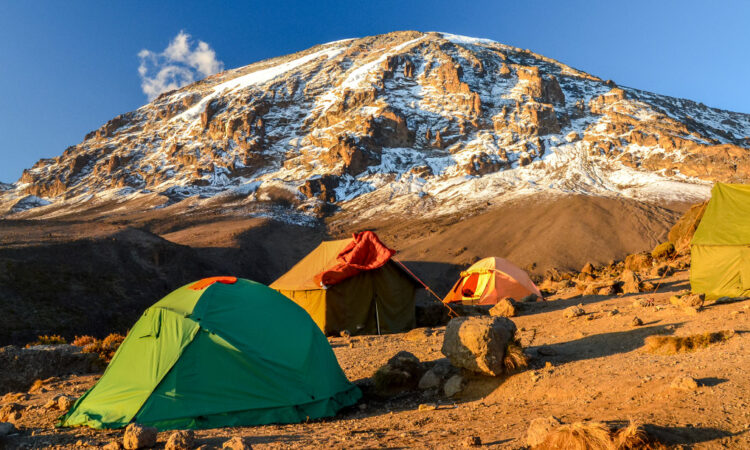 The Machame Route is often considered the best balance between challenge and beauty. It takes you through varied landscapes and follows a “climb high, sleep low” approach, which helps your body adjust to altitude.
Trekkers typically spend 6–7 days on this route. The trail includes steep sections, especially on Barranco Wall, but the views are exceptional. Because of its good acclimatization profile, it offers a relatively high success rate.
Lemosho Route (Best Overall Experience)
The Lemosho Route is ideal for those looking for a quieter and more immersive Kilimanjaro hiking experience. Starting on the western side, it passes through remote wilderness before joining the Machame Route.
The longer duration (7–8 days) allows for excellent acclimatization, which significantly increases summit success rates. The route is less crowded and offers some of the most scenic views on the mountain.
Marangu Route (Comfortable but Shorter)
The Marangu Route is unique because it provides hut accommodation instead of camping. This makes it attractive for hikers who prefer more comfort. However, its shorter duration (5–6 days) gives less time for acclimatization, which can reduce the chances of reaching the summit. Despite being considered the “easiest” route, its success rate is lower compared to longer routes.
Rongai Route (Quiet and Remote)
Approaching from near Kenya, the Rongai Route offers a quieter alternative with fewer crowds. It is particularly suitable during the rainy season because it receives less precipitation. The route is gradual and less steep, making it a good option for those seeking a steady ascent.
Northern Circuit (Highest Success Rate)
The Northern Circuit is the longest and most gradual route, typically taking 8–9 days. It circles around the mountain, offering unmatched views and minimal crowds. Because of the extended time for acclimatization, this route has the highest summit success rate, making it ideal for those who prioritize reaching the top.
How Difficult is Mount Kilimanjaro Hiking?
While Mount Kilimanjaro hiking does not require technical climbing, it is far from easy. The biggest challenge is altitude rather than terrain. As you ascend, oxygen levels decrease significantly, which can lead to Altitude sickness. Even physically fit hikers may struggle if they ascend too quickly.
Daily hikes can last between 5 and 8 hours, and summit night involves trekking in freezing temperatures for up to 12–14 hours. Mental strength plays a critical role—many hikers describe summit night as the toughest part of the journey.
Mount Kilimanjaro Hiking Cost
The cost of hiking Mount Kilimanjaro reflects the logistics and regulations involved in climbing the mountain.
A significant portion of the cost goes to park fees charged by the Tanzanian government. These include conservation fees, camping or hut fees, and rescue fees.
Other costs cover guides, porters, cooks, food supplies, and equipment. Ethical operators ensure fair wages and proper treatment for porters, which is an important consideration when choosing a company.
Luxury climbs may include better equipment, private toilets, and upgraded meals, while budget options provide basic but safe services.
How to Prepare for Mount Kilimanjaro Hiking
Preparation is essential for a successful Mount Kilimanjaro hiking experience.
Physically, you should train for endurance rather than speed. Long hikes, especially on hills, help build stamina. Cardio exercises improve lung capacity, while strength training supports your legs and core.
Mentally, preparation involves understanding the challenges ahead. The slow pace often referred to as “pole pole” requires patience and discipline. Staying positive, even when tired, is key to reaching the summit.
Mount Kilimanjaro Hiking Packing List
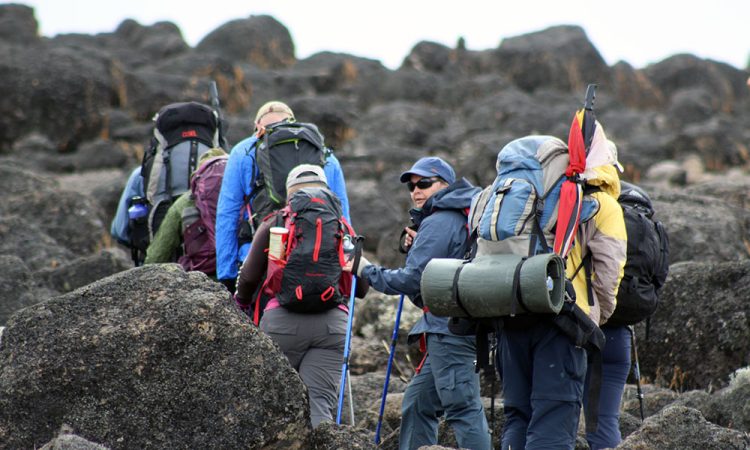 Packing correctly ensures comfort and safety throughout your trek.
Clothing should follow a layering system to adapt to temperature changes. Mornings and evenings can be freezing, while midday temperatures may be warm.
A good pair of hiking boots is essential, they should be well broken-in to avoid blisters. A high-quality sleeping bag is necessary for cold nights at higher altitudes.
Other important items include a headlamp for summit night, trekking poles for stability, and reusable water bottles or hydration systems.
Altitude Sickness During Kilimanjaro Hiking
Altitude sickness is the most serious concern during Mount Kilimanjaro hiking. This occurs when your body struggles to adapt to reduced oxygen levels. Symptoms can range from mild headaches to severe conditions requiring immediate descent.
Prevention is critical. Walking slowly, staying hydrated, and choosing longer routes help your body acclimatize. Some hikers use Acetazolamide to reduce symptoms, though it should be taken under medical advice.
Guides monitor oxygen levels daily and are trained to respond to any signs of illness.
What to Expect During Mount Kilimanjaro Hiking
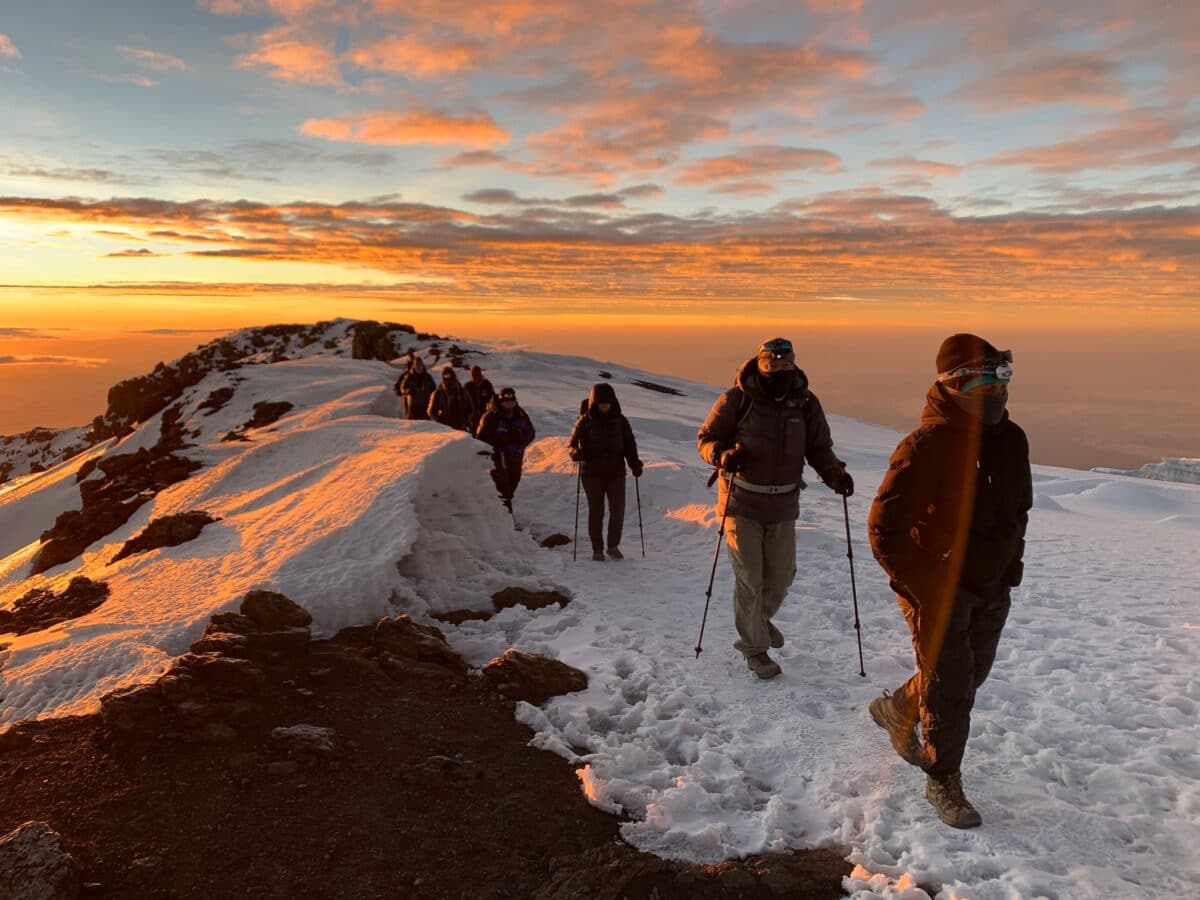 A typical day on Kilimanjaro begins early with a warm drink and breakfast. You then hike for several hours, taking breaks along the way.
Lunch is usually taken on the trail or at camp. Afternoons are for rest and acclimatization, followed by dinner and a briefing for the next day.
Summit night is the most demanding part of the trek. Starting around midnight, you hike slowly in darkness and cold temperatures to reach Uhuru Peak at sunrise. The reward is a breathtaking view above the clouds—a moment that makes every step worthwhile.
Combine Mount Kilimanjaro Hiking with a Safari
After completing your Mount Kilimanjaro hiking adventure, many travelers explore Tanzania’s world-famous wildlife destinations.
A safari in Serengeti National Park offers the chance to witness the Great Migration and see lions, elephants, and cheetahs. The Ngorongoro Crater provides one of the highest concentrations of wildlife in Africa, while Tarangire National Park is known for its large elephant herds and iconic baobab trees.
This combination of trekking and safari creates a complete African adventure.
FAQs About Mount Kilimanjaro Hiking
How long does Mount Kilimanjaro hiking take?
Most hikes take between 5 and 9 days, depending on the route.
Do I need experience for hiking Mount Kilimanjaro?
No technical experience is required, but physical fitness is important.
What is the success rate?
Success rates range from 60% to over 85%, depending on route and duration.
Is Mount Kilimanjaro hiking safe?
Yes, when done with licensed guides and proper preparation.
Conclusively, Mount Kilimanjaro hiking is a lifetime adventure for anyone on Tanzania Safaris. Superfine Safaris Limited offers customized hiking safari packages rewarding you with best hiking adventures