Uganda is often celebrated for its extraordinary wildlife, breathtaking landscapes, and adventure-filled safaris. While activities such as gorilla trekking and game drives attract many travelers, cultural tourism is increasingly becoming an important part of the Ugandan travel experience. One of the most authentic and immersive ways to understand Uganda’s traditions and lifestyle is through homestay cultural experiences.
Homestay programs allow visitors to stay with local families in rural communities, giving them a rare opportunity to experience everyday Ugandan life firsthand. Rather than simply observing local culture from a distance, travelers become part of the household, sharing meals, participating in daily activities, and learning about traditions that have been passed down through generations.
What Is a Homestay Cultural Experience?
A homestay cultural experience involves staying in the home of a local host family for a short period, typically ranging from one night to several days. During the stay, visitors live as members of the household, joining the family in their daily routines and community activities.
Unlike hotels or lodges, homestays focus on cultural exchange. Travelers gain insight into local customs, food preparation, farming practices, family life, and community traditions. In return, host families enjoy the opportunity to share their culture and learn about visitors from different parts of the world.
These experiences are particularly meaningful because they create genuine connections between travelers and local communities.
Experiencing Daily Life in Ugandan Communities
One of the highlights of a homestay experience is the chance to observe and participate in everyday life. Ugandan communities are known for their strong family values, hospitality, and close-knit social structures.
Guests begin their day early in the morning with activities such as collecting water, attending to livestock, or harvesting crops from nearby gardens. Many households rely on subsistence farming, growing crops like bananas, beans, cassava, and maize.
Travelers often join family members in these activities, learning how traditional farming methods are used to sustain rural livelihoods. This hands-on participation offers a deeper appreciation of the effort and resilience involved in rural life.
Traditional Cooking and Food Preparation
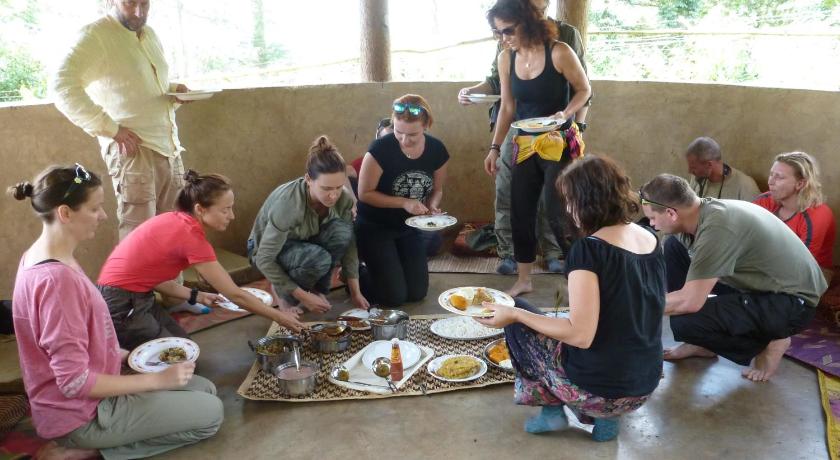
Food is an important part of any cultural experience, and homestays provide an excellent opportunity to learn about Uganda’s traditional cuisine. Visitors are often invited to help prepare meals alongside their host families.
Cooking in rural homes typically involves charcoal stoves or open-fire kitchens. Guests may learn how to prepare popular Ugandan dishes such as matooke (steamed green bananas), groundnut sauce, millet bread, or fresh vegetable stews.
The cooking process itself becomes a cultural lesson as hosts explain how ingredients are grown, harvested, and prepared. Sharing meals around the family table also creates a warm and welcoming environment where stories and laughter are exchanged.
Learning Traditional Skills
Homestay experiences often include learning traditional skills that have been practiced for generations. Depending on the community, guests may participate in activities such as basket weaving, pottery making, or traditional house construction using local materials.
Women in many communities demonstrate how natural fibers from banana plants or grasses are woven into beautiful baskets and mats. Visitors can try their hand at weaving while learning about the cultural significance of these crafts.
These activities not only provide memorable experiences but also help support local artisans by promoting traditional craftsmanship.
Cultural Music, Dance, and Storytelling
Uganda has a rich tradition of music, dance, and storytelling that reflects the country’s diverse ethnic heritage. Many homestay programs include cultural performances organized by local community members.
Guests may enjoy traditional dances accompanied by drums and other indigenous instruments. These performances often tell stories about history, courtship, harvest celebrations, or community values.
Evening storytelling sessions are also common, where elders share folklore and legends that have been passed down through generations. Listening to these stories provides deeper insight into local beliefs, moral teachings, and historical events.
Village Walks and Community Interaction
Another enriching aspect of homestay experiences is the opportunity to explore the surrounding community. Guided village walks allow visitors to meet neighbors, visit local schools, markets, and small businesses.
Travelers may learn about local education systems, community health initiatives, and traditional leadership structures. These walks provide a broader understanding of how rural communities function and cooperate to support one another.
Village visits also give travelers a chance to interact with children, farmers, teachers, and artisans, creating meaningful cultural exchanges.
Supporting Sustainable Community Tourism
 Homestay cultural experiences play an important role in promoting sustainable tourism in Uganda. The income generated from hosting travelers helps families improve their livelihoods while encouraging communities to preserve their cultural heritage.
Many homestay initiatives are organized through community tourism programs that support education, conservation, and local development projects. By choosing homestay experiences, travelers contribute directly to community empowerment and economic growth.
This type of tourism ensures that the benefits of travel extend beyond national parks and major cities to rural communities.
Comfort and Hospitality in Homestays
Although homestays are simpler than luxury lodges, they are known for their warm hospitality and welcoming atmosphere. Host families usually prepare clean and comfortable guest rooms, often with basic amenities such as mosquito nets and shared bathroom facilities.
The true comfort of a homestay lies not in luxury but in the genuine hospitality offered by Ugandan families. Guests are treated with respect and kindness, making them feel like part of the household.
This warm reception is one of the reasons many travelers consider homestay experiences to be among the most memorable parts of their journey.
Ideal Locations for Homestay Experiences
Homestay cultural programs are available in various parts of Uganda, particularly in rural areas close to national parks and cultural heritage sites. Communities near wildlife destinations often offer homestays to complement safari experiences.
Travelers visiting southwestern Uganda, eastern highlands, or traditional kingdom regions can find communities that welcome guests for cultural immersion. These locations allow visitors to combine wildlife adventures with authentic cultural encounters.
Why Choose a Homestay Cultural Experience?
Homestay experiences offer something that traditional tourism cannot provide authentic human connection. Instead of simply visiting a destination, travelers become part of the local environment and culture.
Through shared meals, conversations, and daily activities, visitors gain a deeper appreciation for Uganda’s traditions and way of life. These personal interactions often create lasting memories and friendships.
For travelers seeking meaningful and responsible tourism experiences, homestays offer a unique opportunity to connect with Uganda on a deeper level.
Conclusion
Homestay cultural experiences in Uganda provide an enriching way to explore the country’s traditions, lifestyles, and communities. By staying with local families, visitors gain firsthand insight into daily life, preparation of traditional food, crafts, storytelling, and community values.
These experiences promote cultural exchange, support rural livelihoods, and preserve important traditions. For travelers looking to go beyond wildlife safaris and truly connect with the people of Uganda, a homestay cultural experience offers an unforgettable and meaningful journey into the heart of Ugandan culture.