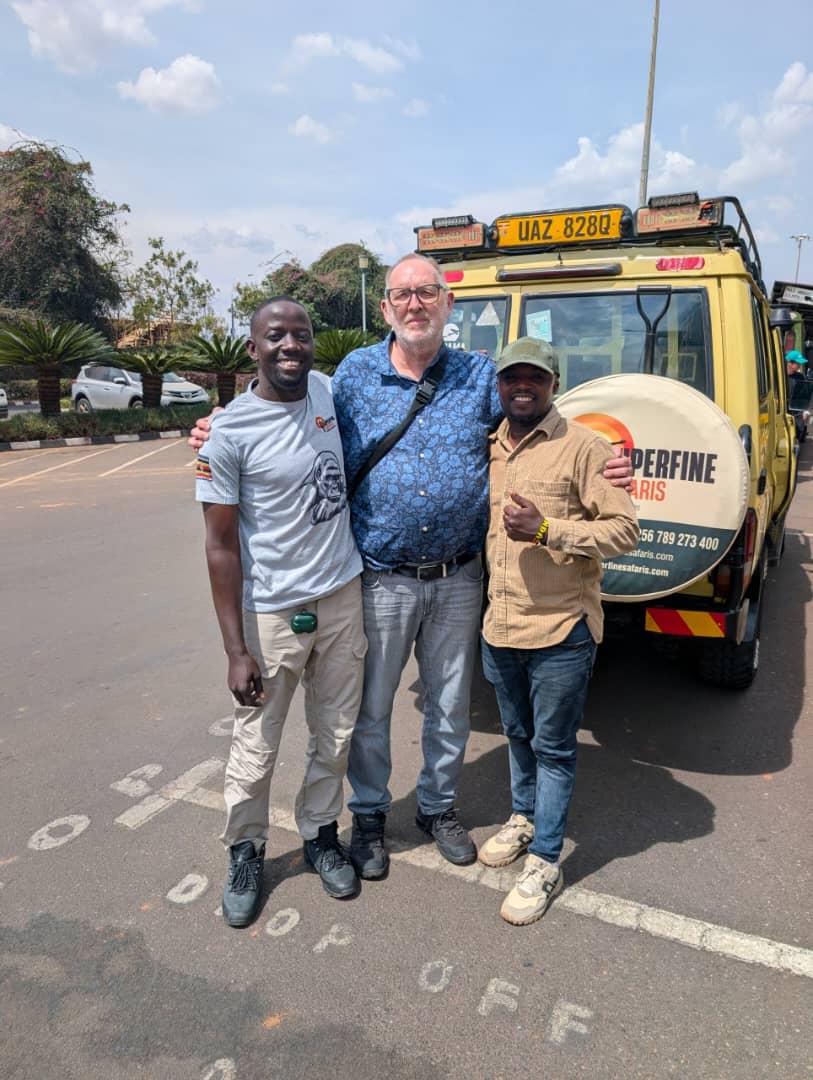
Ready for Uganda tour? here is a guide on driving tips in Uganda. To ensure a safe safari and road travel in Uganda, follow the following driving tips by Superfine Safaris Limited. Driving in Uganda is one of the best ways to explore the country’s national parks, scenic countryside, and cultural regions. For travelers planning a self-drive safari in Uganda or road travel between destinations, understanding local driving conditions is critical. These driving tips in Uganda are based on real safari operations experience from Superfine Safaris Limited, making them practical, reliable, and highly relevant for travelers.
Understanding Uganda’s Driving Environment
Firstly, it’s advisable to understand Uganda’s driving environment across the country. Road conditions in Uganda vary significantly depending on location. Major highways connecting cities are generally paved, while many rural and safari routes are gravel or dirt roads. Inside national parks, roads are often narrow, uneven, and affected by weather conditions.Anyone planning to drive in Uganda as a tourist should expect slower travel times and changing road surfaces, especially when moving between towns and wildlife areas.
Left-Hand Driving and Road Awareness
Uganda follows a left-hand driving system. Visitors unfamiliar with this should take extra care when joining traffic, navigating roundabouts, and overtaking. Maintaining awareness and driving deliberately helps reduce confusion, especially in busy towns. This is one of the most important rules for safe driving in Uganda, particularly for first-time visitors.
Choosing the Right Vehicle for Uganda
 From a safari operator’s perspective, vehicle choice directly affects road safety. For long-distance travel and national park access, four-wheel-drive vehicles with high ground clearance are the most reliable option. They handle potholes, slippery surfaces, and uneven tracks far better than standard cars. At Superfine Safaris Limited, we offer 4×4 vehicles for all safari and upcountry journeys, regardless of season.
Driving Behaviour on Ugandan Roads
Driving in Uganda involves sharing the road with many different users. Common hazards include pedestrians, livestock, bicycles, and motorcycles. Speed bumps are frequent near trading centers and may not always be clearly marked. Reducing speed and driving defensively are essential habits for safe road travel in Uganda.
Speed Limits and Traffic Enforcement in Uganda
Speed limits are enforced through police checkpoints and electronic monitoring, particularly on highways. Speeding increases accident risk and often results in fines. Within national parks, speed limits are strictly regulated to protect wildlife. Observing these limits is essential for anyone driving in Uganda national parks.
Navigating Motorcycles and Urban Traffic
Motorcycle taxis, commonly known as boda bodas, dominate urban and peri-urban transport. Their movement can be unpredictable, particularly in congested areas. Maintaining a safe following distance and avoiding sudden lane changes helps reduce risk when sharing the road with motorcycles.
Fuel Planning and Route Preparation
Fuel availability is reliable in cities and major towns but limited in remote areas and near national parks. Drivers should plan fuel stops in advance and avoid long stretches with low fuel levels. Before departing on a safari route, it is wise to confirm distances, road conditions, and estimated travel times, as journeys often take longer than expected.
Daytime Driving Is Strongly Recommended
From operational experience, daytime driving is far safer in Uganda. Night driving presents challenges such as poor visibility, unlit vehicles, pedestrians without reflective clothing, and animals on the road. Wildlife movement increases near parks after sunset, raising accident risk. For this reason, Superfine Safaris Limited plans all safari transfers and self-drive itineraries to conclude before dark.
Police Checkpoints and Documentation
Police checkpoints are common and routine across Uganda. Drivers should keep all necessary documents easily accessible, including driving permits and vehicle papers. Professional conduct and cooperation ensure smooth interactions and minimal delays.
Driving During Rainy Conditions
Rain significantly affects road conditions, particularly on gravel roads and park tracks. Slippery surfaces and reduced visibility require slower speeds and careful braking. Drivers should avoid attempting to cross flooded sections, as water depth and road stability can be difficult to judge.
Responsible Driving in National Parks
When driving inside protected areas, responsible behavior is essential. Staying on designated tracks, avoiding sudden stops near animals, and maintaining safe distances preserves both wildlife safety and the quality of the safari experience.
Quiet, patient driving often leads to better wildlife encounters than rushing through park routes.
Advice from Superfine Safaris Limited
As a safari operator, Superfine Safaris Limited emphasizes preparation, patience, and awareness. Driving in Uganda is not about speed, but about adapting to conditions, respecting local road use, and planning journeys carefully. With the right approach, road travel becomes an enjoyable part of the safari adventure.
Conclusively, driving in Uganda requires attentiveness, flexibility, and respect for local conditions. Whether on Uganda self drive safari or as part of a guided safari itinerary, understanding the driving tips in Uganda is essential or everyone planning a Uganda safari,
Contact Superfine Safaris Limited, for guided and affordable Uganda safari tours