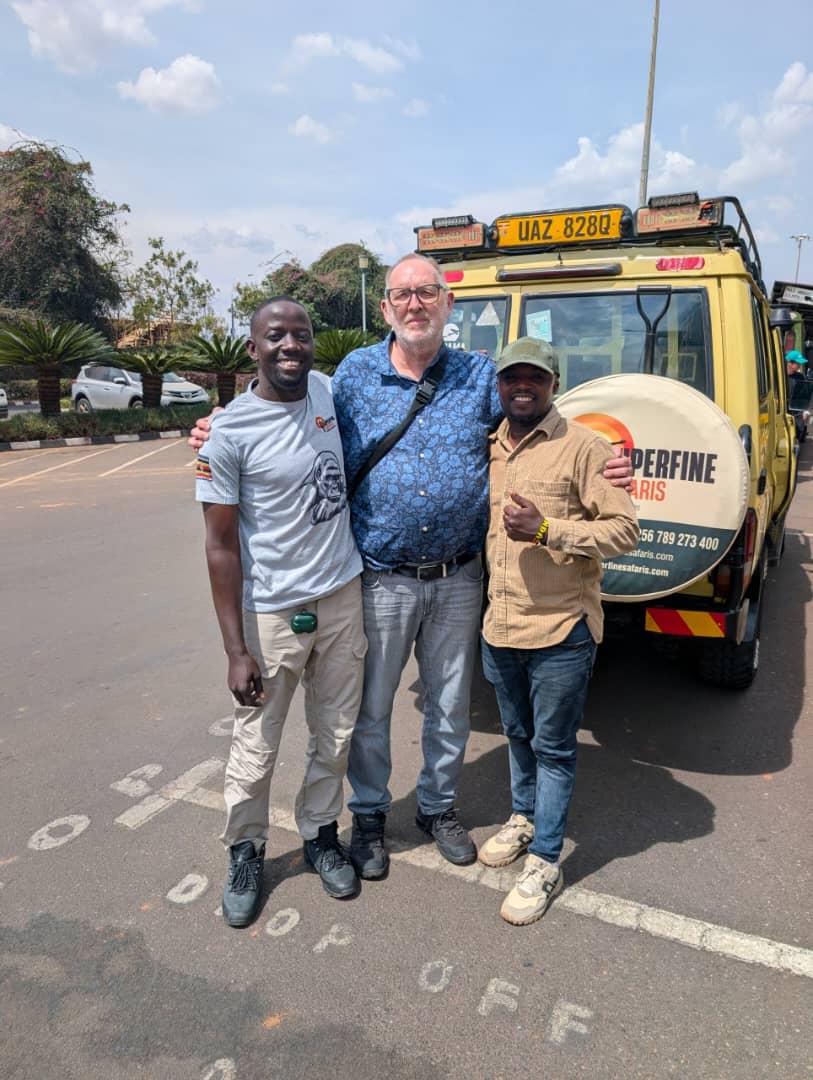
Uganda is widely known for its incredible wildlife, scenic landscapes, and adventure safaris. However, beyond the famous gorilla trekking experiences and open savanna national parks lies a vibrant cultural heritage that offers travelers a deeper connection to the country. Cultural encounter activities in Uganda provide visitors with an opportunity to interact with local communities, experience traditional lifestyles, and learn about the customs that shape the identity of the nation.
From traditional dances and storytelling to village walks and craft-making, Uganda’s cultural experiences allow travelers to see the country through the eyes of its people. These encounters not only enrich a safari but also support local communities and preserve cultural traditions.
- Community/Village Walks
One of the most authentic cultural activities in Uganda is a community village walk. This rare experience allows visitors to explore rural villages while interacting with residents of these villages. During these walks, travelers observe everyday life such as farming, food preparation, and traditional home building.
Villagers often demonstrate how they plant crops like bananas, coffee, and cassava. Guests may also learn how local dishes are prepared using traditional methods. The village walks create a relaxed environment where visitors can ask questions and understand how communities earn a living, and celebrate their traditions.
Village walks are commonly offered around several national parks, allowing travelers to combine wildlife safaris with meaningful cultural interactions.
- Traditional Dance and Music Performances
Music and dance are central to Ugandan culture. Almost every ethnic group has unique rhythms, instruments, and dance styles that reflect their history and beliefs. Cultural encounter programs frequently include performances by local dance groups who showcase traditional music using drums, flutes, and string instruments.
Visitors may watch energetic dances such as courtship dances, harvest celebrations, and warrior performances. In many cases, guests are invited to join the dancers and learn basic steps, creating a lively and memorable cultural exchange.
Traditional music performances also offer insight into storytelling, as songs often communicate historical events, moral lessons, and community values.
- Craft Making and Artisan Workshops
Uganda is home to talented artisans who produce beautiful handmade crafts using natural materials. Cultural encounters often include visits to craft workshops where travelers can observe artisans creating baskets, mats, pottery, jewelry, and wood carvings.
Many communities teach visitors the techniques used in traditional craft-making. Guests can try weaving baskets from banana fibers or shaping clay pots using age-old methods. These activities provide an appreciation for the skills passed down through generations.
Purchasing crafts directly from artisans also supports local economies and encourages the continuation of traditional craftsmanship.
- Traditional Food Experiences
Food plays an important role in cultural identity, and Uganda offers visitors the chance to explore local cuisine through cooking experiences. Cultural tours may include preparing traditional meals with local families.
Guests can learn how staple foods such as matooke (steamed green bananas), groundnut sauce, millet bread, and smoked fish are prepared. Cooking is often done using charcoal stoves and traditional utensils, giving visitors insight into authentic household practices.
Sharing a meal together is one of the most meaningful cultural exchanges, allowing travelers to connect with families and experience Ugandan hospitality firsthand.
- Cultural Museums and Heritage Centers
Cultural museums and heritage centers provide valuable insights into Uganda’s history and traditions. These centers preserve artifacts, musical instruments, clothing, and historical photographs that showcase the evolution of Ugandan societies.
Visitors can learn about ancient kingdoms, traditional leadership systems, and the cultural practices of different ethnic communities. Guides often explain the meaning behind ceremonial objects, traditional architecture, and royal customs.
These educational experiences help travelers understand the cultural diversity that defines Uganda.
- Coffee and Agricultural Experiences
Agriculture is the backbone of many Ugandan communities, and cultural encounters often include farm visits. Coffee tours are particularly popular, as Uganda is one of Africa’s leading coffee producers.
Visitors can walk through coffee gardens with farmers, learn how coffee beans are harvested, dried, roasted, and ground using traditional methods. The experience usually ends with tasting freshly prepared local coffee.
Farm visits may also include banana plantations and vegetable gardens, providing insight into sustainable farming practices used by local communities.
- Cultural Storytelling and Folklore
Storytelling has long been a way of passing knowledge and traditions from one generation to the next in Uganda. Cultural encounters sometimes include storytelling sessions led by elders who share legends, historical tales, and moral stories.
These stories often explain the origins of clans, wildlife legends, and lessons about community values such as respect, courage, and unity. Listening to these stories around a fire in the evening creates a memorable and immersive cultural experience.
- Cultural Festivals and Celebrations
Uganda hosts several cultural festivals throughout the year that celebrate music, dance, food, and traditional customs. These events bring together different communities to showcase their heritage.
During festivals, visitors can witness colorful traditional attire, cultural competitions, drumming performances, and local cuisine. Attending such events provides a vibrant and festive way to experience the diversity of Ugandan cultures.
- Homestay Cultural Experiences
For travelers seeking deeper cultural immersion, homestay experiences offer the chance to live with local families for a short period. Guests participate in everyday activities such as farming, cooking, and attending community gatherings.
Homestays provide an authentic understanding of Ugandan life and allow meaningful interactions with hosts. These experiences often create lasting memories and friendships between travelers and local communities.
The Importance of Cultural Tourism
Cultural encounter activities play a vital role in promoting sustainable tourism in Uganda. By participating in these experiences, travelers contribute directly to community development. Many cultural programs support education, healthcare, and local conservation initiatives.
Cultural tourism also helps preserve traditions by creating economic value for cultural heritage. Younger generations become more motivated to learn traditional skills when they see their cultural knowledge appreciated by visitors.
Conclusion
Uganda’s cultural encounter activities offer travelers a unique opportunity to explore the country beyond wildlife safaris. Through village visits, music and dance performances, craft workshops, traditional cooking, and storytelling, visitors gain a deeper understanding of Uganda’s diverse cultures.
These experiences create meaningful connections between travelers and local communities while supporting cultural preservation and sustainable tourism. For anyone visiting Uganda, including cultural encounters in a travel itinerary adds depth, authenticity, and unforgettable memories to the journey.