
Details of the disance and drive time between Tanzania’s top travel destinations, distance between Tanzania’s National Park with Superfine Safaris Limited. Located in East Africa. Tanzania is one of Africa’s most spectacular safari destinations, famous for its vast national parks, incredible wildebeest migrations, and breathtaking landscapes. Most travelers on Tanzania safaris travel by road during safari tours hence understanding of the driving distances and travel times between Tanzania’s top travel destinations is crucial. Most Tanzania safaris begin in Arusha, the main gateway to the famous Northern Safari Circuit.
From Arusha, travelers can easily connect to Tanzania’s most iconic national parks including Tarangire National Park, Lake Manyara National Park, Ngorongoro Conservation Area, and Serengeti National Park among others. Guide to the distances and driving times between Tanzania’s top travel destinations.
Distance and Drive Time
Arusha to Tarangire National Park
Concerning approximately 120 km lasting for between 2-2.5 hours drive, the journey from Arusha to Tarangire National Park is one of the shortest safaris drives in northern Tanzania. The road is mostly paved until the park entrance, after which it becomes a murram road. Tarangire is famous for its large elephant herds, ancient baobab trees, and seasonal wildlife migrations during the dry season.
Arusha to Lake Manyara National Park
The drive from Arusha to Lake Manyara National Park is another relatively short journey covering approximately 125 km lasting 2-2.5hours. The route passes through the lively town of Mto wa Mbu, a cultural melting pot where travelers often stop for local tours. Lake Manyara National Park is famous for tree-climbing lions, flamingos along the lakeshore, dense groundwater forests and large populations of baboons
Arusha to Ngorongoro Conservation Area
The distance from Arusha to Ngorongoro Conservation Area is approximately 190km lasting for between 3.5 hours. This transfer passes through scenic highlands and coffee farms. Ngorongoro is home to the famous Ngorongoro Crater, the world’s largest intact volcanic caldera and one of Africa’s best wildlife viewing locations. Visitors can expect to see lions, elephants, buffaloes, rhinos, and many other species inside the crater.
Arusha to Serengeti National Park
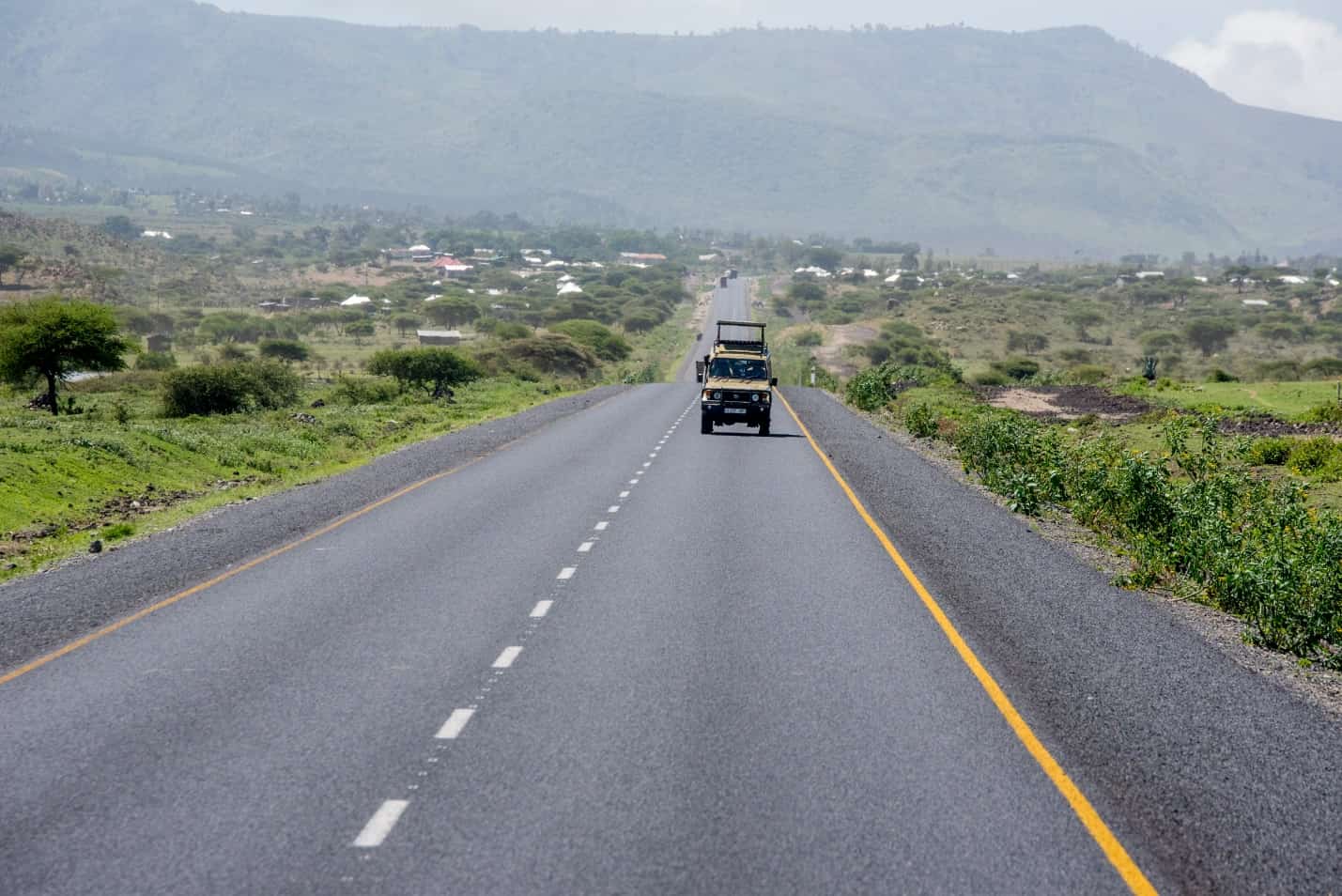 The drive from Arusha to Serengeti National Park is longer but incredibly scenic covering 325 km lasting for between 6-7 hours. Most safari routes pass through the Ngorongoro highlands before descending into the vast plains of the Serengeti. The park is famous for great Wildebeest Migration, huge lion populations, endless savannah landscape and exceptional predator sightings. Due to the distance, many safari itineraries include a stopover in Ngorongoro or Lake Manyara along the way.
Ngorongoro Conservation Area to Serengeti National Park
The journey from Ngorongoro Conservation Area to Serengeti National Park is approximately 145 km lasting 3-4 hours taking travelers through beautiful highland landscapes before entering the Serengeti plains. Many travelers enjoy spectacular wildlife sightings along this route, as animals are frequently seen along the park roads.
Lake Manyara to Ngorongoro Crater
The distance from Lake Manyara to Ngorongoro crater is a shot but steep transfer covering 60 km lasting for between 1-1.5 hours. The transfer involves climbing the escarpment into the Ngorongoro highlands. Travelers are rewarded with breathtaking views of the crater rim and surrounding landscapes.
Tarangire National Park to Lake Manyara National Park
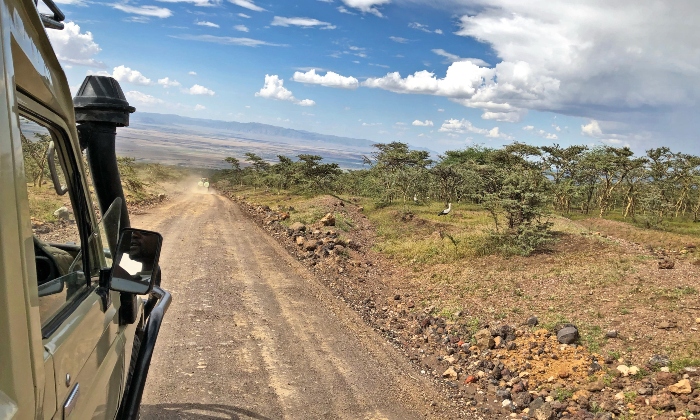
The road between Tarangire National Park and Lake Manyara National Park passes through rural villages and open countryside covering approximately 70 km taking between 1-2 hours pf driving. This route is commonly used in multi-day safari itineraries that explore several parks in Tanzania’s northern circuit
Serengeti National Park to Mwanza
Covering approximately 150 km taking between 3-4 hours, the transfer from Serengeti National Park to Mwanza city on the shores of Lake Victoria is yet another interesting transfer This route is often used by travelers combining wildlife safari experiences with visits to the western lake region.
Tips for Driving Between Tanzania’s Safari Destinations
Traveling between parks in Tanzania requires proper planning and here are some useful tips:
- Use a 4×4 safari vehicle since many park roads are rough or unpaved
- Start long drives early in the morning
- Carry drinking water and snacks for long journeys
- Allow extra time for wildlife sightings along the road
- Follow park speed limits and safety guidelines
Top 5 Safari Destinations in Tanzania
Tanzania is home to some of the most spectacular wildlife areas on the continent, where vast landscapes support enormous populations of animals. From open savannahs filled with migrating wildebeest to volcanic craters rich with wildlife, Tanzania offers a safari experience that is both diverse and unforgettable. Many of the country’s protected areas are among the most important ecosystems in Africa and provide habitat for the famous Big Five: lions, elephants, leopards, buffalo, and rhinos.
Here are the top five safari destinations in Tanzania that offer some of the best wildlife experiences in Africa.
Serengeti National Park
Famous for its legendary wildlife plains, Serengeti National Park is one of the most famous safari destinations in the world. The park stretches across vast grasslands in northern Tanzania and forms part of a large ecosystem that also extends into neighbouring Kenya. The Serengeti landscape is characterized by wide open plains, scattered acacia trees, rocky outcrops known as kopjes, and seasonal rivers. These habitats support an incredible variety of wildlife and make the park one of the best places on earth for safari game drives.
One of the park’s most remarkable natural events is the Great Migration, when huge herds of wildebeest, zebras, and gazelles move across the plains in search of fresh grazing. This migration attracts predators such as lions, cheetahs, and hyenas, creating dramatic wildlife encounters. The common wildlife in Serengeti National Park is Lions, Elephants, Leopards, Cheetahs, Giraffes, Zebras, Wildebeest, Hyenas, and Wildebeest among others
The park also offers unforgettable sunrise game drives, hot air balloon safaris, cultural tours and walking experiences
Ngorongoro Conservation Area – Africa’s Natural Wildlife Crater
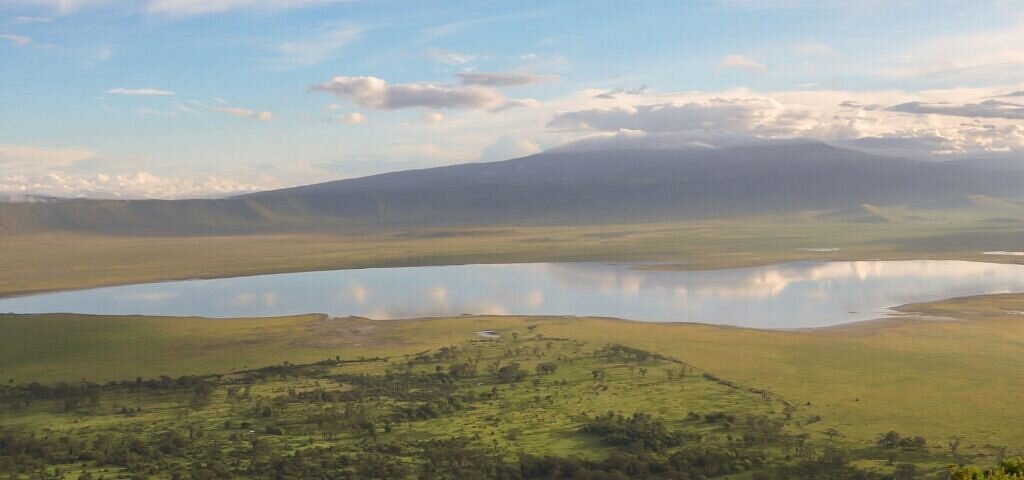 The Ngorongoro Conservation Area is one of Tanzania’s most unique safari locations. At the center of this protected area lies the Ngorongoro Crater, a massive volcanic caldera formed millions of years ago when a giant volcano collapsed. Today the crater forms a natural wildlife sanctuary with grasslands, forests, swamps, and a soda lake at its center. Because the crater walls create a natural boundary, wildlife remains within the area throughout the year, making it one of the best places in Africa to observe animals in a relatively small space.
Visitors descending into the crater often encounter a wide range of animals during a single game drive. Large herds of grazing animals roam the grasslands while predators patrol the area. Common Wild animals in Ngorongoro Conservation Area include Lions, African Buffalos, Zebras, Hippos, Wildebeests, and Elephants
The conservation area is also culturally significant because it is home to Maasai communities who continue to live traditional pastoral lifestyles within the region.
Nearby lies Olduvai Gorge, one of the most important archaeological sites in Africa where early human fossils were discovered.
Tarangire National Park – The Land of Elephants and Baobabs
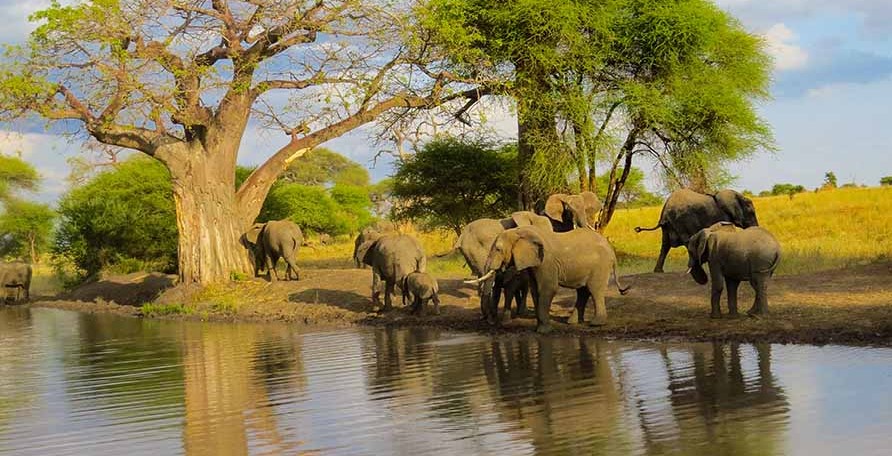 Tarangire National Park is often described as one of Tanzania’s most underrated safari destinations. Located in northern Tanzania, the park is known for its distinctive landscapes and large elephant populations. The park is dominated by the Tarangire River, which serves as an important water source for wildlife during the dry season. When water becomes scarce in surrounding areas, animals migrate into the park, creating impressive concentrations of wildlife.
One of the most striking features of Tarangire is the presence of ancient baobab trees, which tower above the savannah and give the park its unique appearance. Animals seen include large elephant herds Giraffes, Lions, Zebras, Buffalo and Antelope species. Tarangire is also an excellent destination for birdwatching, with hundreds of bird species recorded within the park.
Nyerere National Park – Tanzania’s Remote Safari Wilderness
Nyerere National Park is one of the largest wildlife conservation areas in Africa and offers a very different safari experience compared to the northern parks of Tanzania. Located in southern Tanzania, the park features a mixture of rivers, wetlands, forests, and open plains. The lifeline of the park is the Rufiji River, which supports a rich ecosystem of animals and birdlife.
The fewer visits to the park compared to other parks in the northern safari circuit have kept the park natural offering a quieter and more remote wilderness experience. The popular activities in the park include boat safaris along the river, guided walking safaris and game drives. Wildlife that can be seen in the park includes elephants, lions, hippos, crocodiles, buffalo, and the endangered African wild dog.
Ruaha National Park – A Hidden Gem for Wildlife Safaris
Ruaha National Park is Tanzania’s largest national park and one of the country’s least explored safari destinations. Located in central Tanzania, the park offers dramatic landscapes and excellent wildlife viewing opportunities. The park is named after the Great Ruaha River, which flows through the area and attracts wildlife during the dry season. Along the riverbanks, animals gather to drink, making it an excellent location for observing wildlife activity.
Ruaha is particularly famous for its large lion population. The park is also home to several rare species of antelope and a wide range of birdlife. Animals that can be seen in Ruaha include Lions, Leopards, Elephants, Cheetahs, Buffalo, Sable antelopes and Roan antelopes among others. Because Ruaha is more remote than many other safari destinations, visitors can enjoy a peaceful safari experience with fewer vehicles and a strong sense of wilderness.
Conclusively, Tanzania remains one of the” MUST” visited National Parks on your East African safari. Contact us at Superfine Safaris Limited for a customized Tanzania safari