
An East African safari cost ranges between USD 150 and USD 1,500 per person per day, depending on the country, accommodation standard, group size and whether primate permits are involved. A budget camping trip through Uganda and a luxury tented lodge circuit in Kenya really do sit at opposite ends of it. This guide breaks down every component, gives real numbers for Uganda, Kenya, Tanzania and Rwanda, and shows you what those numbers actually look like when they are added up into a real itinerary.
The Five Things That Actually Determine the East African Safari Cost
Most of the variation across safari quotes comes down to five factors. Get these clear and you can read any quote critically, compare two options properly, and know immediately which line items are fixed and which have room to move.
1. Park fees
Park entry fees are the key inclusions in your East African safari cost. The entrance fees go directly to the national parks and cannot be reduced by any operator. They vary enormously by country. Kenya’s Masai Mara charges USD 200 per person per day. Tanzania’s Serengeti is USD 70. Uganda’s Queen Elizabeth National Park is USD 40. On a four-night Masai Mara trip for two people, park fees alone reach USD 1,600 — before the first night of accommodation is counted.
2. Accommodation standard
This is the single biggest cost variable on any safari. A well-positioned budget camp costs USD 80–150 per person per night. A mid-range lodge with private game drives runs USD 200–400. A luxury tented camp with a butler, private plunge pool and all-inclusive rates runs USD 500–1,500. The experience gap is real at every tier, but the mathematical gap is what shapes your total trip cost.
3. Primate permits
If you are trekking gorillas or chimpanzees, the permit is a fixed cost that is separate from accommodation and often excluded from lodge quotes. Uganda’s gorilla permit is USD 800 per person. Rwanda’s is USD 1,500. These are not negotiable. A couple trekking gorillas in Rwanda adds USD 3,000 in permit costs before anything else is counted.
4. Group size
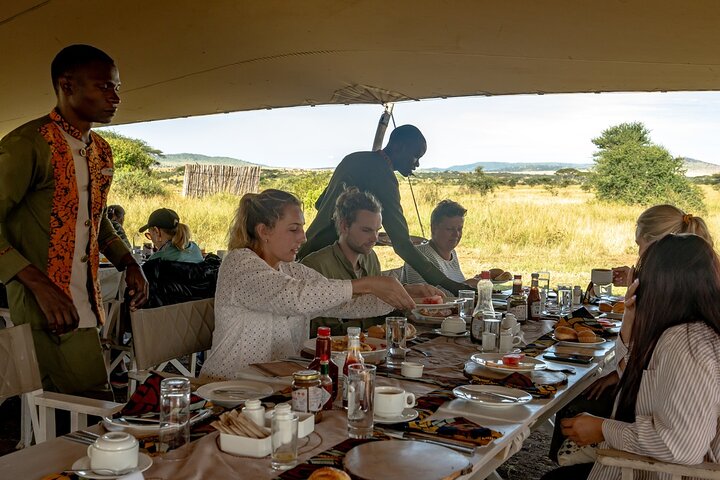
A private safari vehicle costs the same whether it carries two people or six. Splitting that cost across four people rather than two roughly halves the per-person vehicle expense. Solo travellers and couples pay the most per person; groups of four to six get the best per-person value from private itineraries.
5. Season
Most lodges charge peak supplements of 20–40% for July–August and December–January. The same room in April or October can cost significantly less. The wildlife does not disappear in low season — it just costs less to see it.
Park Fees by Country: The Numbers
Kenya
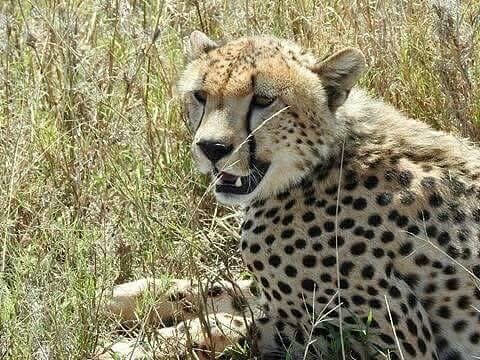
Kenya has the highest park fees in East Africa. The Masai Mara National Reserve charges USD 200 per person per day for non-resident adults. Private conservancies on the Mara’s borders — Olare Motorogi, Naboisho, Mara North — add a conservancy fee of USD 120–150 per person per night on top. Amboseli National Park charges USD 90 per person per day. A six-night Kenya itinerary covering the Mara (four nights) and Amboseli (two nights) generates roughly USD 980 per person in park fees before accommodation is included.
Tanzania
The Serengeti costs USD 70 per person per day entry plus a vehicle fee of USD 40 per day. Ngorongoro Crater adds USD 70 per person per day for the conservation area on top of a separate crater descent fee of USD 200 per vehicle per visit. Tarangire National Park is USD 50 per person per day. A standard six-day northern Tanzania circuit typically generates USD 700–900 per person in park fees.
Uganda
Uganda is the most affordable national park destination in East Africa for entry fees. Bwindi Impenetrable National Park charges USD 50 per person per day (separate from the gorilla permit). Queen Elizabeth National Park and Murchison Falls are both USD 40 per person per day. A six-day Uganda itinerary without primate permits carries around USD 240–300 per person in park fees.

Rwanda
Volcanoes National Park entry is USD 100 per person per day. Akagera National Park charges USD 40. Nyungwe Forest charges USD 40 for general park entry, with primate trekking permits additional. Rwanda’s park fees are moderate; it is the gorilla permit that makes Rwanda the most expensive primate destination in Africa.
Accommodation: What Each Category Actually Looks Like
Budget (USD 80–150 pp/night)
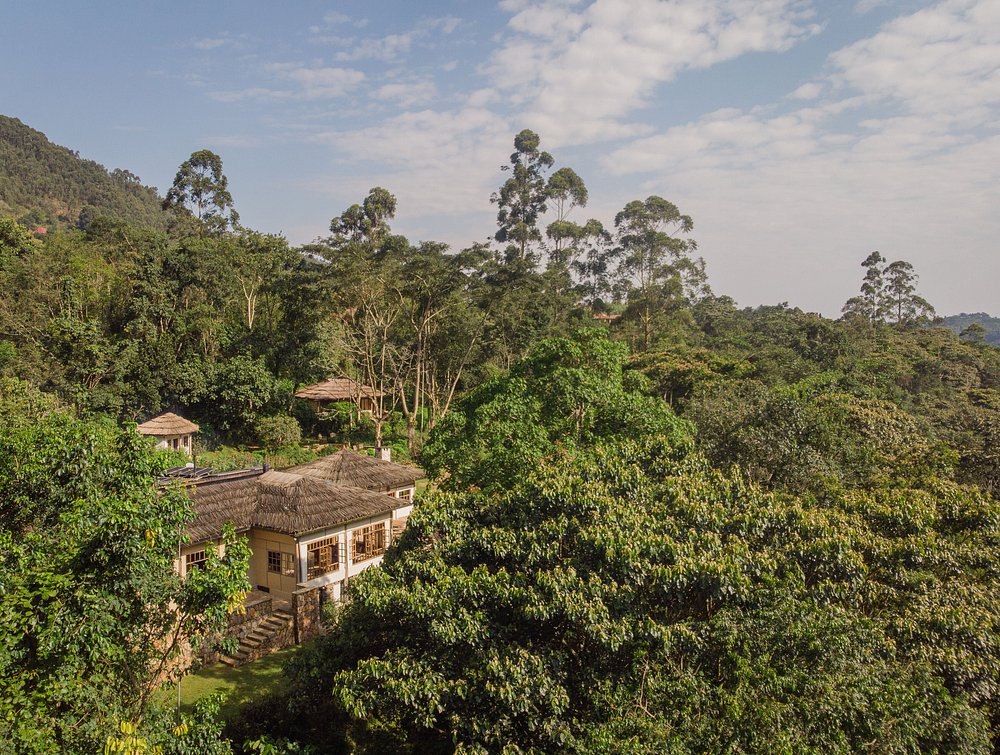
Basic tented camps or guesthouses inside or near park boundaries. Private en suite tents or rooms, communal dining, standard meals. Game drives are usually arranged separately and shared with other guests. You are well-located and comfortable — this is not camping in the wild sense — but the service and guiding are functional rather than exceptional. These camps suit travellers for whom the wildlife matters more than the lodge, and who are content to manage more of the logistics themselves.
Mid-Range (USD 200–400 pp/night)
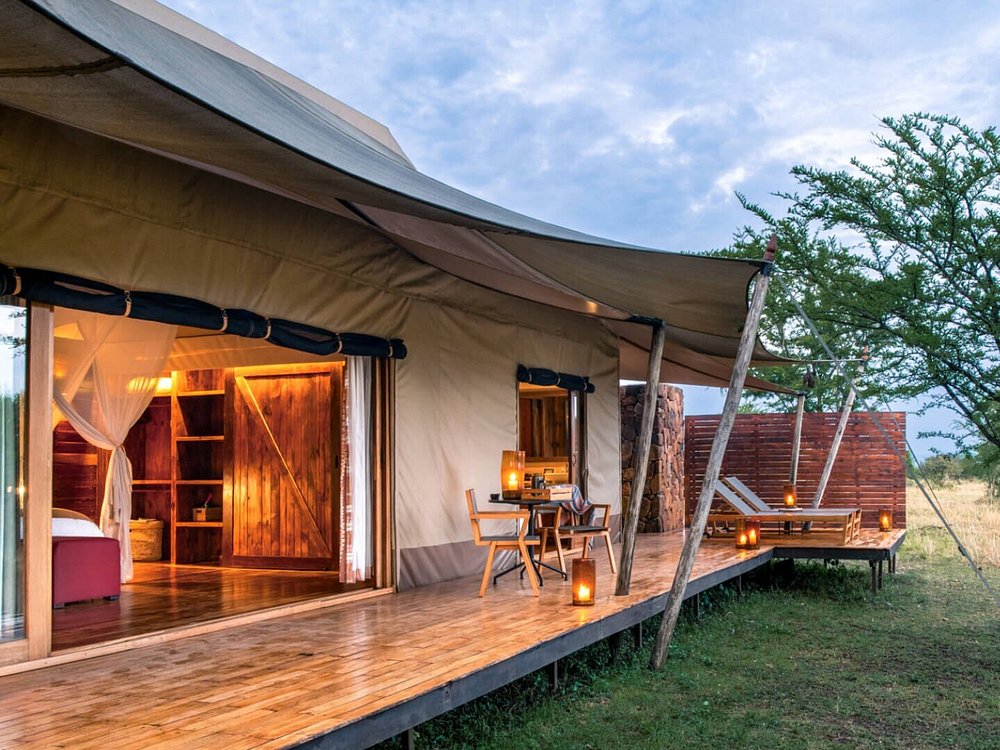
The most widely occupied tier. Proper tented lodges or chalets, en suite facilities, full-board meals, a private vehicle with a dedicated guide for your group, and usually a swimming pool. Examples include Keekorok Lodge in the Masai Mara, Tarangire Sopa Lodge in Tanzania, Ruzizi Tented Lodge in Akagera, and the well-regarded mid-range options near Bwindi. At this level you are getting an authentic, attentive safari experience with reliable guiding and no need to share game drives with strangers.
Luxury (USD 500–1,500+ pp/night)
All-inclusive rates covering game activities, meals, drinks, park fees and transfers. Private vehicles. Camps of eight to twenty guests maximum. Exceptional guiding, often in exclusive-use wildlife concessions that see very few other vehicles. The experience is seamless: you arrive and everything is arranged. Examples include Singita Grumeti in the Serengeti, Angama Mara in Kenya, Magashi Camp in Akagera and One&Only Gorilla’s Nest in Rwanda. At this level the difference is not just comfort — it is access, exclusivity and the quality of the wildlife encounters themselves.
Gorilla and Chimpanzee Permits: The Fixed Costs
Primate permits are booked in advance, non-refundable, and typically excluded from lodge quotes unless the operator specifies otherwise. These are the numbers:
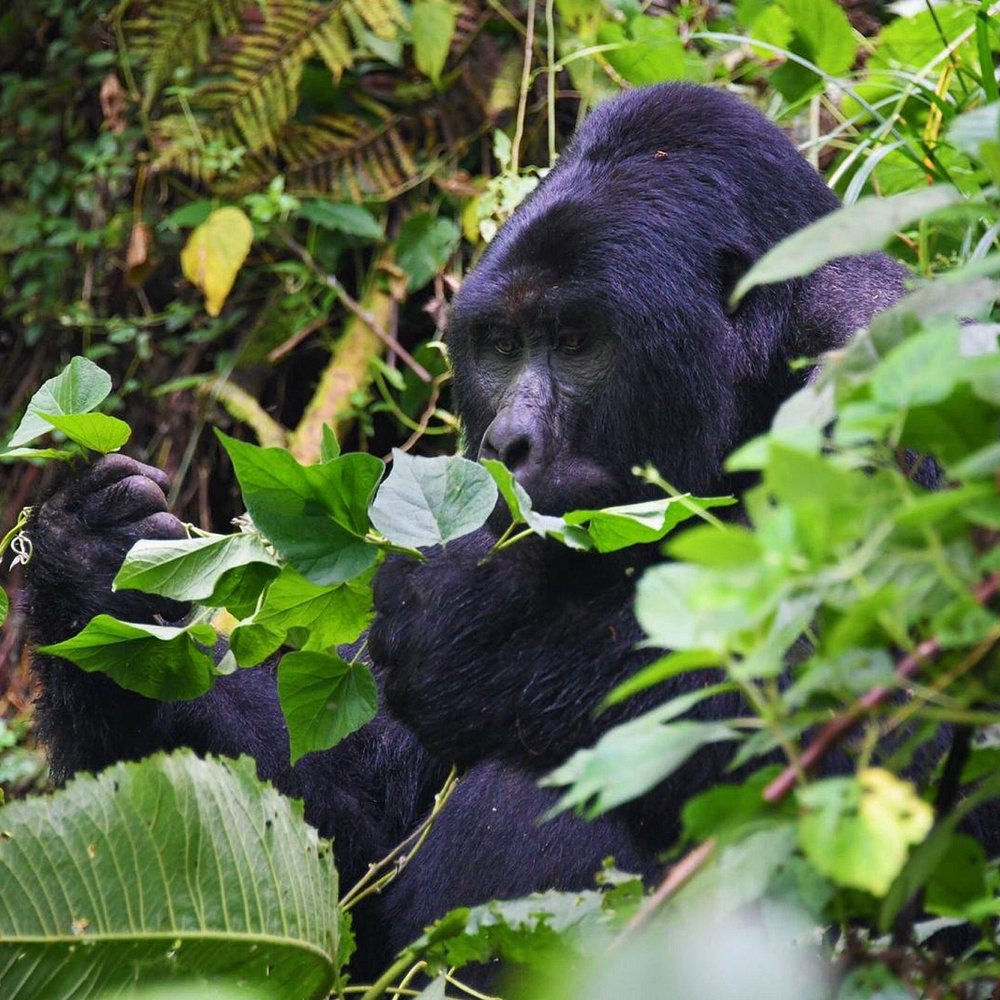
- Rwanda gorilla trekking permit: USD 1,500 per person. One hour with a habituated gorilla family in Volcanoes National Park.
- Uganda gorilla trekking permit: USD 800 per person. Standard gorilla trek in Bwindi or Mgahinga.
- Uganda gorilla habituation permit: USD 1,500 per person. A four-hour experience with a gorilla family mid-habituation — fewer trekkers, longer time, more intimate.
- Uganda chimpanzee trekking permit: USD 250 per person in Kibale Forest.
- Uganda chimpanzee habituation: USD 250 per person for a full day with a wild chimpanzee group.
- Rwanda chimpanzee permit (Nyungwe): USD 150 per person.
- Rwanda golden monkey permit: USD 100 per person, Volcanoes National Park.
- Rwanda colobus trekking permit: USD 100 per person, Nyungwe Forest.
The comparison between Uganda and Rwanda for gorilla trekking comes up constantly. The permit in Uganda is USD 700 less per person. For a couple, that is USD 1,400 saved on permits alone. The trek itself is broadly comparable — both offer habituated families in dense mountain forest, both last around one hour. Uganda’s trek tends to involve more walking; Rwanda’s is shorter and the surrounding infrastructure is easier. For most travellers the permit saving is the decisive factor.
Transport and Flights
International flights
No safari operator includes international flights in their ground cost quotes unless they specifically say so. Return flights from London to Nairobi, Entebbe or Kigali range from USD 600–1,200 economy and USD 2,500–5,000 business, depending on season and airline. Booking four to six months ahead gives the best economy fares. July and August push prices 20–40% above the annual baseline.
Internal flights within East Africa
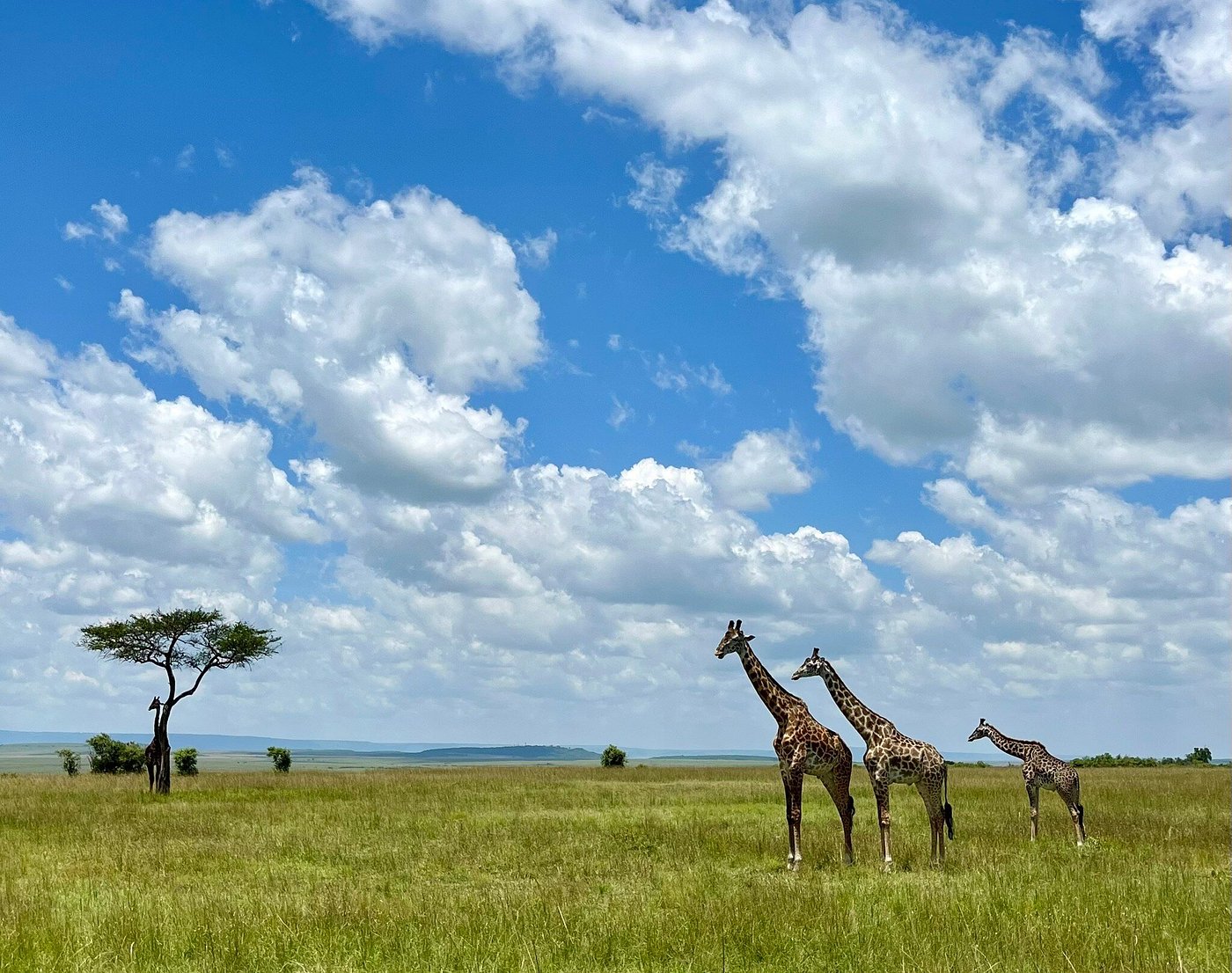
Charter and scheduled services connect the major safari destinations efficiently. Nairobi to Masai Mara takes 45 minutes and costs USD 180–300 one way. Arusha to Serengeti is 45–60 minutes at USD 150–250 one way. Entebbe to Kihihi (the main airstrip for Bwindi) is around USD 250–350 one way. Internal flights add substantially to costs but eliminate multi-hour road transfers, which matters particularly on 7–10 day itineraries where you want maximum time in the parks.
Overland safari vehicle
A private 4×4 with a driver-guide for the duration of an overland itinerary typically costs USD 150–250 per vehicle per day, inclusive of fuel and driver accommodation. This is usually included in operator quotes. For two people sharing, the vehicle component adds USD 75–125 per person per day. For four people, USD 38–63.
Real Itinerary Cost Examples
5-Day Uganda Budget Safari (Bwindi + Queen Elizabeth)
| Cost Item | Per Person (2 pax) |
|---|---|
| Gorilla trekking permit | USD 800 |
| 4 nights budget accommodation | USD 400 |
| Private vehicle & guide (5 days) | USD 500 |
| Park fees (Bwindi + Queen Elizabeth) | USD 200 |
| Meals outside lodge | USD 100 |
| Total (excluding international flights) | ~USD 2,000 |
7-Day Kenya Mid-Range Safari (Masai Mara + Amboseli)
| Cost Item | Per Person (2 pax) |
|---|---|
| 6 nights mid-range lodge (full board) | USD 1,500 |
| Masai Mara park fees (4 days) | USD 800 |
| Amboseli park fees (2 days) | USD 180 |
| Private vehicle & guide (7 days) | USD 700 |
| Airport transfers Nairobi | USD 80 |
| Total (excluding international flights) | ~USD 3,260 |
10-Day Rwanda Luxury Circuit (Volcanoes + Nyungwe + Akagera)
| Cost Item | Per Person (2 pax) |
|---|---|
| Rwanda gorilla trekking permit | USD 1,500 |
| Chimp & colobus permits (Nyungwe) | USD 250 |
| 9 nights luxury lodges (all inclusive) | USD 5,400 |
| Park fees (Volcanoes, Nyungwe, Akagera) | USD 560 |
| Private vehicle & guide (10 days) | USD 900 |
| Total (excluding international flights) | ~USD 8,610 |
What Is and Is Not in a Safari Quote
Two quotes for what looks like the same five-day trip can differ by USD 3,000 and both be honest. The difference is usually in what each one includes. Here is the standard split:
Typically included: accommodation on the nights shown, all meals at the lodge (full-board), game drives specified in the itinerary, a private vehicle with driver-guide, park entry fees for the parks listed, bottled water during drives, airport transfers between named points in the itinerary.
Typically excluded: international airfares, travel and medical evacuation insurance, visa fees, gorilla and chimpanzee permits (unless stated), alcoholic beverages, tips for guides and camp staff, optional activities not in the itinerary (balloon safaris, community visits, canopy walks), laundry, and personal items.
Gorilla permits are the most common hidden gap. A five-day Uganda itinerary priced at USD 2,500 per person may not include the USD 800 gorilla permit. Confirm in writing before you compare quotes.
Six Ways to Pay Less Without Seeing Less
- Go in shoulder season. June (before the July rush) and September (after it) offer dry conditions at rates below peak. February in Tanzania coincides with wildebeest calving and is chronically underpriced.
- Travel in a four. Two couples sharing a private vehicle cut the per-person vehicle cost roughly in half compared to two people. The single most effective lever for reducing ground costs on a private itinerary.
- Choose Uganda over Rwanda for gorillas. USD 800 versus USD 1,500. For a couple, that is USD 1,400 in savings on permits alone, without any meaningful difference in the encounter itself.
- Combine neighbouring countries by road. A Uganda–Rwanda itinerary via the Cyanika border crossing avoids the cost of two separate sets of internal flights. The drive from Kigali to Bwindi is around three hours.
- Book accommodation three to six months out. Many lodges offer early-booking discounts of 10–15%. Permits for gorilla trekking do not change in price but have limited allocations — early booking secures the dates you want.
- Read the inclusions carefully. A quote that covers all park fees, all game drives and full-board meals is often better value than a lower number that excludes several of these. Total in-destination cost is the right comparison, not the headline rate.
Frequently Asked Questions
What does an East African safari cost on average?
At mid-range (the most common standard for independent travellers), ground costs in East Africa run USD 300–500 per person per day. A seven-day mid-range safari for two people typically totals USD 4,000–7,000 per person in ground costs, excluding international flights. Adding gorilla trekking in Uganda adds USD 800 per person; in Rwanda, USD 1,500.
Which East African country is cheapest for a safari?
Uganda offers the lowest park fees and the most affordable accommodation spectrum of the four major safari destinations. It is also the cheapest country for gorilla trekking by permit price. Tanzania’s Serengeti is more affordable than Kenya’s Masai Mara for park fees. Rwanda is the most expensive overall due to the gorilla permit cost, but it offers a compact, high-quality experience with short driving distances between parks.
Is it cheaper to book a safari independently or through an operator?
An independent approach — booking lodges, permits and transfers separately — is technically possible but carries real logistical risk, especially for gorilla permits where the allocation is limited and demand is high. A specialist operator adds a margin (typically 15–25% of ground costs) but also handles permit allocation, lodge relationships and in-country support. For most travellers, particularly on primate itineraries, the operator margin represents genuine value rather than a markup on a commodity service.
What is the cheapest month for an East Africa safari?
March to May (the long rains) consistently offers the lowest lodge rates, often 20–40% below peak pricing. Road conditions in forest parks can be difficult and some remote camps close. For travellers flexible on conditions, April in Uganda and Rwanda offers excellent value. October is a quieter, lower-rate alternative with generally good wildlife conditions across all four countries.
Superfine Safaris builds fully itemised itineraries across Uganda, Kenya, Tanzania and Rwanda — permits, park fees, accommodation and transfers all specified upfront with no hidden costs. Contact us for a tailored quote based on your dates, group size and interests.
Plan Your Safari Budget
- ✓ Uganda, Kenya, Tanzania & Rwanda
- ✓ Budget, mid-range & luxury options
- ✓ Gorilla & chimp permits handled
- ✓ All park fees included upfront
- ✓ No surprise costs
Key Cost Benchmarks
| Budget/day | USD 150–250 pp |
| Mid-range/day | USD 300–500 pp |
| Luxury/day | USD 600–1,500+ pp |
| Uganda gorilla permit | USD 800 pp |
| Rwanda gorilla permit | USD 1,500 pp |
| Masai Mara park fee | USD 200 pp/day |
| Serengeti park fee | USD 70 pp/day |