
The northern Serengeti is the most dramatic and rewarding zone in Tanzania’s Serengeti National Park, and one of the greatest wildlife destinations on earth. Stretching from the Lobo hills north to the Kenya border at the Mara River, this remote and relatively uncrowded section of the Serengeti is where the wildebeest migration reaches its most spectacular moment on the Tanzania side — the Mara River crossings that draw hundreds of thousands of animals to crocodile-filled water between July and October. Away from the migration months, the northern Serengeti is home to one of the highest concentrations of resident wildlife in the entire park — large lion prides, leopard in the riverine woodland, elephant moving across the open hills and the permanent game circuits of the Lobo and Lamai areas. This guide covers everything you need to plan a northern Serengeti safari.

Where Is the Northern Serengeti?
The northern Serengeti covers the uppermost section of Serengeti National Park, roughly north of the Lobo Wildlife Lodge and extending to the Kenyan border at the Mara River. The two main zones are Lobo — a granite-kopje landscape of rolling hills centred on the established Lobo Wildlife Lodge — and Kogatende, the zone immediately beside the Mara River that becomes the migration’s focal point between July and October. The Lamai Wedge is a section of territory between the Mara River and the Kenyan border, accessible from the northern Serengeti and holding some of the best migration viewing positions on the Tanzania side.
The northern Serengeti is approximately 120 kilometres north of Seronera — the central Serengeti hub — which translates to a three- to four-hour drive on park tracks, or a 20-minute domestic flight to Kogatende airstrip from Seronera. Most guests who visit the northern Serengeti fly in from Arusha directly (approximately 75 minutes) or fly from another Serengeti airstrip. For the drive times between Tanzania’s safari destinations, see our Tanzania drive times guide. For the broader context of how the northern Serengeti fits into a full Tanzania safari, see our Tanzania safari itinerary guide.
Wildlife in the Northern Serengeti
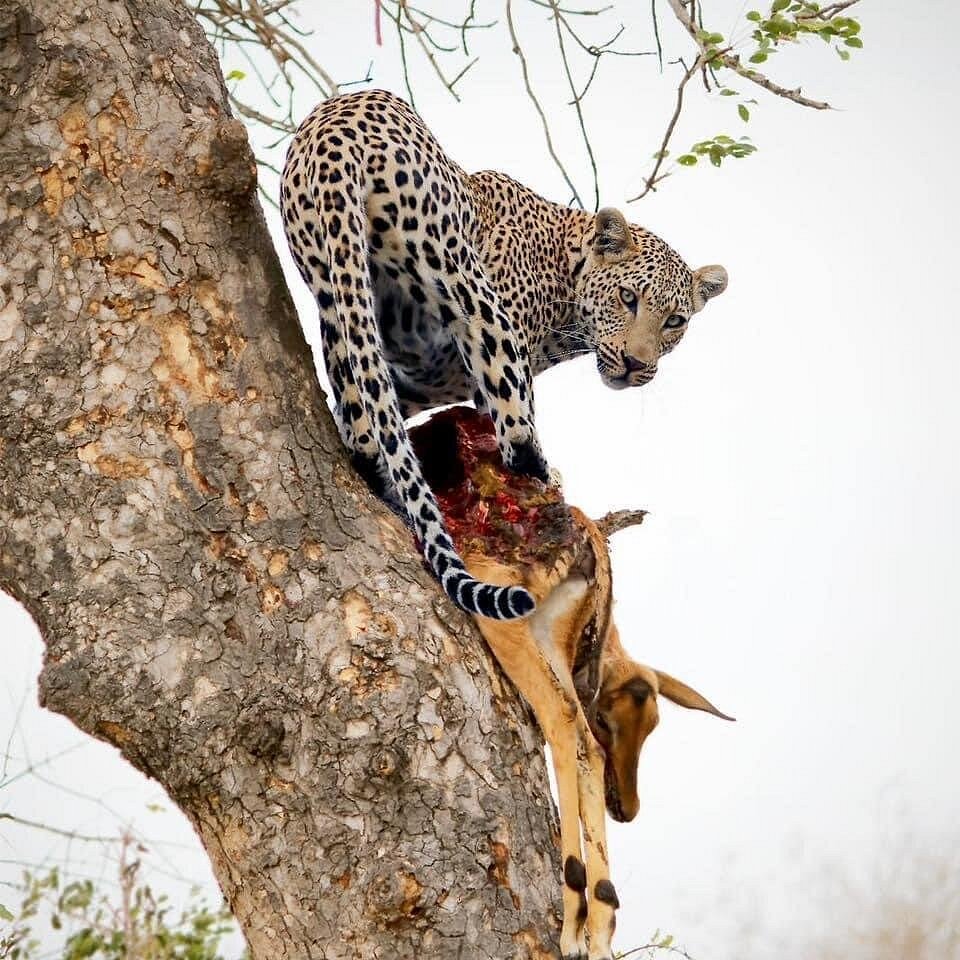
The northern Serengeti holds excellent resident wildlife populations year-round, entirely independent of the wildebeest migration. The Lobo hills are one of the best areas in the entire Serengeti for lion — several large prides maintain permanent territories in this zone, and the granite kopjes provide resting sites that make pride sightings reliable. The northern Serengeti also holds a strong leopard population, with the riverine forest along the Mara River and its tributaries providing ideal habitat. Leopard are found in the fig and sausage trees along the river banks and are regularly spotted on late afternoon drives.
Elephant are present in large numbers throughout the northern Serengeti, particularly concentrated in the Lobo area where they move between the hills and the river. The northern Serengeti holds some of the largest elephant bulls in the ecosystem — tuskers that spend much of the year in the more remote northern zones away from the higher vehicle numbers of the central Serengeti. Buffalo herds of several hundred animals are a common sight on the open plains, and giraffe, topi, eland and large populations of zebra and wildebeest are present year-round as resident animals, separate from the migrating herds.
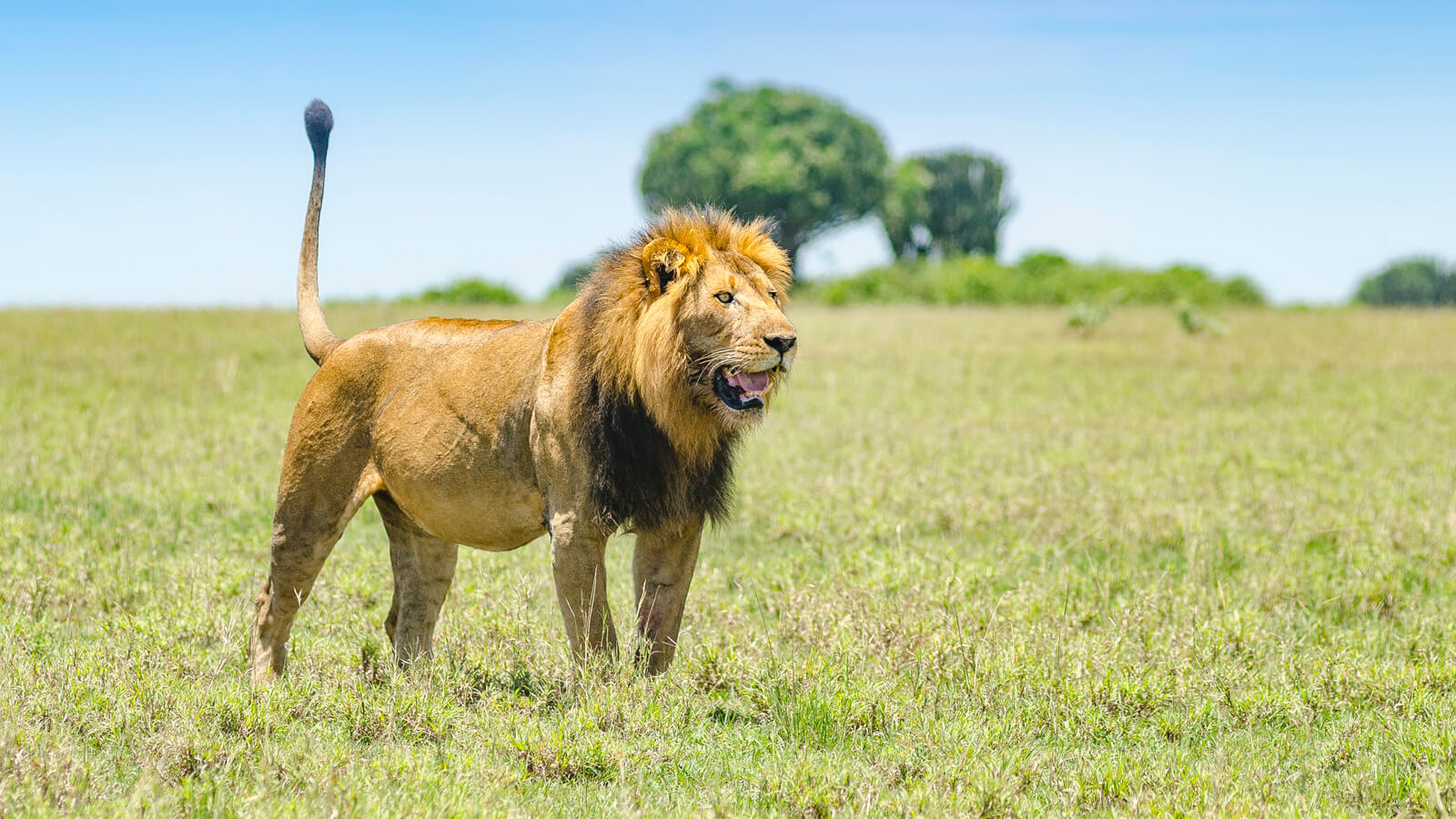
Cheetah are present across the Lobo plains and the more open sections of the Kogatende area. Spotted hyena are abundant and frequently encountered around the Mara River during migration season, where food is plentiful from crossing events. The wildlife in the Serengeti guide covers the full range of species across all zones of the park.
The Wildebeest Migration in the Northern Serengeti

The wildebeest migration is the defining event of the northern Serengeti between July and October. Having completed the calving season in the southern Serengeti (January–March) and moving northward through the central and western Serengeti over the preceding months, approximately 1.5 million wildebeest and 200,000 zebra arrive in the northern Serengeti from July onwards. The migration’s movement is governed by rainfall and the availability of fresh grass — in a typical year, the leading edge of the herd reaches the northern Serengeti in late June to early July, with peak numbers present in August and September.
The northern Serengeti hosts the Tanzania-side Mara River crossings — the same dramatic river that produces the famous crossings of the Masai Mara on the Kenyan side. On the Tanzania side, the crossing points around Kogatende are the primary locations where vehicles position for crossing events. The Tanzania-side crossings are generally less crowded than the equivalent Kenyan crossing points, because access to the northern Serengeti requires longer travel planning and total vehicle numbers are lower.
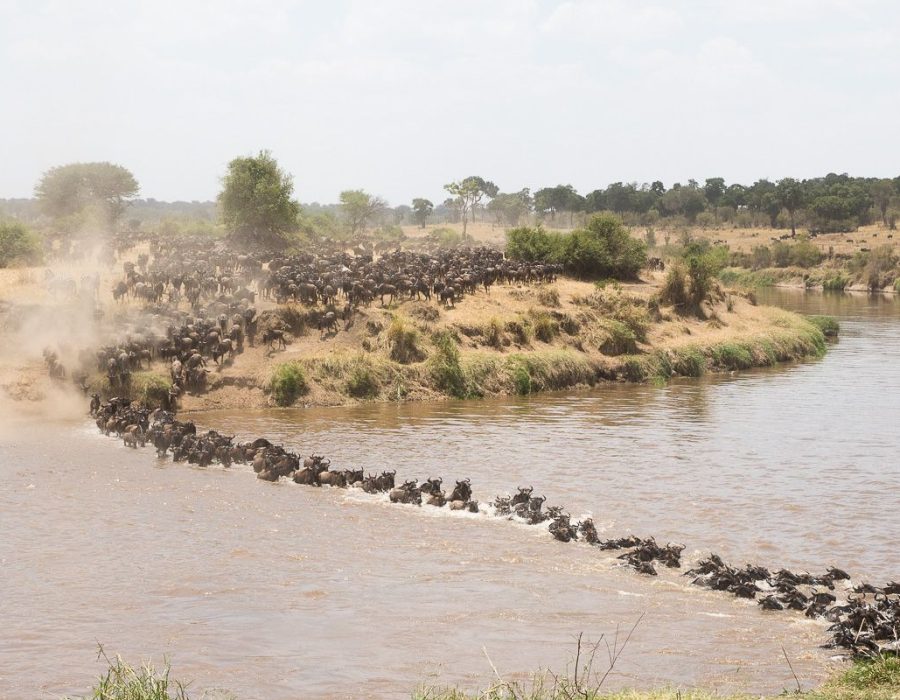
A Mara River crossing at Kogatende follows a recognisable pattern: the wildebeest begin to gather on the riverbank in nervous, milling groups as scouts approach the water. The gathering can last minutes or hours before the herd commits and plunges in — or they turn back entirely. Crocodiles, some of the largest in East Africa, wait in the deeper pools. The moment the herd commits is among the most extraordinary events in wildlife — thousands of animals entering the water simultaneously, the churning current and the scale of the crossing visible for kilometres. Witnessing a major crossing in the northern Serengeti is one of the most sought-after wildlife experiences in Africa.
For the full monthly migration calendar and the movement pattern from the Serengeti calving grounds through to the Masai Mara crossings and back, see our wildebeest migration in Tanzania guide. For a comparison of the Tanzania-side and Kenya-side migration experience, see our Tanzania vs Kenya wildebeest migration guide. For the best months and key crossing point logistics, see the Mara River crossing guide.
Northern Serengeti vs Central Serengeti
The northern and central Serengeti offer different but complementary experiences, and the right choice depends entirely on travel dates and priorities. The central Serengeti (Seronera area) is the year-round game-viewing heart of the park — the Seronera River valley holds permanent water attracting resident lion, leopard, hippo and crocodile year-round, and it is accessible from the central airstrips that serve most Serengeti itineraries. The central Serengeti has the highest vehicle numbers, particularly around major sightings.
The northern Serengeti is more remote, requires more travel time or a direct flight to Kogatende, and is significantly less crowded. During migration season (July–October), the northern Serengeti is without question the most rewarding zone. Outside migration season, the resident wildlife of the Lobo hills and the peace of the northern circuit make it appealing for guests who prioritise space and exclusivity over maximising species counts. The ideal northern Serengeti safari itinerary combines two to three nights in the northern Serengeti with two to three nights in the central Serengeti and the Ngorongoro Crater. See our top 10 things to do in the Serengeti for the full range of activities across all zones.
Activities in the Northern Serengeti
Game Drives

Game drives in the northern Serengeti follow two distinct patterns depending on the season. During migration season (July–October), most morning drives head directly to the Mara River crossing points — positioning at the riverbank early in the morning when crossing activity is most frequent, waiting for the herd dynamics to develop. The rest of the day is spent following the main migration herds and the predators that track them. Outside migration season, drives follow the resident wildlife of the Lobo hills and the open plains around Kogatende — large elephant herds, lion prides in the kopje areas, leopard in the riverine forest and the permanent game circuits of the northern zone.
Hot Air Balloon Safaris

A hot air balloon safari in the northern Serengeti during migration season is one of the most remarkable wildlife experiences available anywhere. Drifting silently above the northern plains at first light, with the Mara River below and hundreds of thousands of wildebeest visible in every direction, is an experience that has no equivalent. The northern Serengeti balloon views during August–September — when the herds are at maximum density — are arguably the best balloon safari conditions in Tanzania. The flight lasts approximately one hour and ends with a champagne breakfast in the bush.
Walking Safaris
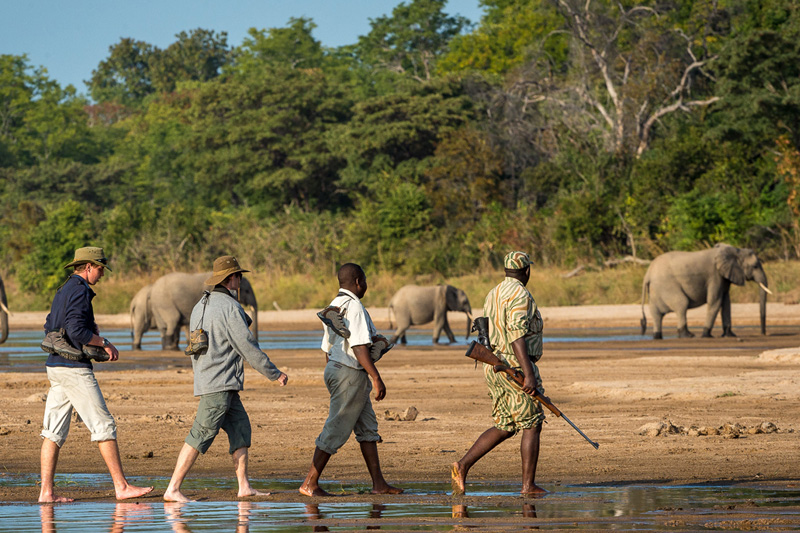
Guided walking safaris are available in the northern Serengeti through a small number of camps and specialist operators. A walking safari in the northern Serengeti covers the ecosystem’s riverbeds, kopje outcrops and woodland edges — terrain that vehicle-based game drives cannot access. Walking in the northern Serengeti during migration season gives a different perspective on the scale of the migration than any drive can provide — standing on the riverbank on foot, hearing the herd before you see it, is an experience guides describe as one of the most intense in African wildlife.
Best Time to Visit the Northern Serengeti
The best time to visit the northern Serengeti for the wildebeest migration and Mara River crossings is July to October, with peak crossing activity in August and September. The herds typically arrive in the Kogatende area in late June or early July, with the maximum concentration of animals present through August. By late October, the short rains begin and the herds start their southward return through the Lobo area towards the central and southern Serengeti.
Outside the migration season, the northern Serengeti is best visited in the long dry season (June) before the migration arrives, when the permanent wildlife of the Lobo hills is concentrated around water. The short dry season (December–February) is also excellent for resident game with very few visitors. For the full monthly breakdown, see our best time for wildebeest migration guide.
Where to Stay in the Northern Serengeti
Accommodation in the northern Serengeti is less extensive than in the central zone but well suited to the area’s character. The most important choice is between a permanent lodge or camp and one of the seasonal mobile tented camps positioned specifically in the Kogatende and Lamai areas during migration season (July–October).
Lobo Wildlife Lodge is the established permanent option — a large lodge built on a granite kopje with sweeping views over the northern plains, operating year-round. Serengeti Safari Camp Kogatende and several other seasonal tented camps position directly beside the Mara River during migration season, allowing guests to monitor the river crossing points without vehicle travel. These seasonal camps are the closest accommodation to the main crossing points and offer the highest probability of witnessing multiple crossings in a stay. For the full range of accommodation options, see our luxury lodges in Serengeti National Park guide.
How to Get to the Northern Serengeti
The most practical way to reach the northern Serengeti is by domestic flight from Arusha or from another Serengeti airstrip. Kogatende airstrip is the primary landing point for the northern Serengeti and is served by daily scheduled flights with Air Kenya, Safarilink and Fly540 from Arusha (approximately 75 minutes). Connecting from Seronera to Kogatende by air takes approximately 20 minutes. The road from Seronera to Kogatende takes three to four hours on park tracks — guests often drive north (as a game drive day) and fly south to save time at the end of the trip.
Northern Serengeti Safari Itineraries
- 7 Days Tanzania Wildebeest Migration Experience — Timed specifically for the July–October Kogatende crossing season, with two to three nights in the northern Serengeti alongside central Serengeti and Ngorongoro Crater nights.
- 5 Days Tanzania Wildebeest Migration — A focused five-day northern Serengeti migration itinerary for guests with limited time, flying directly in and out of Kogatende.
- 8 Days Tanzania Wildlife Safari — An eight-day northern circuit safari covering Tarangire, central Serengeti, northern Serengeti and the Ngorongoro Crater.
- 14 Days Tanzania and Kenya Great Wildebeest Migration Safari — The complete migration circuit — following the herds through the northern Serengeti and crossing to the Masai Mara for the Kenya-side Mara River crossings.
- 15 Days Best of Tanzania Safari — A comprehensive Tanzania itinerary covering the northern Serengeti in depth alongside Tarangire, the central Serengeti, Ngorongoro Crater and a Zanzibar beach extension.
Contact Superfine Safaris Limited to design a custom northern Serengeti itinerary around your travel dates and migration timing.
Northern Serengeti FAQ
Is the northern Serengeti worth visiting outside migration season?
Yes. The northern Serengeti holds excellent resident wildlife year-round — large lion prides in the Lobo hills, leopard in the riverine woodland, elephant herds and reliable predator game circuits that are less crowded than the central Serengeti. Guests who want a less-visited Serengeti experience outside migration months will find the northern Serengeti consistently rewarding.
How does the northern Serengeti compare to the Masai Mara for migration viewing?
The northern Serengeti and the Masai Mara share the same Mara River. The Tanzania-side crossings are generally less crowded because access requires more deliberate travel planning. For a detailed comparison, see our Tanzania vs Kenya wildebeest migration guide.
When should I book a northern Serengeti migration safari?
The best seasonal camps in the Kogatende and Lamai areas book out well in advance for July–October. Booking at least six to nine months before your intended travel dates is strongly recommended. See our Tanzania safari booking tips for general guidance.
Can I combine the northern Serengeti with the Masai Mara?
Yes — starting in the northern Serengeti in July or August and crossing to the Masai Mara for August–October gives the most complete migration experience possible, with two different perspectives on the same event separated by the river. The 14 Days Tanzania and Kenya Great Wildebeest Migration Safari is designed exactly for this combination.
Plan Your Northern Serengeti Safari
Get a free, no-obligation quote for a tailor-made northern Serengeti itinerary timed around the migration.
- ✓ Migration timing optimised for your dates
- ✓ Expert English-speaking safari guides
- ✓ Kogatende & Lobo camp options
- ✓ Domestic flights arranged
- ✓ All park fees included
Quick Facts
- Location: Northern Serengeti, Tanzania
- Key zones: Kogatende, Lobo, Lamai
- Migration season: Jul–Oct (peak Aug–Sep)
- River crossings: Mara River (Tanzania side)
- From Seronera: 120 km / 3–4 hr drive
- Best flight: Kogatende airstrip