
Explore wildlife in Queen Elizabeth National Park on your next Uganda safari with Superfine Safaris Limited. If you’re planning a Uganda safari, wildlife in Queen Elizabeth National Park should be at the top of your list. Known for its incredible biodiversity, this park offers one of the most rewarding wildlife experiences in East Africa combining big game viewing, birdwatching, and primate encounters in one destination. This guide covers everything you need to know about wildlife in Queen Elizabeth National Park, including animals to see, best locations, and the best time to visit.
Why Queen Elizabeth National Park is Famous for Wildlife
Queen Elizabeth National Park stands out because of its diverse ecosystems, which support a wide variety of animal and bird species. The park includes Open Savannah plains, Wetland, water channels, cater lakes and tropical rain forests which all provide food and habitats for wild animals and birds. The habitat diversity allows the park to host over 90 mammal species and more than 600 bird species, making it one of the richest wildlife destinations in Africa.
Animals in Queen Elizabeth National Park
Big Game Wildlife
Queen Elizabeth National Park is home to many of Africa’s iconic animals, making it ideal for classic game drives. The big animals in the park include African elephants, Cape buffaloes, Lions, Leopards and Spotted hyenas. Lions are commonly seen in hunting areas, especially where antelopes are abundant.
Tree-Climbing Lions in Ishasha
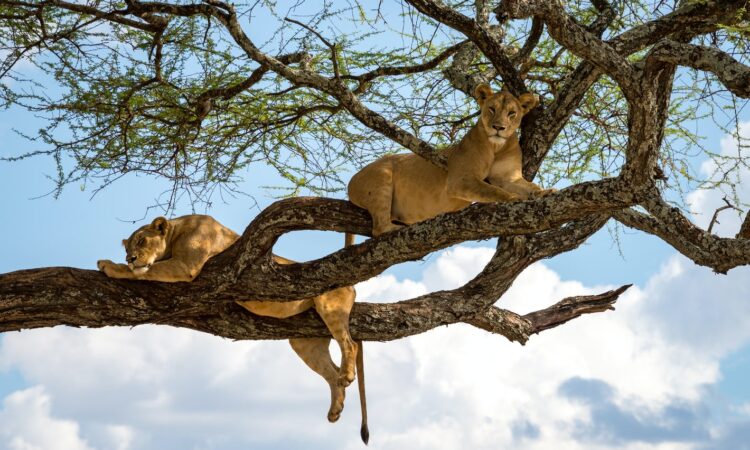 One of the park’s biggest highlights is the rare population of tree-climbing lions found in the Ishasha Sector. These lions are often spotted resting on branches during the day a unique behavior that is rarely seen elsewhere in Africa. This makes Ishasha a must-visit for wildlife photography and unforgettable safari moments.
Antelopes and Grazing Animals
In addition to the big game, Queen Elizabeth National Park is home to several antelopes and grazers widely distributed across the park and are easy to spot during game drives.
Uganda Kob (Signature Species)
The Uganda kob is the most abundant antelope in the park and Uganda’s national animal. These are found in large herds across open plains, males are recognizable by their curved horns and are commonly seen in the Kasenyi sector. These antelopes are a key prey species for lions, so where there are kob, predators are usually nearby.
Waterbuck
Waterbucks are easy to identify due to their large size and shaggy coats. The species are usually found near rivers, lakes, and wetlands. Males have long, ridged horns and often seen around the Kazinga Channel. They tend to stay close to water, making them predictable to locate.
Topi
Topi are fast and alert antelopes mostly found in the southern part of the park mostly seen in Ishasha sector. Topis prefer open grasslands and are known for standing on termite mounds to scan for predators. Their reddish-brown coat and dark markings make them easy to distinguish.
Bushbuck
Bushbucks are more secretive compared to other antelopes. Bushbucks are normally seen in thick vegetation and forest edges and can be seen alone or in pairs. Bushbucks are very active during early morning and late evening hours and are commonly spotted near woodland areas
Duikers
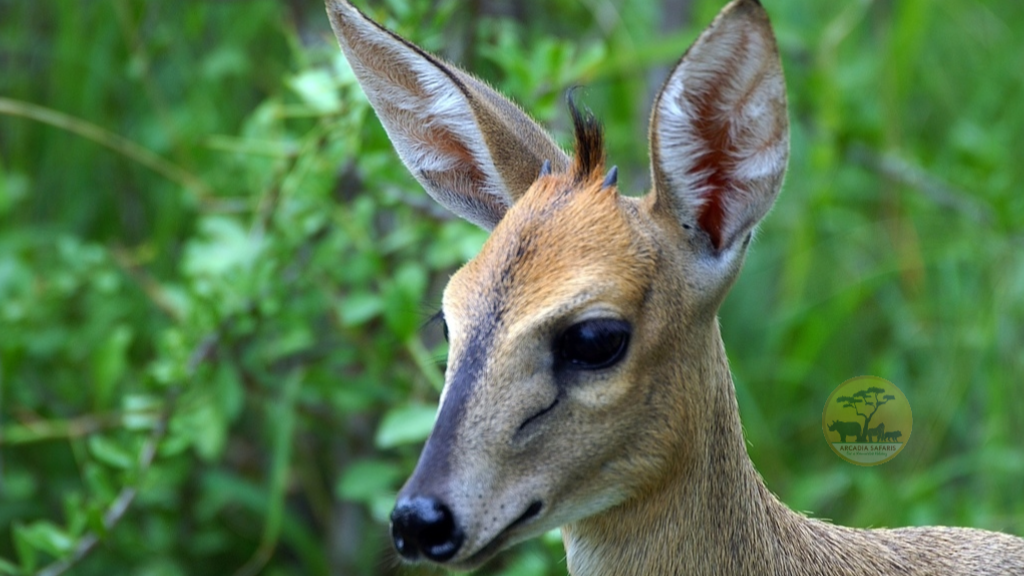 Duikers are small antelopes that are rarely seen due to their shy nature, quick and elusive compared to other antelopes. Duikers prefer dense vegetation and often spotted briefly crossing tracks in the park
Small Ground Animals in Queen Elizabeth National Park
While large mammals often take the spotlight, Queen Elizabeth National Park is also home to a fascinating variety of small ground animals that play a vital role in the ecosystem. These animals may be smaller in size, but they are highly active, easier to observe during daytime, and add depth to your safari experience.
Mongooses and Other Small Carnivores
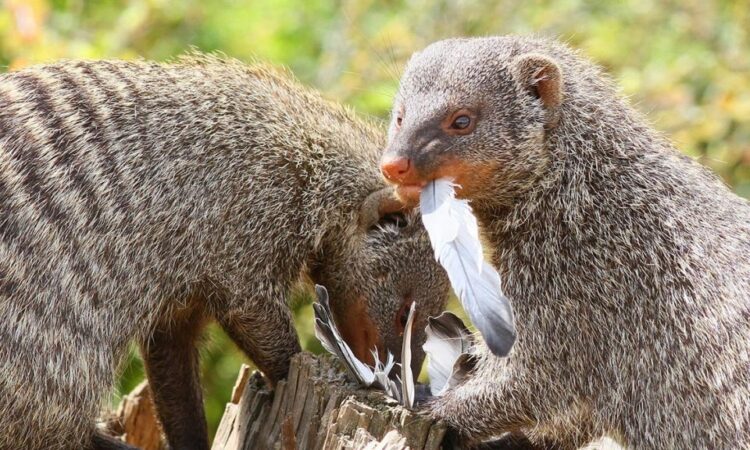 Mongooses are among the most seen small ground animals in the park. They move in groups and are often spotted crossing tracks or foraging in open areas. These are categorized into banded mongooses which are usually in social groups and Slender Mongoose which are more solitary and shy. These animals are quick, alert, and constantly searching for insects, small reptiles, and other prey. Watching their cooperative behaviour can be just as interesting as spotting larger predators. Other small carnivores you may encounter include Genets (mostly nocturnal) and Civets (active at night and rarely seen during day drives)
Rodents and Burrowing Animals
Queen Elizabeth National Park is also home to a variety of rodents and burrowing species that live within the savannah ecosystem. Ground squirrels, often seen standing upright scanning for danger, Cane rats (grass cutters), usually found in dense vegetation and Porcupines, which are nocturnal but leave visible tracks and burrows. These animals contribute to soil aeration and seed dispersal, making them essential to the park’s ecological balance.
Reptiles on the Ground
Reptiles are another important group of ground-dwelling wildlife. The reptiles include Agamas basking on rocks and termite mounds, Monitor lizards moving near water bodies and various snake species. They are most active during warm hours and are often spotted during slow game drives.
Wildlife at the Kazinga Channel
The Kazinga Channel is one of the best places in Uganda to see large concentrations of animals. A boat safari here offers close-up wildlife viewing, including Hippos in large groups, Nile crocodiles along the banks, Elephants and buffaloes coming to drink and Numerous water birds. Boat cruising at Kazinga channel is considered the highlight activity in the park due to the high number of sightings in a short time.
Primates in Queen Elizabeth National Park
In addition to savannah wildlife, the park is home to several primates. Queen Elizabeth National Park is also home to the endangered chimpanzees in Kyambura Gorge. Other primates include Olive baboons, Vervet monkeys and Colobus monkeys
Common Birds in Queen Elizabeth National Park
With over 600 birds, Queen Elizabeth National Park is a haven for birders. Many bird species are easy to spot, even without specialized birding tours.
Savannah Birds
These savannah birds are common in open grasslands of Queen Elizabeth National Park. These include African Fish Eagle famous for its distinctive call, Grey Crowned Crane Uganda’s national bird, Abyssinian Ground Hornbill often seen walking on the ground and Secretary Bird a unique bird of prey that hunts on foot. These birds are commonly seen during game drives, especially in the Kasenyi plains.
Water Birds and Wetland Species
Wetlands and lakes attract large numbers of water birds, especially around the Kazinga Channel. These include African Jacana known for walking on floating vegetation, Great White Pelican often seen in groups, Yellow-billed Stork and Malachite Kingfisher. The boat cruises provide the best close-up views of these species.
The Famous Shoebill Stork
One of the most sought-after birds in Uganda is the Shoebill. The birds are rare and highly prized by birders and found in wetlands and papyrus swamps. Shoebill stork is best spotted in less disturbed areas near the park. Seeing a shoebill is often considered a lifetime birding achievement.
Forest Birds in Kyambura Gorge
The forested Kyambura Gorge offers a different birding experience. Some forest birds in Kyambura Gorge include Black-and-white Casqued Hornbill, African Emerald Cuckoo and Various sunbirds and flycatchers. These species thrive in shaded, forested environments and are often heard before they are seen.
Birds of Prey (Raptors)
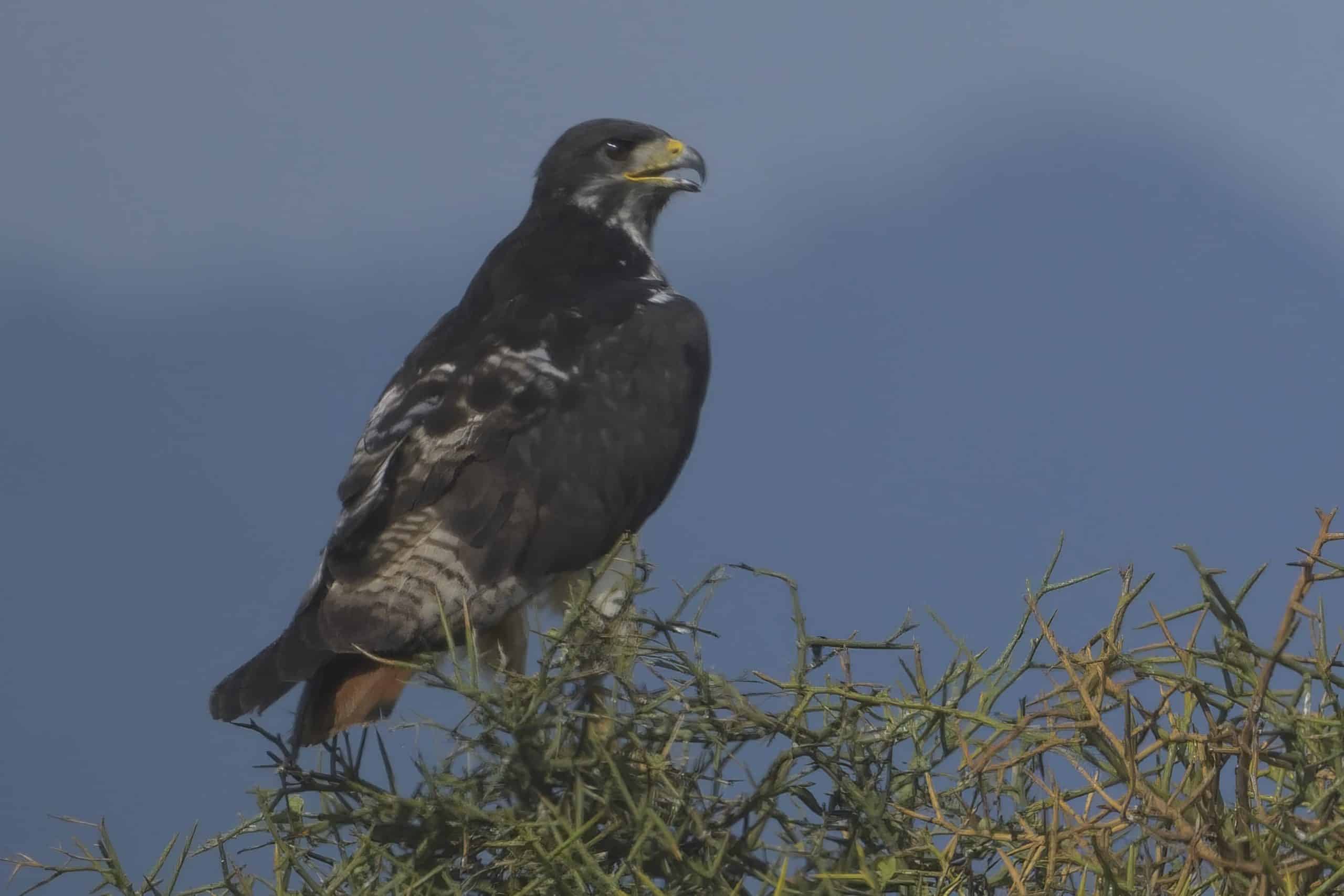 Queen Elizabeth National Park is also home to impressive birds of prey which include Martial Eagle one of Africa’s largest eagles, Bateleur known for its striking flight and Augur Buzzard. These birds are often seen soaring above the plains or perched on trees scanning for prey.
Best Places for Birdwatching in Queen Elizabeth National Park
To maximise your birding experience, explore these key areas:
- Kazinga Channel – best for water birds
- Mweya Peninsula – mix of savannah and water species
- Kyambura Gorge – forest birds
- Crater lakes region – flamingos (seasonal) and other water birds
Each location offers a different birding environment.
Best Places to See Wildlife in Queen Elizabeth National Park
To maximize your safari experience, explore different areas of the park:
- Kasenyi Plains – best for lions and large herds
- Ishasha Sector – famous for tree-climbing lions
- Kazinga Channel – top for boat safaris and dense wildlife
- Kyambura Gorge – ideal for chimpanzee tracking
Each region offers a different type of wildlife experience.
Best Time to See Wildlife in Queen Elizabeth National Park
Wildlife viewing is possible year-round, but timing can improve your experience.
Dry Season (Best for Game Viewing)
- June to August
- December to February
- Easier to spot animals as they gather around water
Wet Season (Best for Birdwatching)
- March to May
- September to November
- Lush scenery and fewer crowds
Top Safari Activities for Wildlife Viewing
Visitors can explore wildlife through different activities:
- Game drives (morning and evening)
- Boat safaris on the Kazinga Channel
- Chimpanzee tracking in Kyambura Gorge
- Guided birdwatching tours
Combining these activities gives you a complete safari experience.
Conclusively, Wildlife in Queen Elizabeth National Park offers a perfect balance of diversity, accessibility, and unique experiences. From tree-climbing lions and large elephant herds to rich birdlife and primates, the park delivers an unforgettable Uganda safari.