MOUNTAIN GORILLA DIET AND BEHAVIOR
Mountain gorillas live in the high-altitude forests of East and Central Africa. You find them in Uganda, Rwanda, and the Democratic Republic of Congo. Their environment shapes how they eat, move, and interact. Understanding their diet and behavior helps you plan a strong gorilla trekking experience and supports conservation goals.
Mountain gorillas rely on a plant based diet. They feed on leaves, stems, shoots, roots, and fruits when available. Their feeding patterns shift with altitude and season. In areas with fewer fruiting trees, they depend more on fibrous vegetation. This includes bamboo shoots, wild celery, nettles, and thistles. An adult male eats up to 30 kilograms of vegetation each day. Females eat slightly less. This high intake supports their large body size and energy needs.
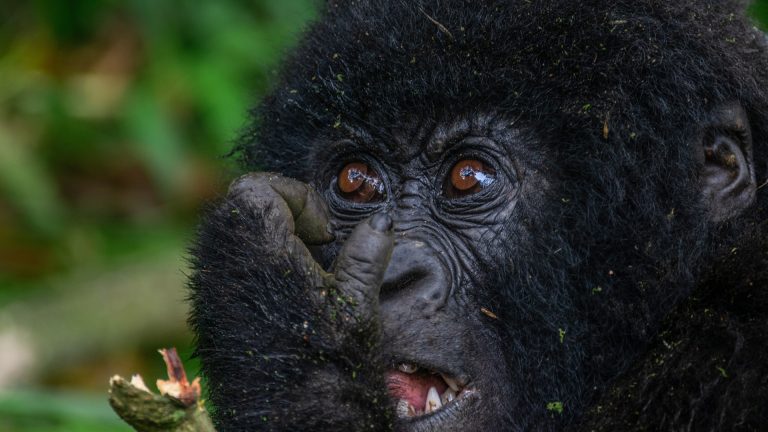
Mountain Gorillas start feeding early in the morning through the day, the group moves slowly as they forage. Each individual selects plants with care. They use strong hands to strip leaves and peel stems. Their teeth grind tough plant fibers with ease. You often see them sitting while eating, focused and calm. This steady feeding continues for several hours before a midday rest.
Water intake comes mainly from plants; the gorillas rarely drink from streams. The vegetation they eat contains enough moisture. This reduces the need to travel long distances for water. It also lowers exposure to predators and human activity.
Diet diversity depends on location. In Uganda’s Bwindi Impenetrable Forest, gorillas eat over 100 plant species. In the Virunga ranges, the number drops due to higher altitude and colder conditions. Bamboo becomes a key food source during certain seasons. This seasonal feeding creates predictable movement patterns. Guides use this knowledge to track habituated groups.
BEHAVIOR
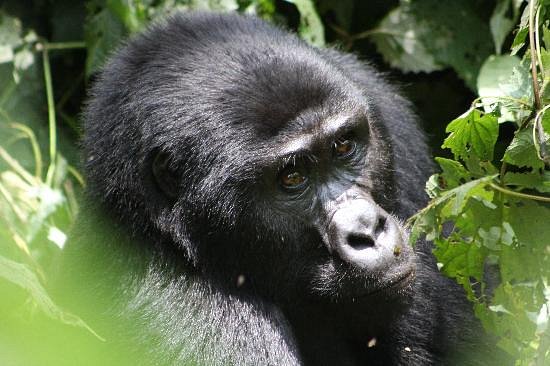
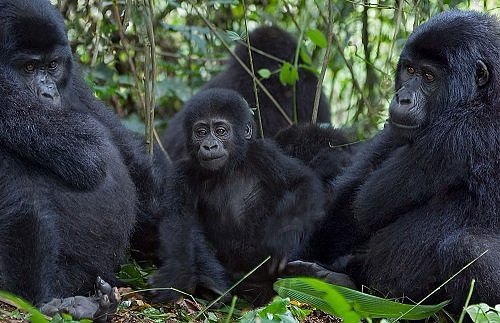
Mountain Gorillas live in stable family groups led by a dominant silverback. Social structure defines their behavior. The alpha male (Silverback) protects the group, makes decisions, and maintains order. A typical group includes several females, their young, and sometimes subordinate males. Group size ranges from 5 to over 20 individuals.
The silverback plays a central role deciding when the group moves, feeds, or rests. He also resolves conflicts. When danger appears, he stands his ground protecting the family. He uses displays such as chest beating, vocalizations, and charging to warn threats. Physical fights occur in rare cases. These displays show strength and help avoid intrusion.
Females build strong bonds with the silverback; relying on him for protection and stability. Relationships among females vary. Some form close associations, while others keep distance. Young gorillas interact more freely; playing, chasing, and wrestling. This play builds social skills and physical strength.
Communication shapes daily life Mountain gorillas use over 20 vocal sounds. Each sound carries a specific meaning. Grunts signal contentment. Screams indicate distress. Deep belches show reassurance within the group. Body language also matters. Postures, eye contact, and gestures send clear signals. These forms of communication reduce conflict and strengthen group cohesion.
Rest periods occur during midday and at night. After morning feeding, the group settles for several hours. During this time, they groom, sleep, or play. Grooming helps remove parasites and builds trust. Young gorillas remain active, while adults conserve energy. In the evening, each gorilla builds a nest. They use leaves and branches to create a comfortable sleeping spot. Nests lie on the ground or in low vegetation. Each night brings a new nest.
Movement patterns remain slow and deliberate. Mountain gorillas do not cover large distances each day. They move within a defined home range. This range provides enough food and shelter. The group avoids steep climbs unless necessary. Trails form naturally as they pass through vegetation. Experienced trackers follow these signs during trekking.
REPRODUCTION IN GORILLAS
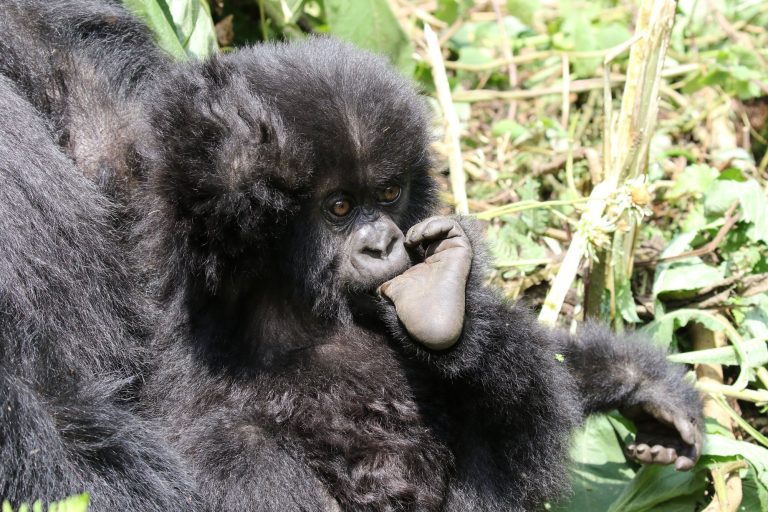
Reproduction occurs at a steady pace. Females give birth every four to six years. Gestation lasts about 8.5 months. A newborn weighs around 2 kilograms. Infants depend fully on their mothers. They cling to the mother’s chest for the first few months. As they grow, they ride on her back. Weaning begins at about three years. Young gorillas stay with the group for many years before dispersing.
Male dispersal shapes group dynamics. Young males leave their birth group when they reach maturity. Some form bachelor groups. Others attract females and start new families. Female gorillas also transfer between groups. This movement prevents inbreeding and supports genetic diversity.
Behavior shifts with age as infants stay close to their mothers, Juveniles explore and play. Adolescents test boundaries and develop strength. Adults focus on feeding, reproduction, and protection. The silverback remains the anchor of the group.
Human presence influences gorilla behavior in habituated groups. Habituation allows controlled tourism and research. Gorillas learn to tolerate people without fear. This process takes time and follows strict guidelines. Rangers and trackers lead close daily monitoring. They ensure groups remain healthy and uninterrupted.
During a gorilla trek, you observe natural behavior at close range. You see feeding, grooming, and social interactions. You hear vocal communication and witness group movement. The experience feels calm and structured. Each visit lasts one hour. This limit protects the gorillas from stress and disease.
Conservation efforts focus on habitat protection and community support. Mountain gorillas face threats from habitat loss, disease, and illegal activities. National parks protect key habitats. Anti-poaching patrols reduce risks. Veterinary teams monitor health and treat injuries. Community programs create benefits from tourism. Revenue sharing supports local development and reduces pressure on forests.
Population growth shows progress. In the 1980s, fewer than 300 mountain gorillas remained. Today, the number exceeds 1,000 individuals. This increase reflects strong conservation strategies. Continued effort remains essential. Habitat remains limited, and human populations continue to grow.
Diet and behavior link closely to conservation success. A stable food supply supports healthy groups. Strong social structure improves survival rates. Low stress environments allow natural behavior. Responsible tourism plays a role. Visitors follow strict rules to protect gorillas and their habitat.
Gorilla Trekking
You need to understand trekking conditions. Terrain remains steep and forested. Weather changes fast. Rain falls throughout the year. You walk through thick vegetation and uneven ground. Treks last from one to six hours depending on gorilla location. Physical fitness improves your experience.
You also need to respect guidelines. Keep a distance of at least 7 meters from gorillas. Avoid direct eye contact with the silverback. Move slowly and follow ranger instructions. Do not visit if you feel sick. Human diseases spread easily to gorillas. These rules protect both you and the animals.
Photography requires preparation. Use cameras with good zoom capability. Flash photography is not allowed. Keep movements slow and quiet. This ensures natural behavior continues without disruption.
Best viewing times align with feeding periods. Early morning treks often find gorillas active and feeding. You witness a wide range of behaviors. Midday visits show resting and social interaction. Each period offers unique insights into their daily life.
Mountain gorillas show intelligence and emotional depth. They recognize individuals within the group. They respond to changes in environment and social structure. You observe care, play, conflict resolution, and cooperation. These traits create a strong connection during encounters.
Their diet supports this complex behavior. High fiber intake requires long feeding hours. This reduces time for travel and increases group cohesion. Shared feeding areas keep the group close. This closeness strengthens social bonds and improves protection.
Environmental factors continue to shape their future. Climate change affects vegetation patterns. Changes in rainfall impact food availability. Conservation teams monitor these trends. Adaptive management ensures habitats remain suitable.
Community involvement drives long term success. Local communities benefit from tourism revenue. Employment opportunities arise from guiding, lodging, and park services. Education programs build awareness. These efforts create a shared responsibility for conservation.
A gorilla trek offers more than wildlife viewing. You gain insight into a species with complex behavior and strong family bonds. You see how diet, environment, and social structure connect. This knowledge deepens your appreciation and supports conservation efforts.
Mountain gorillas remain one of Africa’s most remarkable species. Their survival depends on continued protection and responsible tourism. Understanding their diet and behavior gives you a clear view of their daily life and the challenges they face.