Kwibuka Ceremony in Rwanda is one of the most celebrated days in the country. Every year, Rwanda pauses to remember one of the darkest chapters in human history through a national commemoration known as Kwibuka. The word “Kwibuka” comes from the Kinyarwanda language meaning “to remember.” It refers to the annual remembrance period dedicated to honoring the victims of the 1994 Genocide against the Tutsi and reflecting on the lessons of unity, resilience, and peace.
Kwibuka ceremony is not only a memorial event but also a national and international call to prevent genocide, fight divisionism, and promote humanity. Since its establishment, the commemoration has become an important symbol of healing and reconciliation in Rwanda and around the world.
Historical Background
The origins of Kwibuka are directly linked to the Rwandan genocide, which occurred between April and July 1994. During this period, extremist groups led a systematic campaign of violence targeting the Tutsi population and moderate Hutus. In approximately 100 days, more than 800,000 people were killed.
The genocide was fueled by decades of ethnic tension, political manipulation, colonial divisions, and hate propaganda. Militias such as the Interahamwe carried out mass killings in homes, churches, schools, and public places. Many families were completely wiped out, while survivors were left with severe physical and emotional trauma.
On April 7 each year, Rwanda begins a 100-day period of remembrance that mirrors the duration of the genocide itself. This date marks the beginning of Kwibuka and serves as a solemn reminder of the lives lost and the consequences of hatred and intolerance.
Purpose of Kwibuka
Kwibuka serves several important purposes in Rwandan society and beyond.
- Honoring Victims
The primary aim is to remember and honor the victims of the genocide. Through memorial ceremonies, candle-lighting vigils, and moments of silence, Rwandans pay tribute to those who lost their lives. Survivors and families gather to mourn loved ones and preserve their memory for future generations.
- Supporting Survivors
Kwibuka also provides emotional and psychological support to survivors. Many survivors continue to struggle with trauma, grief, and painful memories. During the commemoration period, counseling services and community support activities are organized to help them cope.
- Promoting Unity and Reconciliation
After the genocide, Rwanda focused heavily on rebuilding national unity. Kwibuka encourages citizens to reject ethnic divisions and embrace a shared national identity. Messages during the remembrance period emphasize reconciliation, peacebuilding, and collective responsibility.
- Educating Future Generations
Another major objective is education. Young people born after 1994 are taught about the genocide to ensure that such atrocities never happen again. Schools, universities, and public institutions organize discussions and lectures about the causes and consequences of genocide.
Main Activities During Kwibuka
Kwibuka involves many activities across Rwanda and internationally. These activities are carefully organized to reflect dignity, remembrance, and hope.
- Memorial Ceremonies
National leaders, survivors, foreign dignitaries, and citizens gather at genocide memorial sites for official ceremonies. The most prominent memorial event takes place at the Kigali Genocide Memorial, where thousands of victims are buried.
During these ceremonies, wreaths are laid, candles are lit, and speeches are delivered to honor the dead and encourage continued unity.
- Walk to Remember
One of the most visible events is the “Walk to Remember.” Thousands of people march together carrying messages of remembrance and solidarity. The walk symbolizes collective mourning and national resilience.
- Night Vigils
Night vigils are held throughout the country, especially during the early days of the commemoration. Survivors share testimonies about their experiences during the genocide. Songs, poetry, prayers, and discussions create a reflective atmosphere where people can grieve together.
- Educational Programs
Schools and organizations conduct seminars, exhibitions, and debates about genocide prevention, human rights, and peacebuilding. Documentaries and historical presentations are also shown to educate the public.
The Flame of Remembrance
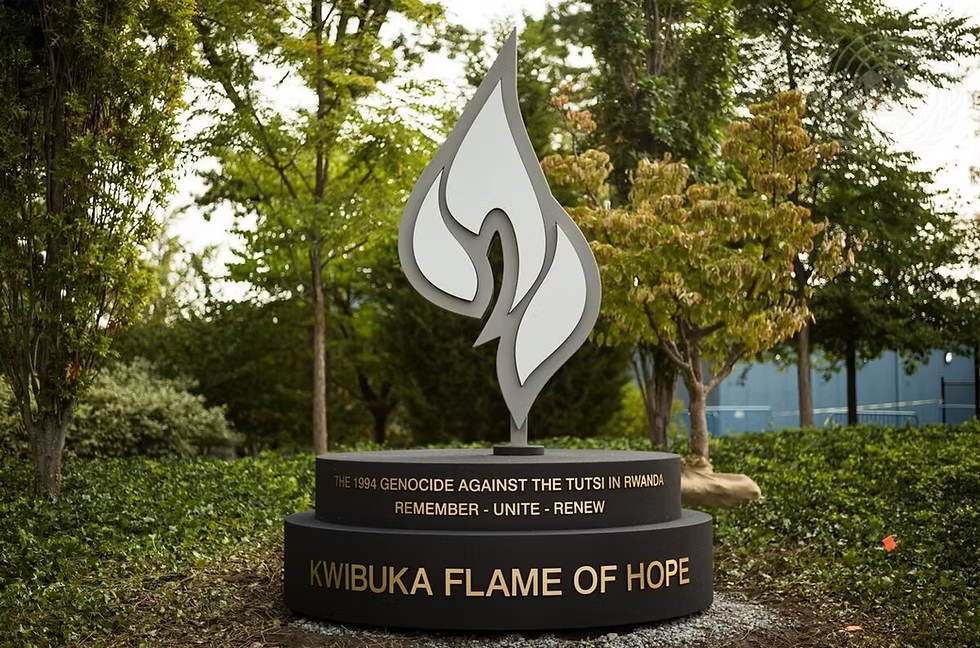
An important symbol of Kwibuka is the Flame of Remembrance. At the beginning of the commemoration, a flame is lit and carried across different districts of Rwanda. The flame represents memory, hope, and the enduring spirit of the survivors.
It also symbolizes the commitment of Rwandans to ensure that genocide never happens again. At the end of the 100-day period, the flame is extinguished during a closing ceremony.
International Recognition
Kwibuka is recognized globally as an important remembrance event. Many countries, international organizations, and communities hold commemorative activities in solidarity with Rwanda.
The United Nations officially recognizes April 7 as the International Day of Reflection on the 1994 Genocide against the Tutsi in Rwanda. This global recognition highlights the importance of remembering the genocide and preventing similar atrocities worldwide.
Foreign governments, embassies, universities, and civil society organizations often organize conferences, exhibitions, and remembrance events during the Kwibuka period.
RWANDA’S JOURNEY AFTER THE GENOCIDE
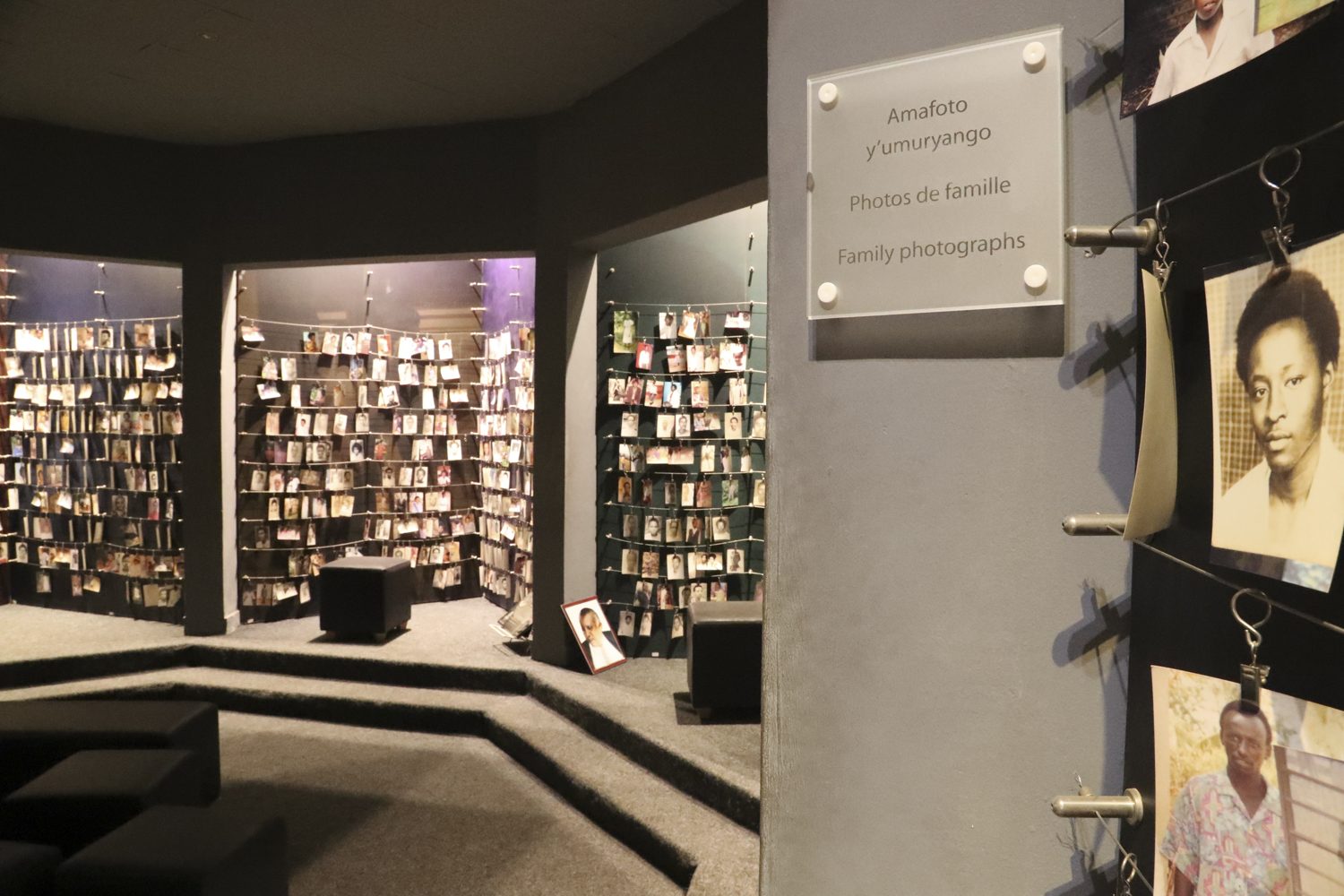 Kwibuka is also a reflection of how far Rwanda has come since 1994. After the genocide, the country faced enormous challenges including destroyed infrastructure, displaced populations, economic collapse, and deep social divisions.
Through national reconciliation programs, justice initiatives, and economic reforms, Rwanda gradually rebuilt itself. Community-based courts known as Gacaca were introduced to address genocide crimes and promote accountability.
Today, Rwanda is often recognized for its development, cleanliness, improved healthcare, gender equality, and technological growth. While the scars of the genocide remain, Kwibuka demonstrates the country’s determination to rebuild through unity and resilience.
Challenges Associated with Kwibuka
Despite its importance, the commemoration period can be emotionally difficult for many survivors. Trauma can resurface during remembrance activities, leading to emotional distress and psychological crises.
To address this, trained counselors, medical teams, and support groups are deployed during Kwibuka events. Communities are encouraged to provide care and understanding to survivors who may experience grief and trauma reactions.
Another challenge is genocide denial and misinformation. Rwanda and international partners continue to fight against denial narratives and hate speech that distort historical facts.
Lessons from Kwibuka
Kwibuka carries powerful lessons for Rwanda and the international community.
First, it reminds humanity of the dangers of hatred, discrimination, and extremist ideology. The genocide showed how propaganda and division can lead to catastrophic violence.
Second, Kwibuka emphasizes the importance of early intervention by the international community in preventing mass atrocities. Many critics argue that the world failed Rwanda in 1994 by not acting quickly enough to stop the killings.
Third, the commemoration demonstrates the power of reconciliation and resilience. Rwanda’s recovery shows that societies can rebuild even after devastating conflict when unity and justice are prioritized.
Conclusion
Kwibuka is far more than an annual memorial event. It is a national journey of remembrance, healing, education, and hope. By honoring victims, supporting survivors, and teaching future generations about the dangers of hatred, Rwanda continues to transform painful memories into a commitment to peace and unity.
As the world reflects on the meaning of Kwibuka, the message remains clear: remembering the past is essential to protecting the future. The commemoration stands as a powerful reminder that humanity must always reject genocide, defend human dignity, and work toward a more peaceful world.