
Join our customized birding safaris in Queen Elizabeth National Park to explore the notable and endemic bird species in this beautiful park with Superfine Safaris Limited. With over 600 bird species recorded, Queen Elizabeth National Park is one of Uganda’s premier destinations for birding safaris. The park is a paradise for birdwatchers and nature enthusiasts. From the elusive shoebill to colourful kingfishers, raptors, and cranes, Queen Elizabeth National Park offers a diverse and unforgettable birding experience. This guide will help you plan your birding safari in Queen Elizabeth National Park, including the best bird species to see, top birdwatching locations, the best time to visit, and a practical packing list for your adventure.
Why Choose Queen Elizabeth National Park for Birding Safaris
Queen Elizabeth National Park is uniquely positioned along the Great Rift Valley, which creates a variety of habitats that attract both resident and migratory birds. The park comprise of wetlands and papyrus swamps, open savannah grasslands, forests, gorges, crater lakes and river channels. These diverse ecosystems make the park ideal for birding safaris, allowing you to see multiple species in one day. Whether you are an amateur or professional birder, the park offers year-round birding opportunities.
Bird Species in Queen Elizabeth National park
Water Birds
Waterbirds thrive in the park’s lakes, rivers, and wetlands, especially around the Kazinga Channel. Key water bird species include:
- Shoebill (Balaeniceps rex)
- African Jacana (Actophilornis africanus)
- Great White Pelican (Pelecanus onocrotalus)
- Yellow-billed Stork (Mycteria ibis)
- Malachite Kingfisher (Corythornis cristatus).
Savannah Birds
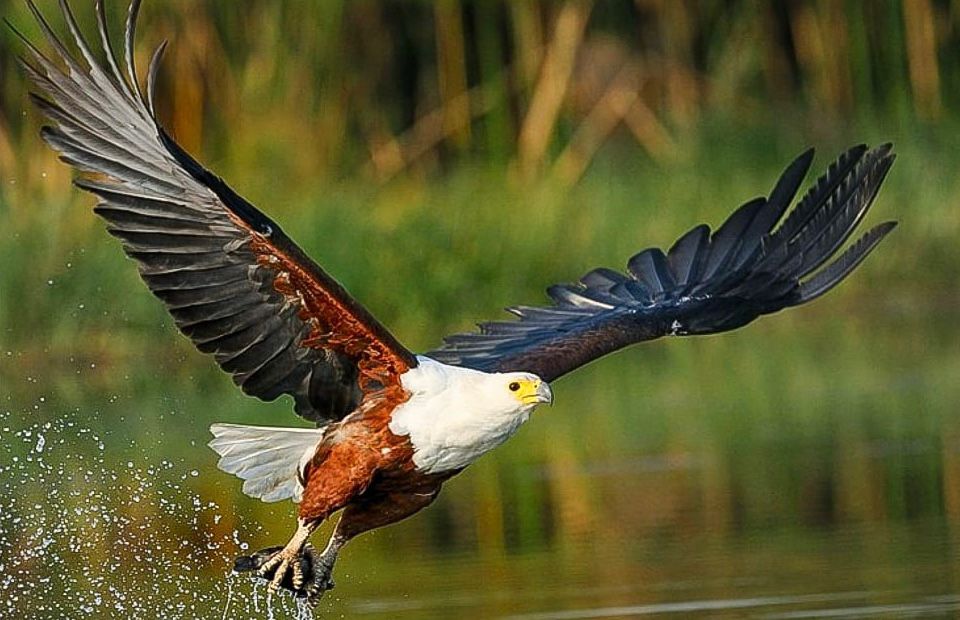 Discover the savannah birds in Queen Elizabeth National Park. The open grasslands provide habitats for iconic species seen during ground and savannah birding safaris:
- Grey Crowned Crane (Balearica regulorum), Uganda’s national bird, easily recognized by its golden crown.
- African Fish Eagle (Haliaeetus vocifer): Often heard before seen, swooping over rivers and lakes.
- Secretary Bird (Sagittarius serpentarius): Ground-dwelling raptor famous for hunting snakes.
- Abyssinian Ground Hornbill (Bucorvus abyssinicus): Typically seen walking across the savannah plains.
Forest and Gorge Birds
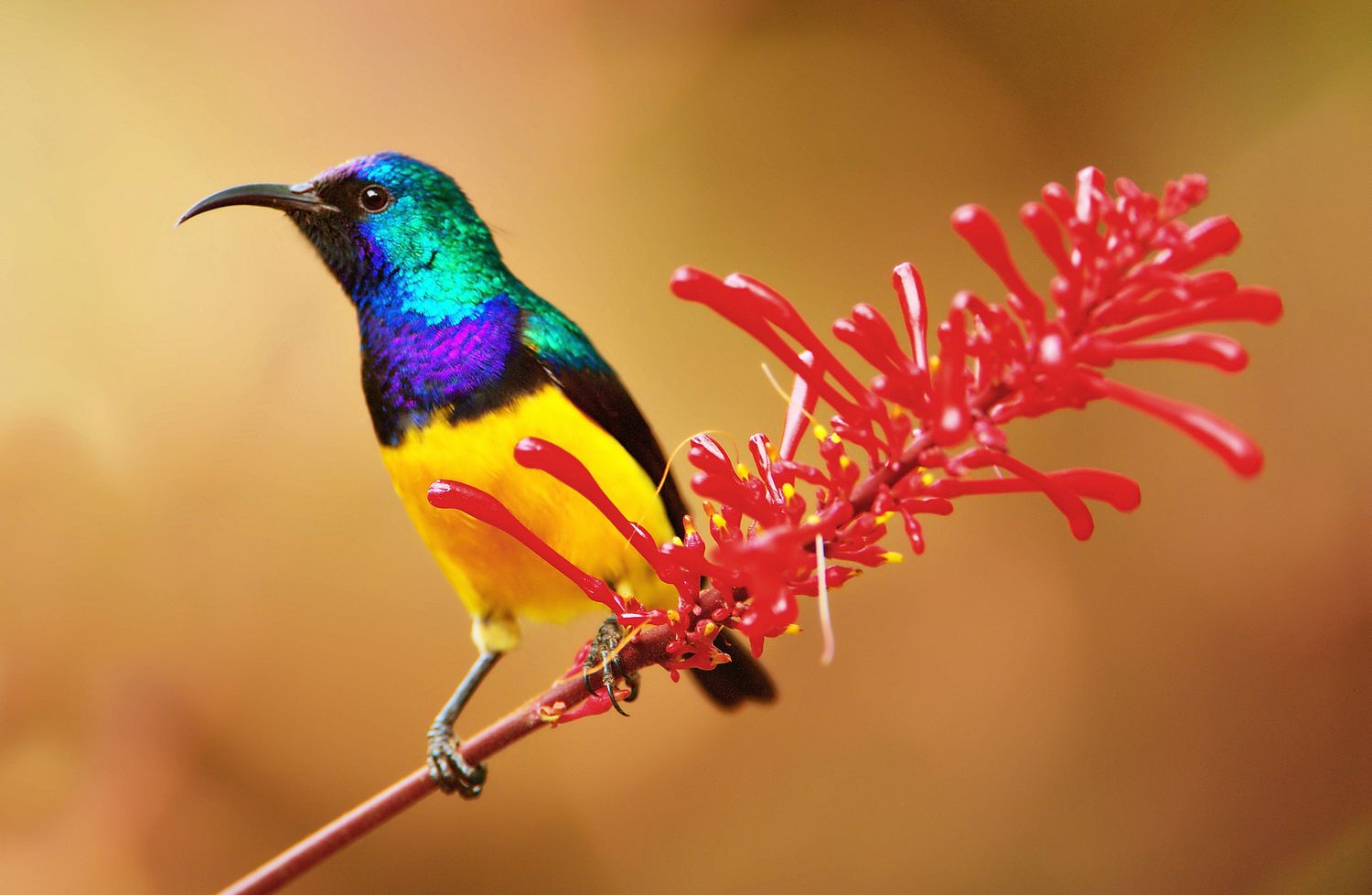 The park’s forests, including Kyambura Gorge, host forest and gorge species. Forest birds are often heard before they are seen, making binoculars essential. The forest and Gorge
- African Emerald Cuckoo (Chrysococcyx cupreus)
- Black-and-white Casqued Hornbill (Bycanistes subcylindricus)
- Sunbirds, flycatchers, and other small colorful species
Birds of Prey
Raptors add excitement to any birding safari:
- Martial Eagle (Polemaetus bellicosus): Africa’s largest eagle.
- Bateleur (Terathopius ecaudatus): Striking eagle with colorful wings in flight.
- Augur Buzzard (Buteo augur): Perches on trees scanning the plains for prey.
Raptors are most active mid-morning and late afternoon.
Best Birding Safari Spots in Queen Elizabeth National Park
Maximize your sightings by visiting these prime locations:
- Kazinga Channel: Top for waterbirds, pelicans, kingfishers, and shoebills. Boat safaris provide excellent close-up views.
- Mweya Peninsula: Savanna birds, raptors, and water birds in one location.
- Kyambura Gorge: Ideal for forest species including hornbills and cuckoos.
- Crater Lakes Region: Seasonal flamingos and other wetland specialists.
- Ishasha Sector: Open grasslands for secretary birds and other ground-dwelling species.
Visiting multiple habitats ensures a diverse birding safari experience.
Best Time for Birding Safaris
Birdwatching is excellent year-round, but timing improves your chances of sightings:
- Dry Season (June–August, December–February): Birds gather near water, making them easier to spot.
- Wet Season (March–May, September–November): Migratory birds arrive, and forest birds are highly active.
- Early Morning: Most active time for bird sightings and photography.
- Late Afternoon: Raptors and water birds are visible near rivers and wetlands.
Birding Safari Packing List
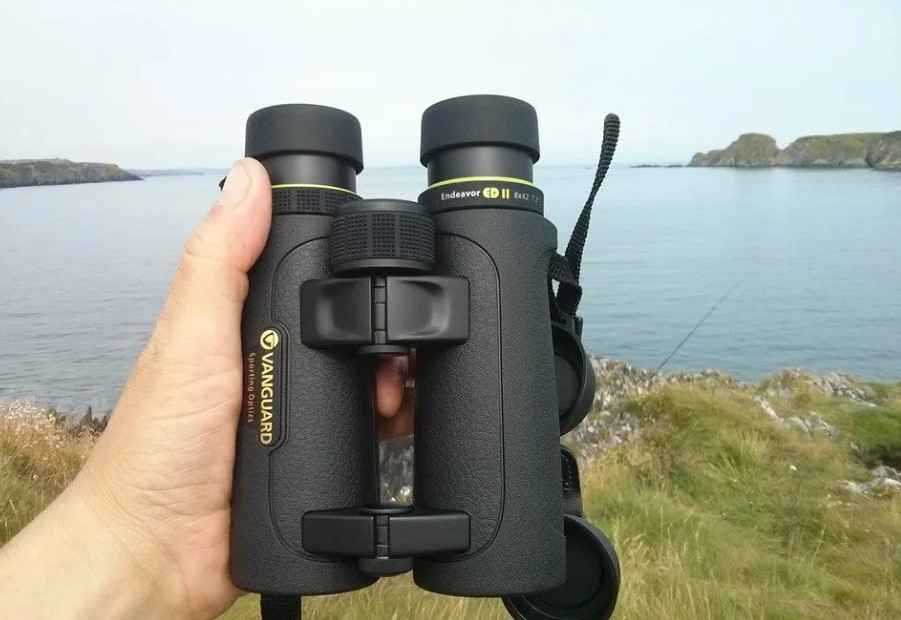 For any birder to Queen Elizabeth National park , endeavour to carry the following items to ensure comfortable and productive birding safari
- Binoculars: Essential for spotting forest and water birds.
- Camera with zoom lens: Capture birds in flight or distant perches.
- Field guide or bird ID app: Quickly identify species.
- Neutral-colored clothing: Helps blend into habitats and avoid spooking birds.
- Hat, sunglasses, sunscreen: Protection during open savannah drives.
- Comfortable walking shoes: For forest or gorge walks.
- Water and snacks: Stay hydrated and energized.
- Notebook (optional): Record species and sightings.
Why Birding Safaris in Queen Elizabeth National Park are Special
Queen Elizabeth National Park offers a world-class birding safari experience:
- High diversity with over 600 species of birds.
- Rare species like the shoebill for bucket-list sightings.
- Opportunities to see birds across multiple habitats in one safari.
- Excellent photographic and observation opportunities.
Even if your safari focuses on mammals, adding a birding component brings constant activity, color, and variety to your safari. Our short 3 Day Queen Elizabeth park Tour reward you with lifetime birding at Kazinga channel, boat cruise and game viewing in the shortest time possible
Conclusively, a birding safari in Queen Elizabeth National Park is an unforgettable experience you should not miss on your next Uganda safari. From rare shoebills and majestic eagles to colorful cranes and kingfishers, the park offers birds in wetlands, savannahs, and forests, providing diverse viewing opportunities. Proper timing, careful planning, and the right gear ensure that your birdwatching adventure in Uganda is both productive and memorable.
For Birding and other wildlife safaris in Queen Elizabeth National Park, Superfine Safaris Limited is at your service! Contact us now for a customized Birding tour and enjoy this lifetime experience at a discount.