
Join our cultural safaris and discover the indigenous Batwa pygmies of Uganda and Rwanda for lifetime cultural experiences with Superfine Safaris Limited. Found deep within the mountainous regions of southwestern Uganda and northern Rwanda, the Batwa pygmies are one of Africa’s most ancient indigenous communities. Known for their deep-rooted connection to the forest, the Batwa pygmies once thrived as hunter-gatherers in some of the region’s most biodiverse ecosystems.
Today, although their traditional way of life has changed significantly, the Batwa pygmies continue to preserve their cultural identity through storytelling, music, and community-based tourism experiences. Visiting the Batwa offers travelers a rare opportunity to step into a culture that predates modern civilization in East Africa.
Who Are the Batwa Pygmies?
The Batwa pygmies are among the earliest known inhabitants of the equatorial forests of Central and East Africa. For generations, they lived in harmony with nature, relying entirely on the forest for food, shelter, medicine, and spiritual fulfillment. Unlike farming communities, the Batwa did not cultivate crops or keep livestock. Instead, they survived through hunting small animals, gathering fruits and roots, and harvesting honey.
Their intimate knowledge of the forest allowed them to thrive in environments that many others could not survive in. Their identity is closely tied to the forest, not just as a home but as a source of life and spirituality.
Where Are the Batwa Found?
Uganda
In Uganda, Batwa communities are mainly located near Mgahinga Gorilla National Park , Bwindi Impenetrable National Park, Lake Bunyonyi , Echuya Forest and Lake Bunyonyi regions. The batwa cultural experience in Mgahinga Gorilla National Park is the best way to experience the traditions, norm, customs and beliefs of these famous people
Rwanda
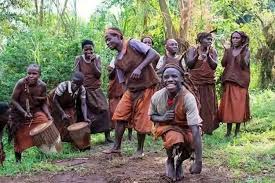 In Rwanda, the Batwa are found near Volcanoes National Park and Areas surrounding Lake Kivu. Thee forest people were forced out of the forest when gorilla tourism and conservation was introduced in Volcanoes National Park. They now reside on the edges of the park and can be visited during the community tour
Traditional Batwa Way of Life
Forest Living
As said earlier, the Batwa Pygmies’ lived in temporary shelters made from tree branches, leaves, and grass. These structures were easy to build and allowed them to move freely as they followed food sources within the forest. Caves and rock shelters were also used, especially during heavy rains or for protection.
Hunting and Gathering
 Hunting was central activity to Batwa survival. Batwa Men typically hunted using Bows, arrows, nets and traps. Women gathered edible plants, fruits, mushrooms, and medicinal herbs. This division of roles ensured the community had a balanced and reliable food supply.
Knowledge of Nature
The Batwa possess remarkable knowledge of forest ecosystems. They can identify edible plants, track animals, and use natural remedies for various illnesses. This knowledge has been passed down orally through generations.
Batwa Culture and Traditions
Music and Dance
Music is a vital part of Batwa culture. Songs are used to celebrate life events, teach lessons, and connect with their spiritual beliefs. Traditional dances often imitate animals and forest activities, reflecting their close relationship with nature.
Storytelling
Stories play an important role in preserving Batwa heritage. Elders share tales that teach survival skills, moral lessons, and the history of their people.
Spiritual Beliefs
The forest is considered sacred. The Batwa believe it is inhabited by spirits that guide and protect them. Rituals and ceremonies are performed to honor these spirits and maintain balance with nature.
Displacement and Modern Life
Life After the Forest
The formation of Bwindi Forest Mgahinga Gorilla and Volcanoes National parks to protect endangered wildlife led to the relocation of the Batwa from their ancestral forests. This marked a major turning point in their history. Without access to the forest, many Batwa lost their traditional livelihoods and were forced to adapt to a completely new way of life.
Current Challenges
Today, many Batwa communities face:
- Limited access to land
- Poverty and unemployment
- Restricted access to education and healthcare
Despite these challenges, various community initiatives and tourism programs are helping to improve their livelihoods.
Batwa Cultural Experiences for Visitors
Visiting the Batwa is one of the most meaningful cultural experiences you can include in a Uganda or Rwanda safari.
In Uganda
 Travelers can take part in guided Batwa cultural experience in Mgahinga Gorilla National Park and near Bwindi Forest. In this experience, the Batwa pygmies demonstrate their traditional way of life. The Batwa Trail experience in Mgahinga is particularly immersive, offering insight into how the Batwa lived in the forest.
In Rwanda
In Rwanda, visitors can meet Batwa communities near Volcanoes National Park, where they perform traditional dances, share stories, and explain their cultural practices.
What You Will Experience
A Batwa cultural visit may include:
- Demonstrations of traditional hunting techniques
- Visits to former forest dwelling sites
- Cultural dances and songs
- Learning about herbal medicine
These experiences are often led by Batwa community members themselves, making them authentic and educational.
Best Time to Visit
Batwa cultural experiences are available throughout the year. However, the best time to visit is during the dry seasons between June to September and December to February. These months offer better road conditions and are ideal for combining cultural visits with gorilla trekking.
Responsible Tourism Tips
When visiting Batwa communities, travelers are advised to travel responsibly, endeavour to
- Respect cultural practices and traditions
- Ask permission before taking photographs
- Support community-based tourism initiatives
- Engage respectfully and openly in their traditional practices
Responsible tourism ensures that your visit benefits the community directly.
Why Include a Batwa Visit in Your Safari?
A Batwa cultural experience adds a powerful human dimension to your safari. While wildlife encounters are unforgettable, meeting the Batwa allows you to connect with the region’s cultural heritage on a deeper level. The batwa experience is an opportunity to learn, appreciate, and support one of Africa’s most unique and resilient communities.
Frequently Asked Questions (FAQs)
- Who are the Batwa pygmies?
The Batwa are an indigenous forest-dwelling people of Central and East Africa, traditionally living as hunter-gatherers in regions now protected as national parks in Uganda and Rwanda.
- Where can I see the Batwa in Uganda?
You can visit Batwa communities around Bwindi Impenetrable National Park and Mgahinga Gorilla National Park, especially in Kisoro and Kabale districts.
- Are Batwa cultural experiences worth it?
Yes, Batwa cultural visits provide a unique and authentic insight into one of Africa’s oldest cultures. They are educational, interactive, and support local communities.
- How long does a Batwa cultural tour take?
Most Batwa cultural experiences last between 2 to 4 hours, though some immersive trails can take half a day.
- Can I combine Batwa visits with gorilla trekking?
Absolutely. Batwa cultural experiences are commonly combined with gorilla trekking in Bwindi Impenetrable National Park , Mgahinga Gorilla National Park or Volcanoes National Park.
- What should I wear for a Batwa cultural visit?
Wear comfortable clothing, hiking shoes, and carry essentials like water, sunscreen, and insect repellent.
- Is it ethical to visit Batwa communities?
Yes, as long as the visit is organized responsibly through community-based tourism initiatives that directly benefit the Batwa people.
- What is the best time to visit the Batwa?
The best time is during the dry seasons (June–September and December–February), although visits are possible all year.
- Do the Batwa still live in forests?
Most Batwa no longer live in forests due to conservation efforts. They now live in settlements near protected areas.
- How does tourism help the Batwa?
Tourism provides income, supports education, and helps preserve cultural traditions by creating opportunities for the Batwa to share their heritage
Conclusively, A visit to the Batwa pygmies is a remarkable way to explore and learn the traditions, norms, customs and beliefs of these indigenous forest people
CONTACT US to book a customized cultural safari to Batwa pygmies