
Discover the indigenous tribes in South Sudan to learn and experience the traditions, beliefs, norms and customs of local South Sudanese with Superfine Safaris Limited. Located in East Central Africa, South Sudan is one of Africa’s most culturally diverse countries, home to over 60 ethnic groups, each with its own language, customs, and identity. Unlike many modern societies, tribal traditions here remain deeply rooted in everyday life shaping social structures, livelihoods, and beliefs. This South Sudan Safaris is an opportunity to explore the major tribes of South Sudan, their traditions, lifestyles, and cultural significance perfect for travelers, researchers, and anyone interested in authentic African heritage.
Overview of Tribes in South Sudan
The people of South Sudan are predominantly organized into tribal communities, where identity is strongly tied to language and ancestry, cattle ownership and pastoral traditions, cultural rituals and ceremonies , land and territory. Most tribes fall into three broad lifestyle categories:
- Pastoralists (cattle keepers)
- Agro-pastoralists (farming and livestock)
- Agricultural communitiesS
The Mundari Tribe
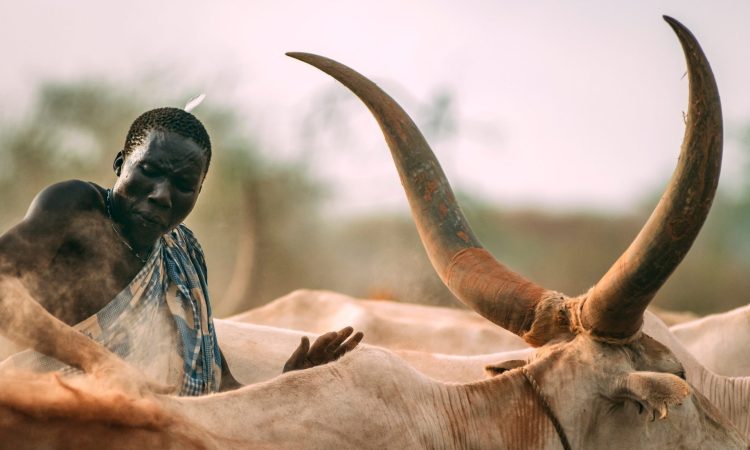 The Mundari are one of the most iconic tribes in South Sudan, known for their striking cattle camps along the Nile.
Key characteristics of Mundari Tribe include
- Strong dependence on cattle for wealth, status, and survival
- Use of ash from cow dung to protect skin and repel insects
- Tall, slender physical appearance
Cultural highlights of Mundari Tribe include
- Cattle-centered lifestyle and rituals
- Evening gatherings around campfires
- Unique hairstyles and body adornment
The Dinka Tribe
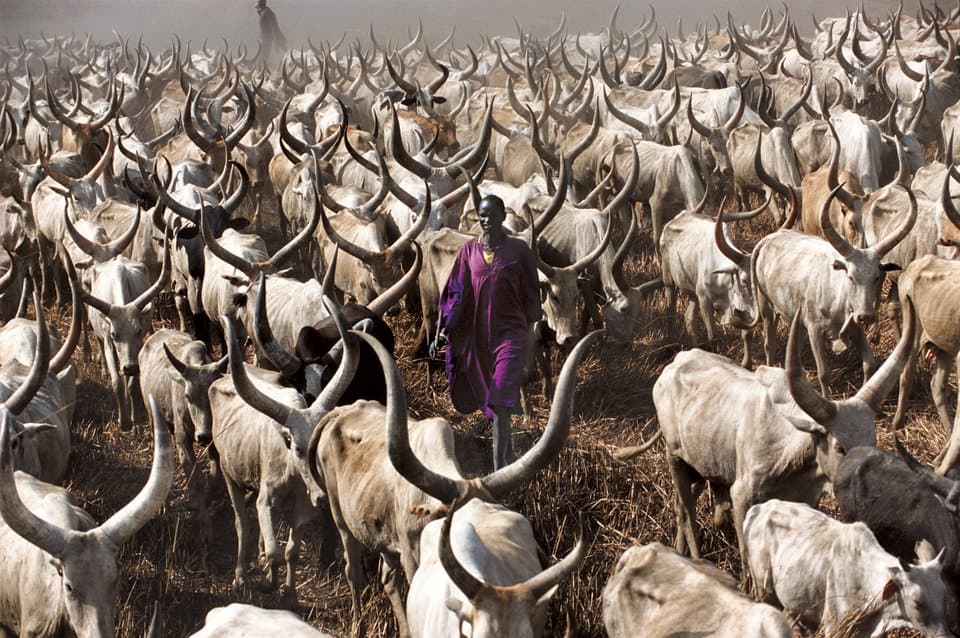 The Dinka are the largest ethnic group in South Sudan and are widely spread across the country. The Dinka tribe entail of semi nomadic pastoralists who move seasonally with their cattle.
Cultural identity of the Dinka Tribe
- Cattle are central to marriage, wealth, and social status
- Known for traditional scarification patterns on the forehead
- Strong community bonds and age-set systems
Beliefs:
- Spiritual connection to nature and ancestors
- Ritual ceremonies linked to cattle and seasonal cycle
The Nuer Tribe
The Nuer tribe are closely related to the Dinka sharing the similar pastoral traditions but maintain a distinct identity. The livelihood of Nuer tribe is based on cattle herding and fishing. These people also have a strong clan-based social structure
Cultural practices:
- Facial scarification as a rite of passage
- Initiation ceremonies marking adulthood
The Shilluk Tribe
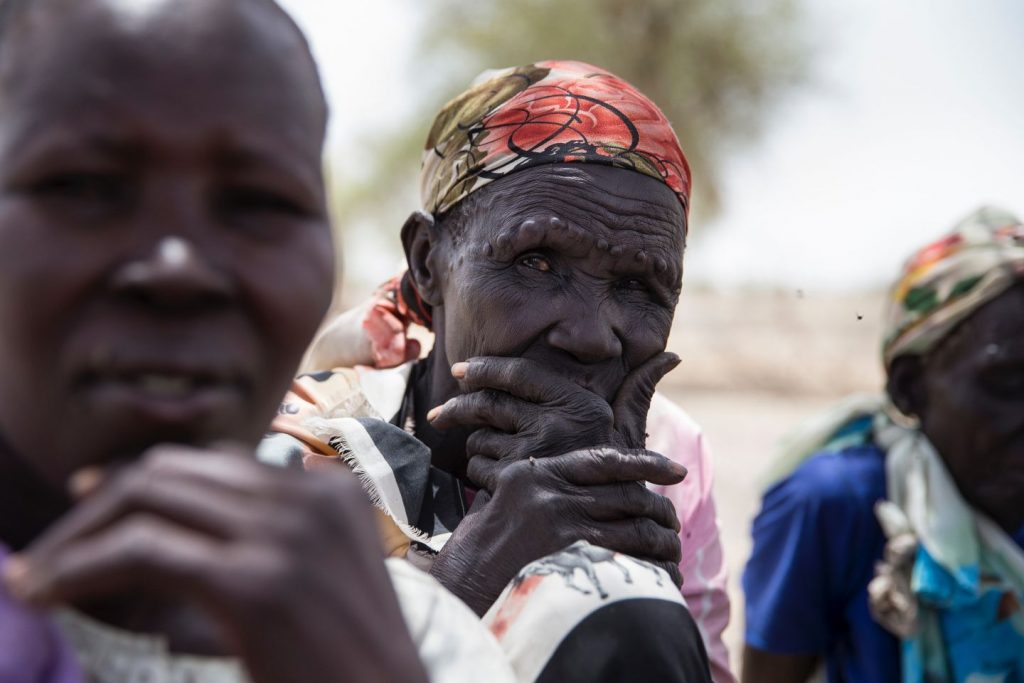 The Shilluk people live along the White Nile and have a unique political and cultural system. These people are led under by a king (Reth) under a traditional monarchy. The primary activities include fishing in the Nile and farming. The Shilluk have a strong historical identity with a rich oral traditions and story telling
The Lopit Tribe
The Lopit people inhabit the eastern hilly and mountainous highlands of South Sudan and are primarily agriculturalists with some livestock. The cultural traits of the Lopit tribe include colorful traditional dances, strong community ritual and deep connection to land and farming cycles.
The Buya Tribe
The Buya are a smaller, lesser-known tribe living in remote regions of South Sudan who specialise in subsistence farming and small scale livestock keeping.
Cultural aspects:
- Traditional beliefs and spiritual practices
- Simple and authentic rural lifestyle
The Lotuke (Latuka) Tribe
The Lotuke, also known as the Latuka, live in the eastern part of South Sudan. The Lotuke are agro-pastoralists combining farming and cattle keeping and they are known for growing crops such as sorghum. Some of the cultural highlights of the Lotuko tribe is the distinctive beadwork ad ornaments, traditional dances and ceremonies, plus strong family and clan systems.
Other Notable Tribes
South Sudan is home to many other ethnic groups, including:
- Bari
- Azande
- Murle
- Toposa
Each contributes to the country’s rich cultural diversity.
Cultural Practices Across Tribes
Cattle Culture
Cattle play a central role in many South Sudanese tribes. These people look at cattle as a symbol of wealth and status, cattle is also used bride price and ceremonies and is also a source of food and livelihood
Scarification
Some tribes practice scarification to mark identity and tribe affiliation. Scarification also symbolizes transition into adulthood
Music and Dance
Traditional music and dance are essential for celebrations, ritual ceremonies and storytelling
Traditional Dress and Adornment
- Beaded jewelry
- Body painting
- Animal skins and handmade garments
Visiting Tribes in South Sudan
Travelers can experience these cultures through guided safaris, especially around Juba and surrounding regions.
Best practices when visiting:
- Respect local customs
- Ask permission before taking photos
- Dress modestly
- Engage respectfully with communities
The Importance of Cultural Preservation
Despite modernization, many tribes in South Sudan continue to preserve their traditions. Responsible tourism plays an important role in:
- Supporting local communities
- Promoting cultural exchange
- Preserving heritage for future generations
Conclusion
The tribes of South Sudan represent one of Africa’s richest cultural landscapes. From the cattle camps of the Mundari to the farming communities of the Lopit and Lotuke, each group offers a unique perspective on life, tradition, and identity.
For travelers seeking authentic cultural experiences, South Sudan stands out as a destination where traditions are not displayed—they are lived.