Distance, Drive Time and Best Routes from Kigali to Akagera National Park
Distance, Drive Time and Best Routes from Kigali to Akagera National Park
Rwanda is often called the “Land of a Thousand Hills,” and nowhere is that more evident than on the journey from Kigali to Akagera National Park. The drive is one of the most scenic safari transfers in East Africa, combining smooth highways, rolling countryside, lakeside landscapes, and glimpses of rural Rwandan life before opening into the savannah wilderness of Akagera.
For travelers visiting Rwanda, Akagera National Park is the country’s premier safari destination and the only park where visitors can see the Big Five; lions, elephants, rhinos, buffaloes, and leopards. Because of its relatively short distance from Kigali, the park is also one of the easiest African safari destinations to access by road.
This guide explores the exact distance from Kigali to Akagera National Park, expected driving times, the best routes to use, road conditions, transportation options, travel tips, and what travelers can expect along the way.
Overview of the Journey
The distance from Kigali to Akagera National Park generally ranges between 110 and 125 kilometers (68–78 miles) depending on the starting point in Kigali and which entrance or lodge inside the park you are heading toward. Most travelers use the southern entrance, which is the main access point to the park.
The drive usually takes between 2 and 3 hours under normal road and traffic conditions. Some sources estimate a minimum of about 1 hour 45 minutes from the eastern edge of Kigali, while travelers heading deeper into the park or to northern lodges may need significantly longer.
One reason the route is popular with tourists is the quality of Rwanda’s roads. Much of the journey is on well-maintained tarmac highways, making the drive relatively comfortable compared to many safari routes elsewhere in Africa.
MAIN ROUTE FROM KIGALI TO AKAGERA NATIONAL PARK
The most commonly used and fastest route follows the eastern highway from Kigali toward Kayonza and Rwinkwavu before turning into the park area.
Standard Southern Route
The standard route goes through Kigali → Rwamagana → Kayonza → Rwinkwavu → Akagera South Gate.
This route is considered the best option for most visitors because it is direct, easy to navigate, and suitable for nearly all vehicles during the dry season.
Step-by-Step Route Description
- Departing Kigali
Travelers usually leave Kigali via the Rwamagana highway heading east. Depending on your location in Kigali, you may pass through areas such as Remera or the Kigali International Airport zone before joining the main highway.
The road out of Kigali is smooth and modern, though morning traffic can be heavy during rush hours. Once outside the city, traffic becomes lighter and the scenery quickly transforms into Rwanda’s famous green hills and agricultural countryside.
- Kigali to Rwamagana
The section between Kigali and Rwamagana is fully paved and generally in excellent condition. The drive features rolling hills, roadside markets, motorcycle taxis, and small trading centers.
Rwamagana is often the first significant stop for travelers who need fuel, snacks, or a short break.
- Rwamagana to Kayonza
After Rwamagana, the road continues eastward toward Kayonza. This section is particularly scenic, with wide-open landscapes, banana plantations, and occasional lake views. Kayonza serves as the major junction town before Akagera. Many travelers stop here for fuel, food, or restroom breaks before entering the park region.
- Kayonza to Rwinkwavu
From Kayonza, drivers turn toward Rwinkwavu and begin approaching the park area. Traffic decreases noticeably, and the environment becomes more rural and wild.
- Final Stretch to Akagera South Gate
The last portion of the drive transitions from paved road to a graded dirt or murram road leading to the southern gate of Akagera. During the dry season, this section is usually manageable in a standard vehicle, although a 4×4 is still preferred for comfort. During rainy months, muddy conditions may make a 4×4 essential.
DISTANCE BREAKDOWN
Although the exact distance varies slightly depending on your route and destination inside the park, most estimates fall within the following ranges:
| Route Segment | Approximate Distance |
| Kigali to Rwamagana | 50 km |
| Rwamagana to Kayonza | 45 km |
| Kayonza to Akagera South Gate | 20–30 km |
| Total Distance | 110–125 km |
Various travel and mapping sources list total driving distances between 105 km and 123 km.
DRIVE TIME FROM KIGALI TO AKAGERA
Average Drive Time
Under normal conditions, the drive from Kigali to Akagera takes approximately:
- 2 to 2.5 hours to the South Gate
- 3 to 4 hours if continuing deep into the park
- Longer if exiting through the North Gate
FACTORS AFFECTING DRIVE TIME
Several factors influence how long the journey takes:
- Traffic in Kigali
Morning and evening traffic in Kigali can slow departure times considerably. Leaving early in the morning helps avoid congestion.
- Weather Conditions
Rainy seasons can make dirt sections slippery and muddy. Some northern roads inside Akagera may become difficult to navigate during heavy rains.
- Stops Along the Way
Many travelers stop for food, fuel, photography, or local sightseeing, which can extend the trip.
- Park Entry Procedures
Registration at the park entrance can sometimes take time, especially during school holidays and busy safari seasons.
SOUTH GATE VS NORTH GATE
South Gate
The South Gate is the primary entrance used by almost all visitors.
Advantages include:
- Shorter drive from Kigali
- Easier road access
- Main reception and visitor facilities
- Better for day trips
- Convenient for first-time visitors
The South Gate is approximately 110–125 km from Kigali.
North Gate
The North Gate is farther away and is mainly used as an exit point or by travelers staying in northern camps and lodges.
Advantages include:
- Access to less crowded northern areas
- Better for longer safari circuits
- Closer to some luxury lodges
However, reaching the North Gate from Kigali may require 160–170 km of driving.
ROAD CONDITIONS
One of Rwanda’s biggest travel advantages is its road infrastructure. Compared to many safari destinations in Africa, the roads to Akagera are relatively smooth and safe.
Paved Roads
Most of the drive from Kigali to Akagera is on high-quality tarmac roads. Travelers consistently describe the route as straightforward and comfortable.
Dirt Roads Near the Park
The final stretch approaching the park becomes unpaved. Conditions vary depending on weather and maintenance schedules.
During the dry season:
- Most vehicles can manage
- Roads are usually firm and dusty
During the rainy season:
- Muddy conditions are common
- 4×4 vehicles are strongly recommended
- Some internal park roads may become difficult
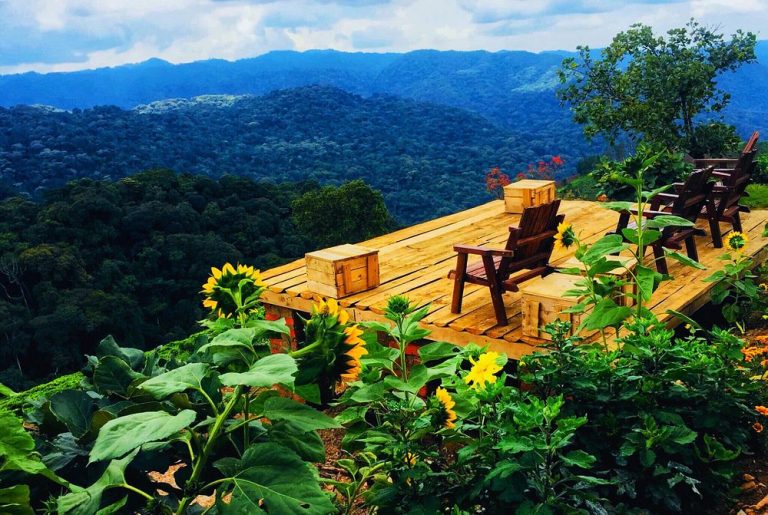
Scenic Highlights Along the Route
The journey itself is part of the experience.
Travelers pass:
- Terraced hillsides
- Banana plantations
- Rice paddies
- Local villages
- Small roadside markets
- Lakes and wetlands
- Traditional rural homes
Several travelers on Reddit and travel forums describe the drive as surprisingly enjoyable because of the changing landscapes and cultural scenery.
As you get closer to Akagera, the terrain gradually shifts from cultivated farmland to savannah ecosystems and wetlands.
TRANSPORTATION OPTIONS
- Self-Drive
Self-driving is increasingly popular among travelers visiting Rwanda.
Advantages:
- Flexibility
- Lower cost
- Scenic freedom
- Easy navigation
Travelers on Reddit frequently report positive experiences self-driving to Akagera, especially when using GPS or offline maps.
However:
- A 4×4 is recommended during rainy periods
- Wildlife spotting inside the park may be harder without a guide
- Guided Safari Transfers
Many visitors prefer guided safari tours that include:
- Transportation
- Driver-guide
- Park entry arrangements
- Game drives
This option removes navigation stress and improves wildlife viewing opportunities.
- Public Transportation
Public buses can take travelers partway toward Kayonza or nearby towns, but reaching the park itself usually requires additional taxi transport.
Most tourists do not use public transport for direct park access.
- Air Transfers
Helicopter transfers are also available from Kigali and can reduce travel time to approximately 20–25 minutes.
BEST TIME TO DRIVE TO AKAGERA
Dry Season
The dry season is generally the best time for road travel and safaris.
Advantages include:
- Easier road conditions
- Better wildlife viewing
- Less mud
- More accessible park tracks
Rainy Season
The rainy season brings greener landscapes and fewer tourists, but roads can become challenging in some areas.
Travelers during rainy months should strongly consider:
- 4×4 vehicles
- Extra travel time
- Daylight driving only
PRACTICAL TRAVEL TIPS
Leave Kigali Early
Most safari operators recommend departing Kigali between 5:30 AM and 7:00 AM.
This allows:
- Arrival before midday heat
- Time for registration
- Afternoon game drives
Fuel Up Before the Park
Fuel stations become less common near the park. Kayonza is usually the best final stop for fuel and supplies.
Avoid Night Driving
Driving after dark is generally discouraged in Rwanda’s rural areas and inside national parks.
Download Offline Maps
Mobile coverage can weaken in remote areas. Offline Google Maps or GPS navigation is highly recommended.
Consider Hiring a Park Guide
Even self-drive travelers often hire guides at the park entrance because guides know animal hotspots and improve safari experiences.
Conclusion
The journey from Kigali to Akagera National Park is one of the most accessible and rewarding safari drives in East Africa. With a driving distance of roughly 110–125 kilometers and an average travel time of 2–3 hours, visitors can move quickly from Rwanda’s modern capital city into a landscape filled with lions, elephants, giraffes, wetlands, and savannah plains. For many visitors, the road to Akagera is more than simply transportation, it is the beginning of the safari experience itself. The gradual transition from Kigali’s urban energy to Rwanda’s wild eastern savannah creates a memorable journey that perfectly introduces travelers to one of Africa’s most remarkable conservation success stories.