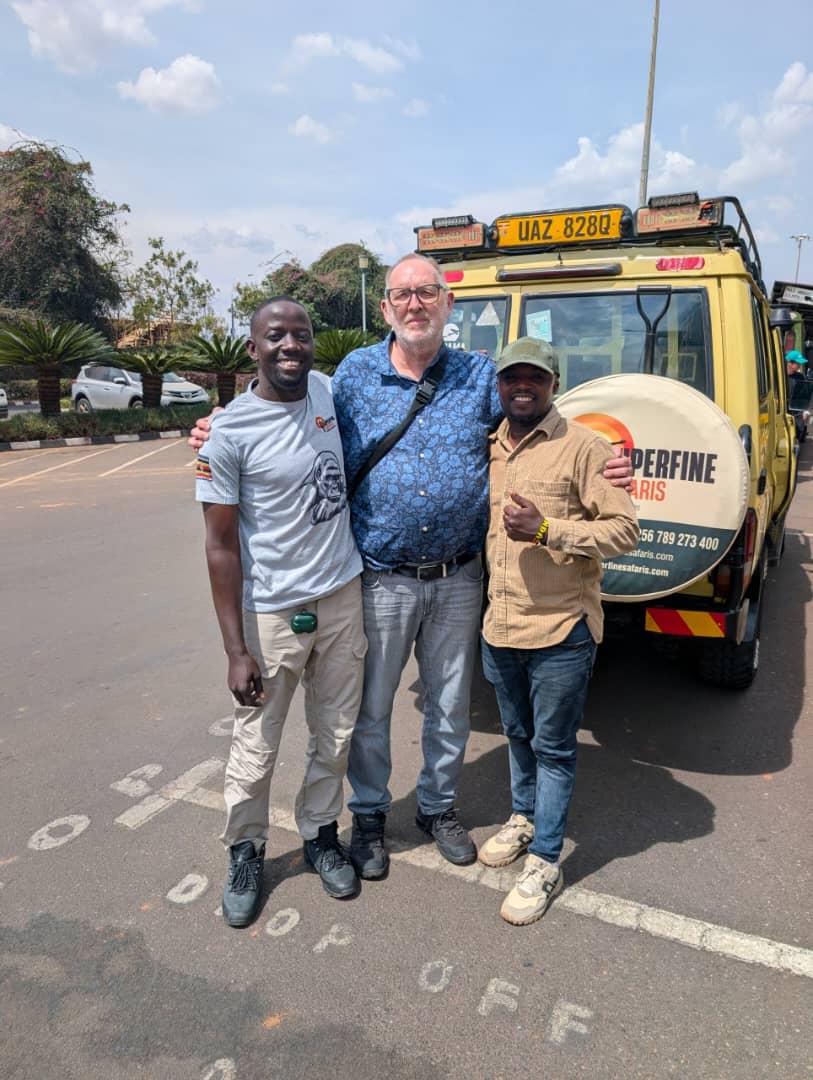
Gorilla trekking is one of the most remarkable wildlife experiences in the world, offering visitors a rare opportunity to observe endangered mountain gorillas in their natural habitat. Destinations such as Bwindi Impenetrable National Park and the Virunga Mountains attract thousands of tourists each year. However, because this activity takes place in remote forests and involves close interaction with wildlife, strict health requirements are enforced to protect both humans and gorillas.
Understanding these health requirements is essential for anyone planning a gorilla trekking adventure.
Why Health Requirements Matter
Gorillas share approximately 98% of their DNA with humans, which makes them highly susceptible to many human diseases. Even common illnesses like the flu or a cold can be fatal to them. For this reason, organizations such as the Uganda Wildlife Authority and the World Wildlife Fund enforce strict health guidelines.
At the same time, trekking conditions can be physically demanding for visitors, requiring a reasonable level of fitness and preparation.
- Physical Fitness Requirements
Gorilla trekking is not a casual walk often involving hiking through dense forests, climbing steep slopes, and navigating muddy or uneven terrain. Treks can last anywhere from one to six hours, depending on the location of the gorilla family.
To participate, visitors should:
- Be in good general health
- Have moderate to high physical fitness
- Be able to walk long distances on rough terrain
- Handle high humidity and altitude conditions
While you don’t need to be an athlete, preparing with regular walking, hiking, or cardio exercises before your trip is strongly recommended.
- Illness Screening and Restrictions
One of the most important health rules is that anyone who is sick is must not trek. This includes symptoms such as:
- Coughing or sneezing
- Fever
- Sore throat
- Runny nose
- Diarrhea or vomiting
Even minor symptoms can pose a serious risk to gorillas. Park authorities conduct health checks before trekking, and visitors may be denied access if they show signs of illness.
In some cases, you may be asked to wear a mask during the trek, especially if there are heightened health concerns.
- Vaccination Recommendations
While there are no universally mandatory vaccines specifically for gorilla trekking, several are strongly recommended to protect your health while traveling in East Africa. These include:
- Yellow fever (often required for entry into countries like Uganda)
- Hepatitis A and B
- Typhoid
- Tetanus
- Measles
COVID-19 vaccination requirements may vary depending on current regulations, so travelers must check the latest guidelines before departure.
It is always advisable to consult your travel agent (Superfine Safaris Uganda) at least 4–8 weeks before your trip.
- Hygiene Protocols During Trekking
Strict hygiene practices are enforced to minimize disease transmission between humans and gorillas. These include:
- Washing or sanitizing hands before the trek
- Covering your mouth when coughing or sneezing
- Maintaining cleanliness throughout the hike
Visitors are also instructed to avoid littering the forest environment.
- Safe Distance Rules
To protect gorillas from human-borne illnesses, trekkers must maintain a minimum distance of 7 meters (about 23 feet) from the animals. Although gorillas may sometimes approach visitors out of curiosity, guides will ensure that safe practices are followed.
Avoid touching gorillas under any circumstances, even if they come close.
- Age Restrictions
Most gorilla trekking programs require participants to be at least 15 years old. This rule helps ensure that visitors are mature enough to follow health and safety guidelines strictly, including maintaining distance and hygiene protocols.
- Altitude and Environmental Considerations
Gorilla habitats are often located at high altitudes, particularly in the Virunga Mountains. This can lead to mild altitude-related symptoms such as:
- Shortness of breath
- Fatigue
- Headaches
Visitors should stay hydrated, pace themselves, and inform guides if they feel unwell during the trek.
- Use of Masks and Protective Gear
In certain situations, especially following global health concerns, visitors may be required to wear face masks when near gorillas. This adds an extra layer of protection against disease transmission.
Other recommended gear includes:
- Sturdy hiking boots
- Long-sleeved clothing
- Gloves (for handling vegetation)
These are not only for comfort but also help prevent injuries and exposure to insects.
- Travel Insurance and Emergency Preparedness
It is highly recommended to have travel insurance that covers:
- Medical emergencies
- Evacuation services
- Trip cancellations due to illness
Given the remote nature of trekking locations, access to medical facilities may be limited, making preparedness essential.
- Responsible Behavior
Health requirements go beyond physical fitness and illness prevention; they also involve responsible behavior. Visitors should:
- Follow all instructions from guides
- Avoid eating or drinking near gorillas
- Dispose of waste properly
- Respect wildlife and the environment
Responsible tourism ensures that gorillas remain safe and that trekking experiences continue for future generations.
Conclusion
Gorilla trekking is a unique and life-changing experience, but it comes with important responsibilities. From maintaining good physical fitness to following strict hygiene and health protocols, every visitor plays a role in protecting these endangered animals.
Ultimately, respecting health requirements is not just about personal safety; it is about preserving one of the world’s most extraordinary wildlife experiences.