RWANDA GORILLA PERMIT COST FOR 2026, IS IT WORTH IT?
Rwanda has positioned itself as Africa’s premium gorilla trekking destination. In 2026, the cost of this wild experience reflects this strategy. The exercise targets travelers who value exclusivity, conservation impact, and ease of access. The key question however, remains simple. Does the price match the value for money?
Gorilla trekking takes place in Volcanoes National Park, a protected area along the Virunga Mountains. This park harbors several habituated mountain gorilla families. Each day, a limited number of visitors enter the forest to spend one hour with these primates. That strict limit shapes both the price and the overall experience.
Rwanda gorilla permit cost for 2026
The standard permit price in 2026 remains at 1500 US dollars per person for foreign non-residents.
This fee applies year-round during peak seasons. It includes; park entry, a guided trek, and one hour with a gorilla family. It does not include transport, accommodation, porter fees, or tips.
There are different price tiers depending on residency:
- Foreign non-residents: 1,500 USD
- Foreign residents in Africa: about 500 USD
- East African citizens: about 200 USD
Discounts exist in low season. Some offers reduce the price to around 1050 USD for international visitors when combined with stays in other parks.
When you compare Rwanda with neighboring Gorilla destinations, the difference is clear. Uganda charges 800 USD for a similar trek, while Congo charges around 400 USD.
Why Rwanda is more expensive on Gorilla Trekking
Rwanda follows a high-value, low-impact tourism model. The country limits visitor numbers and charges a premium. This approach protects gorillas and ensures controlled tourism growth.
Only about 96 permits are available each day in Volcanoes National Park. Each gorilla family receives one group of eight visitors per day. This highly monitored system reduces stress on the animals and improves the quality of your encounter.
A portion of every permit fee supports conservation and community projects. Around 10 percent of tourism revenue funds schools, health centers, and local infrastructure.
This direct link between tourism and conservation has helped increase mountain gorilla populations over the past decades.
Accessibility also drives the price. From Kigali, you reach Volcanoes National Park in about two to three hours on good roads. This short travel time allows you to complete a trek even on a tight schedule. In Uganda, reaching Bwindi Impenetrable National Park often requires longer travel time by road or domestic flights.
Gorilla Trekking experience in Rwanda
The experience starts early in the morning with a briefing at the park headquarters. Rangers assign you to a specific gorilla family based on fitness level and group size. You then hike into the forest with experienced trackers and armed guides.
The trek itself varies. Some groups find gorillas within one hour. Others hike for several hours through steep terrain before meeting the Gorillas. Rwanda’s terrain tends to be more open and less dense than Bwindi, which makes trekking slightly easier for many visitors.
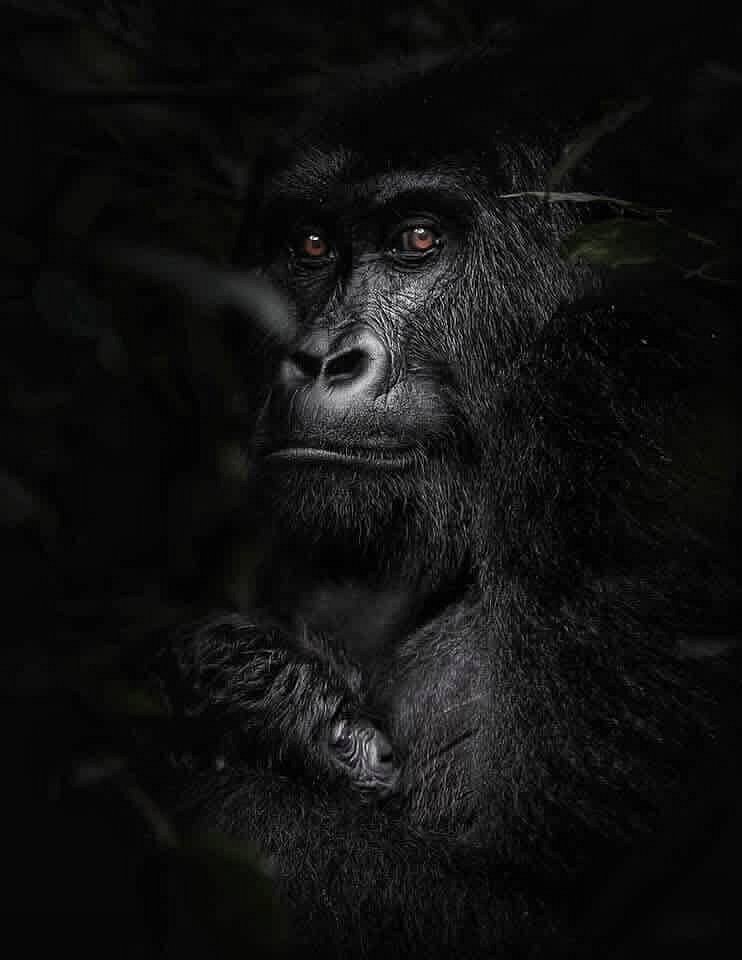
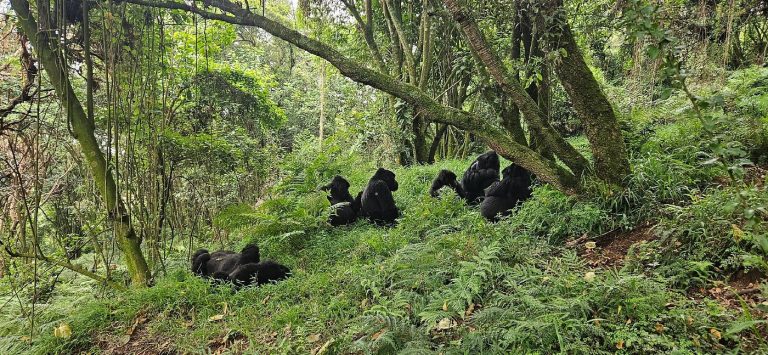
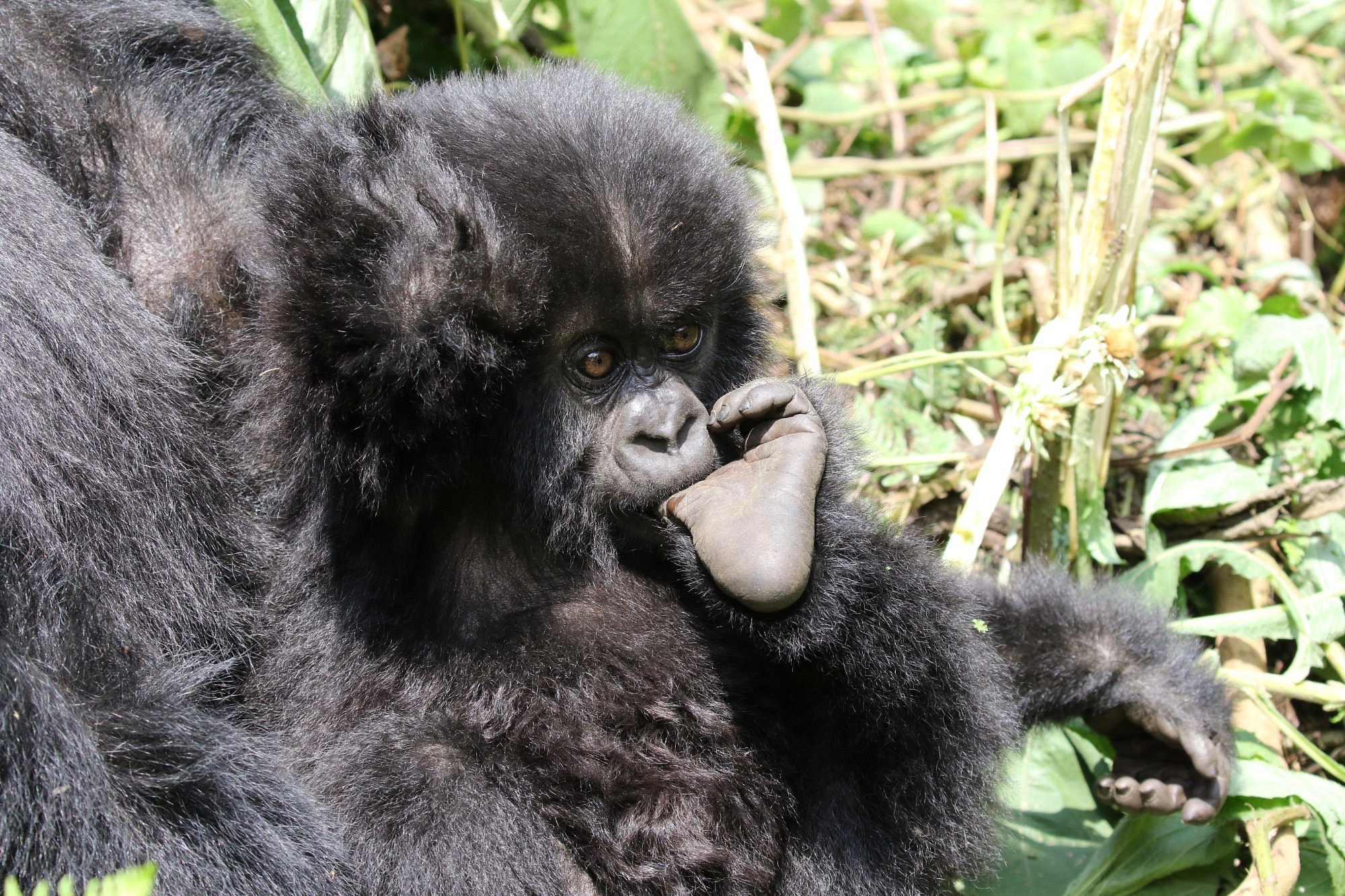
When you find the gorillas, you spend one hour observing them. This hour defines the entire experience. You stand a few meters away as they feed, groom, and interact. You watch a silverback lead the group. You see young gorillas play and climb the trees. The proximity creates a strong emotional connection.
Guides enforce strict rules of keeping a safe distance, avoiding sudden movements, and limiting noise. These rules protect both visitors and gorillas.
Is it worth the price?
Value depends on your travel goals. For many travelers, this experience ranks among the most powerful wildlife encounters on earth. The chance to see mountain gorillas in their natural habitat exists in only three countries of Uganda, Rwanda and DRC.
Rwanda offers three major advantages;
- Ease of access. You save time and reduce travel fatigue. This matters if you have a short itinerary.
- A structured and organized experience. Rwanda maintains strong tourism standards. Briefings, guiding, and logistics run efficiently.
- Fewer visitors per day means less crowding and a more intimate encounter.
However, the cost creates a clear trade-off. At 1500 USD, Rwanda remains one of the most expensive wildlife permits in the world. A full safari package often costs between 3,500 and 7,000 USD per person depending on accommodation level.
If budget matters, Uganda offers a strong alternative. You pay roughly half the permit cost and still see the same species. The main difference lies in accessibility and terrain.
Who should choose Rwanda
Rwanda suits travelers who value comfort, efficiency, and premium service. It fits well if you prefer shorter travel times and high-end lodges.
It also suits photographers and wildlife enthusiasts who want a controlled environment with fewer logistical challenges.
Who might consider alternatives
Travelers on tighter budgets often choose Uganda as earlier said. The experience remains authentic, though the trek may feel more physically demanding and travel times are longer.
Congo offers the lowest permit cost, though it comes with additional logistical and security considerations.
Key factors before you decide
- Availability matters. Permits sell out months in advance, especially during peak seasons from June to September and December to February.
- Fitness matters. Even in Rwanda, trekking involves hiking through uneven terrain at altitude.
- Timing matters. Low season offers potential discounts and fewer crowds, though rain increases trail difficulty.
Final assessment
The 1500 USD price tag in Rwanda reflects a deliberate strategy. You pay for conservation, exclusivity, and ease of access. If you prioritize convenience, structured logistics, and a premium safari experience, Rwanda delivers strong value. If your focus stays on cost efficiency, Uganda offers a more budget-friendly route to the same goal. The decision comes down to how you balance cost against comfort and access. Get more details with us here……….