Among the many cultural treasures, the Inyambo cows in Rwanda stand out as one of the most respected and admired symbols of the nation’s heritage. Known for their long, majestic horns, elegant appearance, and royal association, Inyambo cows are more than ordinary cattle. They are living representations of Rwanda’s history, identity, and traditions. For centuries, these cows have played an important role in royal ceremonies, social life, and cultural expression across the country.
The story of the Inyambo cows reflects the deep relationship between the Rwandan people and cattle. In traditional Rwanda, cattle were not only a source of food or wealth but also a symbol of honor, power, beauty, and social status. Among all cattle breeds, the Inyambo occupied the highest position because they were closely linked to the monarchy and royal court.
Today, the Inyambo cows continue to attract global attention through tourism, cultural festivals, and conservation programs. Their preservation demonstrates Rwanda’s commitment to protecting its cultural identity while embracing modernization.
ORIGIN AND HISTORICAL BACKGROUND OF INYAMBO COWS
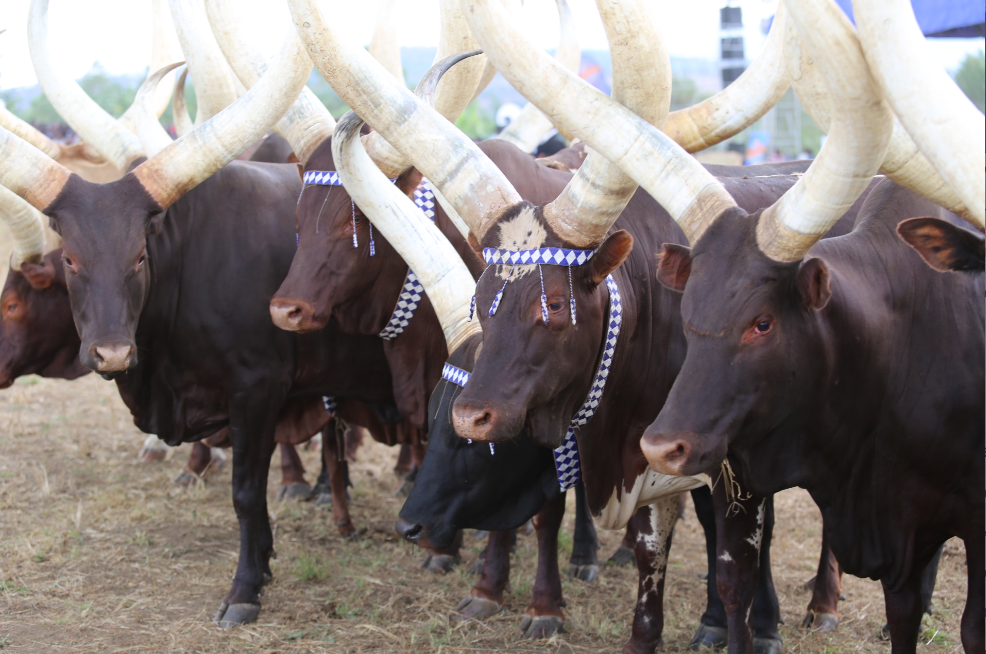 The Inyambo cows are believed to have developed from the long-horned Ankole cattle found in East Africa. Over many generations, Rwandan cattle keepers carefully selected and bred cows with the most attractive horns, calm temperament, and elegant body structure. This process gradually created the unique Inyambo cattle that became associated with the royal kingdom of Rwanda.
In pre-colonial Rwanda, cattle ownership was extremely important. Wealth was measured not only in land or possessions but also in the number and quality of cows a person owned. Kings, chiefs, and wealthy families possessed large herds of cattle, which demonstrated their influence and social position.
The Inyambo cows became especially important in the royal court. Kings selected the finest cattle and assigned special caretakers to raise and protect them. These cows were not mainly used for meat production or heavy farming work. Instead, they served ceremonial and symbolic purposes. Their beauty and grace reflected the prestige of the monarchy itself.
The cows were highly respected, and harming an Inyambo cow was considered a serious offense in traditional society. This respect illustrates how deeply cattle were integrated into the social and political life of Rwanda.
PHYSICAL CHARACTERISTICS OF INYAMBO COWS
One of the most remarkable features of Inyambo cows is their enormous horns. Some horns can grow several feet long and spread widely outward, giving the cows a majestic and almost artistic appearance. The horns are usually symmetrical and curve gracefully, making each animal unique and visually striking.
Apart from their horns, Inyambo cows possess other distinctive physical traits:
Long and Elegant Body Structure
The cows have slender and graceful bodies that allow them to move with elegance during ceremonial parades.
Calm Temperament
Inyambo cows are known for their gentle and calm behavior. This temperament makes them suitable for ceremonial performances and public displays.
Color Patterns
The cows display various coat colors, including white, brown, black, and mixed patterns. Certain colors were historically preferred by royal families.
Strong Adaptation
The breed is well adapted to Rwanda’s environment and climate, making it resilient in local grazing conditions. The beauty of the Inyambo cows is one reason they became cultural icons not only in Rwanda but also across East Africa.
ROLE OF INYAMBO COWS IN THE RWANDAN MONARCHY
The monarchy played a major role in elevating the importance of Inyambo cows. In traditional Rwanda, the king, known as the Mwami, owned special royal herds that symbolized his authority and divine leadership.
The cows participated in royal ceremonies, public celebrations, and cultural rituals. During important events, trained caretakers guided the cows in ceremonial parades while singing traditional songs praising both the cattle and the kingdom.
The cows represented several royal values:
- Power and authority
- Prosperity and wealth
- Unity of the kingdom
- Beauty and dignity
- Peace and harmony
Royal cows received exceptional treatment. Dedicated herders spent years training and caring for them. The cows were fed carefully, protected from danger, and decorated during ceremonies with ornaments and beads. The connection between the monarchy and the Inyambo cows helped establish the cows as sacred cultural symbols throughout Rwanda.
TRADITIONAL TRAINING AND CEREMONIAL PERFORMANCES
One of the most fascinating traditions associated with Inyambo cows is their ceremonial training. Unlike ordinary cattle, Inyambo cows were taught to respond to songs, whistles, and commands from their caretakers.
The caretakers, often highly respected individuals, composed traditional songs known as “Amahamba.” These songs praised the cows’ beauty, strength, and royal importance. During ceremonies, the cows moved slowly and gracefully in response to the singing.
The performances were carefully organized and included:
- Decorative Ornaments
The cows were decorated with beads, ropes, and colorful accessories.
- Coordinated Movement
The cows walked in organized formations that displayed discipline and elegance.
- Singing and Poetry
Traditional songs and poems accompanied the performances, creating a rich cultural atmosphere.
- Public Celebrations
The cows appeared during royal festivals, weddings, harvest ceremonies, and important gatherings.
These performances became one of the most recognizable elements of traditional Rwandan culture.
SOCIAL AND ECONOMIC IMPORTANCE OF CATTLE IN RWANDA
To fully understand the significance of Inyambo cows, it is important to examine the wider role of cattle in Rwandan society.
- Wealth and Social Status
In traditional Rwanda, owning cattle indicated wealth and influence. Families with many cows were highly respected in society.
- Marriage and Dowry
Cows were commonly exchanged during marriage ceremonies as part of bride wealth. This practice strengthened relationships between families.
- Friendship and Diplomacy
Giving cows as gifts symbolized trust, respect, and friendship. Leaders often exchanged cattle to maintain peaceful relations.
- Milk Production
Milk was an important source of nutrition and was widely consumed in Rwandan households.
- Cultural Identity
Cattle became deeply connected to songs, poetry, proverbs, and storytelling traditions.
The Inyambo cows represented the highest level of these social and cultural values.
COLONIALISM AND DECLINE OF THE INYAMBO TRADITION
The arrival of colonial powers in Rwanda brought major social and political changes that affected traditional cattle culture. European colonial administrators introduced new systems of governance and agriculture. Over time, many traditional royal institutions weakened, including the ceremonial role of the Inyambo cows.
Several factors contributed to the decline of the breed:
Introduction of Foreign Breeds
Modern dairy breeds produced more milk, leading some farmers to abandon traditional cattle.
Political Instability
Conflicts and social unrest reduced cattle populations in many regions.
Loss of Royal Structures
The abolition of the monarchy reduced the ceremonial role of the cows.
Urbanization
As cities expanded, traditional cattle keeping practices became less common. By the late twentieth century, concerns grew that the Inyambo breed and its cultural traditions could disappear entirely.
PRESERVATION AND CONSERVATION EFFORTS
Recognizing the cultural importance of the Inyambo cows, Rwanda launched efforts to preserve the breed and protect its traditions.
King’s Palace Museum in Nyanza
One of the most important preservation centers is the King’s Palace Museum in Nyanza. The museum maintains a herd of Inyambo cows and demonstrates traditional cattle practices to visitors. Tourists can watch ceremonial parades and listen to traditional songs performed by the caretakers.
Selective Breeding Programs
Experts carefully manage breeding programs to preserve the cows’ unique genetic characteristics and horn structure.
Veterinary Care
Improved veterinary services help protect the cows from disease and improve their health.
Cultural Education
Schools and cultural institutions teach younger generations about the historical importance of the Inyambo cows. These efforts have played an important role in reviving national interest in Rwanda’s cattle heritage.
TOURISM AND INTERNATIONAL RECOGNITION
The Inyambo cows have become one of Rwanda’s major cultural tourism attractions. Visitors from around the world travel to Rwanda to witness the beauty and ceremonial performances of these iconic cattle.
Tourism related to the cows contributes to:
- Cultural preservation
- Local employment
- National revenue
- International awareness of Rwandan traditions
Photographs of the cows frequently appear in travel magazines, documentaries, and tourism campaigns promoting Rwanda as a destination rich in culture and heritage.
The cows also symbolize Rwanda’s ability to preserve traditional values while developing as a modern nation.
CHALLENGES FACING THE FUTURE OF INYAMBO COWS
Despite successful conservation efforts, several challenges remain.
- Limited Genetic Diversity
Maintaining pure bloodlines can be difficult due to small breeding populations.
- High Maintenance Costs
Caring for ceremonial cattle requires significant resources and specialized knowledge.
- Modern Agricultural Changes
Commercial farming often prioritizes productivity over cultural preservation.
- Climate and Disease Risks
Environmental changes and livestock diseases continue to threaten cattle populations. Addressing these challenges requires continued investment in conservation, education, and cultural promotion.
Conclusion
The Inyambo cows are far more than beautiful animals. They are living symbols of Rwanda’s history, monarchy, culture, and identity. Their majestic horns, graceful movements, and ceremonial traditions have made them one of the most respected cultural treasures in East Africa. For centuries, the cows represented wealth, dignity, and unity within Rwandan society. Although colonialism and modernization threatened their survival, preservation efforts have helped revive and protect this important heritage.
Today, the Inyambo cows continue to inspire pride among Rwandans while attracting admiration from visitors around the world. Through museums, festivals, tourism, and conservation programs, Rwanda ensures that future generations will continue to appreciate the beauty and significance of these extraordinary royal cattle.