
A Rwanda safari itinerary is unlike any other safari in East Africa. Where Tanzania and Kenya deliver the big-game spectacle of the open savannah, Rwanda offers something more intimate and more rare: the mountain gorilla. Home to roughly a third of the world’s remaining mountain gorilla population, Rwanda’s Volcanoes National Park is the centrepiece of almost every Rwanda safari itinerary. But Rwanda is more than gorillas. Nyungwe Forest in the southwest holds 13 primate species and one of the most remarkable canopy walks in Africa. Akagera National Park on the eastern border with Tanzania is a rewarding Big Five destination that has undergone one of the most successful wildlife reintroduction programmes on the continent. And Kigali — one of Africa’s most progressive capitals — bookends every Rwanda safari with a compelling culture and history stop. This guide covers how to plan the ideal Rwanda safari itinerary, from a focused three-day gorilla trip to a comprehensive two-week Rwanda and Uganda combination.
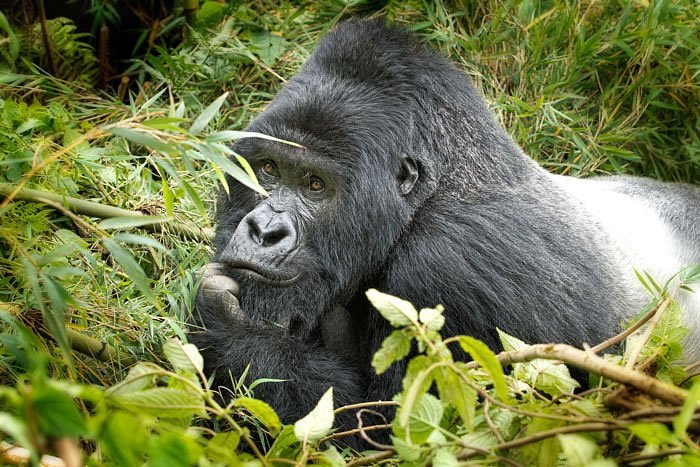
Why Choose a Rwanda Safari?
Rwanda sits in the heart of East Africa’s primate belt — the dense montane forests of the Albertine Rift that stretch from Uganda through Rwanda into the Democratic Republic of Congo. This geography makes Rwanda uniquely positioned for primate experiences: mountain gorillas in Volcanoes National Park, chimpanzees and colobus monkeys in Nyungwe Forest, and golden monkeys in the bamboo zones of the Virunga volcanoes. No other country in East Africa combines these three primate experiences in a single compact destination accessible within a three-hour drive from the capital.
Rwanda is also one of the safest, best-organised safari destinations in Africa. Kigali International Airport receives direct flights from London, Brussels, Nairobi, Johannesburg and Addis Ababa, and the road infrastructure connecting the three main national parks is excellent by regional standards. The gorilla permit system — USD 1,500 per person per trek — is managed with strict controls that protect the gorillas while funding conservation directly. Rwanda’s reputation as a tourism destination has grown considerably since the mid-2000s, and the country now offers some of the finest lodge and camp accommodation in East Africa.
Rwanda’s Three Safari Destinations
Volcanoes National Park — Gorilla Trekking

Volcanoes National Park in northwestern Rwanda is the flagship destination of every Rwanda safari itinerary. Covering 160 square kilometres of montane forest, bamboo and heath across the slopes of five of the eight Virunga volcanoes — Karisimbi, Bisoke, Muhabura, Gahinga and Sabyinyo — the park protects the Rwandan sector of the mountain gorilla’s last remaining habitat. Ten habituated gorilla families are available for trekking, each visited by a maximum of eight guests per day with one hour in the gorilla’s presence. The trek to reach a family ranges from 30 minutes to four hours depending on the group’s position that day.
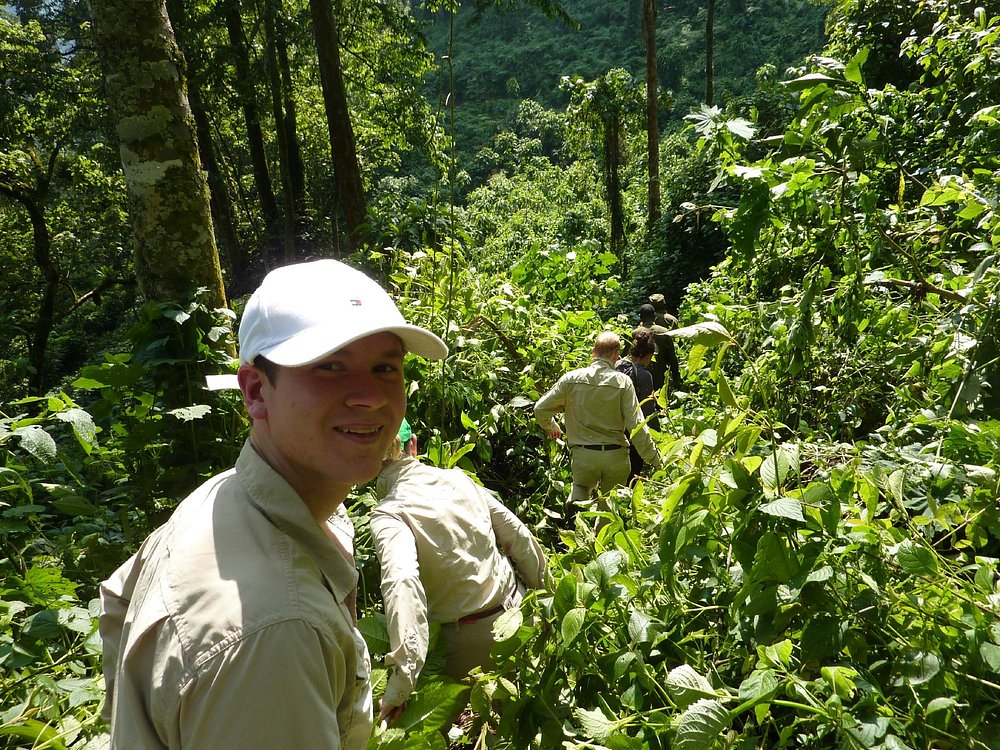
Beyond gorilla trekking, Volcanoes National Park offers golden monkey trekking in the bamboo zones below the forest line, the Dian Fossey Graveyard hike to the site of the Karisoke Research Centre and the grave of the researcher who made the mountain gorilla globally famous, and volcano hikes to the summits of Bisoke and Karisimbi for guests who want a physical challenge alongside their wildlife experience. Most guests spend two to three nights in the park — one day for gorilla trekking, one day for a second activity — staying in one of the excellent lodges on the park boundary. See our gorilla trekking in Rwanda guide for the complete permit process and trekking logistics.
Nyungwe Forest National Park — Chimpanzees and the Canopy Walk

Nyungwe Forest National Park covers 1,019 square kilometres of montane rainforest in southwestern Rwanda — one of the largest intact montane forests in Central Africa and one of the most biodiverse. Nyungwe holds 13 primate species, more than 300 bird species and extensive hiking trail networks through forest that has been continuously wooded since before the last ice age. The park’s two signature experiences are chimpanzee trekking and the canopy walk — a series of suspension bridges 50 metres above the forest floor that gives an extraordinary aerial perspective on the forest canopy and the wildlife within it.
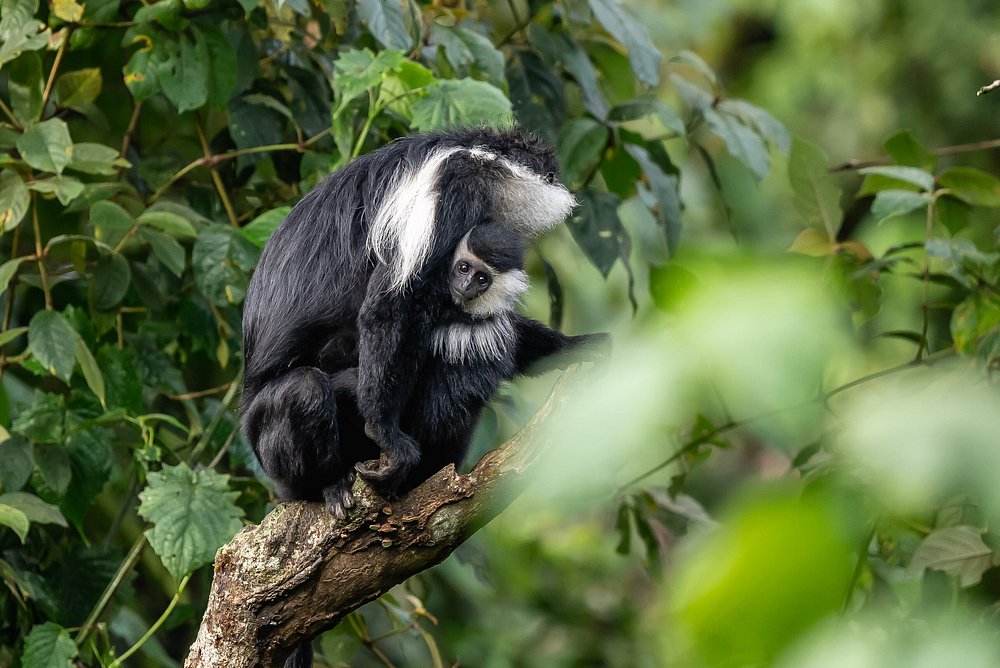
Chimpanzee trekking in Nyungwe follows a similar format to gorilla trekking — guests set out in the early morning with a guide and tracker, locate the habituated community and spend one hour in their presence. Nyungwe’s chimpanzees range more widely than gorillas and the trek can be demanding, but the encounter is genuinely wild and typically less crowded than in Uganda’s Kibale Forest. The Uwinka visitor centre at the heart of the park serves as the base for the canopy walk. Most Rwanda safari itineraries include one to two nights in Nyungwe — long enough for the canopy walk and a chimpanzee trek.
Akagera National Park — The Rwanda Big Five
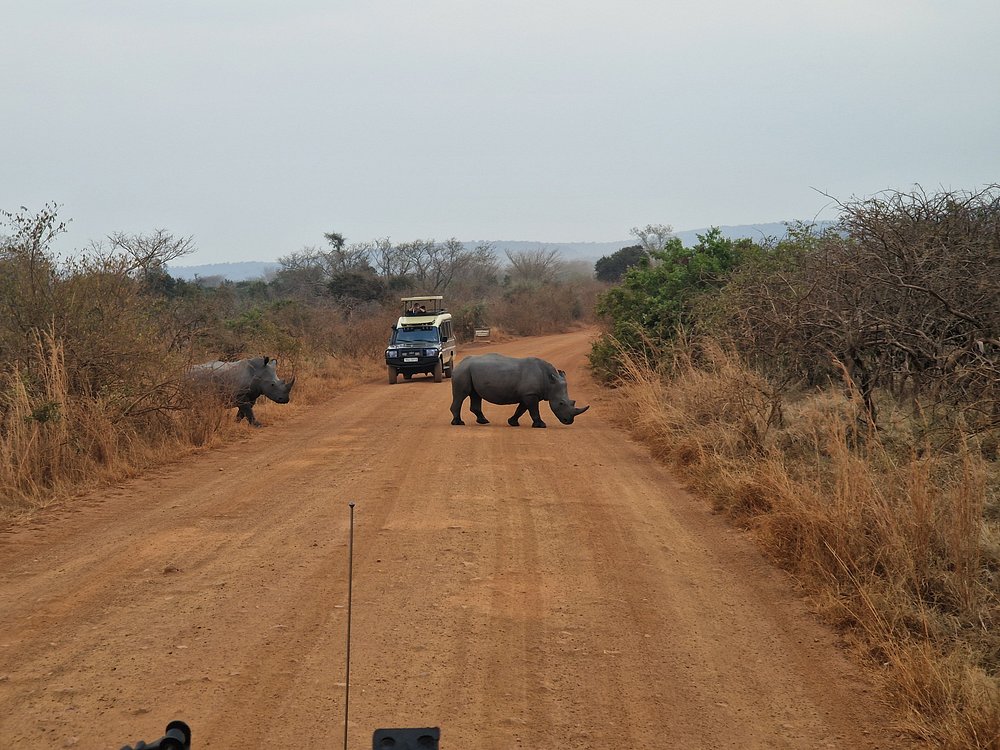
Akagera National Park on Rwanda’s eastern border covers 1,122 square kilometres of savannah, woodland and a chain of lakes along the Akagera River. The park was the site of one of Africa’s most celebrated conservation recoveries: lions were reintroduced from South Africa in 2015 after a 15-year absence, and black rhino were reintroduced in 2017, completing a Big Five that also includes elephant, buffalo and leopard. Today Akagera is a fully functioning Big Five park with a small, uncrowded tourism infrastructure and an excellent tented camp on the shore of Lake Ihema.
Akagera is primarily visited as an add-on to a Rwanda gorilla itinerary — typically one to two nights at the end of the trip before returning to Kigali. The park is three hours from Kigali on a good paved road. Morning game drives around the lakes concentrate on hippo, crocodile, buffalo and the birdlife of the lake margins. Night drives are available through the lodge and offer reliable sightings of civet, genet and occasionally lion. The combination of Volcanoes, Nyungwe and Akagera in a single Rwanda safari itinerary gives a genuinely comprehensive Rwanda wildlife experience across three completely different ecosystems.
Kigali — Rwanda’s Capital

Most Rwanda safari itineraries begin and end in Kigali — and the capital rewards at least a half-day stopover. The Kigali Genocide Memorial Centre is one of the most important historical sites in Africa, documenting the 1994 genocide against the Tutsi in which approximately 800,000 people were killed in 100 days. The memorial is sobering, meticulously presented and essential context for understanding modern Rwanda. The Kimironko market, the Inema Arts Centre and the revitalised city centre give a picture of Rwanda’s remarkable post-1994 transformation. Several excellent restaurants and hotels in Kigali make an overnight stay comfortable.
Rwanda Safari Itinerary Options
3 Days Rwanda Gorilla Trekking
The shortest practical Rwanda safari itinerary focuses entirely on gorilla trekking in Volcanoes National Park. Day one is the drive or transfer from Kigali to Volcanoes (approximately two and a half hours). Day two is gorilla trekking day — a full day in the park, with the trek and the one-hour gorilla encounter. Day three returns to Kigali for a flight home. This itinerary is the entry point for Rwanda — ideal for guests adding Rwanda to a broader East Africa trip or with limited time. See our 3 Days Rwanda Gorilla Trekking safari for the full itinerary.
5 Days Rwanda Safari Itinerary
A five-day Rwanda safari itinerary allows gorilla trekking plus one additional experience — either golden monkey trekking in Volcanoes, a day in Nyungwe Forest, or an add-on to Akagera. The most popular five-day combination is gorilla trekking in Volcanoes (two nights) plus chimpanzee trekking and the canopy walk in Nyungwe (two nights), returning to Kigali on day five. This itinerary covers Rwanda’s two flagship primate experiences in a single trip. See our 5 Days Rwanda Gorillas and Chimpanzee Safari for the detailed day-by-day breakdown.
7 Days Rwanda Safari Itinerary
Seven days is the ideal length for a comprehensive single-country Rwanda safari. A seven-day Rwanda safari itinerary typically covers Kigali (half day), Volcanoes National Park (three nights — gorilla trekking, golden monkey trekking and a volcano hike or Dian Fossey experience), Nyungwe Forest (two nights — chimpanzee trekking and the canopy walk), and a return to Kigali. This itinerary covers Rwanda’s three core primate experiences in a comfortable pace with time for the secondary activities that make each park memorable. See our 7 Days Rwanda Gorilla Trekking Safari for the full itinerary.
8 to 10 Days Rwanda Safari Itinerary
An eight- to ten-day Rwanda safari itinerary adds Akagera National Park to the core primate circuit, giving guests all three of Rwanda’s ecosystems — montane forest gorillas, rainforest chimpanzees and savannah Big Five — in a single trip. A typical ten-day itinerary runs: Kigali (one night), Volcanoes (three nights), Nyungwe (two nights), Akagera (two nights), Kigali (one night for departure). This is the most complete Rwanda safari itinerary available and suits guests who want to see the full range of what Rwanda offers. See our 8 Days Rwanda Gorillas and Wildlife Safari and 10 Days Best of Rwanda Safari for detailed options.
Combined Uganda and Rwanda Safari Itinerary

Rwanda and Uganda share the Virunga gorilla habitat and complement each other perfectly for a combined East Africa primate safari. A combined Uganda and Rwanda safari itinerary typically begins in Entebbe, covers chimpanzee trekking in Kibale Forest, gorilla trekking in Bwindi Impenetrable Forest (Uganda side), crosses the border at Cyanika or Katuna into Rwanda, and continues with gorilla trekking in Volcanoes National Park and Nyungwe Forest before ending in Kigali. This routing gives guests gorillas in both countries, chimpanzees in Uganda and Rwanda, and a complete picture of the Albertine Rift primate ecosystem. See our 12 Days Uganda and Rwanda Safari for the most popular combined itinerary.
Rwanda Gorilla Permits
Rwanda gorilla permits cost USD 1,500 per person for a single gorilla trek — the highest permit fee in the world for gorilla trekking, and deliberately so. The fee funds the Rwanda Development Board’s conservation and community programmes and limits visitor numbers to the minimum necessary to protect the gorillas from habituation stress and disease transmission. Each of Rwanda’s ten habituated gorilla families is visited by a maximum of eight guests per day, making a total of 80 gorilla trek permits available daily in Volcanoes National Park.
Permits sell out months in advance for peak season travel (June–September and December–February) and should be booked at least six months ahead for those periods. Superfine Safaris handles all Rwanda gorilla permit bookings as part of safari packages — contact us well in advance to confirm availability for your intended dates. For the full permit process, see our gorilla trekking in Rwanda guide.
Best Time for a Rwanda Safari Itinerary
Rwanda has two dry seasons and two wet seasons, and gorilla trekking is possible in all months — the gorillas do not follow a seasonal pattern. The preferred seasons for a Rwanda safari itinerary are:
- June to September (long dry season): The most popular season, with lower rainfall, clearer trails and easier trekking through the forest. This period coincides with the peak season for Tanzania and Kenya migration safaris, making combined East Africa itineraries particularly efficient.
- December to February (short dry season): The second-best season, with good trekking conditions and lower permit availability pressures than the June–September peak. December–January is also excellent for Akagera, when wildlife concentrates around the lakes.
- March to May and October to November (wet seasons): Gorilla trekking continues through the wet season, but trails are muddy and steep, and the forest is denser. Permit availability is higher and lodge rates are often lower. Experienced trekkers who do not mind the conditions find the wet season rewarding.
See our best time to visit Rwanda guide for the full monthly breakdown.
Getting to Rwanda
Kigali International Airport is Rwanda’s only international airport and the arrival point for all Rwanda safari itineraries. Direct international routes serve Kigali from London Heathrow (RwandAir), Brussels (Brussels Airlines), Nairobi (multiple carriers), Addis Ababa (Ethiopian Airlines), Johannesburg and several other African hubs. Most European and American guests arrive via a single-stop connection through Nairobi, Amsterdam or Brussels. The airport is 10 kilometres from the city centre with a journey time of approximately 20 minutes. Transfers to Volcanoes National Park take two and a half hours from Kigali by road.
Rwanda Safari Packages from Superfine Safaris
- 3 Days Rwanda Gorilla Trekking Safari — The essential Rwanda experience: Kigali arrival, one gorilla trek in Volcanoes National Park and return. Ideal as a standalone or as part of a broader East Africa trip.
- 5 Days Rwanda Gorillas and Chimpanzee Safari — Gorilla trekking in Volcanoes National Park plus chimpanzee trekking and the canopy walk in Nyungwe Forest.
- 7 Days Rwanda Gorilla Trekking Safari — The most complete single-country Rwanda primate circuit: gorillas, golden monkeys, Volcanoes hike and Nyungwe chimpanzees.
- 8 Days Rwanda Gorillas and Wildlife Safari — The full Rwanda circuit including Volcanoes, Nyungwe and Akagera National Park for Big Five game viewing.
- 10 Days Best of Rwanda Safari — Rwanda’s most comprehensive itinerary covering all three national parks in depth with time for secondary activities in each.
- 12 Days Uganda and Rwanda Safari — The ultimate Albertine Rift primate circuit: Kibale chimpanzees, Bwindi gorillas, Volcanoes gorillas and Nyungwe Forest.
Contact Superfine Safaris Limited to design a custom Rwanda safari itinerary tailored around your dates and gorilla permit availability.
Rwanda Safari Itinerary FAQ
How many days do I need for a Rwanda safari?
A minimum of three days is needed for a Rwanda safari focused entirely on gorilla trekking. Five to seven days covers gorilla trekking plus Nyungwe Forest comfortably. Eight to ten days is needed to include Akagera National Park and experience the full range of Rwanda’s ecosystems. Most guests find seven days to be the ideal Rwanda safari length for a standalone trip.
Is Rwanda worth visiting without gorilla trekking?
Yes — Nyungwe Forest is one of the most remarkable primate and birding destinations in Africa independent of the gorilla experience, and Akagera is a genuinely rewarding Big Five destination. However, gorilla trekking is Rwanda’s signature experience and the reason most guests visit, and the permit cost (USD 1,500) is best justified by combining it with the rest of the country.
How does a Rwanda safari compare to Uganda for gorillas?
Both countries offer mountain gorilla trekking in the Virunga ecosystem. Rwanda’s permit costs more (USD 1,500 vs Uganda’s USD 800) but Rwanda’s lodges are generally more polished, the infrastructure better, and the Volcanoes National Park setting — with the volcanic peaks as a backdrop — is considered by many to be more dramatic. See our Bwindi vs Volcanoes National Park guide for a detailed comparison.
Can I combine Rwanda with Tanzania or Kenya?
Yes — a popular combination is Rwanda gorilla trekking followed by or preceded by a Tanzania Serengeti safari or Masai Mara game drive. The most logical routing is Kigali to Nairobi (one hour by air) then into the Masai Mara or Amboseli. The contrast between Rwanda’s forest primate experience and Tanzania’s open savannah migration is one of the most complete safari itineraries in East Africa.
Plan Your Rwanda Safari
Get a free, no-obligation quote for a Rwanda safari itinerary including gorilla permits, park logistics and the right camps for your budget.
- ✓ Gorilla permits secured in advance
- ✓ Expert English-speaking guides
- ✓ Volcanoes, Nyungwe & Akagera options
- ✓ Uganda extensions available
- ✓ All transfers & park fees included
Rwanda Quick Facts
- Capital: Kigali
- Key parks: Volcanoes, Nyungwe, Akagera
- Gorilla permit: USD 1,500 per person
- Best months: Jun–Sep & Dec–Feb
- Currency: Rwandan franc (RWF)
- Visa: On arrival for most nationalities