
How to choose a safari operator in East Africa is one of the most challenges faced by most first time travelers. Most safari disappointments trace back to a single decision made before the trip started: choosing the wrong operator. The park is the same, the animals are the same, the permit costs the same but one group spends an hour with mountain gorillas guided by someone who knows each family member by name, while another group does the same trek with a guide who was hired last week. One group has their airport transfer waiting; another lands to silence. The operator is the difference. Here is how to choose a safari operator you can trust.
Start Here: Local Ground Operator or International Agent?
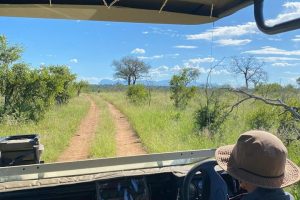
When you enquire about a safari, you are usually talking to one of two types of business. A ground operator is physically based in the destination country — they employ the guides, hold the permit allocations, book the lodges directly and have someone in-country when your trip is running. An international agent takes your booking, adds a margin and sends the work to a ground operator. Both exist legitimately, but the distinction matters for two reasons: price and accountability.
Booking through an agent means paying the agent’s commission on top of the ground cost. It also means that when something goes wrong in the field — a permit date changes, a transfer does not arrive, a lodge has a problem — you are one communication step removed from the person who can actually fix it. On a two-week itinerary through three countries, that step matters.
We are a ground operator. Superfine Safaris is based in Kampala, Uganda. We design every itinerary, employ our own guides, book lodges directly and hold our own permit allocations with Uganda Wildlife Authority. When you WhatsApp us at 5 a.m. because your departure transfer is late, our operations team picks up — not a customer service agent in another timezone.
Neither model is inherently wrong, but knowing which one you are dealing with helps you read a quote accurately and understand where accountability sits.
Check the Licence First

Every legitimate operator in East Africa holds a licence from the national tourism authority of the country they operate in. This is not a bureaucratic formality it is the baseline check that separates registered businesses from informal operations with no accountability.
- Uganda: Licensed by the Uganda Tourism Board (UTB). Ask for the UTB registration number. The UTB maintains a public register you can verify against.
- Kenya: Licensed by the Tourism Regulatory Authority (TRA).
- Tanzania: Registered with the Tanzania Tourist Board (TTB).
- Rwanda: Licensed by the Rwanda Development Board (RDB) — the same body that controls gorilla permit allocations.
Ask for the licence number in your first exchange. A legitimate operator provides it without hesitation. One who deflects the question, offers a vague answer or points you to an unverifiable document is not registered. Do not proceed.
Industry association membership — Uganda Tourism Association, Association of Tanzania Tour Operators, Kenya Tourism Federation — is a positive signal but not a substitute for the government licence.
Read the Quote Like a Contract
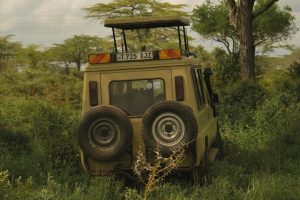
The quote is the most revealing document in the booking process. A well-built quote is an itemised breakdown of every cost component. A poorly built quote is a single number with a destination attached. The difference between those two quotes of the same total price can be USD 2,000 in excluded park fees and permits.
A quote you can trust will name:
- Specific accommodation — the actual lodge name, room type and meal plan on each night. “Mid-range lodge in the Mara” is not a booking. “Keekorok Lodge, standard room, full board” is.
- Park fees — listed as a line item with the actual amount. Kenya’s Masai Mara charges USD 200 per person per day; Tanzania’s Serengeti charges USD 70. These are substantial sums. If they are folded into a headline total without being named, ask the operator to break them out.
- Primate permits — stated explicitly as included or excluded, with the cost. If the itinerary includes gorilla trekking and the permit is not mentioned in the quote, it is excluded. A Uganda gorilla permit is USD 800 per person; Rwanda’s is USD 1,500. These are not small line items to miss.
- Vehicle and guide — private or shared, named guide where possible, guide qualifications noted.
- Transfers — airport to lodge and back, inter-park transfers, internal flights where applicable. All confirmed, not implied.
- Exclusions stated clearly — international flights, travel insurance, alcoholic drinks, tips, optional activities. Reputable operators list these so you know exactly what is and is not in the price.
When two quotes for the same itinerary look very different in price, put them side by side and compare each line. The savings in the cheaper quote are usually found in the items it leaves out.
Permits Are Where You Find Out Who You Are Dealing With
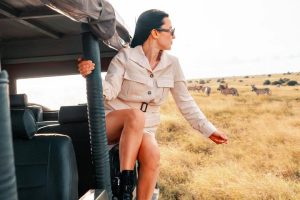
Nothing exposes an operator’s competence and honesty faster than how they handle gorilla and chimpanzee permits. These permits are limited, non-transferable, non-refundable and in fierce demand during peak season. Uganda Wildlife Authority allocates eight trekkers per gorilla family per day. Rwanda Development Board does the same. When July and August permits go, they go — there is no waitlist, no back-door alternative, no “sorting it on arrival.”
An operator who handles permits properly will confirm availability for your specific dates before asking for a deposit, explain whether permits are included in the quote or invoiced separately, provide permit certificate documentation before travel, and have a clear policy for what happens if illness prevents you from trekking on the day.
An operator who is vague about permit availability, who says permits can be arranged closer to the date for peak-season travel, or who cannot tell you directly whether they book through UWA or a third party is an operator without reliable permit access. On a trip where the gorilla trek is the centrepiece of a USD 4,000 per person itinerary, “we’ll sort it” is not an acceptable answer.
At Superfine Safaris we hold direct permit allocations with Uganda Wildlife Authority for Bwindi and Mgahinga, and have established relationships with the Rwanda Development Board for Volcanoes National Park. If permits are available for your dates, we confirm it in writing before you pay anything.
Your Guide Is the Trip
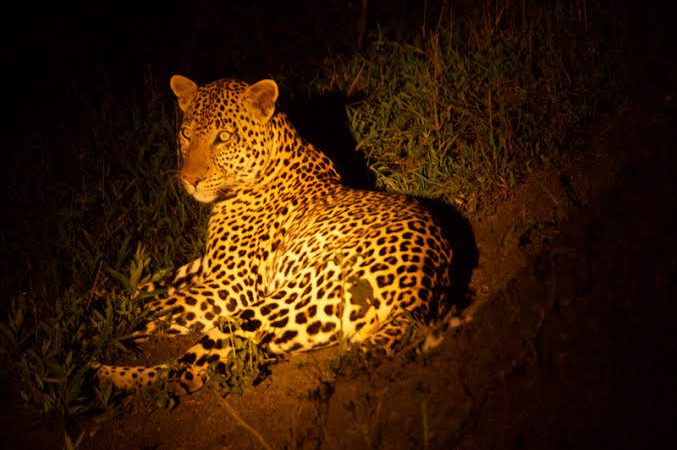
Everything else , the lodge, the vehicle, the itinerary is the setting. The guide is the experience. An exceptional guide reads animal behaviour before it happens, knows individual lions and gorilla families by observation over years, brings ecological context to every sighting and handles the unexpected with calm competence. A poor guide drives past the same animals and reads the species from a laminated card.
The questions that tell you what you are getting:
- Are your guides employed directly by you, or contracted per trip? (Direct employment means investment in long-term quality; per-trip contracting means variable standards.)
- What certification do they hold? In Uganda: Uganda Wildlife Authority guide certification. In Kenya: Kenya Professional Safari Guides Association grading.
- How many years have they been guiding in the specific parks on my itinerary?
- Can you tell me the name of the guide who will be with us before I pay?
An operator who can answer these specifically, and who can name your guide before you commit, is an operator who takes guiding seriously. One who answers in generalities — “all our guides are experienced and qualified” — is telling you they do not differentiate between good and mediocre, or that guide assignment is not confirmed until shortly before travel.
Our guides are directly employed, UWA certified and assigned to parks where they have built years of specific field knowledge. We can tell you your guide’s name and background before you make a deposit.
How Communication Before Travel Predicts Everything After
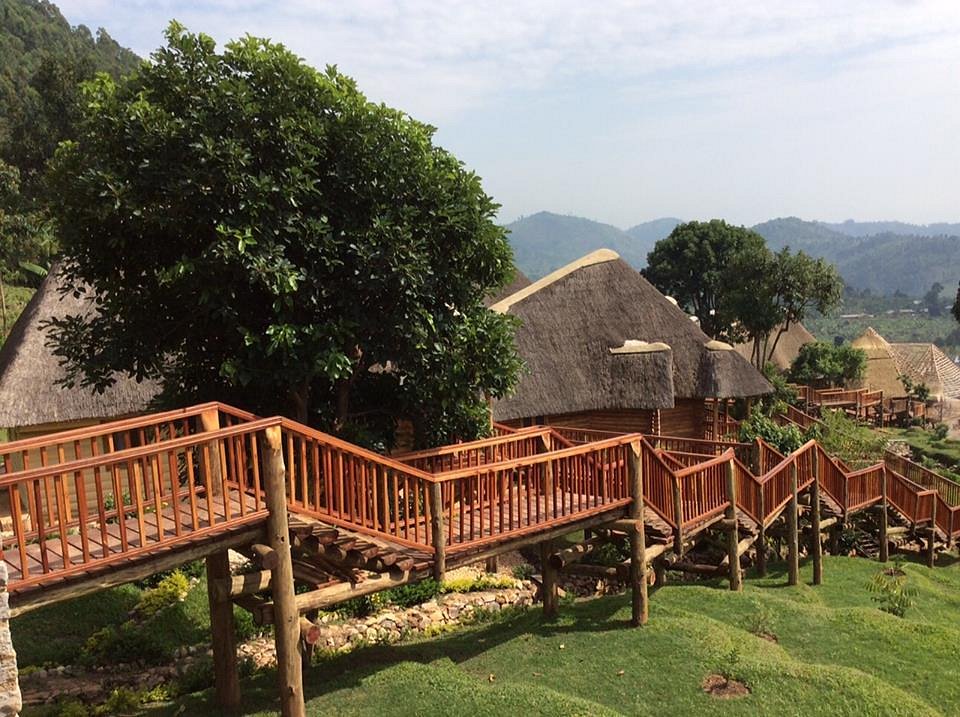
How an operator communicates during the enquiry and booking stage is the clearest signal you will get of how they will communicate when you are in the field. An operator who responds within 24 hours, answers every question specifically, sends a detailed itinerary unprompted and follows up on unresolved items is an operator who will answer the phone at 5 a.m. when your transfer is late. An operator who takes a week to reply, sends a template response, and follows up only with a payment link is showing you exactly what post-booking communication will look like.
Before you pay a deposit, test it. Ask a specific question — about permit availability for your exact dates, about which guide will take you through Bwindi, about what happens if rain closes a specific road on your game drive day. The quality and speed of the answer is your preview of the entire trip.
Red Flags Worth Walking Away From
The East Africa safari market has legitimate operators at every price point. It also has businesses that oversell, underdeliver and disappear when things go wrong. These are the signs:
- “Permits can be arranged on arrival” for peak season. They cannot. Anyone saying this either does not understand the permit system or is hoping you will not find out until you are already there.
- A quote with no itemisation. If you cannot see what you are paying for line by line, you do not know what you are buying.
- No verifiable physical presence in the destination country. No office address, no named staff, no licence number. If the only thing connecting the operator to East Africa is their website, ask who actually runs the trip on the ground.
- Prices dramatically below every comparable quote. Park fees are fixed. Permits are fixed. Lodge rates have a floor. A quote 40% below the market is missing something — inclusions, quality or both.
- Pressure to pay the full amount upfront. A standard deposit is 20–30% at booking. Full payment is typically due 60–90 days before travel. Demands for immediate full payment before documentation is sent are not standard practice.
- No written cancellation policy. What happens to your money if you need to cancel? If the operator cannot send this document, that absence is itself an answer.
- Reviews that cluster in a short window and use similar phrasing. Read reviews across a longer time period on TripAdvisor, Google and Safari Bookings. Pattern recognition matters more than the star rating.
The Difference Between Cheap and Good Value
The best-value operators in East Africa are not the cheapest ones. They are the ones where every line item in the quote is defensible — where the park fees are listed and real, where the guide has a name and a track record, where the lodge is the one in the photos, and where the permit certificate arrives in your inbox before you board the plane. That combination exists at budget, mid-range and luxury price points. The price tier changes the accommodation and the vehicle. The transparency and the accountability should not change.
When you find a quote that is significantly cheaper than others for what looks like the same trip, do not dismiss it and do not accept it uncritically. Ask the operator to match their quote against the others line by line. Show them what is included elsewhere. A confident operator with a genuinely good product will engage with that comparison directly. One who cannot explain the gap is confirming that the gap exists for a reason.
Questions to Ask Before You Pay Anything
- Can you confirm gorilla or chimpanzee permit availability for my exact dates in writing?
- Are all park entry fees included in this quote, itemised by park and day?
- What is the name of the guide assigned to my trip, and what are their qualifications?
- Are we in a private vehicle or sharing with other guests?
- What specific lodges are booked on each night, and what meal plan applies?
- What are the transfer arrangements on arrival and departure days?
- What is your tourism authority licence number?
- What is your cancellation policy, and can you send it in writing now?
- Who do I contact if something goes wrong in the field, and what is their direct number?
- Can you provide two or three references from clients who did a similar itinerary in the past twelve months?
A good operator answers all ten without hesitation. Hesitation, redirection or a request to revisit these questions after the deposit is a signal worth taking seriously.
Why People Book with Superfine Safaris
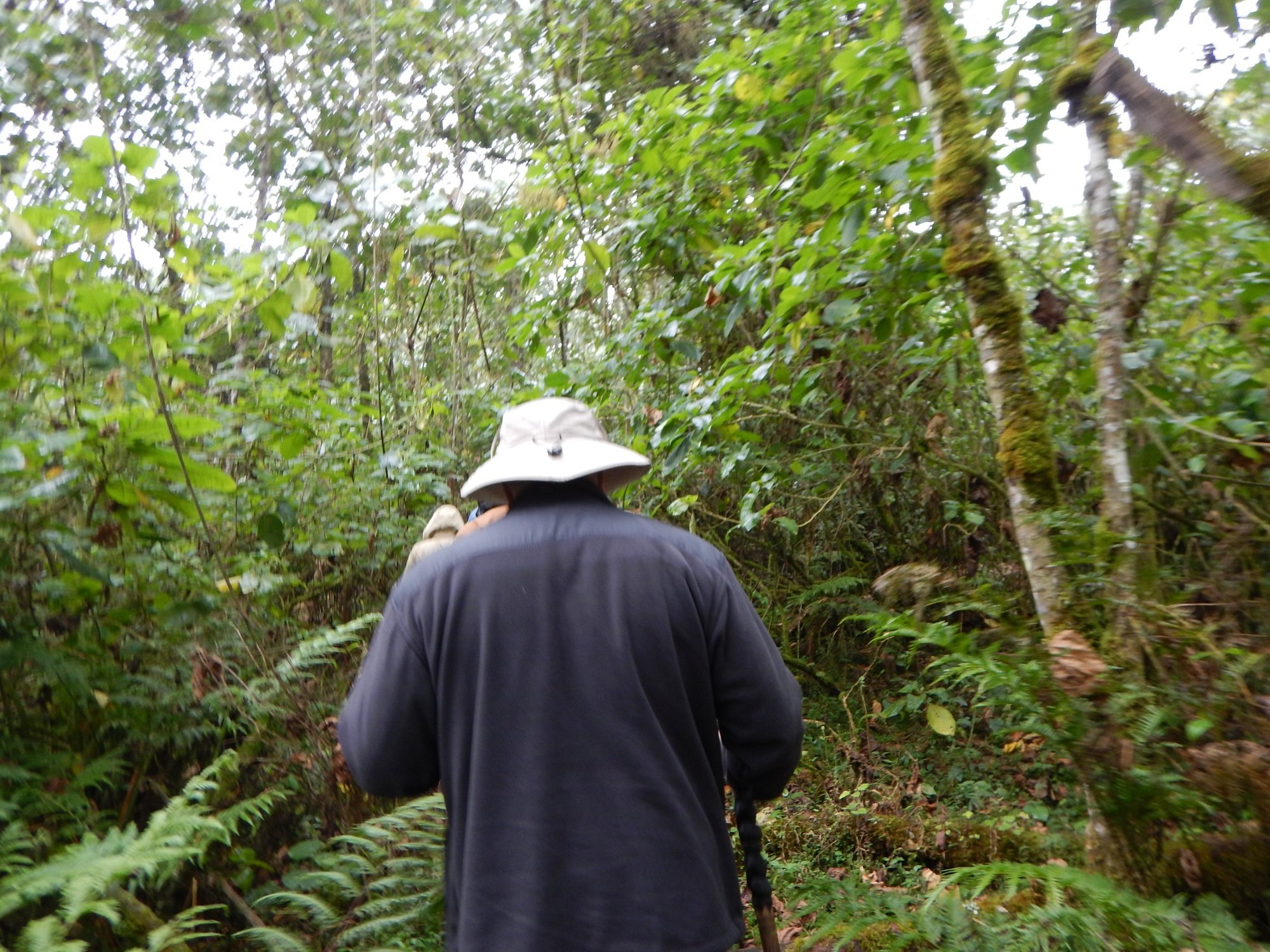
We will not claim to be the only good operator in East Africa — there are others we respect. What we can tell you plainly is what we offer.
We are a Uganda Tourism Board licensed ground operator, based in Kampala. We design and run itineraries across Uganda, Rwanda, Kenya and Tanzania. Our guides are employed directly by us, Uganda Wildlife Authority certified, and assigned to parks they know deeply — not rotated generically. We hold permit allocations directly with Uganda Wildlife Authority for Bwindi Impenetrable and Mgahinga, and have direct relationships with Rwanda Development Board for Volcanoes National Park. Every quote we send is fully itemised: named lodges, listed park fees, permits specified, exclusions stated. Our cancellation policy is in every initial proposal. Our operations team is reachable by WhatsApp and phone throughout your trip from our Kampala office.
If you are comparing us with another operator, send us both quotes. We will go through them honestly and tell you what the differences are. We would rather you understand the comparison clearly than book with us on a misunderstanding.
Frequently Asked Questions
How do I verify a safari operator is genuinely licensed?
Ask for their national tourism authority registration number and check it directly. In Uganda, contact the Uganda Tourism Board. In Kenya, the Tourism Regulatory Authority. In Tanzania, the Tanzania Tourist Board. In Rwanda, the Rwanda Development Board. Each maintains a register of licensed operators. A call or email to the authority with the operator’s name takes less than ten minutes and removes all ambiguity.
Is booking a safari online safe?
Yes, provided you verify the licence, receive a fully itemised quote, confirm permits in writing before paying and have a clear cancellation policy on file. Most East Africa safaris are booked remotely by international travellers. The indicators of legitimacy are all assessable online. For itineraries above USD 3,000 per person, a video call with the operator before you commit to a deposit is reasonable to request — a legitimate operator will welcome it.
What is a fair deposit for a safari booking?
Twenty to thirty percent of the total ground cost at booking confirmation, with the balance due 60–90 days before departure. Gorilla and chimpanzee permit costs — because they are paid to the park authority at the time of booking — are sometimes invoiced separately and upfront, which is normal. Full payment demanded at initial enquiry, before documentation is sent, is not standard and is worth questioning.
Should I book directly with a local operator or through a travel agent at home?
Both can work well, but the important thing is knowing which you are doing. Booking directly with a licensed local operator removes the reseller margin and puts you in direct contact with the people running the trip. Using a reputable home-country agent makes sense if they have deep destination knowledge, add genuine value in itinerary design, and have established relationships with the ground operators they use. The question to ask an agent: who is the ground operator on this trip, and can I contact them directly?
Ready to compare notes with Superfine Safaris?
Share your dates, countries and what you are hoping to experience — or send us a quote you have already received — and we will give you an honest, itemised response. No pressure, no hidden costs, no permits left vague. Reach us here or WhatsApp our team directly.
Talk to Superfine Safaris
- ✓ Licensed & locally based in Uganda
- ✓ Gorilla permits secured directly
- ✓ Transparent, itemised quotes
- ✓ Uganda, Rwanda, Kenya & Tanzania
- ✓ In-country support 24/7
Ask Every Operator This
- Are permits included in the quote?
- Who is my guide and what are their qualifications?
- What is your tourism authority licence number?
- What is the cancellation policy in writing?
- Who do I call if something goes wrong?
- Is the vehicle private or shared?