
Nairobi, Mombasa and Diani Beach represent three completely different dimensions of a Kenya holiday — and together they form one of East Africa’s most satisfying travel combinations. Nairobi is the safari hub and one of Africa’s most dynamic capitals, with wildlife experiences inside the city limits and a vibrant food and culture scene. Mombasa is Kenya’s second city and the gateway to the coast — a Swahili trading port with centuries of Arab, Portuguese and British history layered into its Old Town streets. And Diani Beach, 30 kilometres south of Mombasa, is one of the finest beaches in Africa: 17 kilometres of white coral sand, warm turquoise water and a relaxed, unhurried atmosphere that makes it the perfect end to any Kenya safari. This guide covers the key experiences in each destination and how to combine them into a complete Kenya itinerary.
Nairobi — Kenya’s Safari Capital

Most Kenya safaris begin and end in Nairobi, and the capital deserves more than a transit stop. Nairobi is a city of genuine energy — a fast-growing East African hub with excellent restaurants, a thriving arts scene and several wildlife experiences that are unique in the world. The city sits at 1,661 metres above sea level, giving it a mild climate that feels more European than equatorial, and its infrastructure — roads, hotels, restaurants, international connectivity — is among the best in sub-Saharan Africa.
Things to Do in Nairobi
Nairobi National Park is the most remarkable urban wildlife experience on earth. Covering 117 square kilometres of open savannah, river forest and rocky gorges on the southern edge of the city, the park is home to lion, leopard, cheetah, rhino, buffalo, giraffe and hundreds of bird species — all within 7 kilometres of central Nairobi. The city skyline visible on the northern horizon from the park’s open plains is one of Africa’s most surreal safari views. Nairobi National Park is an easy half-day excursion for guests staying in Nairobi and can be combined with other city activities on the same day.
The Giraffe Centre in the Karen suburb of Nairobi is a breeding programme for the endangered Rothschild giraffe, and one of the most popular Nairobi experiences for visitors of all ages. Elevated feeding platforms allow guests to hand-feed Rothschild giraffes at eye level — the giraffes’ metre-long tongues and remarkable calm at close proximity make it one of those encounters that stays with visitors long after the trip. The adjacent David Sheldrick Wildlife Trust Elephant Orphanage — open for public visiting between 11am and 12pm daily — cares for orphaned elephant calves rescued from across Kenya and reintroduces them to the wild in Tsavo National Park. Watching the baby elephants’ midday mud bath and feeding is an extraordinary experience, particularly for families.
The Karen Blixen Museum in Karen — named after the Danish author of Out of Africa — preserves the farmhouse and grounds where Blixen lived from 1917 to 1931 and is one of the most evocative cultural sites in Kenya. The Nairobi National Museum in the city centre covers Kenya’s natural history, prehistory (including hominid fossils from the Rift Valley) and modern art in a well-curated complex. For evening dining and city atmosphere, the Westlands and Lavington neighbourhoods offer an excellent concentration of restaurants covering Kenyan, Indian, Ethiopian and international cuisines.
Mombasa — The Swahili Coast
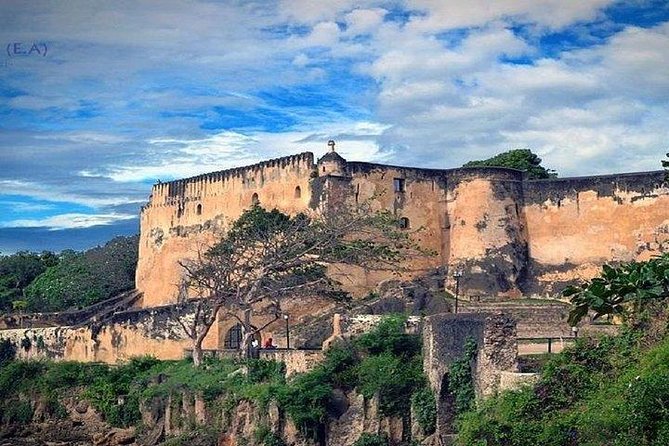
Mombasa is Kenya’s oldest city and its only major port — a trading hub that has connected East Africa with Arabia, India and Persia for more than a thousand years. The city sits on Mombasa Island, connected to the mainland by bridges and ferry, and its character is defined by this long history of exchange: the architecture of the Old Town blends Arab, Indian, Portuguese and British influences; the food draws on Swahili, Indian and coastal Kenyan traditions; and the pace of life on the island retains something of the old dhow-trading world even as the modern city expands around it. Mombasa is not a polished tourist destination in the way that Nairobi is — it is rawer, more complex and more interesting for it.
Things to Do in Mombasa
Fort Jesus at the entrance to the Old Harbour is Mombasa’s landmark and a UNESCO World Heritage Site. Built by the Portuguese in 1593 to control the spice and slave trade routes, the fort changed hands between Portuguese, Omani Arab and British forces nine times over 300 years — a history documented in the excellent museum inside the fort’s walls. The fort’s position on the coral bluff above the harbour gives sweeping views over the dhow anchorage and the Indian Ocean.
Mombasa Old Town is one of the best-preserved Swahili settlements on the East African coast. The narrow streets immediately behind Fort Jesus are lined with buildings whose carved wooden doorways — an architectural tradition brought from Zanzibar and Oman — are among the finest on the coast. The Old Town is best explored on foot with a local guide: the labyrinthine streets, the smell of cardamom and cloves from the spice traders, and the call to prayer from the mosques give the area a texture that no overview can fully convey. The Leven Steps, the Old Harbour and the Mandhry Mosque are the key stops on any Old Town walk.
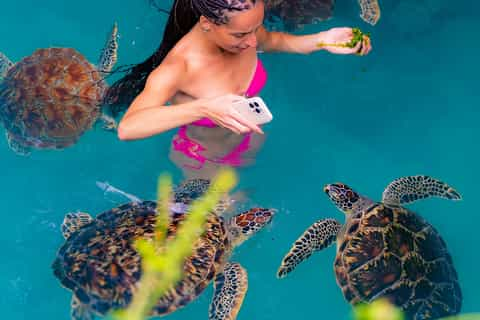
Mombasa Marine National Park protects the coral reef immediately offshore from the city’s southern beaches. Glass-bottom boat trips and snorkelling tours depart from several points along the coast and give access to the reef’s tropical fish, starfish and occasional turtles without requiring diving certification. The park covers 10 square kilometres of reef and seagrass meadow and is one of the most accessible marine experiences on the Kenyan coast.
Getting to Mombasa from Nairobi is straightforward on the Standard Gauge Railway (SGR) — the modern train service completed in 2017 covers the 472-kilometre journey in approximately four and a half hours, passing through Nairobi National Park and Tsavo National Park and offering wildlife sightings from the train windows. Seats book up quickly and reservations should be made in advance. The alternative is a 45-minute domestic flight from Wilson Airport in Nairobi to Mombasa’s Moi International Airport.
Diani Beach — Kenya’s Finest Coast
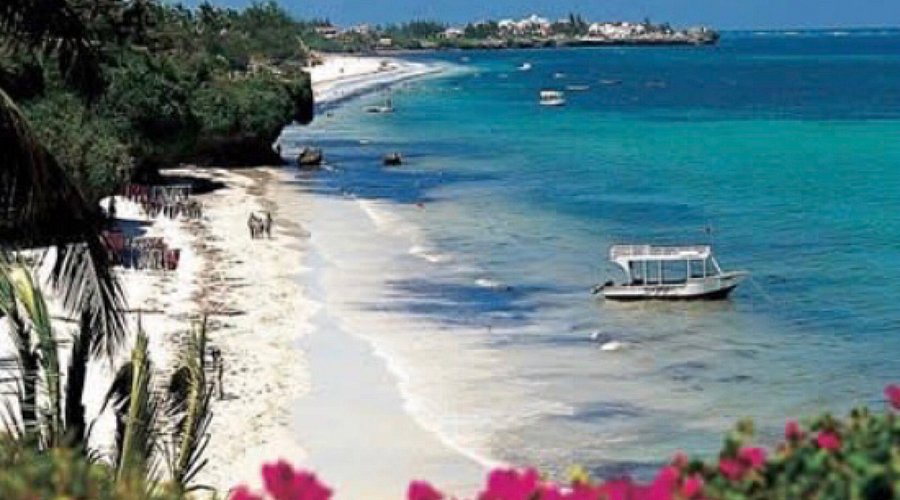
Diani Beach on Kenya’s south coast is consistently rated among the best beaches in Africa and is the clear choice for a beach extension to a Kenya safari. Located 30 kilometres south of Mombasa — 45 minutes by road via the Likoni ferry — Diani is a 17-kilometre stretch of white coral sand backed by coastal forest, with calm, warm, turquoise Indian Ocean water protected by an offshore reef. The reef keeps the water clean and largely free of strong currents, making Diani safe for swimming year-round.
Things to Do in Diani Beach
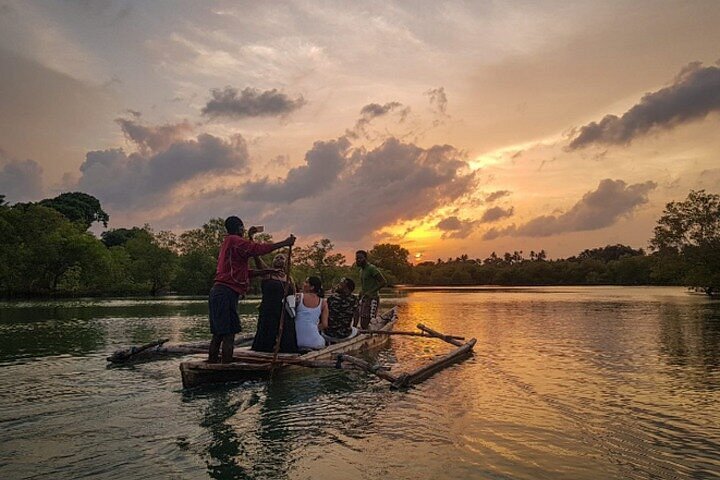
The beach itself is the primary activity — long walks on the sand, swimming in the warm water and watching the local mashua fishing boats against the horizon. Beyond the beach, Diani offers a wide range of water sports: snorkelling and diving on the Diani Reef (accessible by boat from the beach), kite surfing (Diani is one of East Africa’s best kite spots, with reliable south-southeast winds from June to September), deep-sea fishing for marlin, sailfish and yellowfin tuna, and dhow sunset cruises along the coast.
The Colobus Conservation centre on the main Diani road is a research and rehabilitation project for the endangered Angolan colobus monkey — a striking black-and-white primate that lives in the coastal forest immediately behind the beach hotels. The centre runs guided walks that give close and informed encounters with the colobus families that move through the forest canopy above the resort strip. The Shimba Hills National Reserve, a 30-minute drive inland from Diani, protects one of the last coastal forest ecosystems in Kenya and is home to the rare sable antelope, elephant, leopard and a rich bird list. A day trip to Shimba Hills combined with the beach makes a satisfying full-day excursion from Diani.
The Wasini Island dhow trip from Shimoni, 80 kilometres south of Diani, is one of the best day excursions from the south coast. The trip combines snorkelling on the Kisite-Mpunguti Marine Park reef — one of the most pristine coral reef systems in Kenya — with a seafood lunch on Wasini Island and dolphin watching in the Shimoni channel. Humpback dolphins are reliably present in the channel year-round and spinner dolphins are frequently seen.
Where to Stay in Diani Beach
Diani Beach has the widest range of accommodation on the Kenyan coast, from large all-inclusive beach resorts to small boutique properties and self-catering villas. The northern end of Diani is more resort-oriented, with a concentration of international hotel brands. The southern end of the beach — south of the Nomad Beach Bar — is quieter and less developed, with smaller properties that give a more private beach experience. Most properties are set back slightly from the beach in the coastal forest, with garden paths leading to the sand.
Combining Nairobi, Mombasa and Diani Beach with a Safari
The most natural Kenya itinerary structure for guests flying into Nairobi is: Nairobi sightseeing (one to two days on arrival — Giraffe Centre, Elephant Orphanage, Nairobi National Park) → Masai Mara safari (three to five nights) → return to Nairobi → SGR train to Mombasa (half-day journey) → Mombasa Old Town (one night) → Diani Beach (three to four nights) → fly home from Mombasa or return to Nairobi.
This routing uses Nairobi as the safari hub, avoids doubling back, and ends the trip on the beach — the natural decompression after days of early-morning game drives. The total trip length for this combination is typically 10 to 14 days. See our 10 Days Kenya Safari and 7 Days Kenya Safari itineraries for structured packages that include the Masai Mara alongside the Nairobi stopover. Contact Superfine Safaris Limited to add a Diani Beach extension to any Kenya safari itinerary.
Nairobi, Mombasa and Diani Beach FAQ
Is Nairobi safe for tourists?
Nairobi is a large African city with the security considerations that come with that — petty theft, bag snatching and vehicle crime occur in certain areas. The tourist areas of Karen, Westlands, Lavington and the CBD (with care) are generally safe for visitors who take basic precautions: don’t walk at night, keep valuables out of sight and use reputable taxis or ride-hailing apps rather than hailing vehicles on the street. The hotel zones where most safari guests stay are well-secured and present minimal risk.
How do I get from Nairobi to Mombasa?
The SGR train is the most comfortable and scenic option — approximately four and a half hours, with reserved seating and views over Tsavo National Park. Domestic flights (45 minutes, from Wilson Airport or JKIA) are the fastest option. The overnight road journey takes eight to ten hours and is not recommended for tourist travel.
What is the best time to visit Diani Beach?
Diani Beach is enjoyable year-round, but the best conditions are during the dry seasons — January to March and June to October. The long rains (April–May) and short rains (November) bring higher rainfall and rougher seas that affect water sports and snorkelling. June to September coincides perfectly with the Masai Mara migration season, making it the ideal period for a combined safari and beach itinerary.
How far is Diani Beach from Mombasa?
Diani Beach is approximately 30 kilometres south of Mombasa city centre by road — about 45 minutes in normal traffic, including the Likoni ferry crossing. The ferry is a short crossing (five minutes) but queuing time can extend the journey. A taxi or transfer from Mombasa airport to Diani takes approximately one hour.
Plan Your Kenya Trip
Combine a Masai Mara safari with Nairobi sightseeing and a Diani Beach extension — we handle all logistics from arrival to departure.
- ✓ Safari + beach combinations
- ✓ Nairobi city tours arranged
- ✓ SGR train to Mombasa bookings
- ✓ Diani Beach resort options
- ✓ Airport transfers included
Quick Facts
- Nairobi: ~30 min from JKIA airport
- Nairobi to Mombasa: 4.5 hr by SGR train
- Mombasa to Diani: ~45 min by road
- Diani beach length: 17 km white sand
- Best beach season: Jan–Mar & Jun–Oct
- Currency: Kenyan shilling (KES)