
A Seychelles safari is not a conventional game drive across open savannah. It is something different: a journey through 115 tropical islands where wildlife has evolved in complete isolation, where granite boulders older than the Himalayas rise from turquoise water, and where the Indian Ocean itself becomes the safari vehicle. After a week in the Serengeti or among Uganda’s mountain gorillas, Seychelles offers a quality of natural experience that is distinct rather than lesser — ancient forests holding the rarest birds on earth, coral gardens teeming with marine life, and an encounter with giant tortoises on Aldabra that belongs in the same category as anything you will see on the African mainland. Here is what makes a Seychelles safari extension worth building into an East Africa itinerary.
Why Combine East Africa with Seychelles
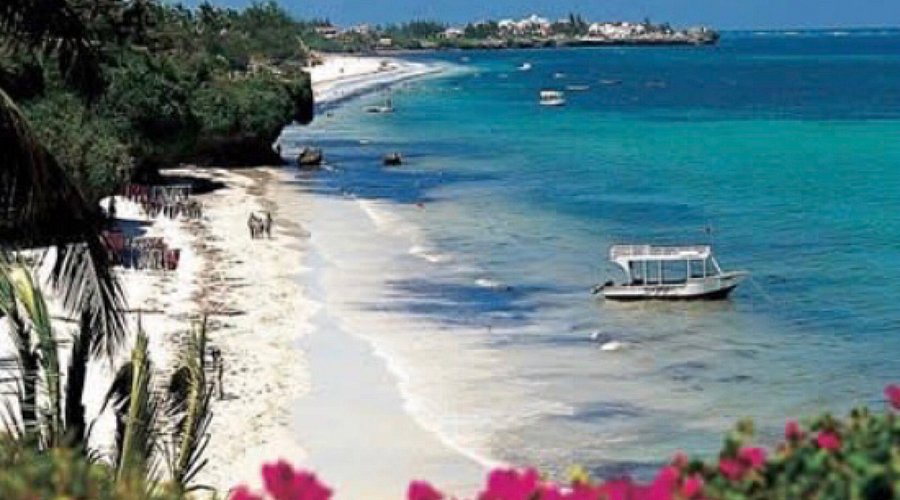
The logic is straightforward: you are already on the right side of the world. Flights from Nairobi to Mahé take under four hours. From Entebbe or Dar es Salaam the connection is still shorter than a return flight to Europe. Adding five to seven nights in Seychelles to the end of a Tanzania, Kenya or Uganda safari costs relatively little in additional travel time and converts an excellent trip into an exceptional one.
What Seychelles adds that no mainland East Africa destination can replicate is the ocean. The granite Inner Islands — Mahé, Praslin and La Digue — offer reef snorkelling and scuba diving in water that is clear enough to see coral formations at thirty metres in full colour. The outer coral atolls, above all Aldabra, hold one of the largest giant tortoise populations on earth and are accessible to a small number of expedition visitors each year. The combination of forest walks, island wildlife and marine exploration makes a Seychelles safari extension a genuinely different layer of natural experience rather than simply a beach recovery.
Mahé: Forests, Reefs and the Capital Island
Mahé is the largest island, home to the capital Victoria — the smallest capital city in the world by most measures — and the international airport through which virtually all visitors arrive. Most travellers treat Mahé as a transit point and move quickly to Praslin or La Digue. That is a reasonable approach for a first visit, but there is more to the island than its reputation as a logistics hub suggests.
The Morne Seychellois National Park covers the interior of the island — 3,000 hectares of cloud forest, granite peaks and endemic vegetation rising to 905 metres. Trail walks here pass through one of the Indian Ocean’s few remaining examples of undisturbed tropical forest, with Seychelles blue pigeons moving through the canopy above and pitcher plants growing in the wetter highland sections. The forest is not dramatic in the way Bwindi is dramatic, but it is genuinely old and unusually intact. Beau Vallon on the north coast is the most accessible reef for snorkelling from shore, with good visibility and consistent marine life including moray eels, reef sharks and colourful wrasse species. The drive around the island’s coast road — south from Victoria around the eastern shore — is one of the more beautiful short drives in the Indian Ocean region, winding between rocky headlands with views of the ocean on one side and the forested mountain on the other.
Praslin and the Vallée de Mai

Praslin is the island most visitors come specifically to see, and the Vallée de Mai is the reason. This UNESCO World Heritage Site is a primeval palm forest that exists nowhere else on earth. The coco de mer palm — which produces the largest seed of any plant species, a double-lobed nut that can weigh 25 kilograms — grows here in its only truly wild habitat. Walking the Vallée de Mai trails is a strange and affecting experience: the canopy closes overhead, the light drops to a green half-darkness, and the forest feels genuinely ancient in a way that is hard to explain but immediately sensed. The black parrot of Seychelles — found only on Praslin — calls through the canopy on most mornings. The total bird list for the island runs to several endemic species found nowhere else.
Anse Lazio on Praslin’s north coast is consistently ranked among the finest beaches in the world. Granite boulders, polished by millions of years of ocean, frame a bay of powder sand and water that shifts through six different shades of blue and green depending on the time of day and the angle of the light. The snorkelling at the southern end of the bay is excellent. Anse Georgette, reached on foot, is quieter and equally beautiful. Praslin needs at minimum two nights; three allows both forest and beach time without feeling rushed.
La Digue: The Slowest Island in the Indian Ocean
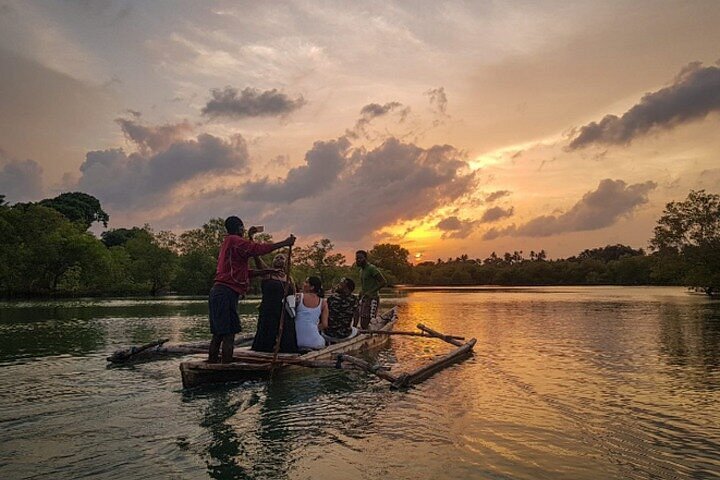
La Digue is twenty minutes by ferry from Praslin and runs almost entirely on bicycles — motorised vehicles are prohibited in most parts of the island, the population is under 3,000, and the pace of life reflects both those facts in ways you feel within an hour of arriving. Anse Source d’Argent, on the southwestern shore, has been photographed so many times that it has become a cliché in travel photography, but the cliché exists because the reality is genuinely extraordinary: enormous rounded granite boulders, some larger than houses, scattered across a beach of pure white sand with shallow turquoise water on one side and dense tropical vegetation on the other. The light in the late afternoon turns the granite to gold and copper.
La Digue also holds the last surviving wild population of the Seychelles paradise flycatcher, one of the world’s most critically endangered birds. The L’Union Estate nature reserve protects both the flycatcher habitat and a community of giant tortoises in a less commercialised setting than the large tortoise facilities on Mahé. Cycling the island takes two to three hours at a leisurely pace. Two nights here is the right allocation — enough to cover the main beaches and still feel you had time to sit still rather than constantly moving.
Marine Safari: The Ocean as a Wildlife Destination
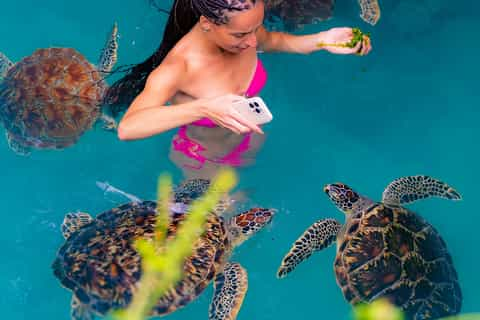
The marine environment around Seychelles is one of the reasons this part of the Indian Ocean draws naturalists as much as beach travellers. Whale sharks — the largest fish in the ocean — aggregate around the outer atolls seasonally, and the inner islands offer reliable encounters with hawksbill sea turtles, green turtles, manta rays and reef sharks throughout the year. Snorkelling the reef systems around St. Anne Marine National Park, a short boat ride from Mahé, is productive even for non-divers: the coral is in reasonable condition despite periodic bleaching events, and fish diversity is high. For divers, the outer Amirante Islands offer some of the most pristine reefs remaining in the Indian Ocean — the distances involved mean very few divers have reached these sites, and the marine life reflects that protection.
The best snorkelling within easy reach of all three main islands is consistently at Curieuse Island near Praslin — also accessible as a day trip from La Digue — where the combination of nurse sharks resting on the sandy bottom, large schools of fish over the coral heads and frequent sea turtle sightings makes for a morning that compares favourably with anything in the wider Indian Ocean region.
Aldabra Atoll: The Seychelles Safari at Its Most Exceptional
Aldabra is the centrepiece of any serious Seychelles safari. A UNESCO World Heritage Site 1,100 kilometres from Mahé, it is the world’s second-largest coral atoll and holds a wild giant tortoise population estimated at 100,000 individuals — more than anywhere else on earth. The tortoises are the same species as the famous Galápagos giant tortoise and reach the same sizes: males can weigh 250 kilograms and live over 150 years. Seeing them moving freely across the atoll — tens or hundreds at a time, undisturbed, on a landscape that has changed very little since the tortoises first arrived — is one of those wildlife encounters that resets the scale of what you thought was possible.
Aldabra also supports nesting colonies of frigatebirds and red-footed boobies at a scale rare in the Indian Ocean, a healthy population of green sea turtles, and a marine environment that may be the least dived in the world. Access is strictly limited: the Seychelles Islands Foundation controls visitor numbers to protect the ecosystem, and reaching Aldabra requires either a live-aboard dive vessel or a very small number of permitted expedition visits each year. For travellers willing to build the logistics around it, the experience is the equivalent of standing on the edge of the Ngorongoro Crater at dawn — a confrontation with nature at a scale and in a state that is increasingly rare anywhere on earth.
Birdwatching in Seychelles
Seychelles holds eighteen endemic bird species — birds that exist nowhere else on earth — and the conservation story behind several of them is one of the most remarkable in modern ornithology. The Seychelles magpie robin was reduced to a total wild population of fifteen individuals in 1990; intensive conservation work, led primarily by the Seychelles Islands Foundation and BirdLife International, brought the population back to over 300 birds across five islands. The Seychelles warbler underwent a similar recovery. Both species are now consistently seen by visitors to their respective islands.
For serious birdwatchers, a Seychelles extension after an East Africa safari rounds out the Indian Ocean bird list in ways that no mainland destination can offer. Cousin Island Special Reserve, managed by Nature Seychelles, has produced a bird density on its 27 hectares that is among the highest in the world — visiting at dawn means encountering fairy terns nesting on open branches directly above the path, noddy terns carpeting the trees, and the endemic Seychelles warbler moving through the undergrowth at eye level. The island is open for guided visits and accessible by boat from Praslin in twenty minutes.
Best Time to Visit Seychelles
Seychelles does not have a dry season and a wet season in the way East African destinations do — the islands receive rainfall throughout the year. What changes is the wind direction and sea state. The north-west monsoon, running roughly November to March, brings calmer seas on the west coast of the main islands and some humidity. The south-east trade winds, blowing from May to September, rough up the water on the exposed eastern and southern shores but create ideal conditions on the sheltered western and northern coasts and are the best period for diving visibility around the outer islands.
April, May, October and November — the transition months between the two monsoon periods — offer the calmest overall conditions, the best inter-island ferry reliability and a slight reduction in visitor numbers compared to the European peak summer period. For travellers combining Seychelles with an East Africa safari, the May transition period aligns well with the Serengeti calving season (January–February) for Tanzania-first itineraries, and with the June–October peak wildlife season in Uganda and Kenya for those visiting Seychelles at the end of a longer overland trip.
Getting to Seychelles from East Africa
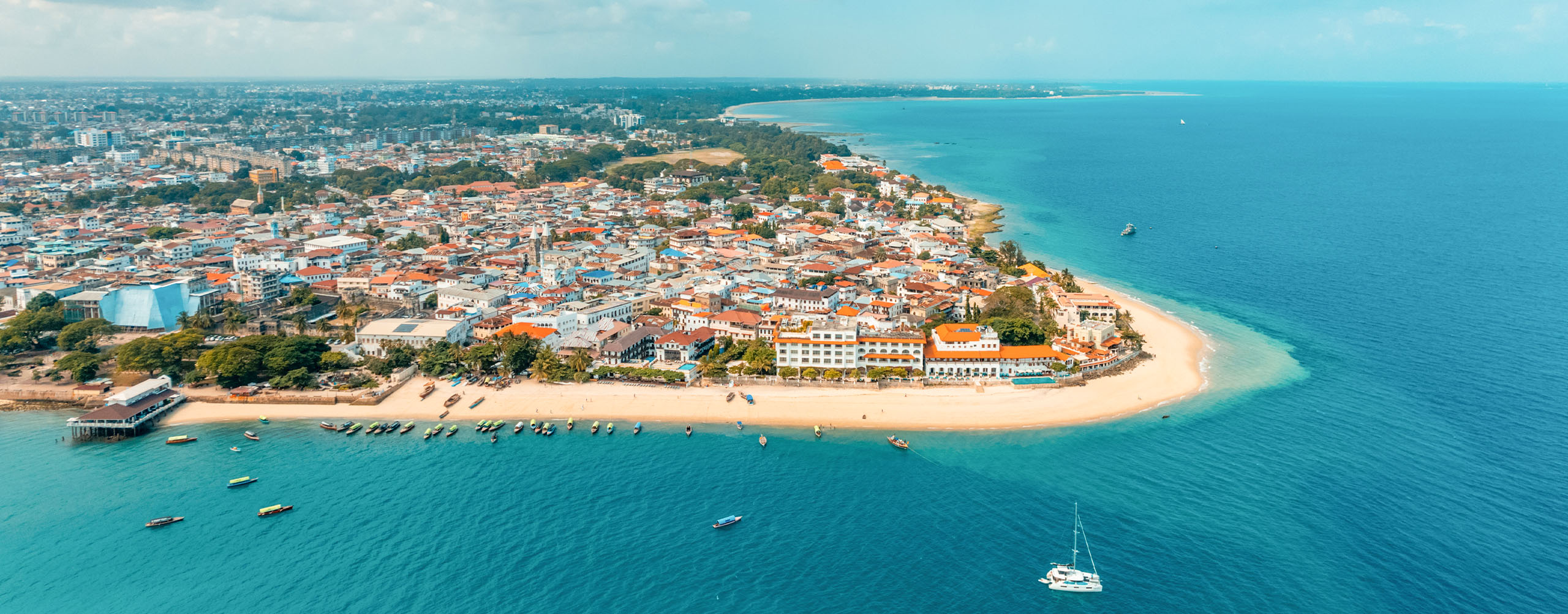
Mahé International Airport (SEZ) connects to East Africa through several routing options. Air Seychelles operates direct flights from Nairobi (NBO) — the most direct connection, around three and a half hours. Ethiopian Airlines connects Addis Ababa to Mahé, making it a straightforward same-day connection from Entebbe (EBB) via Addis. From Dar es Salaam (DAR) or Kilimanjaro (JRO), the standard routing runs via Nairobi. Emirtes, Kenya Airways and Condor provide additional connections that suit different departure points. Flying time from any East African hub to Mahé sits between three and a half and six hours depending on the routing, making a combined itinerary practical for most travel durations of twelve days or more.
For a 10–14 day combined itinerary, the most common structure is seven to eight days on the mainland safari — Serengeti, Ngorongoro and Tarangire, or a Uganda gorilla trek plus Queen Elizabeth — followed by five to six nights in Seychelles across two or three islands before the return flight. For longer trips of 18–21 days, three nights on the main islands plus two nights on an outer island or live-aboard adds a depth of experience that a short extension cannot reach.
Where to Stay in Seychelles
Accommodation in Seychelles spans a wider range than most Indian Ocean destinations, from self-catering guesthouses at USD 80 per night to private island resorts at USD 3,000 per night. The mid-range tier — USD 200–500 — is genuinely strong on all three main islands. On Mahé, the Hilton Seychelles Northolme and the Four Seasons Resort Seychelles represent the high end; Bliss Hotel and Coral Strand Smart Choice both offer well-positioned rooms at more accessible prices. On Praslin, the Constance Lemuria and L’Archipel bookend the luxury and boutique ends respectively. On La Digue, Domaine de L’Orangeraie and the smaller guesthouses clustered around La Passe village offer the most character — the island’s size and pace mean the accommodation is almost always secondary to the experience of simply being there.
For travellers focused on wildlife, staying on Cousin Island or one of the small outer islands managed for conservation requires advance arrangement through the relevant foundation or research station, but the access it provides to undisturbed endemic species at dawn is worth the planning effort for serious naturalists.
Planning a Combined East Africa and Seychelles Safari
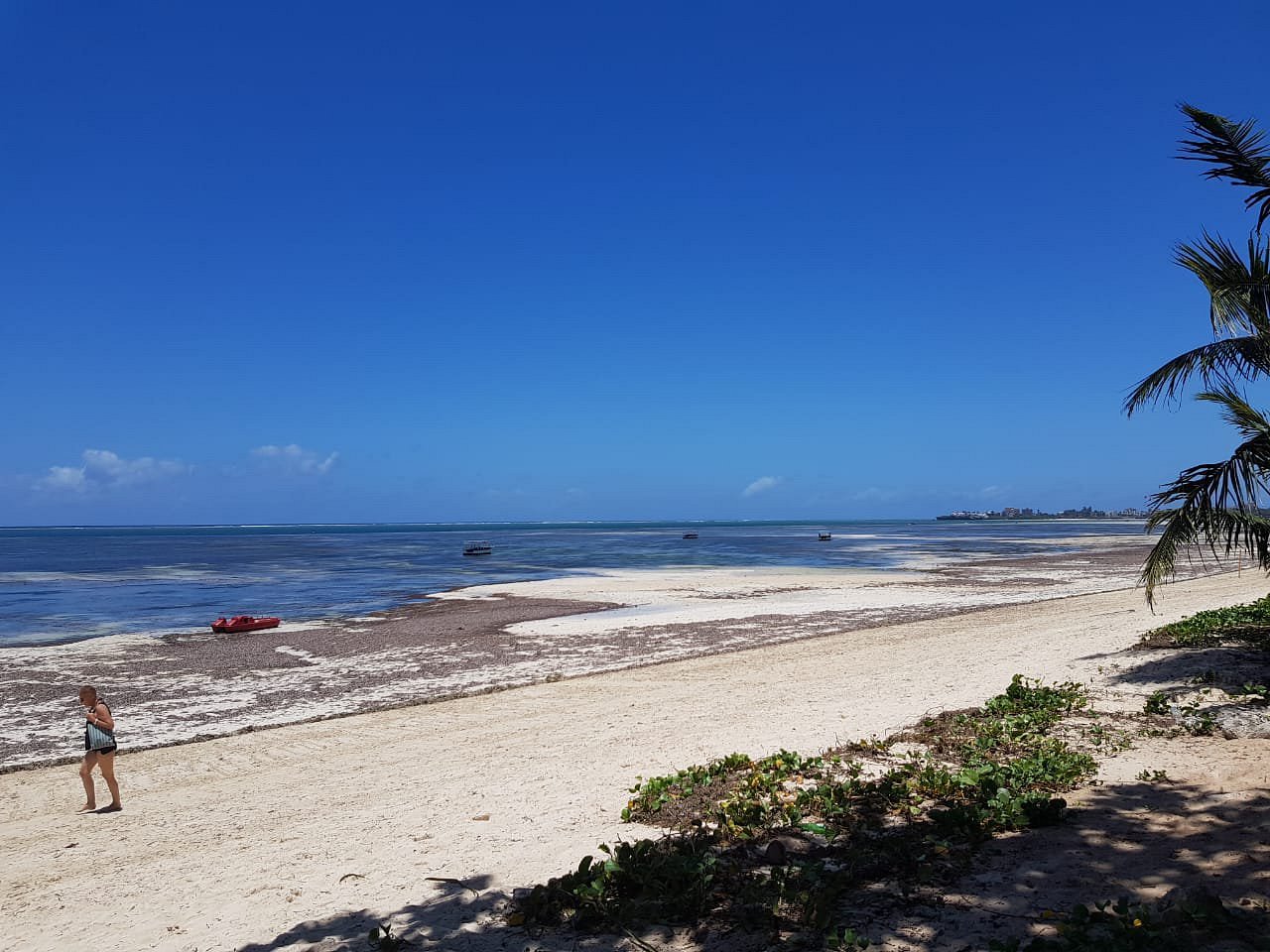
At Superfine Safaris, we build combined East Africa and Seychelles itineraries for clients who want the full range of what the region offers — the mammal densities and landscape drama of the East African savannah alongside the island wildlife and ocean environments that only Seychelles provides. Our Uganda and Tanzania programmes connect naturally to Seychelles through Entebbe and Kilimanjaro respectively; our Kenya coast itineraries can include a Seychelles leg before or after the Masai Mara and northern Kenya parks.
The combination works best for clients with at least twelve days available. Ten days is possible — seven mainland, three islands — but does not leave enough time in either destination to go beyond the surface. Fourteen to eighteen days is the comfortable range that allows a proper safari circuit and a genuine island exploration rather than a rushed transit. Contact our Kampala office to discuss dates and a structure that matches your travel window and interests.
Frequently Asked Questions
Do I need a visa for Seychelles?
Most nationalities receive a visitor’s permit on arrival at Mahé International Airport. You will need a return or onward ticket, confirmed accommodation details and proof of sufficient funds. There is no visa fee. East African passport holders from Uganda, Kenya, Tanzania and Rwanda can enter under the same on-arrival permit scheme. Check current requirements with the Seychelles immigration authority before travel, as conditions can change.
Is Seychelles appropriate for a family safari?
Yes, and it is one of the better Indian Ocean destinations for families with children. The waters are generally calm and shallow on the sheltered sides of the main islands, beaches are safe for swimming, and the giant tortoise encounters on Curieuse and Mahé are reliable and genuinely engaging for children of almost any age. The Vallée de Mai on Praslin is accessible to older children and a genuinely distinctive nature experience. The main islands are small enough that distances never become a logistical problem.
How expensive is Seychelles compared to East Africa?
Seychelles is the more expensive component of a combined itinerary. Food and accommodation are significantly higher than mainland East Africa: budget USD 300–600 per person per night for mid-range accommodation with meals, USD 600–1,500 for higher-end options. Inter-island ferries are inexpensive (under USD 30 one way) but charter flights to the outer islands add considerably to costs. The overall cost of a five-night Seychelles extension for two people, including accommodation, meals, activities and inter-island transfers, typically runs between USD 3,000 and USD 8,000 depending on the level of accommodation chosen.
Can Seychelles be visited as a standalone trip rather than an extension?
Yes, and many travellers visit Seychelles independently of any mainland safari itinerary. The island experience stands entirely on its own: the wildlife, the beaches, the culture and the ocean are sufficient for a ten to fourteen day trip without any East Africa component. For clients already planning an East Africa safari with Superfine Safaris, the combination makes practical and experiential sense. For those considering Seychelles as a first trip to the region, it is an excellent introduction to the Indian Ocean ecosystem that often leads to a subsequent East Africa safari.
Ready to add Seychelles to your East Africa safari?
Superfine Safaris builds combined East Africa and Seychelles itineraries from Entebbe, Nairobi and Kilimanjaro — gorilla trekking to island beaches, Serengeti to coral reefs, Masai Mara to granite boulders in the Indian Ocean. Contact us for a tailored quote or WhatsApp our team to start planning.
Plan Your Seychelles Safari
- ✓ Combined East Africa & Seychelles packages
- ✓ Mahé, Praslin & La Digue island stays
- ✓ Wildlife & marine nature experiences
- ✓ Pre & post-safari beach extensions
- ✓ Transparent all-in pricing
Seychelles at a Glance
| Location | Indian Ocean, off East Africa |
| Islands | 115 islands; 3 main inhabited |
| Capital | Victoria, Mahé |
| Currency | Seychellois Rupee (SCR) |
| Best months | Apr–May & Oct–Nov |
| From Nairobi | ~4 hrs direct flight |
| From Entebbe | ~6 hrs via Nairobi or Addis |