
The best time to visit the Masai Mara depends entirely on what you want from your Kenya safari. The Masai Mara is exceptional for wildlife in every month of the year — it holds one of the highest concentrations of large mammals in Africa, with resident lion, cheetah, leopard, elephant and buffalo entirely independent of the wildebeest migration.
However, the wildebeest migration transforms the Mara into something extraordinary between July and October, when up to 1.5 million wildebeest and 200,000 zebra cross the Mara River in some of the most dramatic wildlife events on earth. This guide breaks down every month so you can choose the best time to visit the Masai Mara for your priorities — whether that is the migration, predator action, green-season photography, lower budgets or fewer crowds.

Peak Season: July to October — The Great Migration
July to October is the peak season for the Masai Mara and the period when the Great Migration is present on the Kenya side of the ecosystem. The wildebeest typically arrive in the Masai Mara from the northern Serengeti in late June or early July, crossing the Mara River in dramatic events that continue through August, September and into October. The peak of the Mara River crossing season is generally August and September — when the herds are at maximum density on both sides of the river and crossing events can occur daily at the main crossing points.

The dry season conditions that coincide with the migration make July–October the best time to visit the Masai Mara for overall game viewing. Low grass — brown and short after months of dry conditions — means that wildlife is visible at distance across the open plains. The absence of rain concentrates animals around permanent water sources, making river and waterhole game drives highly productive. Predators are at peak activity following the migration herds and the easy prey of the crossing events. The Masai Mara’s resident Big Five population — which does not migrate — is concentrated and highly visible throughout this season.
- July: Migration herds arrive from Tanzania. River crossings begin at the main Mara River points. Dry season conditions established — excellent game viewing. Lodge and camp occupancy rises sharply from mid-July.
- August: Peak migration month. Maximum herd density on the Mara plains. Crossing events most frequent. Highest visitor numbers of the year. Book camps and permits well in advance.
- September: Arguably the single best month. Migration at full strength, crossing events daily, lower visitor numbers than August, still dry. Many guides and experienced safari guests rate September as the best month of the year.
- October: Short rains begin in mid-to-late October. Migration herds start moving south back toward Tanzania. Still excellent game viewing in the first half of the month. River crossing events reduce as the herds thin.
For a full account of the migration calendar and the movement of the herds from Tanzania to Kenya and back, see our wildebeest migration in Masai Mara guide and the best time for wildebeest migration in Kenya and Tanzania guide.
Green Season: November to March — Predators and Photography
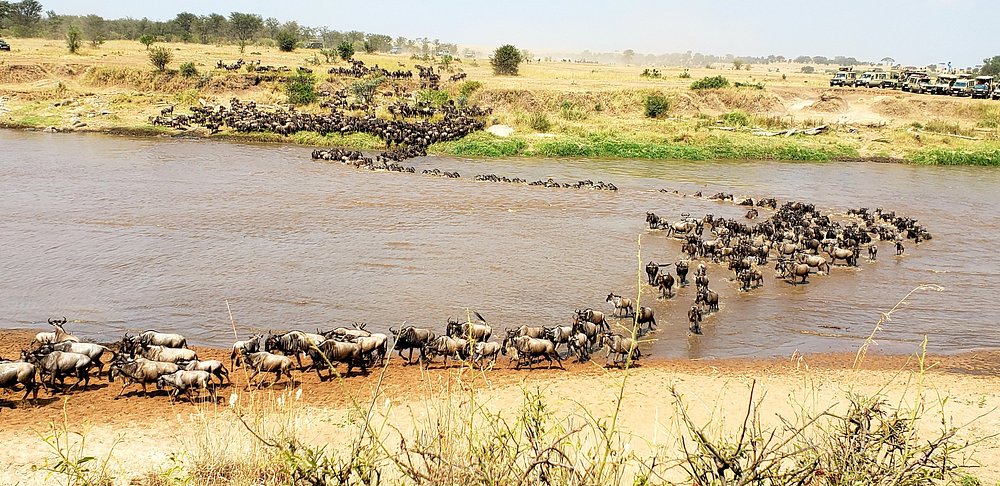
The green season in the Masai Mara runs from November through March, spanning the short rains (November), a dry interlude (December–January), and the long rains (March–May). Despite the name, the green season is not simply a wet period to be avoided — it is one of the most rewarding times to visit the Masai Mara for specific purposes, and it is significantly cheaper and less crowded than the peak migration season.
The short dry spell of December to February is particularly underrated. The grass is green and lush from the November rains, giving the Mara a photogenic quality that the dust-brown dry season cannot match. Visitor numbers are at their lowest point of the year, camps are quieter, and lodge rates are typically 20–40 percent lower than peak-season prices. The resident predator population — lion, cheetah, leopard — is fully present and easier to approach in the reduced grass cover of the Mara Triangle’s short-grass areas.
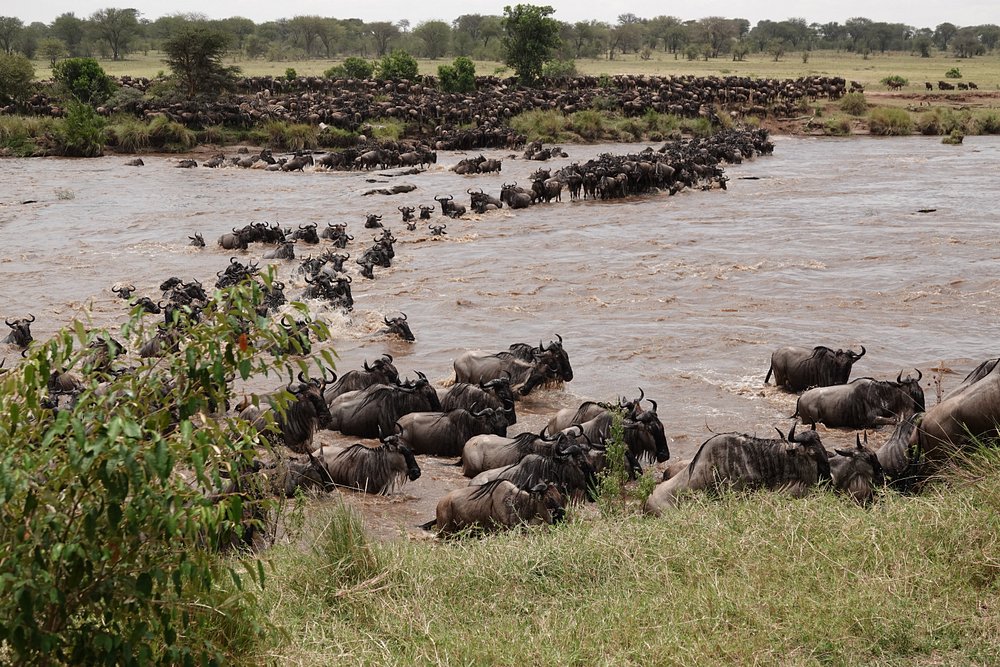
- November: Short rains arrive. Herds have departed for Tanzania. Resident wildlife excellent. Occasional afternoon showers but mornings typically clear. Lower rates begin.
- December: Rains ease. Green landscape, lower visitor numbers. Excellent for photography and predator viewing. Good value month. Christmas/New Year period sees a brief rate spike.
- January–February: Arguably the best value months in the Masai Mara. Short-grass plains active with zebra foaling and Thomson’s gazelle calving — bringing predators onto the open plains in numbers. Cheetah hunting is particularly reliable.
- March: Long rains begin. Grass grows tall, making wildlife harder to spot. Trails can become muddy. Rates at their lowest. Best for budget-conscious travellers who prioritise cost over conditions.
Low Season: April to June — Rain, Value and Solitude
April and May are the wettest months in the Masai Mara, with the long rains producing sustained daily rainfall that turns the plains green and lush. Game viewing is possible throughout but conditions are challenging — tall grass reduces visibility, some tracks become impassable after heavy rain, and the damp conditions make open-vehicle game drives uncomfortable. Lodge rates drop substantially, however, and the Masai Mara is genuinely uncrowded.
June is a transitional month — the long rains typically end by late May or early June, and the grass begins to dry and shorten as the dry season establishes itself. Game viewing improves steadily through June, and by late June the conditions are already good and the migration has not yet arrived. Early June is an excellent time for guests who want good wildlife viewing without peak-season prices or crowds, and who are happy to accept that the migration is still south of the border.
Best Time for Specific Activities

Best Time for the Great Migration and River Crossings
July to October, with August–September as peak. The Mara River crossings on the Kenya side occur at the main crossing points in the Masai Mara Reserve and the Mara Triangle. For the most reliable crossing experiences, position at the main crossing points from early morning during August and September. See our wildebeest migration in Masai Mara guide for crossing point logistics.
Best Time for Predators
The Masai Mara’s predator population is resident year-round, but the best conditions for predator viewing are the dry season months of June to October (low grass, concentrated prey) and January to February (calving season on the short-grass plains draws cheetah and wild dog). Leopard are reliably found in the riverine forest along the Mara River and its tributaries throughout the year.
Best Time for Hot Air Balloon Safaris
Hot air balloon safaris in the Masai Mara operate year-round in all weather conditions. The most spectacular balloon conditions are July to October when the migration herds below give context to the scale of the Mara ecosystem from the air. The clearest morning skies — important for photography from the balloon — are typically in the dry season months. See our hot air balloon safari in Masai Mara guide for booking details.

Best Time for Photography
The Masai Mara offers outstanding photography conditions in two contrasting seasons. The dry season (July–October) delivers the drama of the migration and crossing events, dust-lit golden-hour light and concentrations of wildlife around the Mara River. The green season (November–February) delivers lush colour, dramatic storm light, and intimate predator encounters on the short-grass plains with very few other vehicles in frame.
Best Time for Value and Fewer Crowds
The green season months of November to February offer the best combination of good wildlife viewing and affordable prices. Lodge rates can be 20–40 percent lower than the peak migration season, and the Masai Mara is genuinely uncrowded. January and February in particular offer excellent predator action, good value and a quality of solitude that the peak season cannot provide.
Masai Mara Climate by Month
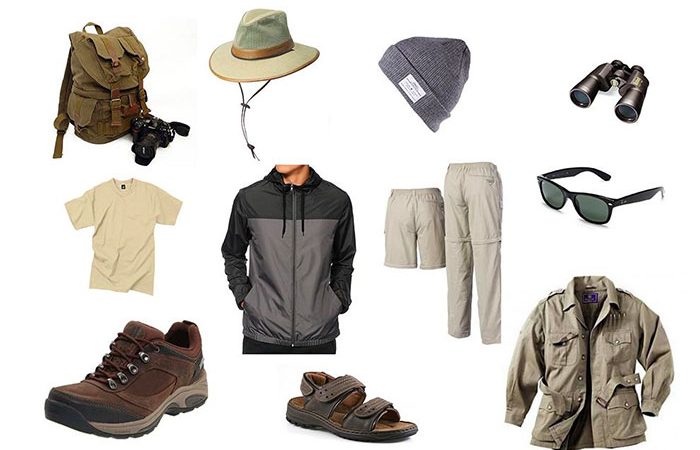
The Masai Mara sits at approximately 1,500 metres above sea level, giving it a mild and generally pleasant climate year-round. Daytime temperatures range from around 20°C to 30°C across all months, with cooler nights (12–18°C) in the dry season months of July and August. The rainy seasons bring higher humidity but temperatures remain moderate. The Masai Mara does not experience the extreme heat of lower-elevation East African destinations, and the altitude makes the climate comfortable for game drives in open vehicles throughout the year.
- July–August: Cool dry days (22–26°C), cold nights (12–16°C). Dust on the plains. Best dry-season conditions.
- September–October: Warming toward end of dry season (24–30°C). Short rains arrive from mid-October.
- November–December: Short rains bring warmer temperatures (25–30°C) and afternoon showers. Evenings pleasant.
- January–February: Warm and dry (26–30°C). Clear skies. Best green-season photography light.
- March–May: Long rains (25–28°C). Daily rainfall, high humidity. Lush green landscape.
- June: Transitional. Rains ease, temperatures moderate (20–26°C). Game viewing improving.
When to Book Your Masai Mara Safari
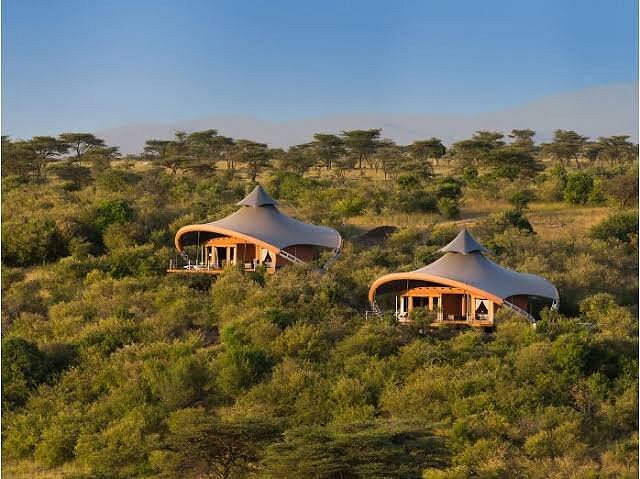
For a peak season trip (July–October), book at least six to nine months in advance. The best camps and lodges closest to the Mara River crossing points — particularly those in the Mara Triangle and along the main river frontage — fill their peak-season inventory from October–December the year before. Gorilla permits in Uganda and Rwanda, if combined with a Kenya trip, must be secured even earlier.
For a green season trip (November–February), bookings three to four months in advance are typically sufficient, though the Christmas–New Year period (25 December–3 January) sees a brief peak in demand and prices. The best value green-season window is January–February, when availability is high and rates are at their annual low.
See our Masai Mara complete safari guide for the full logistics of planning a Kenya safari. Contact us to confirm availability for your preferred dates.
Masai Mara Best Time FAQ
What is the absolute best month to visit the Masai Mara?
Most experienced guides and regular visitors rate September as the single best month — peak migration with abundant crossing events, the dry season at its most established, and slightly lower visitor numbers than August. For those who cannot visit in September, August and October are excellent alternatives, and January–February are outstanding for green-season predator viewing.
Is the Masai Mara worth visiting outside the migration season?
Absolutely. The Masai Mara’s resident wildlife — lion prides, cheetah families, leopard, elephant, buffalo and more than 90 other mammal species — is present year-round. The migration is a spectacular bonus, but the Masai Mara is one of Africa’s greatest game parks in every month. Many experienced safari guests prefer the January–February green season for the lower prices, reduced crowds and excellent predator action.
How long should I spend in the Masai Mara?
A minimum of three nights is recommended to experience the Masai Mara fully. Four to five nights is ideal for peak migration season, allowing multiple positioning days at the crossing points. For green season visits focused on predators, three to four nights is sufficient. See our Masai Mara complete safari guide for full itinerary recommendations.
Can I visit the Masai Mara in April and May?
Yes — the Masai Mara is open year-round and game drives operate through the long rains. April and May offer the lowest prices and the fewest visitors of any period, and wildlife viewing is still possible, though tall grass and occasional track closures after heavy rain can limit access to some areas. For guests who prioritise cost and solitude over optimal conditions, this is a viable option.
Plan Your Masai Mara Safari
Get a free quote for a Masai Mara safari timed around the migration or the green season — we’ll match the right dates to your priorities.
- ✓ Migration timing advice included
- ✓ Expert English-speaking guides
- ✓ Best camps for every budget
- ✓ Balloon safari bookings arranged
- ✓ All park fees included
Month-by-Month Summary
- Jan–Mar: Green season, calving, predators
- Apr–Jun: Long rains, low season
- Jul–Aug: Migration arrives, river crossings
- Sep–Oct: Peak crossings, best wildlife
- Nov: Short rains, herds move south
- Dec: Green season begins again