
Murchison Falls National Park is open every month of the year, and every season has something genuine to recommend it. The dry season delivers the most reliable big game sightings on the north bank savannah, the wet season brings the falls to their most powerful and fills the park with migratory birds, and the quieter shoulder months offer good wildlife at lower prices without the crowds of peak season. Understanding the seasonal rhythms of the park helps you decide when your trip makes the most sense — and the team at Superfine Safaris Limited can build an itinerary that works with whatever dates you have available.
Murchison Falls National Park: The Two Seasons
Uganda has two distinct dry seasons and two wet seasons each year, and Murchison Falls National Park in the northwest of the country generally follows the national pattern, though with its own local variations due to its position in the Albertine Rift.
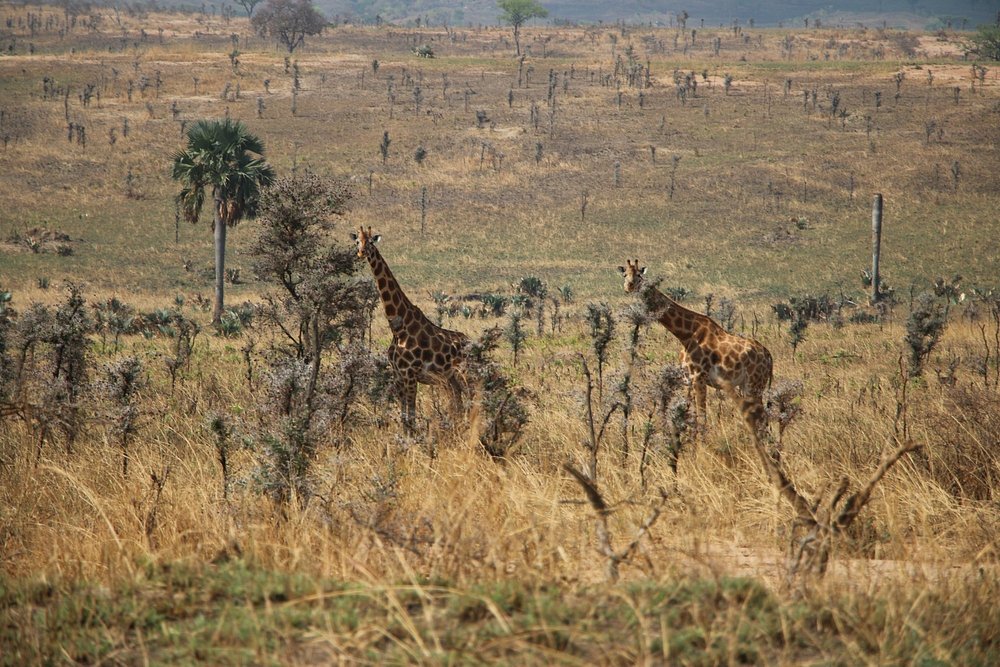
The long dry season runs from June to September. This is the most popular time to visit and the period when game viewing on the north bank is at its best. Grass is short, tracks are firm, and large numbers of animals — lions, elephant, giraffe, buffalo, Uganda kob — concentrate around the permanent water sources along the Victoria and Albert Nile banks.
The short dry season runs from December to February. This is a second peak period that is less crowded than the June–September window and often slightly less expensive. Wildlife viewing is excellent, the weather is warm and dry, and availability at the most popular lodges is easier to secure than in the peak July–August window.
The long wet season runs from March to May. This is when the region receives the heaviest rainfall of the year. Tracks on the north bank can become muddy and difficult, particularly in April. Wildlife disperses more widely across the savannah because water is available everywhere rather than just at the rivers. Game viewing is harder but possible, and the falls are at their most dramatic in this season as the Victoria Nile runs at full volume.
The short wet season runs from October to November. Rainfall is lighter than the long wet season and generally does not significantly affect game drive access. This shoulder period is excellent value — prices drop, visitor numbers fall and wildlife viewing remains solid. The migratory birds that arrive from the Palearctic in October–November make this one of the best birding periods of the year.
Best Time for Game Drives in Murchison Falls

The best game viewing on the north bank Buligi, Albert and Delta circuits falls firmly in the dry season — June to September and December to February. In the dry months, the tall grass that characterises the wet season dies back and lies flat, opening up sight lines across the savannah that make predator sightings far more frequent. Lions that would be invisible in metre-high grass in April are lying in plain view on the open ground in August. Leopard are easier to spot along the south bank forest road during the dry season for the same reason.
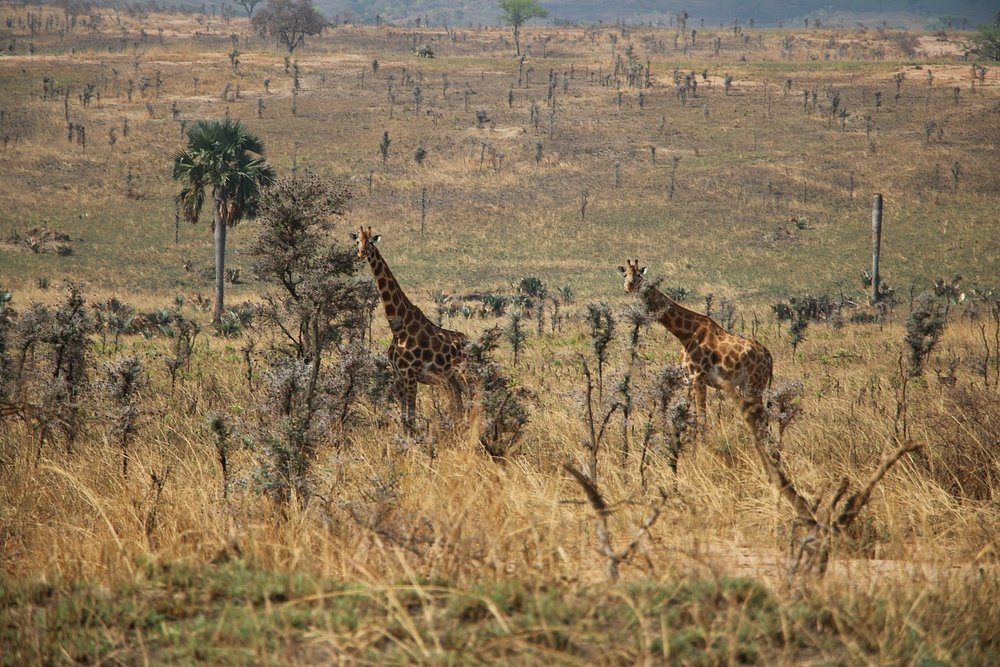
Elephant herds move toward the permanent water of the Victoria and Albert Nile banks in the dry months, producing some of the most reliable elephant sightings in Uganda from both the game drive circuits and the afternoon boat cruise. Buffalo herds of several hundred animals gather in the dry season around the floodplain margins. Rothschild’s giraffes — one of the most endangered giraffe subspecies in the world, with Murchison Falls holding one of the largest remaining populations — are present year-round but easiest to approach and photograph in the dry season open country.

July and August are the absolute peak months for game drive quality and also the busiest and most expensive period. If you want peak season wildlife without the peak season prices, early June or late September offer the same dry-season conditions with smaller crowds and more availability at the most popular lodges. December and January are the sweet spot for value and wildlife — the short dry season delivers excellent game viewing at prices significantly below the June–September peak.
Best Time for the Boat Cruise
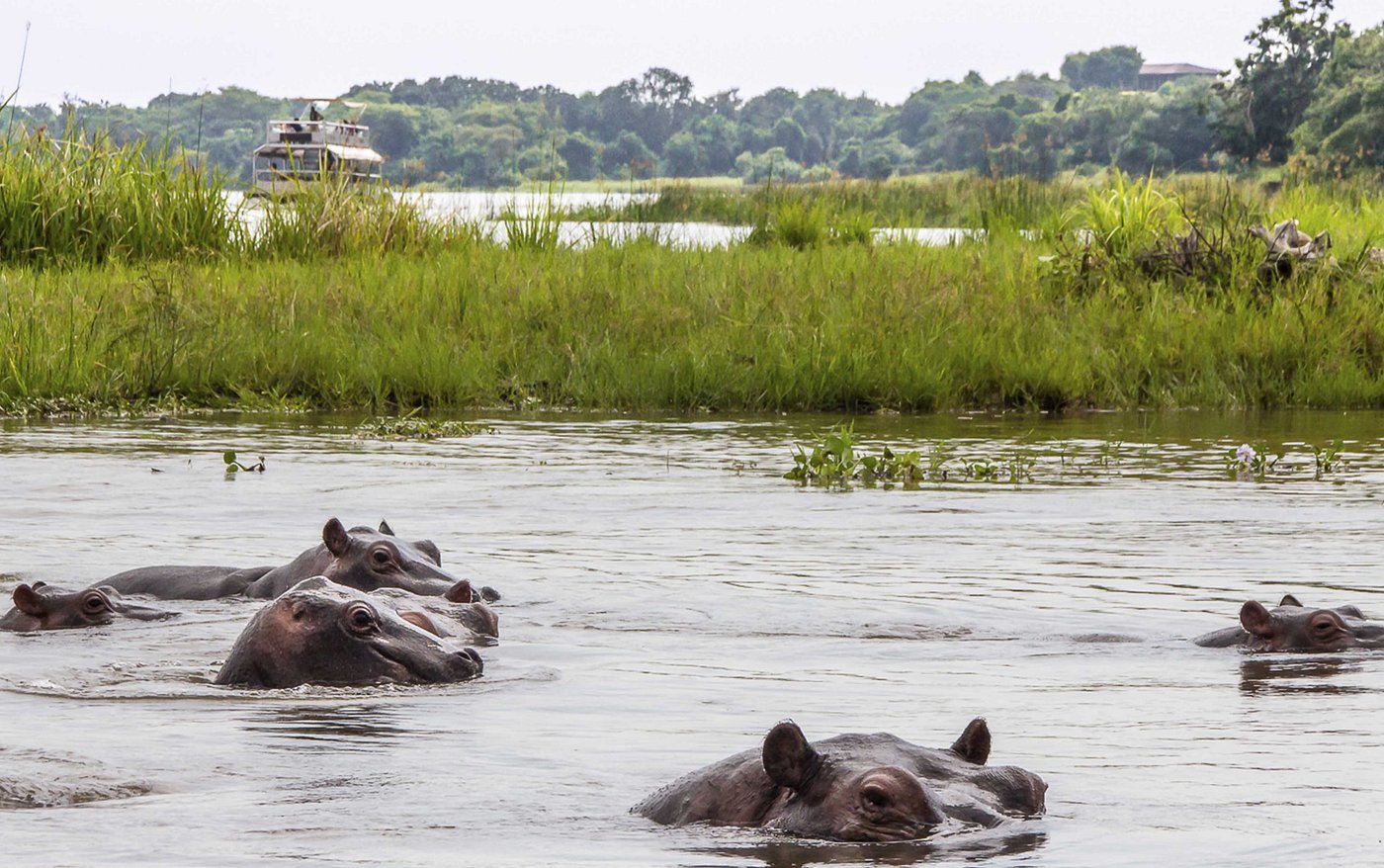
The Murchison Falls boat cruise up the Victoria Nile is worthwhile every month of the year. The river’s hippo population of over 2,000 animals is present 12 months a year, Nile crocodiles bask on the same sandbars in every season and the African fish eagle is a reliable encounter from the boat regardless of the time of year. The afternoon boat cruise is not weather-dependent in the way that an open savannah game drive can be.
That said, the dry season brings some advantages to the boat cruise too. Lower water levels expose more of the sandbars, creating larger congregation points for hippos and crocodiles and making them more concentrated and easier to observe. Elephant sightings at the riverbank are more frequent in the dry months as herds come to drink. The boat cruise to the base of the falls is spectacular in every season but the falls are at maximum power in April and May after the long rains — the volume of white water forcing through the gorge in those months is noticeably greater than in the dry season, and the spray, rainbow and roar from the Devil’s Cauldron below are at their most intense.
Best Time for the Hike to the Top of Murchison Falls
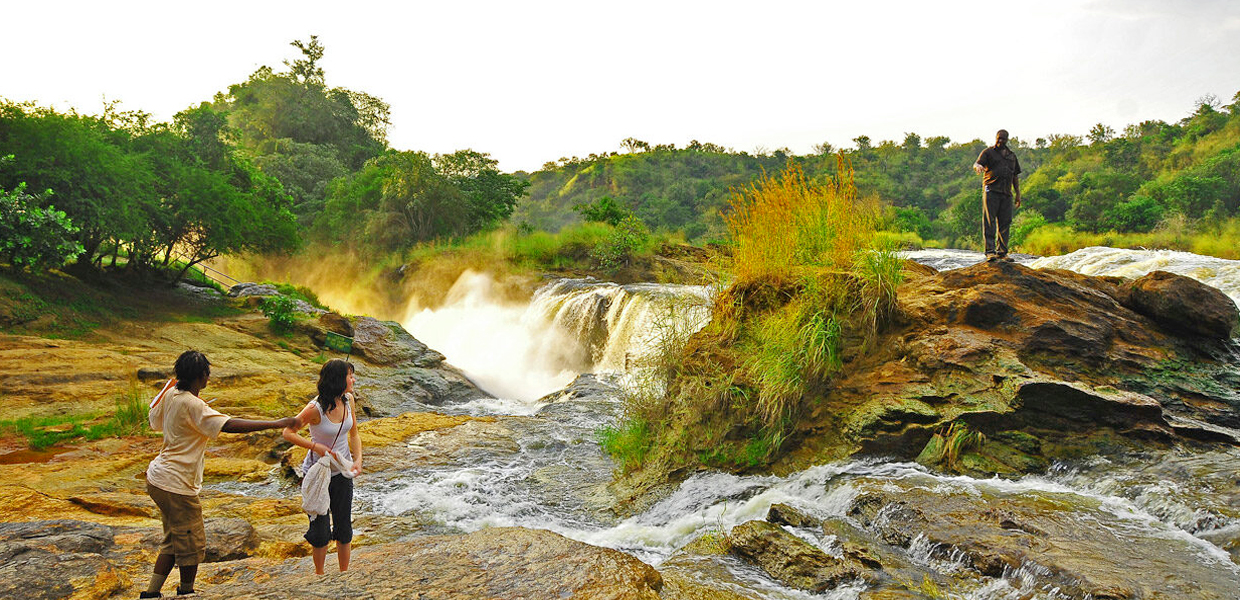
The hike to the top of the falls is possible every day of the year. The trail is short enough — 750 metres with about 50 metres of elevation gain — that even in the wet season it is rarely impassable. In the rainy season the path can be slippery and muddy in places, and closed-toe shoes or waterproof footwear are strongly recommended. In the dry season the trail is firm and comfortable in any shoes.
For the falls view itself, the peak wet season (April and May) produces the most powerful and dramatic falls — the Victoria Nile at full volume through the 7-metre gorge is a genuinely overwhelming sight and sound. In the dry season the water level is slightly lower but the falls are still extraordinary, and the drier conditions make the rainbow in the gorge spray more reliable from around 4:00 PM when the western sun catches the mist. Both experiences are worth having; neither is a consolation prize for the other.
Best Time for Birding in Murchison Falls
Murchison Falls National Park hosts over 450 bird species, and the best birding period is the wet season and shoulder months — particularly October to April. The long wet season (March to May) and the short wet season (October to November) bring large numbers of Palearctic migratory species from Europe and Asia that are absent from the park in the dry season. Waders, raptors and passerine migrants arrive in significant numbers from October onwards, swelling the visible species count considerably.
The south bank forest road is productive for forest species year-round — African broadbill, black bee-eater, chocolate-backed kingfisher, grey-capped warbler and African dwarf kingfisher among others — but the period from October to April is when the species count is highest and when the most unusual visitors turn up. The shoebill stork — one of Africa’s most sought-after birds — is resident in the papyrus swamps of the Albert Nile delta year-round but most reliably encountered on boat-based searches in the dry season when the vegetation is lower and the bird is more visible.
Our guide to birding in Murchison Falls National Park covers the best species and birding spots in detail.
Month-by-Month Guide to Murchison Falls National Park

January and February are part of the short dry season and among the most underrated months to visit. The weather is warm, dry and clear, game viewing is excellent, migratory birds from the Palearctic are still present (most depart in March), and visitor numbers are significantly lower than the June–September peak. Lodge rates are favourable and this is one of the best-value windows for a Murchison Falls visit.
March marks the beginning of the long wet season. Rainfall becomes more frequent and heavier as the month progresses, the north bank tracks begin to get muddy, and wildlife disperses as water becomes available away from the river. Game drives remain possible but sightings are less reliable. March is also the month when the first migratory birds begin to depart northward toward their breeding grounds in Europe.
April and May are the wettest months in Murchison Falls. The north bank can be challenging — some tracks become impassable after heavy rain — and this is the park’s lowest-demand period. However, the falls are at their absolute most dramatic in April and May, the park is lush and photogenic in a completely different way from the dry season, and accommodation rates drop considerably. Guests willing to accept some game drive uncertainty in exchange for the most dramatic waterfall experience and significant cost savings will find April and May surprisingly rewarding.
June marks the start of the dry season. The rains ease, tracks dry out quickly, grass begins to shorten and the savannah opens up for game viewing. By mid-June conditions are very good and visitor numbers start to climb. This is an excellent month to visit before the peak crowds of July and August arrive.
July and August are the peak months. Game viewing is at its best, weather is consistently dry and warm, and the park is busiest. Paraa Safari Lodge and the most popular properties fill up, advance booking is essential, and prices are at their highest. If your travel dates are flexible and you can visit in June, September, or the December–January window instead, you will save money and share the park with fewer vehicles.
September is the final dry-season month and still excellent for game viewing. The very end of September sees the first rains of the short wet season in some years, but typically September is consistently dry. This is a good compromise month — conditions are almost as good as July and August but visitor numbers and prices are beginning to fall.
October and November bring the short wet season. Rainfall is lighter and less consistent than the long wet season and rarely causes the track access problems of April. Migratory birds begin arriving from the Palearctic in October, making this the start of the best birding period. Game viewing is still very good, crowds are minimal and rates are at their lowest. October and November represent some of the best value of any month in the Murchison Falls calendar.
December starts the short dry season. The rains clear quickly and conditions for game drives improve through the month. By Christmas and New Year the park is in full dry season mode, and the holiday period brings a noticeable increase in visitors and rates — though December overall remains less expensive than peak July–August.
What to Pack for Murchison Falls National Park
Regardless of the season you visit, certain items are essential for Murchison Falls. Lightweight, neutral-coloured clothing in khaki, olive, tan or grey works for both game drives and the falls hike — bright colours stand out against the bush and are not recommended for game viewing. A light fleece or jacket is useful for early morning drives when temperatures on the open game circuit can be surprisingly cool even in the dry season.
In the dry season carry at least two litres of water per person per day, high-SPF sunscreen and a wide-brimmed hat. In the wet season add a compact waterproof jacket and closed-toe waterproof footwear for the falls hike trail. A camera with a telephoto lens of at least 300mm is worthwhile on the north bank game circuits where the open savannah means animals are often at moderate distance. Binoculars are essential for birding and add significantly to the game drive experience even for non-birders.
Insect repellent containing DEET is recommended year-round — the Nile floodplain holds mosquitoes in every season, and anti-malarial medication appropriate for Uganda should be taken as advised by your travel health clinic before departure.
Getting to Murchison Falls National Park

Murchison Falls National Park is 305 kilometres from Kampala, approximately 5 to 6 hours by road via Masindi or via the Kampala–Gulu highway. Domestic flights from Entebbe to Pakuba airstrip or Chobe airstrip take approximately 1 hour and are the most time-efficient option, particularly for guests combining Murchison Falls with a gorilla trekking itinerary in the south of Uganda.
All Superfine Safaris Limited Murchison Falls itineraries include airport or hotel collection from Kampala or Entebbe, transfers in a 4WD safari vehicle with an experienced driver-guide, lodge bookings and all park fees. Contact us to discuss your travel dates and we will recommend the best time for your specific interests — whether that is maximum wildlife, the dramatic wet-season falls, the best birding, or the quietest and most affordable window available.
Frequently Asked Questions
What is the best time to visit Murchison Falls National Park?
The best overall time to visit Murchison Falls National Park is the long dry season from June to September. This period delivers the most reliable big game sightings on the north bank — lions, elephant, giraffe, buffalo and Uganda kob are all easier to find in short dry-season grass — and the weather is consistently warm and dry. The short dry season from December to February is an excellent alternative with very good wildlife viewing at lower prices and smaller crowds than peak season.
Can you visit Murchison Falls in the rainy season?
Yes. Murchison Falls National Park is open year-round and the rainy season (March to May and October to November) has genuine advantages: the falls are at their most powerful, the landscape is lush and green, accommodation rates are significantly lower and visitor numbers drop considerably. The main challenge of the long wet season (March to May) is that heavy rain can make north bank tracks muddy and difficult, which can affect game drive access on some days. The short wet season (October to November) is generally much less disruptive and represents excellent value.
Is Murchison Falls National Park good for families?
Yes. Murchison Falls is one of the best family safari destinations in Uganda. The boat cruise is appropriate for all ages, the falls hike is manageable for children aged 6 and above, and the open savannah game drives with large, easily visible mammals are more immediately exciting for children than the forest-based primate tracking elsewhere in Uganda. Most lodges in the park accommodate families and several — including Nile Safari Lodge and Chobe Safari Lodge — have family rooms or interconnecting cottages.
How long should I spend in Murchison Falls National Park?
Two full days and two nights is the practical minimum — one day for the boat cruise and falls hike, one day for a full north bank game drive. Three nights is the recommended standard, covering the afternoon boat cruise, the hike to the top of the falls and two separate game drive sessions on the north bank, including an early morning drive that catches predators before the heat of the day. Superfine Safaris Limited typically builds three-night Murchison Falls itineraries as the base unit for guests who want to experience all of the park’s signature activities without rushing.
Is Murchison Falls safe to visit?
Yes. Murchison Falls National Park is one of Uganda’s most established and well-managed national parks with a strong Uganda Wildlife Authority presence throughout the park. The hike to the top of the falls is accompanied by a UWA ranger guide as standard, which ensures the walk through active wildlife habitat is conducted safely. Murchison Falls is a safe destination for solo travellers, families and groups. Superfine Safaris Limited provides experienced driver-guides with all packages who know the park’s conditions and circuits in detail.
Plan Your Safari
Tell us your travel dates and we will build the best Murchison Falls itinerary for you.
Get a Free QuoteQuick Summary
- Best overall: Jun–Sep & Dec–Feb
- Best for birds: Nov–Apr
- Best falls: Apr–May (high water)
- Avoid: Mar–May road issues
- Open: Year-round