A 3 day Uganda gorilla trekking itinerary is the most efficient way to see mountain gorillas in Bwindi Impenetrable Forest without committing to a longer trip. Three days gives you one full gorilla trekking day in Bwindi, a comfortable arrival day to travel from Entebbe, and enough time to return to the airport for an international departure. Uganda’s gorilla permit costs $700 per person — less than half the price of Rwanda — making this the most affordable gorilla trekking experience in Africa. This guide covers the day-by-day plan, how to get to Bwindi, where to stay and what the full trip costs.
3-Day Uganda Gorilla Trekking Itinerary: Overview
| Day | Location | Activity |
|---|---|---|
| Day 1 | Entebbe → Bwindi | Arrive Entebbe, transfer to Bwindi (drive or fly) |
| Day 2 | Bwindi Impenetrable Forest | Gorilla trekking, afternoon nature walk |
| Day 3 | Bwindi → Entebbe | Return transfer, depart Entebbe |
3-Day Uganda Gorilla Trekking Day by Day
Day 1: Entebbe to Bwindi Impenetrable Forest
Arrive at Entebbe International Airport (EBB). Uganda’s main international gateway is served by flights from London, Amsterdam, Dubai, Nairobi, Addis Ababa and Johannesburg. The e-visa ($50) is available online at visas.immigration.go.ug, apply at least 72 hours before arrival. Most nationalities can also get a visa on arrival.
Bwindi Impenetrable Forest is in southwestern Uganda. You have two options for getting there from Entebbe:
Option A — Fly (recommended for 3-day trips): Charter or scheduled flights from Entebbe Airport to Kihihi Airstrip (near Buhoma sector) or Kisoro Airstrip (near Rushaga and Nkuringo sectors). Flight time: approximately 75 minutes. Available through Aerolink Uganda and Bar Aviation. The flight saves four to five hours of driving and gives outstanding aerial views over the western Rift Valley escarpment. Cost: approximately $250–$350 each way.
Option B — Drive: Eight to nine hours by road from Entebbe to Buhoma. The route passes through Kampala, Mbarara and Kabale. Road conditions are good on the main highways and reasonable on the last section into Bwindi. Viable for visitors who want to see the countryside; not ideal when time is tight on a 3-day trip.
Arrive at your lodge in the afternoon. Your guide will brief you on the gorilla trek briefing time (typically 7:30am at park headquarters) and what to bring on the trek. Dinner at your lodge.
Overnight near Bwindi Impenetrable Forest. Budget: Buhoma Community Rest Camp ($50–80), Gorilla Safari Lodge budget rooms ($80–120). Mid-range: Mahogany Springs Lodge ($180–280), Ruhija Community Camp ($70–100). Luxury: Bwindi Lodge ($400–600), Clouds Mountain Gorilla Lodge ($700–1,000), Sanctuary Gorilla Forest Camp ($600–900).
Day 2: Gorilla Trekking in Bwindi Impenetrable Forest
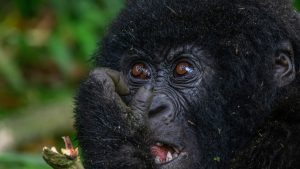 The heart of this 3 day Uganda gorilla trekking itinerary. Arrive at park headquarters between 7:00 and 7:30am for the briefing. Bwindi has four trekking sectors: Buhoma (north, most accessible), Ruhija (east, high altitude, less visited), Rushaga (south, largest number of families) and Nkuringo (southwest, steep terrain). Uganda has over 20 habituated gorilla families in Bwindi more than any other destination in the world.
Groups of eight are assigned to a specific family. Trek duration ranges from one hour to six or more depending on where the gorillas moved overnight. Ranger trackers start at dawn and radio in the family’s location before the trekking group sets off. A porter at the trailhead ($15–20) carries your bag and provides physical support on steep sections — Bwindi’s terrain is significantly more demanding than Volcanoes NP in Rwanda.
Once with the gorillas, you have exactly one hour. Uganda’s gorilla families include some of the largest in the world — the Mubare family (Buhoma’s original habituated group, habituated in 1991) and the enormous Nshongi family (Rushaga) with over 25 members. The forest setting is dramatically different from Rwanda’s Virunga slopes: dense, ancient, often misty.
The afternoon is free. Good options:
Bwindi Nature Walk: 1.5–3 hour guided walks through the forest with community rangers. Good for birds — Bwindi has over 350 species including 23 Albertine Rift endemics.
Batwa Cultural Experience: The Batwa pygmies were the original forest dwellers of Bwindi, displaced when the park was gazetted in 1991. Their cultural programme explains traditional honey hunting, fire making and forest medicine. One of the most authentic cultural encounters in Uganda.
Overnight: same lodge near Bwindi.
Day 3: Return to Entebbe
After breakfast, transfer back to Entebbe. If you flew in, your return charter departs Kihihi or Kisoro mid-morning. If you drove, the nine-hour road journey gives you time to stop at Lake Bunyonyi for lunch — Uganda’s deepest lake, surrounded by terraced hills, is 30 minutes from Kabale town. Arrive Entebbe airport in time for evening international departures.
Alternatively, if your flight is the following morning, Entebbe has several comfortable hotel options near the airport: Protea Hotel Entebbe ($120–180), Imperial Resort Beach Hotel ($100–160, on the lake), or the budget-friendly Airport View Guesthouse ($40–70).
Bwindi Sector Guide: Which to Choose
Buhoma — The original and most visited sector. Best infrastructure, closest to the main gate, shortest drive times from Entebbe and Kampala. Families include Mubare and Rushegura. Good for first-time visitors who want reliable logistics.
Ruhija — The highest and most remote sector (2,400m+). Fewer tourists, challenging terrain, outstanding birdwatching en route. Families include Oruzogo and Bitukura. Good for experienced trekkers who want a quieter experience.
Rushaga — The largest sector with the most habituated families. Includes the enormous Nshongi family (25+ members) and the only sector offering the gorilla habituation experience. Good for groups wanting maximum family selection.
Nkuringo — Southwest corner, steep terrain, dramatic views over the Congo border. Families include Nkuringo and Christmas. Good for visitors combining with Rwanda (Nkuringo is 2.5 hours from Kigali via Cyanika border).
Best Time for a 3-Day Uganda Gorilla Trek
June–August (long dry season): Best trail conditions in Bwindi. Forest tracks firm up, rain is infrequent, and mornings are often clear. The most popular period — book permits and lodges three to four months ahead.
December–February (short dry season): Excellent conditions and lower visitor numbers than the peak months. Good value at mid-range lodges. Christmas and New Year dates at luxury properties sell out many months in advance.
March–May and September–November (wet seasons): Trails are muddy but the gorillas behave identically year-round — they live in the rainforest and are entirely unaffected by the weather. Lodge rates drop 20–35%. October and November are particularly good value months with reliable sightings and smaller crowds.
Practical Information
Visa: E-visa ($50) online at visas.immigration.go.ug or visa on arrival at Entebbe Airport. East Africa Tourist Visa ($100) covers Uganda, Kenya and Rwanda on one visa, good value for multi-country trips. See our Uganda visa guide.
Gorilla permits: Book through a registered Uganda safari operator. Peak season permits (June–August) should be secured three to six months ahead. Superfine Safaris handles permit booking as part of any gorilla package.
Health: Yellow fever vaccination required for entry. Malaria prophylaxis recommended. Altitude at Bwindi reaches 2,400m in Ruhija sector — good physical fitness recommended for the trek.
Currency: Ugandan Shilling (UGX). USD accepted at lodges and major operators. ATMs in Kampala, Mbarara and Kabale.
Combining Uganda and Rwanda Gorilla Trekking
Nkuringo sector of Bwindi is 2.5 hours from Kigali via the Cyanika border crossing. A popular combination: 2 nights Bwindi (1 gorilla trek, Uganda permit $700) + 2 nights Volcanoes NP Rwanda (1 gorilla trek, Rwanda permit $1,500). Total: two gorilla experiences, two countries, four nights. This combination gives you both the forest character of Bwindi and the volcanic landscape of the Virungas for comparison. See our Uganda vs Rwanda gorilla trekking comparison.
Frequently Asked Questions
Is 3 days enough for gorilla trekking in Uganda? Yes — three days gives you the gorilla trek plus comfortable travel time. The limiting factor is usually international flight connections; if your flight arrives late on Day 1, consider flying to Bwindi rather than driving to save time.
Uganda gorilla permit vs Rwanda gorilla permit — which is better value? Uganda’s permit is $800 versus Rwanda’s $1,500. Uganda also has 20+ habituated families compared to Rwanda’s 12, meaning more permit availability. Rwanda offers a shorter trek and more reliable luxury lodge options around Volcanoes NP. Both have 100% sighting success rates. See our full comparison guide.
Can I do a Uganda gorilla trek as a day trip from Rwanda? Not practically — even from Kigali to Buhoma sector it’s 5–6 hours each way. The Nkuringo sector is 2.5 hours from Kigali but still requires an overnight stay. Plan at least two nights in Uganda for a gorilla trek.
What sector of Bwindi should I choose for a 3-day trek? Buhoma for first-timers who want reliable logistics and good infrastructure. Rushaga for maximum family availability and those interested in the gorilla habituation experience. Nkuringo for visitors combining with Rwanda. Ruhija for experienced trekkers wanting a quieter, more challenging experience.
Do I need a guide for a Uganda gorilla trek? Yes — gorilla trekking in Bwindi is only done with licensed Uganda Wildlife Authority rangers. A private driver-guide handles logistics from Entebbe; the park rangers lead the actual trek.