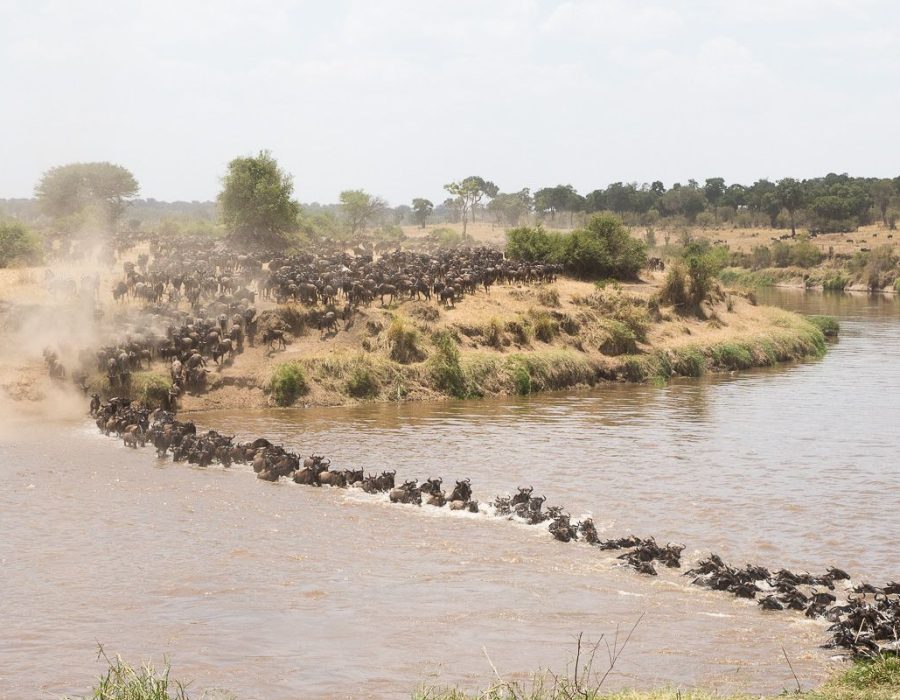
Tanzania vs Kenya Wildebeest Migration
Wondering whether to see the Great Wildebeest Migration in Tanzania or Kenya? Compare the best time to visit, river crossings, wildlife, safari costs, and more with this detailed guide by Superfine Safaris Limited. Wildebeest migration in Tanzania and Kenya is one of the world’s great natural wonders. Every year, millions of travelers come from all over the world to witness the Great Wildebeest Migration.
This extraordinary journey sees over 1.5 million wildebeest, joined by nearly 300,000 zebras and hundreds of thousands of gazelles, move across the vast plains of East Africa in search of greener pastures. The wildebeest migration experience magical river crossings, predator encounters, dramatic landscapes, and unforgettable wildlife experiences.
However, many first-time travelers planning an African safari often ask the same question “Should I experience the wildebeest migration in Tanzania or Kenya?” which destination is best for wildebeest migration? The truth is that both countries offer exceptional safari experiences, but each has unique advantages depending on the time of year, your budget, and the type of wildlife encounters you hope to enjoy
At Superfine Safaris Limited, we organize tailor-made wildebeest migration safaris in both Tanzania and Kenya, helping visitors experience every stage of this remarkable natural event. In this guide, we compare the two destinations to help you decide which safari is right for you.
Sample Great Wildebeest Migration Safari Packages
5 Days Tanzania Wildebeest Migration expereince
5 Days Kenya Wildebeest migration Journey
7 Days Tanzania Wildebeest Experience Safari
14 Days Tanzania & Kenya Wildebeest Safari
What is the Great Wildebeest Migration?
The Great Migration is an annual cycle rather than a single event. The animals move in a clockwise direction through the Serengeti ecosystem in Tanzania before crossing into Kenya’s Maasai Mara and eventually returning to Tanzania. The movement of the herds is guided entirely by rainfall and the search for fresh grazing land.
The Wildebeest migration journey covers nearly 1,000 kilometres each year and is recognized as one of the most impressive wildlife migrations on Earth.
Unlike many wildlife events, there is no fixed start or finish date. The migration follows nature’s rhythm, making every safari unique.
Why Tanzania is the Best Choice for the Wildebeest Migration
Tanzania is home to approximately 75% of the migration route making it an ideal destination for travellers who want flexibility and a wider variety of wildlife experiences. The wide Serengeti offers incredible diversity, from open grasslands to river crossings and woodland habitats
- Experience the Migration Almost All Year
One of Tanzania’s greatest advantages is the length of time the migration remains within its borders. From the southern Serengeti plains to the western corridor and the northern Mara River, the herds spend nearly ten months moving through different parts of the park.
Visitors to Serengeti National Park can experience different stages including calving season, Predator hunts, Massive moving herds, Grumeti River crossings and northern Serengeti Mara River crossings.
Unlike Kenya, Tanzania provides excellent migration viewing opportunities almost year-round
- Witness the Incredible Calving Season
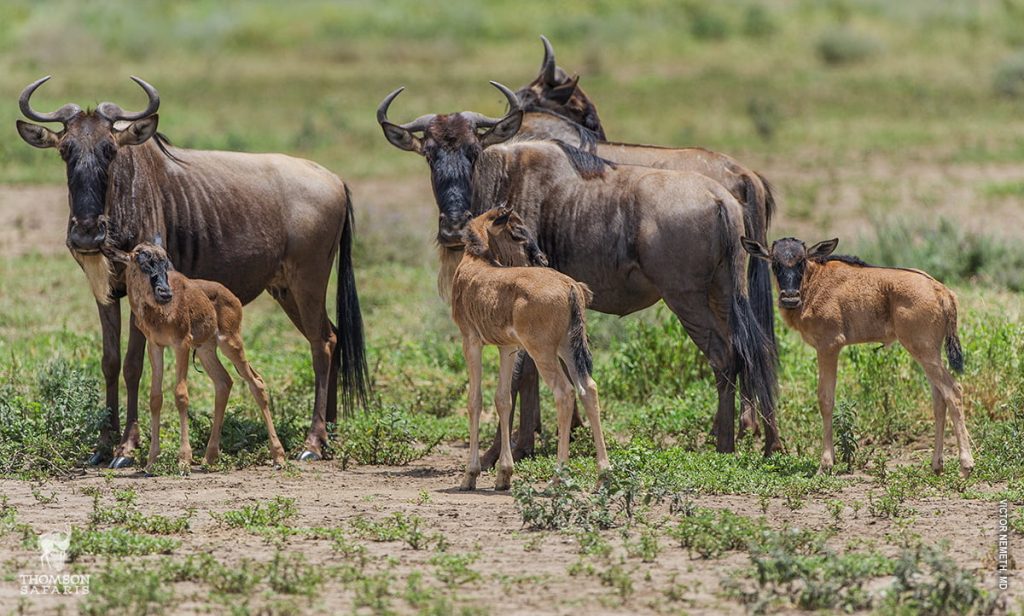 Between January and March, the southern Serengeti transforms into one of Africa’s greatest wildlife nurseries. During this period more than 500,000 wildebeest calves are born and thousands of predators gather to hunt vulnerable newborns. More so Lions, cheetahs, hyenas and leopards become highly active during this season. Wildlife photographers enjoy incredible action throughout the day.
Many experts say that calving season is the most exciting season of wildebeest migration journey.
- Diverse Safari Landscapes
The Serengeti National park comprises of a diverse ecological system including endless grasslands, rocky kopjes, riverine forests, acacia woodlands and Seasonal wetlands This variety supports an incredible concentration of wildlife beyond the migration
These changing landscapes create spectacular photographic opportunities while supporting an incredible diversity of wildlife.
- Less Crowded Safari Experience
Besides Wildebeest migration, Serengeti National Parks offers more space for less crowded wildlife safari experiences. The park covers roughly 14,000 square kilometers, making it one of Africa’s largest protected ecosystems.
Even during peak migration months, many areas remain peaceful and uncrowded, allowing visitors to enjoy private wildlife encounters away from busy tourist routes.
Why Kenya is Famous for the Wildebeest Migration
Although the migration only spends a few months in Kenya, the Maasai Mara National Reserve delivers some of the most dramatic wildlife scenes anywhere in Africa.
July to October is the peak pf wildebeest migration in Masai Mara National Reserve. The highlights of wildebeest migration in Kenya include
- The Magical Mara River Crossings
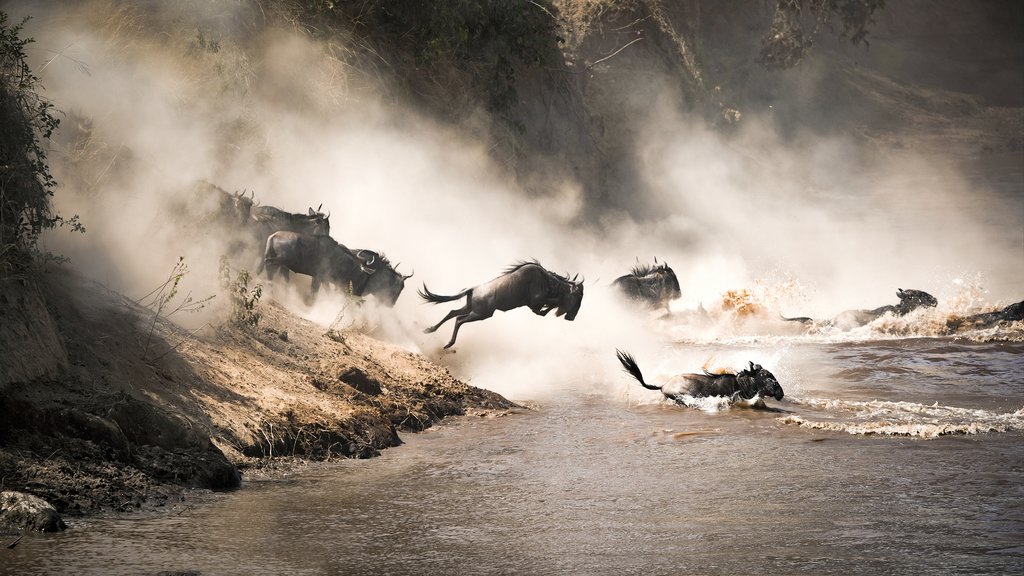 Mara river crossing is the highlight of Kenya’s wildebeest migration season. Thousands of wildebeest gather nervously along the riverbanks before suddenly plunging into crocodile-infested waters. Visitors are amazed by massive herds crossing simultaneously, giant Nile crocodiles attacking from below, Wildebeest stampedes and predators waiting along the opposite bank
No two crossings are ever the same, making each safari completely unique.
- Outstanding Predator Sightings
As said before, Masai Mara supports one of the highest concentrations of predators in Africa. Travelers encounter Lion prides, Cheetahs hunting on open plains, Leopards resting in riverine forests and Hyenas following migration herds
Even outside the migration season, wildlife viewing remains exceptional.
- Easy Accessibility
Kenya is often preferred by travellers with limited holiday time. International flights arrive in Nairobi, with daily domestic flights providing quick access to the Maasai Mara.
Many luxury lodges can be reached within an hour by air.
Tanzania vs Kenya Comparisons
Migration Season
Tanzania
- Migration available for approximately ten months.
- Offers year-round safari opportunities.
Kenya
- Migration generally present from July to October.
- Short but spectacular viewing season.
Tanzania is therefore the best choice
River Crossings
Tanzania
Visitors can witness:
- Grumeti River crossings
- Northern Serengeti Mara River crossings
These crossings are dramatic but often less crowded.
Kenya
The Maasai Mara is world-famous for:
- Frequent Mara River crossings
- Large herd movements
- Excellent photographic opportunities
Kenya is the best choice for river crossing experiences
Wildlife Diversity
Tanzania offers access to multiple iconic parks in one itinerary, including Serengeti National Park, Ngorongoro Conservation Area, Tarangire National Park and Lake Manyara National Park. The combination of many destinations provide opportunities to see the Big Five, tree-climbing lions, elephants, flamingos, and abundant birdlife.
Kenya’s Maasai Mara is equally rich in wildlife but covers a smaller area.
Tanzania is therefore best for wildlife diversity
Photography
Tanzania excels for:
- Sunrise over endless plains
- Calving season
- Predator interactions
- Diverse scenery
Kenya excels for:
- River crossings
- Action photography
- Dramatic dust-filled landscapes
- Close wildlife encounters
Safari Costs
While safari prices vary according to season and accommodation, Tanzania generally provides better value over a longer period of the year.
Kenya experiences significant price increases during the peak migration months of July, August and September due to high demand.
Best Time to Visit Tanzania
Each season in Tanzania offers a different wildebeest migration experience.
January to March
This season is best for Calving, Predator activity and green landscapes
April to May
This is a quiet season offering excellent value and lush scenery
June
Grumeti River crossings
July to October
Wildebeests move to Northern Serengeti and start Mara River crossings
November to December
Herds return to the southern plains
Kenya
July to October
July to October is the best time for wildebeest migration in Masai Mara National Park. The season entails dramatic Mara River crossings, Big cat sighting and peak migration photography
Which Destination is Better for First-Time Safari Visitors?
For first time travelers planning Wildebeest migration experience, Tanzania offers a broader safari experience. Interestingly, Serengeti can easily be combined with the Ngorongoro Crater, Tarangire National Park, and Lake Manyara, allowing visitors to experience a wide range of landscapes and wildlife in one journey.
On the other hand, Kenya is an excellent option for travellers whose main goal is to witness the dramatic Mara River crossings and enjoy a shorter safari itinerary.
Why Choose Both Tanzania and Kenya?
Rather than choosing one destination over the other, many travelers opt for a cross-border safari that follows the migration from the Serengeti into the Maasai Mara. A combined wildebeest migration itinerary offers more migration viewing opportunities, diverse landscapes, exceptional wildlife photography, luxury and authentic safari experiences and a deeper understanding of the Great Migration
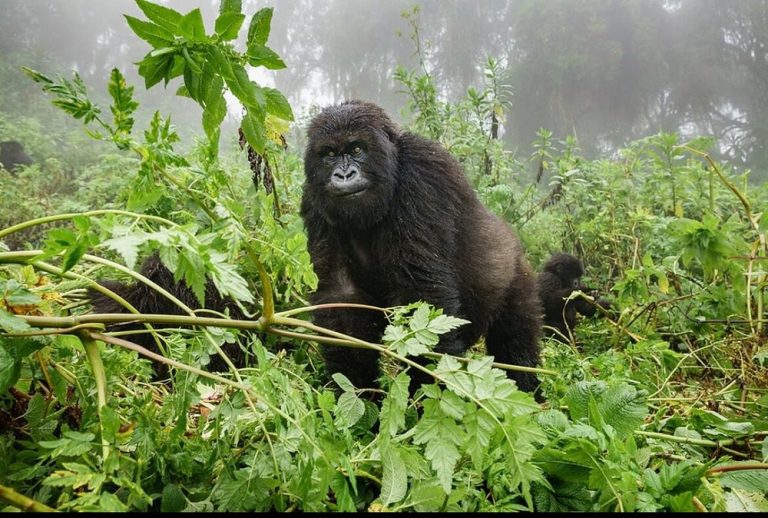
For the ultimate East African adventure, many guests also add gorilla trekking in Uganda or Rwanda after their migration safari.
Why Book Your Migration Safari with Superfine Safaris Limited?
Planning a Great Wildebeest Migration safari requires expert timing, local knowledge, and careful itinerary design. At Superfine Safaris Limited, we specialize in creating personalized safari experiences that maximize your chances of witnessing the migration at its most spectacular.
Our experienced safari consultants monitor seasonal wildlife movements and recommend the best locations based on your travel dates.
When you travel with us, you enjoy:
- Personalized Tanzania and Kenya migration itineraries
- Luxury, mid-range, and budget safari packages
- Professional English-speaking driver-guides
- Comfortable 4×4 safari vehicles with guaranteed window seats
- Carefully selected lodges and tented camps
- Flexible departures throughout the migration season
- Optional extensions to Zanzibar, Uganda, and Rwanda
Whether you dream of watching thousands of wildebeest cross the Mara River or photographing newborn calves on the Serengeti plains, Superfine Safaris Limited is committed to delivering an unforgettable safari tailored to your interests.
Frequently Asked Questions
Is Tanzania or Kenya better for the Great Wildebeest Migration?
Tanzania offers a longer migration season and more varied safari experiences, while Kenya is renowned for its dramatic Mara River crossings during the peak migration months.
When is the best time to see the migration?
The answer depends on the experience you are looking for. Visit Tanzania between January and March for the calving season, June for the Grumeti River crossings, or July to October for the northern Serengeti. Kenya is best visited between July and October for the famous Mara River crossings.
Can I combine Tanzania and Kenya in one safari?
Yes. A combined Tanzania and Kenya safari allows you to experience multiple stages of the migration and explore two of Africa’s most celebrated wildlife destinations in a single journey.
How many days do I need for a migration safari?
A minimum of 6 to 8 days is recommended for one country, while 10 to 14 days provides enough time to combine both Tanzania and Kenya comfortably.
Conclusively, choosing between Tanzania and Kenya for wildebeest migration depends on the kind of safari experience you seek. Tanzania is the better option for travellers who want to follow the migration over a longer period, enjoy quieter game drives, and explore a wider variety of national parks.
Kenya stands out for its world-famous Mara River crossings and outstanding predator sightings during the peak migration season.
For the most rewarding experience, consider combining both destinations into one unforgettable journey.