Explore Tanzania on our customized 7 Day Tanzania safari to the northern circuit, the , most visited destination in the whole of Tanzania. Seven days is the recommended minimum for a comprehensive Tanzania northern circuit safari that covers the Serengeti properly, including time in both the central and northern zones plus Ngorongoro Crater and Tarangire. This itinerary delivers the Serengeti at its best, with a strong chance of seeing the Great Migration river crossings if you travel between July and October.
7-Day Tanzania Safari Itinerary: Overview
| Day | Location | Activity |
|---|---|---|
| Day 1 | Arrive Arusha → Tarangire NP | Afternoon game drive, elephants and baobabs |
| Day 2 | Tarangire NP | Full-day game drive, walking safari option |
| Day 3 | Tarangire → Central Serengeti | Drive through Ngorongoro highlands, Seronera game drive |
| Day 4 | Central Serengeti | Full-day: big cats, migration herds, Seronera Valley |
| Day 5 | Northern Serengeti (Mara River) | Drive north, river crossing zone, wildebeest migration |
| Day 6 | Northern Serengeti → Ngorongoro | Morning Mara game drive, drive south, crater rim |
| Day 7 | Ngorongoro → Arusha | Ngorongoro Crater descent, return Arusha, depart |
Day by Day 7 Day Tanzania Safari Itinerary
Day 1: Arrive Arusha, Drive to Tarangire
Fly into Kilimanjaro International Airport (JRO) — most international connections are via Nairobi, Addis Ababa, Doha, or Amsterdam. Your driver-guide meets you at arrivals and you head directly for Tarangire National Park — 120km southwest of Arusha, about two hours. No overnight in Arusha means you’re sleeping inside the bush from your first night.
Afternoon game drive in Tarangire (3–6pm). The park’s dry-season elephant concentration — several thousand animals converging on the Tarangire River — is one of the most impressive wildlife phenomena in Africa. Baobab trees up to 1,000 years old frame the savanna. Check in as the sun drops behind the escarpment.
Overnight: Tarangire NP.
Day 2: Full Day in Tarangire
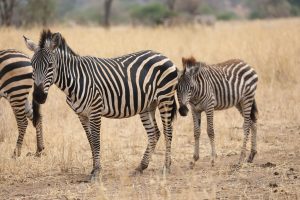 Morning game drive from 6am exploiting the cool hours and animal activity around the river. Tarangire has reliable lion sightings year-round — the park’s lion population is one of the least studied in Tanzania, giving encounters a wilder, less predictable quality. Leopards are seen regularly in the riverine acacias, particularly in the morning when they descend from overnight kills.
The Silale and Gursi swamps in the park’s northern sector attract extraordinary concentrations of prey animals — mixed herds of zebra, wildebeest, eland, oryx, hartebeest and impala in their tens of thousands during the dry season. This is one of the genuinely underrated wildlife spectacles in Tanzania.
Optional morning walking safari with an armed ranger — available at most camps. A two-hour walk through the riverine acacia forest gives a completely different perspective on the ecosystem — you notice termite mounds, dung beetle trails, tree bark patterns and small mammals that you miss from a vehicle.
Afternoon drive focusing on predator activity. Return to camp at sunset.
Overnight: Tarangire NP.
Day 3: Tarangire to Central Serengeti
Drive northwest from Tarangire toward the Ngorongoro Conservation Area. The route passes through Mto wa Mbu (“River of Mosquitoes”) — a busy roadside market town at the base of the rift escarpment — and then climbs steeply up the crater rim through highland forest. The temperature drops noticeably. Coffee and banana plantations replace the savanna.
The Ngorongoro Crater rim road passes several overlooks worth brief stops. The crater is 600 metres deep and 20km across — from the rim you’re looking down into a self-contained world. Buffalo herds visible from here are often mistaken for ant columns by first-timers.
Continue west through the Ngorongoro Conservation Area and down the escarpment into the Serengeti ecosystem. The first plains of the Serengeti come into view as you exit the forest — the horizon opens dramatically. Arrive at your central Serengeti camp by early afternoon. Afternoon game drive in the Seronera Valley.
Overnight: Central Serengeti.
Day 4: Full Day in Central Serengeti
Central Serengeti revolves around the Seronera Valley — where the Seronera and Orangi rivers provide permanent water and sustain a permanent concentration of wildlife. The valley has the highest leopard density in Africa: the sycamore fig trees along the river are known leopard resting spots, and most morning drives yield sightings.
Multiple resident lion prides patrol territories in the central area. The Seronera pride and the Mukoma Hill pride are among the most frequently seen. Cheetahs use the open short-grass plains east of Seronera and are highly visible due to the flat terrain — they often use termite mounds as vantage points.
July–October: wildebeest and zebra herds may still be in the central Serengeti or beginning to push north. The migration timing varies year to year — your guide will monitor daily reports and adjust your game drive areas accordingly.
Overnight: Central Serengeti.
Day 5: Drive North to the Mara River Zone
The northern Serengeti and the Mara River is where the Great Migration’s most dramatic moment plays out: river crossings, where hundreds of thousands of wildebeest plunge into the crocodile-filled Mara River in a chaos of dust, splashing and predation. Crossings happen unpredictably between July and October — you position yourself at the river and wait.
The drive from central to northern Serengeti takes about three hours on a mix of gravel and dirt roads. The landscape changes: the central short-grass plains give way to the long-grass Loliondo zone and then the dense Terminalia woodland of the north. Kopjes (granite outcrops) dot the terrain — lion and cheetah use them as lookouts.
Arrive in the northern sector by midday. Afternoon at the Mara River crossing points — there are three main crossing sites between Lamai and Mara North. Crossing timing is impossible to predict — it depends on the herd’s movements, predator presence, and the river level. Some days you wait all afternoon; some days you catch three crossings before breakfast. Either way, the northern Serengeti wildlife is exceptional: lions, elephants, giraffes, and large resident herds of topi year-round.
Overnight: Northern Serengeti. Serengeti Pioneer Camp, Alex Walker’s Serian (mid-range–luxury), or Lemala Mara ($350–800).
Day 6: Northern Serengeti to Ngorongoro
Early morning at the Mara River (4:30am departure for the best light and animal activity). The hour after dawn is prime predator time — lions and hyenas from overnight hunts, cheetahs beginning to stalk. Morning game drive covers the river banks and the adjacent plains.
Depart mid-morning for the drive south to Ngorongoro. Four to five hours on the main Serengeti–Ngorongoro road. Arrive at the crater rim in the late afternoon. The rim sits at 2,300m — cold at night (bring layers), with views across the crater and, on clear days, as far as Kilimanjaro and Ol Doinyo Lengai. Evening sundowners on the rim are a highlight.
Overnight: Ngorongoro Crater Rim. Ngorongoro Serena Lodge ($300–450), Ngorongoro Sopa Lodge ($250–380), Ngorongoro Crater Lodge (luxury, $1,200–1,800).
Day 7: Ngorongoro Crater and Return to Arusha
Early descent into the crater at 7am. The Ngorongoro Crater — 260 km² of enclosed ecosystem — holds around 25,000 large mammals. The variety and density is unmatched anywhere in Africa: multiple lion prides (30–40 lions resident in the crater), the densest population of spotted hyenas in the world, a permanent hippo pool at the centre, flamingos on the soda lake, and the most important remaining black rhino population in Tanzania (around 26 individuals).
Exit the crater by 1pm. Drive three hours to Arusha. Airport drop-off for afternoon or evening international departures. If your flight is early the next morning, several Arusha hotels are within 30 minutes of Kilimanjaro Airport.
7-Day Tanzania Safari: Cost Estimate
| Item | Budget | Mid-Range | Luxury |
|---|---|---|---|
| Park & conservation fees (6 days) | $570 | $570 | $570 |
| Ngorongoro Crater descent | $295 | $295 | $295 |
| Lodging (6 nights) | $1,200–1,800 | $2,100–3,000 | $4,800–10,800 |
| Private 4WD + driver-guide (7 days) | $700–950 | $950–1,300 | $1,300–1,800 |
| Total per person | ~$2,765–$3,615 | ~$3,915–$5,165 | ~$6,965–$13,465 |
Best Time for a 7-Day Tanzania Safari
Migration river crossings (July–October): The northern Serengeti Mara River crossings are the reason most visitors specifically choose this period. The exact timing varies year to year — hire a guide with current knowledge, or travel with an operator who provides daily tracker updates.
Southern Serengeti calving (January–March): The wildebeest calving season transforms the southern Serengeti into a predator hotspot. Half a million calves are born in a six-week window. Cheetahs, lions, hyenas and wild dogs capitalise on the abundance — some guides rate this above the river crossings for sheer action.
Year-round option: The central Serengeti (Seronera) and Ngorongoro Crater are productive every month. If you can’t travel during the peak migration months, avoid planning your trip around river crossings and focus on the reliable central circuit.