A 10 day Tanzania safari itinerary is the most complete way to experience Tanzania’s northern circuit covering all four key destinations without rushing any of them: The 10 Day Tanzania safari takes you to Tarangire National Park for elephant herds and tree-climbing lions, the full Serengeti from central plains to the Mara River crossing zone in the north, and the Ngorongoro Crater, finished with three nights on Zanzibar’s Indian Ocean beaches. Ten days allows two nights in each safari park plus a proper Zanzibar extension the classic Tanzania safari-and-beach combination. This guide covers the day-by-day route, lodges at every budget and a full cost breakdown.
10-Day Tanzania Safari Itinerary: Overview
| Day | Location | Activity |
|---|---|---|
| Day 1 | Arusha | Arrive Kilimanjaro, overnight Arusha |
| Day 2 | Tarangire NP | Drive to Tarangire, afternoon game drive |
| Day 3 | Tarangire NP | Full day game drives |
| Day 4 | Central Serengeti | Drive to Serengeti, afternoon drives |
| Day 5 | Central Serengeti | Full day, Seronera wildlife corridor |
| Day 6 | Northern Serengeti | Fly north, Mara River crossing zone |
| Day 7 | Northern Serengeti | Full day Mara River, balloon safari option |
| Day 8 | Ngorongoro Crater | Fly south, full crater floor day |
| Day 9 | Zanzibar | Fly to Zanzibar, Stone Town, beach |
| Day 10 | Zanzibar → Depart | Beach morning, depart from Zanzibar |
10 Day Tanzania Safari Day by Day
Day 1: Arrive Kilimanjaro, Overnight Arusha
Arrive at Kilimanjaro International Airport (JRO). Direct flights from Amsterdam, London, Dubai, Doha, Addis Ababa and Nairobi. Tanzania e-visa ($50) online at eservices.immigration.go.tz. Arusha, 45 minutes from the airport, is the safari capital of Tanzania and the base for all northern circuit departures. Most visitors spend one night here to rest and meet their guide before heading out on Day 2.
Overnight Arusha. Options: Arusha Coffee Lodge, Onsea House, Arusha Hotel.
Days 2–3: Tarangire National Park
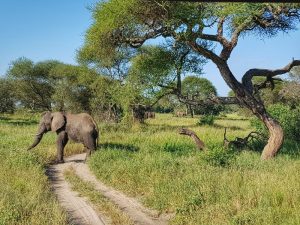 Two hours from Arusha. Tarangire is famous for the largest elephant concentration in Tanzania during the dry season (July–October), hundreds of elephants converge on the Tarangire River when surrounding water sources dry up. The park also has tree-climbing lions in its acacia woodland and enormous baobab trees that define the landscape. Day 2 afternoon game drive; Day 3 full day with morning and afternoon drives. Good for lion, leopard, cheetah, leopard tortoise and a superb variety of raptors. The dry season’s concentration effect makes Tarangire feel like a private reserve.
Overnights near Tarangire. Mid-range: Tarangire Safari Lodge ($180–280). Luxury: andBeyond Tarangire Tree Lodge ($700–$1,100), Sanctuary Swala ($600–$950).
Days 4–5: Central Serengeti
Drive (4 hours) or fly (30 minutes) from Tarangire to central Serengeti. Central Serengeti’s Seronera area is the most productive year-round wildlife zone — the Seronera River corridor has permanent water that holds lion prides, leopard in the riverine fig trees, cheetah on the open plains and enormous resident herds of zebra, wildebeest, topi, Thomson’s gazelle and buffalo. Day 4 afternoon drive; Day 5 full day exploring Seronera and the Moru Kopjes — granite outcrops that shelter lion, leopard and black rhino (rare, worth asking your guide about current sightings).
Overnights central Serengeti. Mid-range: Serengeti Serena Safari Lodge ($250–400), Seronera Wildlife Lodge ($150–250). Luxury: Four Seasons Safari Lodge ($700–$1,200), andBeyond Serengeti Under Canvas ($550–$900).
Days 6–7: Northern Serengeti (Mara River)
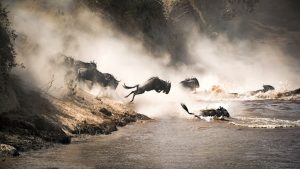 Fly north (25 minutes, internal airstrip transfer) to the northern Serengeti — the Lamai and Kogatende areas on the Kenya border. The northern Serengeti is where the wildebeest migration river crossings happen: between July and October, the herds attempt the Mara River in spectacular, chaotic masses — crocodiles, drownings, chaos and survival. Day 6 afternoon drive along the Mara River banks. Day 7 full day dedicated to river crossing vigils — your guide will position you near the most active crossing points. Balloon safari ($599, departs 6am) is the signature northern Serengeti experience and fits perfectly on Day 7 morning.
Outside migration season, the northern Serengeti still has outstanding game: resident lion prides, cheetah, leopard, elephant and the Mara River’s permanent hippo and crocodile populations.
Overnights northern Serengeti. Mid-range: Serengeti Migration Camp ($350–550). Luxury: andBeyond Klein’s Camp ($700–$1,100), Singita Lamai ($1,500–$2,500), Nomad Lamai ($650–$1,000).
Day 8: Ngorongoro Crater
Fly south to the Ngorongoro Crater rim (40 minutes). Descend into the Ngorongoro Crater — the world’s largest intact volcanic caldera (260km²) and one of the highest densities of wildlife in Africa. The crater floor holds 25,000 large animals including the Big Five, a large resident black rhino population (most reliably seen in the Lerai Forest and around Lake Magadi), huge lion prides, elephant bulls and one of the highest flamingo concentrations in East Africa on Lake Magadi. A full day in the crater (6am–6pm descent permitted) is significantly better than a half-day visit.
Overnight Ngorongoro Crater rim. Mid-range: Ngorongoro Serena Safari Lodge ($250–400). Luxury: andBeyond Ngorongoro Crater Lodge ($800–$1,400), The Highlands ($650–$1,100).
Days 9–10: Zanzibar
Fly from Kilimanjaro or Arusha to Zanzibar (Abeid Amani Karume International Airport, ZNZ, 1 hour). Zanzibar’s Stone Town — a UNESCO World Heritage Site of narrow coral stone alleys, carved wooden doors and Swahili Arab architecture — is worth 2–3 hours on arrival afternoon. Then settle on the beach: Nungwi and Kendwa (north) for lively beach with calm water year-round; Paje and Bwejuu (east) for windswept Indian Ocean and kitesurfing; Matemwe (northeast) for quiet reef access. Day 10: beach morning before afternoon or evening international departure from ZNZ.
Overnights Zanzibar. Mid-range: Zanzibar White Sand Luxury Villas ($200–350), Sunshine Marine Lodge ($120–200). Luxury: Baraza Resort & Spa ($550–900), The Residence Zanzibar ($700–$1,200).
Best Time and FAQs
Best time: June–October for the wildebeest migration river crossings in the northern Serengeti and dry season concentration in Tarangire. January–March for calving season (Serengeti short grass plains, cheetah and lion activity peaks). December–February for quieter parks and lower rates. Zanzibar is warm year-round; June–October has the driest weather on the east coast.
Do I need the northern Serengeti for this itinerary? Only during migration season (July–October). Outside that window, central Serengeti’s Seronera area has better year-round wildlife density than the north — replace the Day 6–7 north camp with two additional nights in central Serengeti or substitute Lake Manyara (flamingos, tree-climbing lions) or Olduvai Gorge for variety.
Can I do this itinerary without internal flights? Driving between all parks adds approximately three full driving days and is significantly less efficient for a 10-day trip. Internal flights ($150–200 per leg) are strongly recommended; they also give aerial views of the Serengeti that are a worthwhile experience in themselves.
For full details, see our Tanzania Safari Guide 2027 and Tanzania safari cost guide.