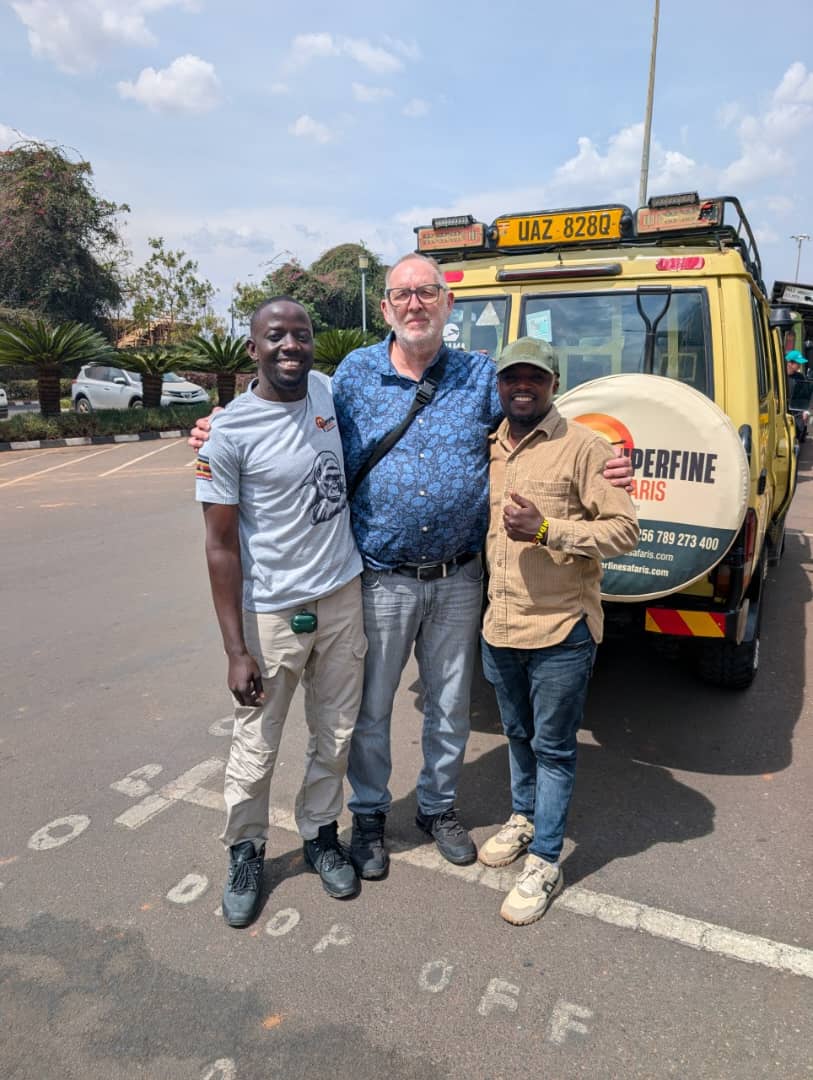
A solo safari in East Africa is one of the most rewarding travel decisions you can make. Far from the crowded tour groups and rigid schedules of packaged holidays, travelling alone on safari gives you complete control over your pace, your interests, and the depth of your wildlife encounters. East Africa is exceptionally well set up for solo travellers — the region is safe, the infrastructure for independent and guided travel is excellent, and solo safaris are more common than many first-timers realise. This guide covers everything you need to know to plan a successful, safe, and deeply rewarding solo safari in East Africa.
Why Choose a Solo Safari in East Africa?
The appeal of a solo safari in East Africa goes well beyond simply not having a travel companion. Solo travellers consistently report that the safari experience is more immersive when undertaken alone — conversations with guides are deeper, wildlife encounters feel more personal, and the solitude of sitting at a waterhole watching elephants at dusk, without the need to share the moment with anyone, has its own profound quality. Here are the key reasons solo travellers choose East Africa:
- Complete flexibility: No compromise on destinations, timing, or pace. A solo safari in East Africa moves entirely according to your interests — spend an extra day in Tarangire because the elephants are extraordinary, skip a park that does not excite you, change plans mid-trip based on where the wildlife is.
- Deeper guide relationships: A vehicle shared by one or two people allows for far richer conversations with your guide — long discussions about animal behaviour, local ecology, and conservation that group dynamics often prevent. The best solo safari East Africa experiences are built around this one-on-one learning.
- Meeting other travellers: Solo safari travellers are routinely accommodated alongside other guests at lodges and camps, creating organic social opportunities with equally adventurous people from around the world. Many lasting friendships and even return travel partnerships begin at a safari camp dinner table.
- Personal growth: Navigating a new continent alone, making decisions independently, and spending time in genuine wilderness is a transformative experience that group travel rarely delivers at the same intensity.
Is Solo Safari East Africa Safe?
 Yes, Safety is the most common concern for first-time solo safari East Africa travellers, and the reassuring reality is that guided safaris in East Africa are extremely safe. The key safety considerations to understand:
- You are never truly alone on a guided safari: A solo safari in East Africa with a reputable operator means you are accompanied by a professional guide at all times in the field. You travel in a 4WD vehicle, stay in staffed, secure lodges or camps, and are supported by an experienced team throughout.
- Major safari destinations are very safe for travellers: The national parks and game reserves of Kenya, Tanzania, Uganda, and Rwanda are some of the safest travel environments in Africa. Tourist infrastructure is well established and local communities have strong economic ties to the safari industry.
- Cities require standard urban precautions: Nairobi, Dar es Salaam, and Kampala require the same awareness as any major city — avoid displaying valuables, use recommended transport, and follow your operator’s advice about areas to avoid.
- Solo female safari travellers: East Africa is one of the most popular solo safari destinations for women worldwide. Female solo travellers consistently report feeling safe, respected, and well-supported across all four countries. Reputable female solo safari traveller communities and blogs offer first-hand accounts and additional reassurance.
Costs and the Single Supplement of a Solo Safari in East Africa
The single supplement, the additional cost charged to solo travellers occupying a double room alone — is the most significant financial consideration for a solo safari in East Africa. Most lodges and tented camps charge a single supplement of 25–50% of the double room rate, reflecting the fact that solo travellers use a space priced for two. Strategies for managing this cost:
- Choose solo-friendly properties: Some camps and lodges offer single rooms or “solo traveller” rates with no or reduced single supplement. Ask your operator specifically for properties that cater well to solo safari East Africa travellers.
- Join a small group departure: Several operators run set-departure small group safaris (typically 6–12 people) where costs are shared and no single supplement applies. These are particularly popular for the Masai Mara and Serengeti and are an excellent option for solo travellers on a tighter budget.
- Travel in shoulder or green season: Lodge base rates are significantly lower in the green season (November–May), meaning the single supplement represents a smaller absolute cost. A solo safari East Africa in January or November can cost less than a peak-season shared safari.
- Focus on Uganda and Rwanda: Gorilla trekking permits are fixed-cost per person regardless of group size, and many Uganda and Rwanda lodges offer fairer solo pricing than East African safari camps. A solo safari in East Africa focused on primate trekking often works out more cost-effectively than a Mara or Serengeti safari.
Best Destinations for a Solo Safari in East Africa
Masai Mara, Kenya
The Masai Mara is one of the most popular solo safari East Africa destinations — excellent wildlife density, superb infrastructure, and a wide range of accommodation from affordable camps to private conservancy luxury. Solo travellers are very common here and the social atmosphere at lodges during the migration season is vibrant.
Serengeti, Tanzania
The Serengeti is the classic solo safari in East Africa destination for wildlife purists. The scale of the park, the diversity of its wildlife, and the range of accommodation options from budget fly-camps to exclusive private camps make it equally accessible across solo traveller budgets.
Bwindi Impenetrable Forest, Uganda
Bwindi is a transformative solo safari East Africa experience. Gorilla trekking is inherently personal — the moment you lock eyes with a silverback gorilla metres away in ancient forest is a profoundly individual encounter, amplified rather than diluted by being experienced alone. Many solo travellers identify gorilla trekking in Bwindi as the defining experience of their solo safari in East Africa.
Kidepo Valley, Uganda
Remote Kidepo Valley suits the adventurous solo traveller who values genuine wilderness. The park’s isolation means your guide’s undivided attention and an entire valley largely to yourself — a solo safari East Africa experience that feels completely authentic.
Practical Planning Tips for a solo Safari in Est Africa
- Book with a reputable operator: The most important decision for a solo safari in East Africa is choosing an operator with proven experience supporting solo travellers. Look for detailed solo traveller reviews, transparency about single supplements, and a willingness to tailor the itinerary to your interests rather than a fixed group route.
- Get comprehensive travel insurance: Essential for any solo safari East Africa trip. Cover should include emergency medical evacuation, medivac from remote parks to Nairobi or Dar es Salaam can cost USD 20,000–50,000 without insurance.
- Share your itinerary: Leave your detailed day-by-day itinerary with someone at home, including lodge names, contact numbers, and expected travel dates. Check in at each new destination.
- Carry a local SIM card: Kenyan (Safaricom) and Ugandan (MTN) SIM cards are cheap, widely available, and work across most safari areas. Data coverage is surprisingly good in popular parks.
- Embrace the solo experience: Some of the most memorable moments on a solo safari in East Africa happen at the camp dinner table — conversations with guides, other guests, and camp staff that group dynamics would have crowded out. Lean into the openness that solo travel creates.
Plan Your Solo Safari in East Africa
A solo safari in East Africa is not a compromise, it is a choice that delivers a richer, more personal, and more flexible wildlife experience than almost any other form of travel. Contact our team to design a solo safari East Africa itinerary built entirely around your interests, travel dates, and budget. We work with solo travellers regularly and know exactly how to structure an itinerary that maximises every hour in the field.