Understanding money and currency in East Africa before you travel saves time, avoids unnecessary costs, and ensures you are never caught short in the field. Each of the four main safari countries, Kenya, Tanzania, Uganda, and Rwanda has its own currency, its own tipping culture, and its own mix of cash and card infrastructure. This guide covers everything you need to know about money and currency for East Africa safari travel, including exchange rates, ATMs, tipping, and what to carry in cash.
Currencies Used Across East Africa
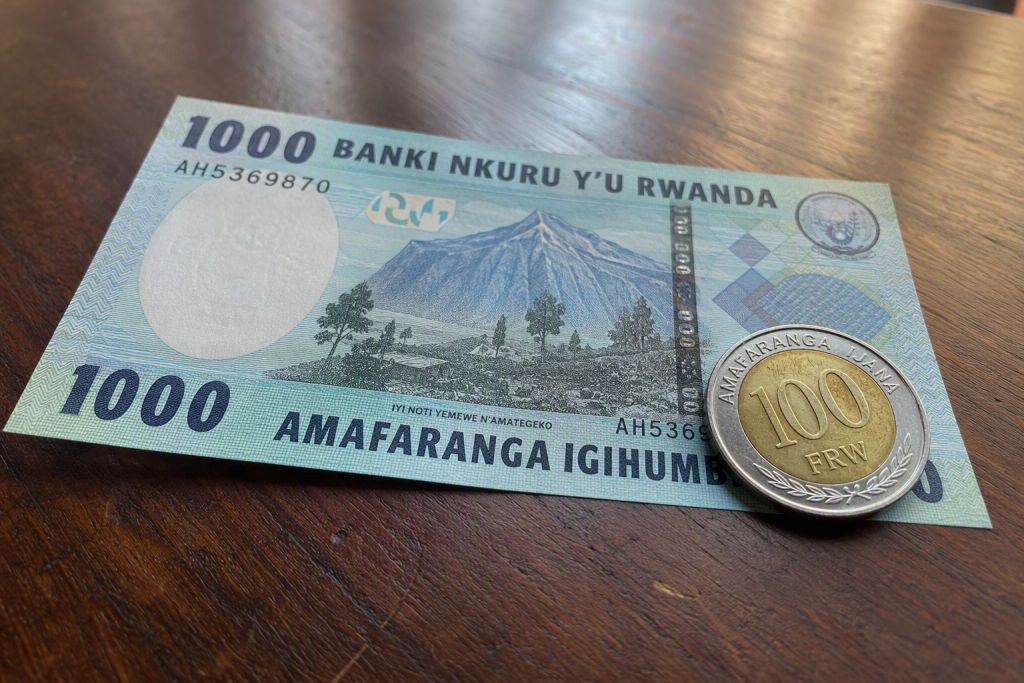
Each country uses its own currency, though the US dollar is widely accepted — and in many cases preferred — across the region for major safari payments:
- Kenya: Kenyan Shilling (KES). USD widely accepted at lodges, parks, and tour operators. Local markets and small businesses require shillings.
- Tanzania: Tanzanian Shilling (TZS). USD is the de facto currency for safari payments — park fees, lodges, and most tour costs are quoted and paid in dollars. Local transactions in shillings.
- Uganda: Ugandan Shilling (UGX). USD widely accepted. Gorilla trekking permits are paid in USD. Local transactions in shillings.
- Rwanda: Rwandan Franc (RWF). USD accepted at lodges and for major tourism payments. Gorilla permits are paid in USD. Local transactions in francs.
The US Dollar: East Africa’s Safari Currency
The US dollar is the most useful single currency for East Africa safari travel. If you are visiting multiple countries, carrying USD allows you to pay for the majority of safari-related expenses — park fees, gorilla permits, accommodation balances, activity fees, and tips — without exchanging currency at every border.
Important USD note for Tanzania and Uganda: Both countries have historically been strict about the condition of USD banknotes. Old-series notes (pre-2006 designs) and notes with any tears, marks, or stamps are often refused by banks, hotels, and exchange bureaux. Always bring new-series, clean, undamaged USD bills in denominations of USD 50 and USD 100 for the best exchange rates. Small-denomination notes (USD 1, 5, 10, 20) are useful for tips and small purchases.
ATMs and Card Payments on a Safari
ATM access in East Africa is straightforward in major cities but limited or absent in most national parks and safari areas:
- Nairobi (Kenya): Excellent ATM coverage. Equity Bank, KCB, Barclays/ABSA, and Standard Chartered all accept international Visa and Mastercard. Most ATMs dispense Kenyan shillings with daily limits of KES 40,000–80,000.
- Arusha and Dar es Salaam (Tanzania): Good ATM coverage in both cities. Withdraw sufficient TZS or exchange USD before heading to parks — there are no ATMs inside the Serengeti, Ngorongoro, Tarangire, or Manyara.
- Kampala and Entebbe (Uganda): Stanbic, Barclays, and Centenary Bank ATMs widely available. Withdraw UGX in Kampala or Entebbe before travelling to Bwindi, Kibale, or Kidepo — ATM access is limited or unreliable in western and northern Uganda.
- Kigali (Rwanda): Excellent ATM coverage in central Kigali. Limited ATMs in Ruhengeri/Musanze (near Volcanoes NP) — withdraw adequate RWF or USD in Kigali before heading to the volcanoes.
Card payments at lodges: Top-tier lodges and camps across East Africa accept Visa and Mastercard, though a surcharge of 3–5% commonly applies. Some smaller camps and budget lodges are cash-only. Confirm payment options with your operator before travel and always carry backup cash.
How Much Cash to Carry on an East Africa Safari
If your accommodation, park fees, and activities are pre-paid through your operator (the standard arrangement for most organised safaris), the main cash expenses you need to budget for are:
- Tips for guides and camp staff: The single largest cash expense. See tipping guidelines below.
- Souvenirs and curio shopping: Maasai markets, craft stalls at park gates, and camp boutiques — budget USD 50–200 depending on your shopping appetite.
- Additional activities: Hot air balloon flights (USD 450–650), cultural visits, massage services at lodges, and other extras not included in your package rate.
- Drinks at lodges: Most fully inclusive rates cover house wine and local beverages. Premium imported spirits and wines are often charged separately.
A realistic cash budget for a 10-day East Africa safari (excluding pre-paid items) is USD 400–700 per person, with the majority allocated to tips.
Tipping on an East Africa Safari
Tipping is an important part of safari culture in East Africa. Safari guides, trackers, and camp staff earn relatively modest base wages, and tips represent a meaningful component of their total income. These are the standard tipping guidelines for an East Africa safari:
- Safari guide (driver-guide): USD 15–25 per vehicle per day. For an outstanding guide who significantly enhances your experience, USD 25–35 per day is appropriate. This is the most important tip on the entire safari.
- Camp/lodge staff (collective tip box): USD 10–15 per person per night, left at the end of your stay in the communal tip box distributed equally among all staff — chef, housekeeping, waiter, guard, maintenance.
- Gorilla/chimpanzee tracker teams: USD 10–20 per person per trek, shared among the porters and trackers who accompanied the group.
- Airport transfer driver: USD 5–10 per transfer.
- Porter (gorilla trek): USD 10–15 per porter for the day. Hiring a local porter is optional but recommended — the terrain is steep, and porters often also act as guides on the forest tracks.
Always tip in cash (USD is universally welcomed). Tipping via card or added to a room bill is rarely possible and should not be assumed.
Currency Exchange: Best Rates in East Africa
Exchange rates and commissions vary significantly across East Africa. These general principles apply:
- Avoid airport exchange desks: Rates at international arrival halls are consistently the worst available. Exchange only what you need immediately for transport and exchange the bulk of your cash in the city the following morning.
- Use licensed forex bureaux in city centres: Licensed foreign exchange bureaux in Nairobi, Arusha, Kampala, and Kigali consistently offer better rates than banks for USD-to-local-currency exchange. Ask your hotel concierge for the nearest reputable bureaux.
- Carry clean, undamaged USD notes: As noted above, torn or old-series USD notes are refused or exchanged at heavily discounted rates. Pristine USD 100 notes get the best rates across the region.
- Avoid exchanging money at lodges: Lodge exchange rates are always less favourable than city bureaux. Exchange sufficient local currency in town before heading into the parks.
Mobile Money in East Africa
M-Pesa (Kenya) and MTN Mobile Money (Uganda, Rwanda) are widely used mobile payment platforms across East Africa. While primarily designed for local residents, some lodges and service providers near tourist areas accept mobile money payments. For most safari travellers, mobile money is not essential — but knowing it exists is useful if you need to pay a local supplier in a small town without ATM access.
Money Summary: What to Bring on an East Africa Safari
- Bring clean, undamaged USD bills in a mix of denominations (USD 100 and 50 for exchange; USD 1, 5, 10, 20 for tips and small purchases)
- Carry a Visa or Mastercard as backup for unexpected costs at lodges and restaurants
- Notify your bank of travel dates to prevent fraud blocks on international transactions
- Budget USD 400–700 cash per person for a 10-day trip covering tips, souvenirs, and additional activities
- Withdraw local currency in major cities before heading to national parks — ATMs inside or near parks are rare or unreliable
Plan Your East Africa Safari Budget
Getting your money management right means you can focus entirely on the wildlife and experiences rather than logistics in the field. Contact our team for a full cost breakdown for your specific East Africa safari itinerary — we will advise exactly what to bring in cash, what will be pre-paid, and how to manage money across multiple countries.