Pemba Island is Tanzania’s most underrated island destination — a lush, hilly landmass lying 50 kilometres north of Zanzibar in the Indian Ocean, known for some of the best scuba diving in East Africa, ancient Swahili ruins, dense clove plantations, and a tranquility that its more famous southern neighbour has long since lost. Pemba Island sits in the Zanzibar Archipelago and forms part of Tanzania, though it retains a distinct culture and identity shaped by centuries of Arab, Persian, and Bantu influences. For travellers seeking a genuinely off-the-beaten-track extension after a Tanzania or Kenya safari, Pemba Island offers world-class underwater adventures combined with authentic island culture.
Getting to Pemba Island
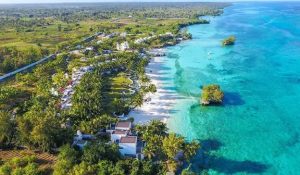 Pemba Island is accessible by air and sea. Scheduled flights operate between Zanzibar (Unguja), Dar es Salaam, and Pemba’s Karume International Airport in Chake Chake, the island’s main town. Flight times are short — around 30 minutes from Zanzibar and under an hour from Dar es Salaam. Precision Air and Coastal Aviation are among the carriers operating these routes. A high-speed ferry from Zanzibar to Pemba operates several times a week and takes approximately three to four hours depending on sea conditions, offering a scenic alternative for those not in a hurry.
Many visitors reach Pemba as part of a broader East Africa itinerary — combining a Tanzania or Kenya wildlife safari with a few days in Zanzibar and then crossing to Pemba for diving and beach relaxation. The island pairs particularly well with a northern Tanzania safari circuit or a Kilimanjaro climb.
Diving and Snorkelling on Pemba Island
Pemba Island’s diving is considered among the best in the Indian Ocean. The island sits on the edge of a dramatic underwater shelf — the Pemba Channel — where the ocean floor drops rapidly from shallow reefs to depths exceeding 800 metres. This channel drives nutrient-rich upwelling currents that feed an extraordinary density of marine life. Coral walls, overhangs, and pinnacles are draped in soft corals, sea fans, and sponges, while the water column above teems with large pelagic fish including tuna, barracuda, and hammerhead and whale shark.
Dive sites around Pemba include the Fundu Reef, Shimba Hills underwater pinnacles, Mesali Island coral gardens, and the caves and swim-throughs of the northern tip near Ras Kigomasha. Most dive sites require some current experience — the upwellings that make the diving so rich can produce strong drift conditions — making Pemba more rewarding for intermediate and experienced divers than absolute beginners. Snorkelling is excellent at several shallower reef sites, particularly around Mesali Island where visibility regularly exceeds 20 metres.
Turtle nesting sites are found along Pemba’s beaches, and both green and hawksbill turtles are commonly encountered while diving and snorkelling. Dugong have been reported in the quieter channels on the island’s western side, though sightings are rare and unpredictable.
Things to Do on Pemba Island
- Scuba diving: Pemba offers some of East Africa’s most thrilling wall and drift dives. PADI courses are available for beginners, and liveaboard dive charters can be arranged for multi-day dive expeditions covering the full length of the channel.
- Snorkelling: Mesali Island Marine Reserve and several beach-access reefs near the main lodges offer superb snorkelling with colourful reef fish, moray eels, and occasional turtle sightings in clear water.
- Clove plantation tours: Pemba is nicknamed the “Island of Cloves” and produces a significant proportion of the world’s clove supply. Guided tours through the aromatic plantation hillsides explain the cultivation and harvest process and offer insight into the island’s economy and history.
- Dhow sailing and fishing: Traditional wooden dhow sailing is a quintessential Indian Ocean experience. Sunset dhow cruises, day trips to reef snorkelling spots, and overnight dhow safaris along the coast can be arranged through most lodges. Deep-sea fishing for tuna, wahoo, and kingfish is excellent in the Pemba Channel.
- Ruins and cultural sites: Pemba has a rich Swahili history. Ruins at Mtambwe Mkuu date to the 9th century and include the remains of a mosque and an ancient settlement. Pujini Ruins, the remains of a 14th-century fortified town, and Haruni Ruins are other sites of historical and archaeological interest accessible with a guide.
- Cycling and hiking: Pemba’s hilly interior, dense forest patches, and quiet village tracks make it ideal for cycling and hiking. The island’s network of dirt roads passes through forest, farmland, and fishing villages rarely seen by tourists.
- Mesali Island day trip: Mesali Island is a small, uninhabited island and marine reserve southwest of Pemba. Accessible by boat in around 45 minutes, the island has pristine beaches, dense mangroves, and excellent snorkelling reefs.
Best Time to Visit Pemba Island
The best time to visit Pemba Island for diving and beach activities is from June to October — the dry season — when seas are calmer, visibility is best, and rainfall is minimal. July and August bring the most reliable weather. The months of December to February (the short dry season) are also excellent, with warm temperatures and good visibility. Avoid the long rains from April to late May and the short rains in November, when heavy downpours reduce visibility both above and below water.
Pemba is a year-round destination for experienced divers comfortable with varying conditions. Even during the transition months of March and October, the diving remains worthwhile and visitor numbers are very low, offering a more solitary experience.
Where to Stay on Pemba Island
Accommodation on Pemba is intentionally limited and low-key, preserving the island’s unspoilt character. Fundu Lagoon is the island’s most acclaimed lodge — a luxury tented camp on the western coast with private beach access, a dive centre, a spa, and a stunning setting among lush forest. Manta Resort is known for its unique underwater room — a floating structure where guests sleep in an underwater chamber surrounded by fish and reef. For those seeking a more affordable stay, a small selection of guesthouses and eco-lodges operate in Chake Chake town and on the quieter east coast.
Pemba pairs naturally with Zanzibar (Unguja) as part of an island combination — spend a few days in Zanzibar’s Stone Town and beach resorts before crossing to Pemba for the diving and peaceful seclusion. The contrast in character between the two islands makes for a highly varied and satisfying island extension after any East Africa safari.