Explore Ugandas Lakes, River and wetlands on our customized canoes safaris in Uganda with Superfine Safaris Limited. Canoe safaris in Uganda offer a unique opportunity to explore the country’s beautiful lakes, rivers and wetlands at a slower, more intimate pace. Away from the noise of safari vehicles and busy tourist attractions, canoeing allows visitors to experience Uganda’s natural landscapes from the water, discovering hidden channels, small islands, local fishing communities and remarkable birdlife.
Uganda is widely known for mountain gorilla trekking, chimpanzee tracking and traditional wildlife safaris. However, its waterways offer equally rewarding experiences for travelers interested in nature, birdwatching, photography and cultural exploration. From paddling across the peaceful waters of Lake Bunyonyi to navigating the papyrus channels of Mabamba Wetland in search of the famous shoebill, canoe safaris reveal another side of Uganda’s natural heritage.
Whether you are planning a relaxing holiday in southwestern Uganda, a dedicated birding safari or an extended wildlife adventure, canoeing can be incorporated into your itinerary as a standalone excursion or combined with other safari activities.
What Are Canoe Safaris in Uganda?
Canoe safaris in Uganda are guided water-based excursions that involve exploring lakes, rivers and wetlands using traditional dugout canoes or modern recreational canoes. Depending on the destination, visitors may paddle across open waters, navigate narrow channels, explore islands or observe wildlife along the shores.
Unlike conventional motorized boat cruises, canoe safaris generally offer a quieter and more personal experience. The slow movement through the water allows visitors to appreciate their surroundings, observe birds and aquatic life, and interact with local communities.
Some experiences use traditional wooden dugout canoes carved from tree trunks, while others use modern canoes or kayaks. At certain destinations, local guides do most of the paddling, allowing visitors to concentrate on the scenery and wildlife.
Canoe excursions are particularly rewarding for travellers who appreciate outdoor activities without necessarily seeking physically demanding adventures. They also provide an opportunity to understand how local communities have traditionally used waterways for transportation, fishing and everyday activities.
Best Places for Canoe Safaris in Uganda
Uganda has an extensive network of lakes, rivers and wetlands, although not every waterbody has established canoe tourism activities. Some destinations are particularly suitable for traditional canoe experiences, while others offer alternative water-based safari activities.
Lake Bunyonyi: Traditional Canoe Safaris and Island Exploration
Lake Bunyonyi is one of the most scenic destinations for canoe safaris in Uganda. Located in southwestern Uganda between Kabale and Kisoro, the lake is famous for its beautiful islands, surrounding terraced hills and peaceful atmosphere.
The name Bunyonyi means a place of many little birds, reflecting the area’s rich birdlife. The lake is surrounded by steep green hills, cultivated slopes and small settlements, creating a picturesque environment for relaxation and outdoor exploration.
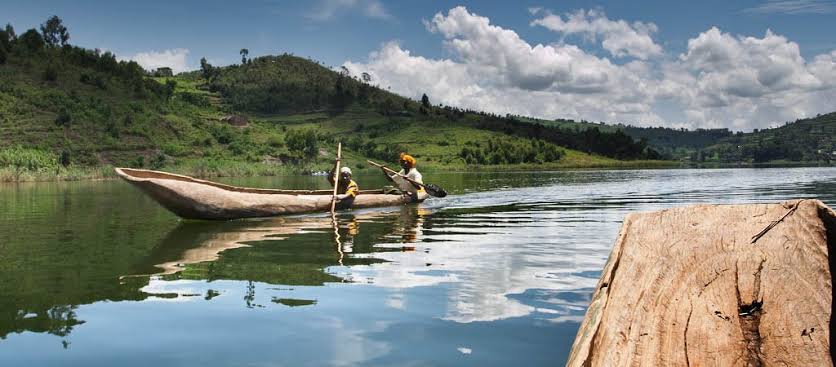
Traditional dugout canoes are among the most distinctive features of Lake Bunyonyi. These wooden vessels are carved from tree trunks and have been used by surrounding communities for generations. Before modern road networks and motorised transportation became widespread, canoes were an important means of travelling between the lake’s islands and mainland settlements.
Today, visitors can experience this traditional form of transportation through guided canoe excursions. Local paddlers take visitors across the lake, exploring different islands while sharing stories about the area’s history, culture and communities.
What to experience during a Lake Bunyonyi canoe safari
- Island exploration: Paddle between some of the lake’s numerous islands while enjoying views of the surrounding hills and countryside.
- Punishment Island: Visit the small island historically associated with the abandonment of unmarried pregnant girls. The story provides an opportunity to learn about aspects of traditional Bakiga society and its history.
- Bwama Island: Discover the island’s association with the historical leprosy settlement established by missionary doctor Leonard Sharp.
- Bushara Island: Enjoy the natural surroundings, birdlife and peaceful lakeside environment.
- Community encounters: Observe local fishing activities, farming and the everyday lives of communities living around the lake.
- Birdwatching: Look out for kingfishers, herons, weavers and other bird species around the shoreline and vegetation.
Some canoe excursions can be combined with guided walks on the islands, village visits and cultural experiences. These longer excursions allow visitors to explore the lake beyond the water while gaining a better understanding of local traditions.
Lake Bunyonyi is also an excellent place to relax after gorilla trekking in Bwindi Impenetrable National Park or Mgahinga Gorilla National Park. Visitors can spend a few nights at a lakeside lodge, enjoy canoeing and explore the surrounding countryside before continuing with their safari.
Mabamba Wetland: Canoe Safaris and Shoebill Watching
Mabamba Wetland is one of Uganda’s most important birdwatching destinations and an excellent location for guided canoe excursions. Situated on the northern shores of Lake Victoria, west of Entebbe, the wetland is internationally recognised for its biodiversity and importance to waterbird conservation.
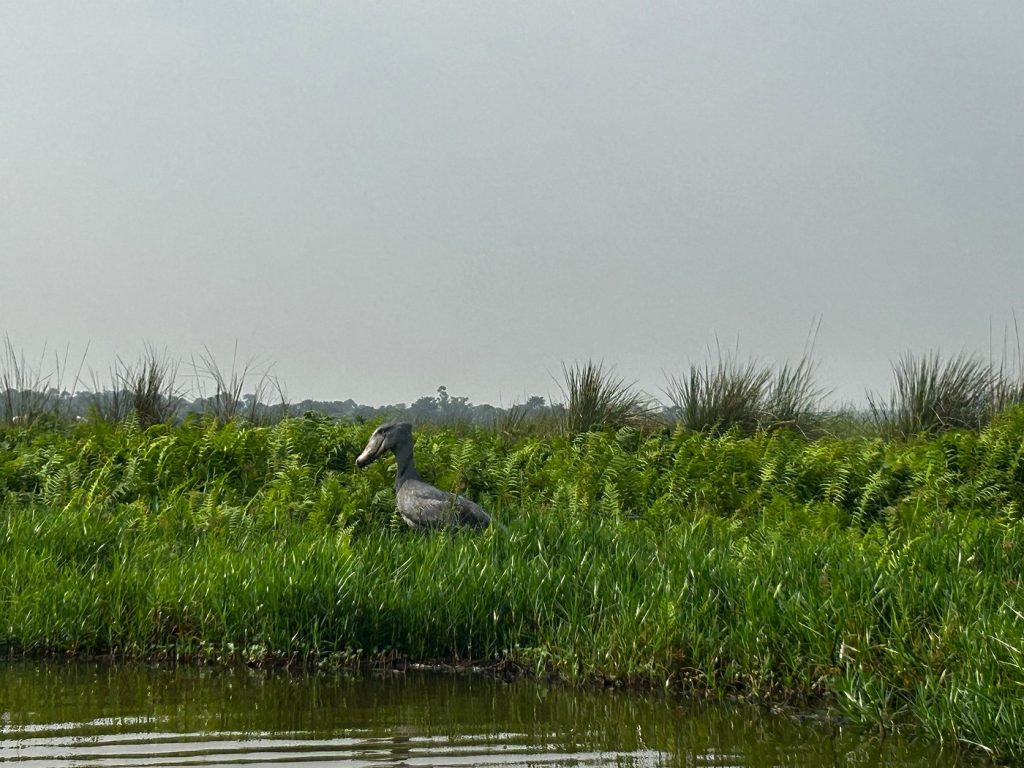
Its most famous attraction is the shoebill, a large, prehistoric-looking bird recognised by its enormous shoe-shaped bill, grey plumage and impressive stature. The shoebill inhabits marshes and wetlands, where it patiently waits for fish and other aquatic prey.
Exploring Mabamba by canoe is one of the best ways to search for this remarkable bird. The wetland contains extensive papyrus vegetation and narrow waterways that are difficult to access using larger motorised boats. Local guides navigate these channels using traditional wooden canoes, carefully moving through the vegetation while looking for birds.
The experience is generally quiet and unhurried. Visitors pass through papyrus-lined channels, open sections of water and areas covered with floating vegetation. Whenever interesting birdlife is spotted, the canoe can slow down or stop to allow visitors to observe and photograph the birds.
Apart from the shoebill, Mabamba supports numerous other bird species, including:
- African jacana
- Malachite kingfisher
- Pied kingfisher
- African fish eagle
- Purple swamphen
- African marsh harrier
- Various herons and egrets
- Papyrus-associated bird species
Early morning is generally recommended for a Mabamba canoe safari because of the cooler conditions and favourable birdwatching opportunities. However, shoebill sightings are never guaranteed because the birds move around the wetland in search of food.
Mabamba is particularly convenient for visitors staying in Entebbe or Kampala. A canoe excursion can be arranged as a half-day birding activity, making it an excellent addition to a Uganda safari itinerary.
Lake Mburo National Park: Water-Based Wildlife Experiences
Lake Mburo National Park is another rewarding destination for travellers interested in exploring Uganda’s aquatic ecosystems. Located in western Uganda, the park contains several lakes and wetlands that support a variety of wildlife.
Although traditional canoe safaris are not the main tourism activity here, visitors can enjoy guided boat cruises on Lake Mburo. These excursions provide opportunities to observe aquatic wildlife and birds from the water.
Hippos are among the most noticeable animals during the boat cruise. Visitors may also encounter crocodiles resting along the shores and waterbirds feeding around the lake.
Lake Mburo’s surrounding wetlands support different bird species, including African fish eagles, herons, cormorants and kingfishers.
The boat experience can be combined with game drives, guided nature walks and horseback safaris. On land, visitors can look out for zebras, impalas, giraffes, buffaloes and elands.
For travellers planning a longer Uganda safari, Lake Mburo offers an excellent opportunity to combine wildlife viewing with water-based activities.
Kazinga Channel: Exploring Uganda’s Wildlife-Rich Waterways
The Kazinga Channel is one of Uganda’s most famous destinations for water-based wildlife viewing. Located within Queen Elizabeth National Park, it connects Lake George and Lake Edward and supports an impressive concentration of aquatic and terrestrial wildlife.
The channel is particularly famous for its large populations of hippos, which can frequently be seen resting in the water. Elephants and buffaloes also visit the shores to drink and bathe, while numerous birds gather along the banks.
The traditional way to explore the Kazinga Channel is through a guided motorised boat cruise rather than a canoe safari. Nevertheless, the experience offers a rewarding opportunity to appreciate Uganda’s waterways and observe wildlife from a different perspective.
Birdwatchers can look out for African fish eagles, pelicans, kingfishers, cormorants, herons and various other waterbirds.
The Kazinga Channel is an excellent addition to a wildlife safari in Queen Elizabeth National Park, particularly for visitors interested in combining game drives with aquatic wildlife viewing.
The Victoria Nile and Jinja: Canoeing and Paddling Adventures
Jinja, located in eastern Uganda, is famous for its association with the source of the Nile and its range of water-based adventure activities.
The River Nile provides opportunities for kayaking, paddleboarding, white-water rafting and other recreational activities. Although these experiences are not necessarily traditional canoe safaris, they offer an alternative for visitors interested in exploring Uganda’s waterways using human-powered vessels.
Kayaking is particularly attractive to adventure enthusiasts who want a more active experience on the water. Depending on the chosen activity and section of the river, visitors can enjoy calm-water paddling or more challenging white-water adventures.
Jinja also offers opportunities to explore local communities, visit the source of the Nile and enjoy the surrounding countryside.
For travelers who prefer a combination of adventure and relaxation, Jinja can be included in a broader Uganda itinerary alongside wildlife safaris and cultural experiences.
Wildlife and Nature to Expect During Canoe Safaris in Uganda
 One of the greatest attractions of canoe safaris is the opportunity to experience nature from close to the water’s surface. Moving slowly through lakes and wetlands allows visitors to appreciate details that may be overlooked during conventional game drives.
The wildlife encountered varies depending on the destination.
Birdlife
Birdwatching is one of the strongest attractions of canoe safaris in Uganda. The country’s lakes and wetlands support numerous resident and migratory bird species.
Mabamba is particularly famous for the shoebill, while Lake Bunyonyi offers opportunities to observe kingfishers, herons, cormorants, weavers and other lakeside birds.
Aquatic wildlife
Depending on the destination, visitors may encounter fish, aquatic insects, waterbirds and other wetland species. At Lake Mburo and the Kazinga Channel, boat excursions also provide opportunities to observe hippos and crocodiles.
It is important to understand that wildlife experiences differ between destinations. Lake Bunyonyi, for instance, is more famous for its islands, scenery and birdlife than for large aquatic mammals.
Wetland vegetation
Papyrus, reeds, water lilies and other aquatic plants are important features of Uganda’s wetlands. During canoe excursions, visitors can appreciate how these plants provide food, shelter and breeding grounds for different wildlife species.
Wetlands also play an important ecological role by filtering water, supporting biodiversity and helping regulate water systems.
Cultural Experiences During Canoe Safaris
Canoe safaris in Uganda offer more than opportunities to explore natural landscapes. They also provide meaningful encounters with communities whose livelihoods and traditions are closely connected to the country’s lakes and wetlands.
At Lake Bunyonyi, traditional dugout canoes remain an important part of local heritage. Communities have historically used these vessels for transportation, fishing and travelling between the islands.
A guided excursion may introduce visitors to traditional fishing practices, local farming activities and the history of settlements around the lake.
The Bakiga are the predominant community in the surrounding highlands. Their cultural traditions, agricultural practices, food and folklore add another dimension to a visit to the region.
At Mabamba, visitors can learn about the fishing communities around Lake Victoria and their dependence on wetland resources. Local guides also explain the importance of conserving the wetland and protecting the shoebill’s habitat.
Choosing community-guided excursions helps support local livelihoods while encouraging the conservation of these important natural environments.
Best Time to Go for Canoe Safaris in Uganda
Canoe safaris in Uganda can be enjoyed throughout the year. However, weather conditions, water levels and seasonal changes in bird activity can influence the overall experience.
Uganda generally experiences two dry seasons and two rainy seasons.
Dry seasons: June to August and December to February
These months are generally favourable for canoe excursions because rainfall is relatively limited.
At Lake Bunyonyi, visitors can enjoy scenic views of the surrounding hills, pleasant conditions and opportunities to explore the islands.
At Mabamba, early morning canoe excursions are particularly rewarding for birdwatching and photography.
Rainy seasons: March to May and September to November
The rainy seasons bring greener landscapes and increased vegetation around lakes and wetlands. These months can be rewarding for nature enthusiasts, although heavy rainfall may occasionally affect canoe excursions.
At Mabamba, changing water levels can influence access to certain channels and the locations where birds are found.
For travellers whose main interest is shoebill watching, it is worth remembering that sightings depend on the birds’ movements rather than simply the time of year.
How Long Does a Canoe Safari in Uganda Take?
 The duration of a canoe safari depends on the destination, route and activities included.
- Lake Bunyonyi: A short canoe excursion may take two to three hours, while longer experiences involving island walks and cultural visits can occupy half a day or more.
- Mabamba Wetland: Shoebill-watching excursions commonly take approximately two to four hours, depending on bird sightings and the route.
- Lake Mburo: Guided boat cruises generally take around two to three hours.
- Kazinga Channel: The conventional boat cruise takes approximately two to three hours.
These are suggested planning durations rather than fixed operating schedules. Actual excursion times depend on the service provider and conditions on the water.
What to Pack for a Canoe Safari in Uganda
Although canoe safaris are generally relaxed activities, preparing appropriately makes the experience more comfortable.
Consider packing the following:
- Lightweight clothing: Comfortable clothes suitable for warm weather and outdoor activities.
- Sun protection: A hat, sunglasses and sunscreen are useful, particularly during longer excursions.
- Binoculars: Particularly important for birdwatching at Mabamba and Lake Bunyonyi.
- Camera: Bring a camera with a suitable zoom lens for photographing birds, landscapes and cultural encounters.
- Waterproof bag: Protect your phone, camera and other valuables from accidental splashes.
- Insect repellent: Useful when exploring wetlands and lakeside vegetation.
- Drinking water: Carry sufficient drinking water, particularly for longer excursions.
- Comfortable footwear: Useful when canoe trips include island walks or visits to surrounding communities.
A properly fitted life jacket or personal flotation device should be provided and worn during canoe excursions.
Safety Tips for Canoe Safaris in Uganda
Canoeing is an enjoyable activity, but visitors should observe basic safety precautions, particularly when travelling in traditional wooden dugout canoes.
Use an experienced local guide: Local guides understand the waterways, weather conditions and routes. Their experience is particularly important when navigating narrow channels or travelling between islands.
Wear a life jacket: Always wear a properly fitted life jacket, even if you are a confident swimmer.
Remain seated: Avoid standing or making sudden movements inside a traditional dugout canoe. These vessels require passengers to maintain their balance.
Follow local instructions: Listen to your guide, especially when approaching unfamiliar sections of the waterway.
Avoid overcrowding: Canoes should only carry the number of passengers recommended for their size and design.
Check weather conditions: Strong winds, thunderstorms and heavy rainfall can make canoeing difficult. Excursions should be postponed when conditions are unsafe.
Respect wildlife: Maintain a reasonable distance from birds and other animals. Avoid disturbing nesting sites, feeding wildlife or entering restricted wetland areas.
Combining Canoe Safaris with Other Uganda Safari Experiences
One of the advantages of canoe safaris is that they can easily complement other activities in Uganda. Rather than planning an entire holiday around canoeing, visitors can include it as part of a broader wildlife, birding or cultural itinerary.
Gorilla Trekking and Canoeing on Lake Bunyonyi
Combining gorilla trekking with canoeing on Lake Bunyonyi is one of the most appealing safari combinations in southwestern Uganda.
Visitors can begin with gorilla trekking in Bwindi Impenetrable National Park, where they spend time observing endangered mountain gorillas in their natural habitat.
After the trek, they can transfer to Lake Bunyonyi for relaxation, traditional canoeing and island exploration.
The combination provides a balance between an active forest experience and a peaceful lakeside retreat.
Birding Safari and Canoeing in Mabamba Wetland
Birdwatchers can combine a canoe excursion in Mabamba with birding in other important locations around Uganda.
After searching for the shoebill, visitors can continue towards botanical gardens, forest reserves and other birding destinations depending on their itinerary.
For a longer birding holiday, Mabamba can be combined with destinations such as Kibale Forest, Queen Elizabeth National Park, Bwindi and Lake Bunyonyi.
Wildlife Safari and Boat Cruises in Lake Mburo
Travellers interested in wildlife can combine canoeing on Lake Bunyonyi with a conventional boat cruise in Lake Mburo National Park.
Lake Mburo is home to zebras, impalas, giraffes, buffaloes, elands and numerous other wildlife species. Game drives, walking safaris and horseback safaris can complement the boat excursion.
This combination provides an opportunity to explore both the terrestrial and aquatic environments of western Uganda.
Sample 7-Day Uganda Safari with Canoe Experiences
A seven-day itinerary can combine traditional canoeing, birdwatching, gorilla trekking and wildlife viewing.
Day 1: Arrival in Entebbe
Arrive at Entebbe International Airport, meet your safari guide and transfer to your accommodation. Depending on arrival time, spend the remainder of the day relaxing.
Day 2: Shoebill Watching at Mabamba Wetland
Travel to Mabamba Wetland for a guided canoe excursion through its papyrus channels. Search for the shoebill and other wetland bird species before returning to Entebbe.
Day 3: Transfer to Lake Mburo National Park
Drive to Lake Mburo National Park. Depending on arrival time, enjoy an afternoon game drive or a boat cruise on Lake Mburo.
Day 4: Lake Mburo to Bwindi Impenetrable National Park
Enjoy an early morning activity before continuing to Bwindi. The journey takes you through Uganda’s beautiful southwestern countryside, with opportunities for scenic stops along the way.
Day 5: Mountain Gorilla Trekking
Participate in a guided mountain gorilla trekking experience in Bwindi. Spend an hour observing a habituated gorilla family in its natural habitat before returning to your lodge.
Day 6: Transfer to Lake Bunyonyi and Canoe Safari
Travel to Lake Bunyonyi for a traditional dugout canoe excursion. Explore some of the islands, learn about local history and enjoy the peaceful surroundings.
Day 7: Return to Entebbe
After breakfast, begin the return journey to Entebbe or arrange onward travel depending on your departure schedule.
The itinerary can be adjusted according to the gorilla trekking sector, arrival airport, travel dates and accommodation preferences.
Why Include Canoe Safaris in Your Uganda Holiday?
Canoe safaris provide a different way to appreciate Uganda’s natural beauty. While game drives focus on savannah wildlife and forest walks introduce visitors to terrestrial ecosystems, canoe excursions reveal the importance of the country’s lakes, rivers and wetlands.
They are particularly suitable for:
- Birdwatchers: Especially those interested in seeing the shoebill and other wetland birds.
- Couples: Looking for peaceful outdoor experiences and scenic settings.
- Photographers: Interested in capturing birds, landscapes, traditional fishing activities and local life.
- Cultural travellers: Wanting to understand the relationship between lakeside communities and their natural environment.
- Families: Seeking gentle outdoor activities, subject to age, safety and operator requirements.
- Adventure enthusiasts: Interested in traditional paddling and exploring lesser-known waterways.
Canoeing also encourages a slower style of travel. Instead of rushing between attractions, visitors have time to appreciate the scenery, learn from local guides and experience Uganda beyond its better-known safari destinations.
Frequently Asked Questions About Canoe Safaris in Uganda
- Where can I go for canoe safaris in Uganda?
Lake Bunyonyi in southwestern Uganda and Mabamba Wetland near Entebbe are two of the main destinations for traditional canoe experiences. Lake Bunyonyi is particularly suitable for island exploration and cultural encounters, while Mabamba is famous for shoebill watching and wetland birding.
- Can I see the shoebill during a canoe safari?
Yes. Mabamba Wetland is one of Uganda’s best-known locations for shoebill watching. Visitors explore its papyrus channels in guided canoes while searching for the bird. However, sightings cannot be guaranteed because shoebills move around the wetland.
- Do I need previous canoeing experience?
No. Most guided canoe excursions are suitable for beginners. At Lake Bunyonyi, visitors can travel with local paddlers who operate traditional dugout canoes. At Mabamba, local guides generally paddle or pole the canoes through the wetland channels.
- Are canoe safaris suitable for children?
Yes, some canoe excursions are suitable for children, particularly guided trips on Lake Bunyonyi. However, age restrictions, passenger limits and the availability of properly fitted children’s life jackets should be confirmed before booking.
- Are canoe safaris available throughout the year?
Yes. Canoeing is possible throughout the year, although weather conditions and water levels can affect individual excursions. The dry seasons are generally convenient for travel, but the rainy seasons also offer rewarding scenery and nature experiences.
- What is the difference between a canoe safari and a boat cruise in Uganda?
A canoe safari generally involves using a traditional or modern paddled canoe to explore waterways. A boat cruise normally uses a motorised vessel. Canoeing is particularly popular on Lake Bunyonyi and Mabamba, while destinations such as Lake Mburo and the Kazinga Channel are better known for motorised wildlife cruises.
- Can canoe safaris be combined with gorilla trekking?
Absolutely. Lake Bunyonyi is an excellent addition to a gorilla trekking holiday in Bwindi or Mgahinga. Visitors can spend time exploring the islands by traditional dugout canoe before continuing with other activities in southwestern Uganda.
- Are canoe safaris suitable for birdwatching?
Yes. Canoeing provides access to habitats that are difficult to explore on foot or in larger boats. Mabamba is particularly rewarding for shoebills and other wetland birds, while Lake Bunyonyi offers opportunities to observe various lakeside and aquatic bird species.
Plan Your Canoe Safari in Uganda with Superfine Safaris Limited
Uganda’s lakes and wetlands offer some of the country’s most peaceful and rewarding nature experiences. Whether you want to explore the islands of Lake Bunyonyi in a traditional dugout canoe, search for the elusive shoebill in Mabamba Wetland or combine water-based activities with gorilla trekking and wildlife safaris, there are several ways to make canoeing part of your holiday.
Superfine Safaris Limited can incorporate canoe experiences into tailor-made Uganda safaris, combining them with birdwatching, cultural encounters, gorilla trekking and wildlife viewing. Our itineraries can be arranged around your travel dates, interests, accommodation preferences and budget.
A canoe safari offers more than a journey across the water. It is an opportunity to experience Uganda’s natural landscapes, discover local traditions and appreciate the quieter side of the country’s remarkable biodiversity.