
The Masai Mara vs Serengeti question is the one we hear most from travellers planning their first East Africa safari, and it deserves a straight answer rather than “they’re both great.” The honest truth is that the Masai Mara and the Serengeti are the same ecosystem separated by an international border — the Mara River is the dividing line — which means the same wildebeest migration, the same lion prides, the same open savannah grassland. The differences that actually matter for your trip come down to timing, price, logistics, and what else you want to do around your safari. This guide covers all of it.
Masai Mara vs Serengeti: Quick Answer
- For the Great Migration river crossings: Masai Mara (July–October) is better — the crossings happen right at the Mara River and are easier to position for
- For year-round migration action: Serengeti wins — the herds are always somewhere in Tanzania
- For budget: Masai Mara is generally 20–40% cheaper than northern Serengeti camps during peak season
- For combining parks: Serengeti sits in a larger Tanzania circuit (Ngorongoro, Tarangire, Zanzibar); the Mara pairs best with Kenya’s other parks and the Kenya coast
- For first-time safari visitors: Masai Mara is slightly easier and faster to reach from Nairobi
- Best option: visit both on a combined Kenya–Tanzania safari — the experience is richer than either alone
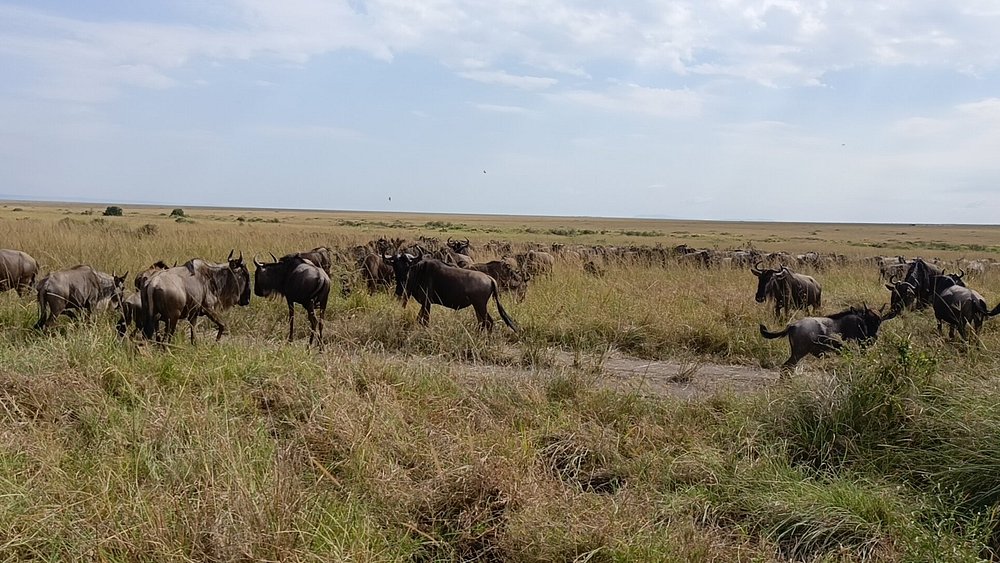
The Masai Mara: What You Need to Know
The Masai Mara National Reserve covers 1,510 km² of southwestern Kenya and forms the northern boundary of the greater Mara-Serengeti ecosystem. It is consistently rated one of the best safari destinations in Africa, not just for the migration but for the sheer density of predators year-round. The Mara has one of the highest concentrations of lions on the continent, and leopard and cheetah sightings are almost routine.
Masai Mara Key Facts
- Size: 1,510 km² (plus Mara North and Ol Kinyei conservancies)
- Location: Narok County, southwestern Kenya; 270 km from Nairobi
- Drive from Nairobi: 5–6 hours; 45-minute flight to Mara airstrips
- Park fees: USD 80/person/day (non-residents); conservancy fees extra (USD 80–120/day)
- Best months: July–October for migration; January–March for predator concentrations
- Must-see: Mara River crossings (July–October), lion prides, Mara Triangle
The Masai Mara is managed partly as a national reserve (government-run) and partly as a patchwork of private conservancies — Mara North, Mara Naboisho, Olare Motorogi and others — that surround the reserve. Staying inside a conservancy rather than the national reserve gives you exclusivity, night drives, walking safaris, and far fewer vehicles at sightings. It also means higher camp fees. The quality of the conservancy model is genuinely world-class; the best Mara camps are among the finest in Africa.
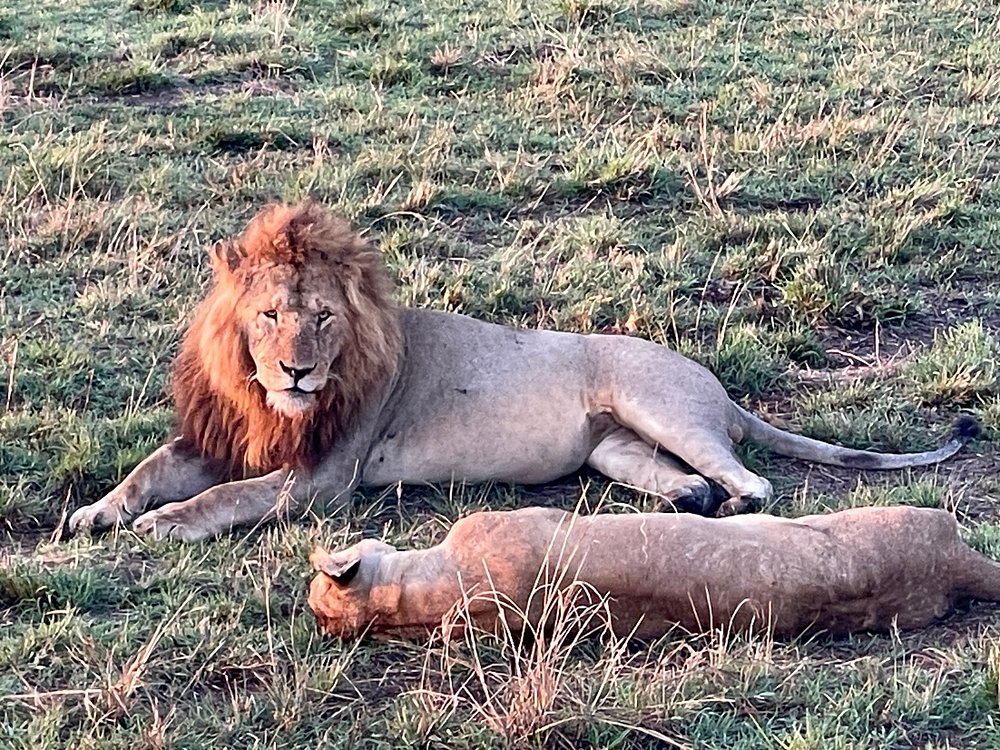
The Serengeti: What You Need to Know
The Serengeti National Park is Tanzania’s most famous park: 14,763 km² of open plains, acacia woodland and rocky kopjes in the north of the country. It is more than nine times the size of the Masai Mara and the herds of the Great Migration spend roughly nine months of the year here before crossing north into Kenya. The northern Serengeti — Kogatende and Lamai — is where the river crossing action mirrors the Mara from the Tanzania side, typically August–October.
Serengeti Key Facts
- Size: 14,763 km²
- Location: Mara and Arusha regions, northern Tanzania; gateway city Arusha
- Drive from Arusha: 7–9 hours to central Serengeti; fly in 45–90 min to various airstrips
- Park fees: USD 82/person/day (non-residents)
- Best months: December–March (calving season, southern plains); June–October (northern crossings)
- Must-see: Central Seronera (year-round big cats), northern Kogatende (river crossings), calving (Jan–Mar)
The sheer scale of the Serengeti means the experience varies dramatically depending on which part you stay in. The central Seronera area has the most lodges, the most vehicles and the most reliable year-round wildlife. The northern and southern extremities — where the migration action concentrates — are more remote, require fly-in camps, and cost more. Logistically, the Serengeti takes more planning and more budget to do well.
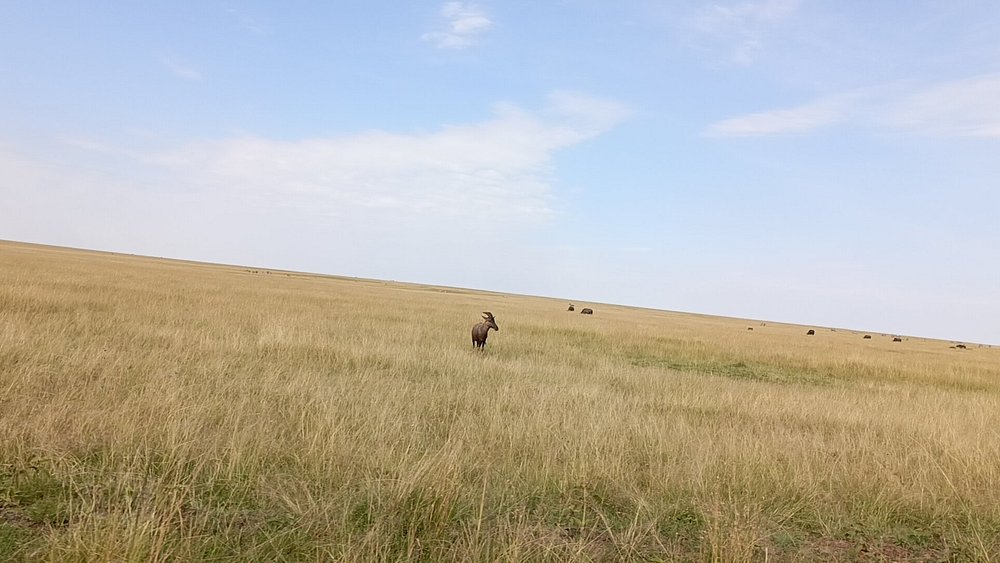
Masai Mara vs Serengeti: Side-by-Side Comparison
| Factor | Masai Mara (Kenya) | Serengeti (Tanzania) |
|---|---|---|
| Size | 1,510 km² | 14,763 km² |
| Country | Kenya | Tanzania |
| Migration peak | July–October (river crossings) | Dec–Mar (calving); Aug–Oct (northern crossings) |
| Year-round wildlife | Excellent; high predator density | Excellent; varies by zone |
| Big Five | All five present | All five present |
| Night drives | Yes (conservancy areas only) | Yes (private concessions) |
| Walking safaris | Yes (conservancies) | Yes (private concessions) |
| Balloon safaris | Yes (USD 500–600/person) | Yes (USD 600–700/person) |
| Budget camps | More options; from USD 200/night | Fewer; from USD 300/night |
| Peak season cost | USD 400–1,500/night/person | USD 600–2,500/night/person |
| Nearby parks | Amboseli, Lake Nakuru, Hell’s Gate | Ngorongoro, Tarangire, Ruaha |
| Beach add-on | Diani Beach, Watamu, Lamu, Seychelles | Zanzibar, Pemba, Seychelles |
| Ease of access | Easy — 45-min flight from Nairobi | Moderate — fly from Arusha/JRO |
The Great Migration: Which Park Is Better?
The Great Wildebeest Migration is an annual cycle that never stops — some 1.5 million wildebeest, 400,000 zebra and 200,000 Thomson’s gazelle move continuously through the Mara-Serengeti ecosystem following the rains and the grass. Here is where the herds are by month:
- January–March: Southern Serengeti and Ndutu; calving season (February) brings thousands of newborns and spectacular predator action
- April–May: Central and western Serengeti; long rains; quieter season
- June: Herds massing in western Serengeti corridor; Grumeti River crossings begin
- July–October: Northern Serengeti and Masai Mara; Mara River crossings — the most dramatic event in the migration calendar
- November–December: Herds beginning to move south again; short rains
For the Mara River crossings — the moment when thousands of wildebeest plunge into crocodile-filled water — the Masai Mara gives you a marginal advantage because the crossings at Lookout Hill and Fig Tree Crossing are well-documented and guides position vehicles there reliably. The Tanzania side (Kogatende) gives you the same crossings but from a less-developed infrastructure. For the calving season (January–March), the southern Serengeti has no equivalent in Kenya.
Wildlife Beyond the Migration
Both parks hold the Big Five (lion, leopard, elephant, buffalo, rhino) and both are world-class for predator density. A few distinctions worth knowing:
- Cheetah: The open plains of the Mara Triangle and Olare Motorogi conservancy on the Kenya side are among the best places on earth to watch cheetah hunt; equally good in Serengeti’s central plains
- Rhino: Rare in both, but the Mara’s rhino population is recovering — better dedicated rhino tracking at Ol Pejeta Conservancy in Kenya
- Wild dog: Rare in both; slightly more likely in Tanzania’s wider park network
- Leopard: Excellent in both; fig trees along the Mara River hold resident leopards that are frequently seen
- Flamingos: Not in either — for flamingos, head to Lake Nakuru or Lake Bogoria in Kenya’s Rift Valley
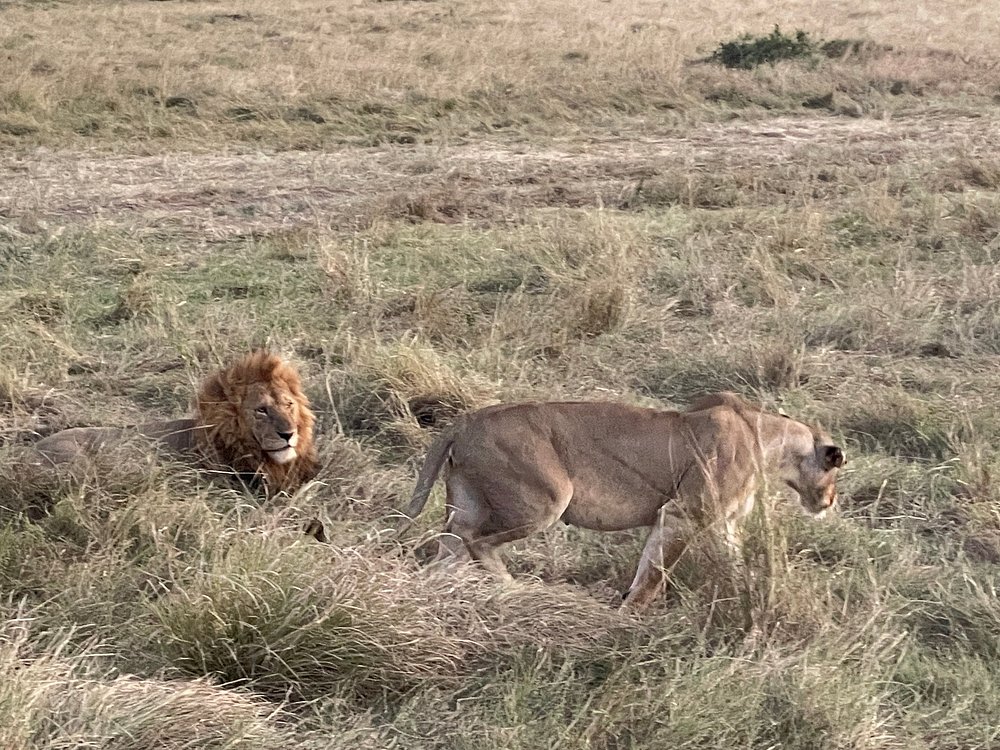
Cost: Masai Mara vs Serengeti
The Serengeti is more expensive than the Masai Mara, on average by 20–40% in peak season. The main reasons are Tanzania’s higher tax structure on tourism, the longer logistics chain for remote Serengeti camps, and strong demand from the high-end European and North American market. Budget and mid-range travellers generally find better value in Kenya.
Approximate all-inclusive lodge costs per person per night (including game drives and meals, excluding park fees):
| Tier | Masai Mara | Serengeti |
|---|---|---|
| Budget | USD 180–300 | USD 250–400 |
| Mid-range | USD 350–600 | USD 500–900 |
| Luxury | USD 700–1,500 | USD 900–2,500 |
| Ultra-luxury | USD 1,500–3,000+ | USD 2,000–5,000+ |
Park and conservancy fees add USD 80–200 per person per day on top of accommodation. These are included in most all-inclusive packages but always confirm before booking.
Best Time to Visit: Masai Mara vs Serengeti
The ideal timing depends on what you want most from the trip:
- July–October: Migration river crossings in both parks. Peak season, peak prices, most visitors. The Masai Mara is at its busiest in August and September — choose conservancy camps outside the national reserve to avoid vehicle congestion at sightings.
- January–March: Calving season in southern Serengeti. Excellent for predator action. Dry season in Kenya — a very good time for the Mara as well, with fewer visitors than peak migration months. Also when Seychelles weather is at its calmest, making this the best window for a combined safari-beach trip.
- June: Transition month. Western Serengeti corridor crossings at Grumeti River. Mara is building toward peak. Good value relative to July–October.
- April–May: Long rains. Low season in both parks. Prices drop 20–40%. Lush landscape and practically empty parks.
For a full Kenya month-by-month breakdown, see our best time to visit Kenya guide.
Should You Visit Both?
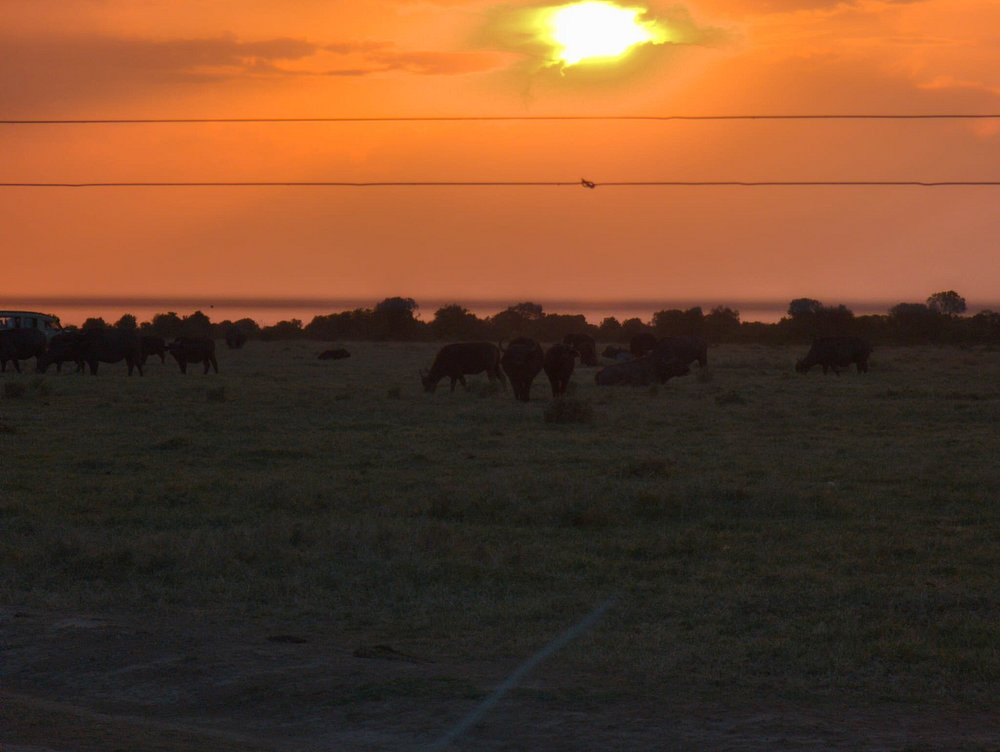
If time and budget allow, visiting both the Masai Mara and the Serengeti on a single trip is one of the great East Africa safari experiences. A 10–14 night combined itinerary gives you the Mara’s river crossings and Kenya’s efficiency, plus the Serengeti’s scale, Ngorongoro Crater, and a Zanzibar or Seychelles beach extension. The two parks complement each other perfectly — the Mara is more accessible and often better value; the Serengeti adds depth and variety.
The standard combined itinerary runs:
- 3–4 nights Masai Mara (fly in from Nairobi)
- Fly Mara — Kilimanjaro (via Nairobi) or Mara — Arusha via Wilson Airport
- 3–4 nights Serengeti (fly into Seronera or northern airstrip depending on season)
- 1–2 nights Ngorongoro Crater
- Beach extension: Zanzibar (3 hours from Arusha) or Seychelles (4.5 hours from Nairobi)
Practical Tips: Masai Mara vs Serengeti
- Book early for peak season. The best Mara conservancy camps and northern Serengeti fly-camps sell out by January for July–October travel.
- Fly, don’t drive, to the Serengeti. The 7–9 hour drive from Arusha eats a full day each way; a 45-minute flight is almost always worth the cost.
- Visa logistics. Kenya and Tanzania each require their own visa (USD 50 each, available as e-visas). Alternatively, the East Africa Tourist Visa (USD 100) covers Kenya, Uganda and Rwanda but not Tanzania.
- Tanzania VAT on tourism: Tanzania charges 18% VAT on tourism services — confirm whether your package is inclusive or exclusive of tax.
- Vehicle limits at sightings. The national reserve areas of both parks can have multiple vehicles at major sightings during peak season. Conservancy and private concession areas have strict limits of 3–6 vehicles per sighting.
- Yellow fever certificate: Required if you are arriving from a yellow fever endemic country.
Frequently Asked Questions: Masai Mara vs Serengeti
Which is better: Masai Mara or Serengeti?
Neither is objectively better — they are the same ecosystem on different sides of a border. The Masai Mara is easier to reach from Nairobi, generally cheaper in peak season, and slightly better for the Mara River crossing experience. The Serengeti is larger, has the calving season, and sits within a bigger Tanzania circuit. Most travellers who can only choose one and are visiting July–October choose the Mara; those visiting January–March choose the Serengeti.
Can you see the wildebeest migration year-round?
The migration is a continuous year-round cycle — the herds are always moving somewhere in the ecosystem. What changes is where they are and what they are doing. River crossings (the most dramatic event) only happen in the Mara River area from roughly July to October. Calving season in the southern Serengeti runs January to March.
How many days do you need in each park?
Minimum 3 nights in either park to do it justice. Four to five nights is better, especially in the Mara where you are paying for conservancy exclusivity. If you are combining both parks, 3–4 nights each works well within a 10–14 night itinerary.
Is the Serengeti worth the extra cost?
Yes, if your budget accommodates it and you are visiting for the calving season, or want to combine it with Ngorongoro and Zanzibar. If you are on a tighter budget and visiting during peak migration months, the Masai Mara gives you comparable wildlife at a lower price point.
Can you visit both parks on one trip?
Yes — a combined Kenya–Tanzania safari is one of the most popular itineraries we run. The transfer is typically Mara to Kilimanjaro by air via Nairobi, adding 4–6 hours of travel time between parks. Allow 10–14 nights total.
What beach can I add after the safari?
From Kenya: Diani Beach (1 hour from Nairobi), Watamu Marine Park, or Seychelles (4.5 hours). From Tanzania: Zanzibar (3 hours from Arusha) or Seychelles honeymoon safari.
Do I need a visa for both Kenya and Tanzania?
Yes — separate e-visas for each country (USD 50 each), applied for online before travel. Kenya’s eTA is typically approved within 24–48 hours. Tanzania’s e-visa takes 3–10 days.
More East Africa Safari Guides
Ready to Book Your Safari?
We design Masai Mara and Serengeti itineraries for every budget and travel style — including combined Kenya and Tanzania safaris. Get in touch and we’ll build the right itinerary for you.
Plan Your Masai Mara or Serengeti Safari
We design Kenya and Tanzania safaris for all budgets and travel styles, including combined Mara-Serengeti itineraries and safari-plus-beach packages.
Plan My SafariQuick Comparison
| Migration crossings | Jul–Oct (Mara River) |
| Calving season | Jan–Mar (S. Serengeti) |
| Mara park fee | USD 80/person/day |
| Serengeti fee | USD 82/person/day |
| Best combo | Both parks + beach |
| Minimum stay | 3 nights each |
| Ideal stay | 4–5 nights each |