Wondering on the best time to Visit Kenya in 2027? Well, Kenya is one of East Africa’s most visited safari destinations, and the question of the best time to visit Kenya is one of the most searched by travellers planning the trip. The short answer: Kenya’s dry seasons (January–February and July–October) offer the best overall wildlife viewing, with July–October being the most famous period for the Masai Mara wildebeest migration. But Kenya is a year-round destination — what matters is matching your timing to your experience. This guide covers every month in detail.
Kenya’s Safari Seasons at a Glance
- July to October — peak dry season: The Great Migration is in the Masai Mara. River crossings at the Mara River. Excellent game viewing across all parks. Book 6 to 12 months ahead for the Masai Mara. Highest prices of the year
- January and February — short dry season: Excellent safari conditions. Lower prices than July–October. Good alternative if peak season is sold out or over budget
- November to December — short rains: Brief afternoon rains, generally manageable. Game viewing remains good. Moderate prices. Good value shoulder season
- March to June — long rains: The wettest period. Some lodges close; roads can be difficult. Wildlife is present but harder to spot in tall grass. Lowest prices
Best Time for the Masai Mara Migration
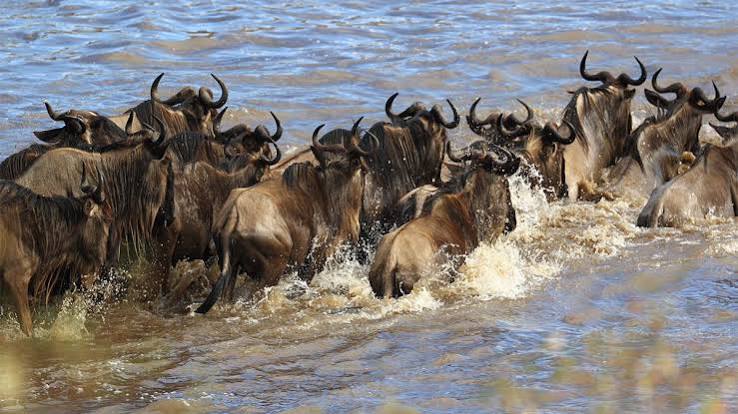 The wildebeest migration is the world’s largest terrestrial animal movement, and the Masai Mara hosts it at its most dramatic — the river crossings. Over 1.5 million wildebeest (and hundreds of thousands of zebra and gazelle) cross between the Tanzanian Serengeti and the Kenyan Mara between approximately July and October, fording the Mara River in explosive, crocodile-riven crossings that are among the most spectacular wildlife events on the planet.
- July: The leading herds arrive in the Mara from the Serengeti. Early crossings begin, building through the month
- August: Peak crossing month. The Mara is full of wildebeest. Multiple crossings per day are possible. The most sought-after and most expensive period
- September: Crossings continue with herds moving back and forth. Excellent predator activity — lions, cheetah, hyena, leopard all at their most active and visible
- October: Late season. Herds begin to return south. Crossings continue into early October but thin toward month-end
The migration crossing dates vary year to year based on rainfall. For the most detailed breakdown of timing and where to position yourself, read our best time for the wildebeest migration guide.
Best Time for the Masai Mara Beyond the Migration
The Masai Mara is one of Africa’s best year-round safari destinations — resident lion prides, leopards, cheetahs, elephant, and the full Big Five are present throughout the year. January and February are especially good — the Mara is quieter, prices are lower, and predator sightings remain outstanding. Read our full best time to visit Masai Mara guide for a month-by-month breakdown.
Best Time for Amboseli and Kilimanjaro Views
Amboseli National Park is famous for large elephant herds and the backdrop of Kilimanjaro. The mountain is most visible in the early morning during the dry seasons (January–February and July–October). Rainy season clouds often obscure the summit view. January–February is particularly recommended for Amboseli — excellent elephant activity, clear mountain views, and far fewer visitors than July–October.
Best Time for Kenya’s Northern Parks
Kenya’s northern circuit — Samburu National Reserve, Laikipia Plateau, and Ol Pejeta Conservancy — is drier and hotter than the south year-round. Game viewing is excellent throughout the dry seasons. Samburu’s unique northern wildlife — Grevy’s zebra, gerenuk, reticulated giraffe, and Somali ostrich — are not dependent on the migration and are visible year-round.
Month-by-Month Guide: Best Time to Visit Kenya
January and February — Short Dry Season
One of the best times to visit Kenya for safari. Dry, warm, excellent game viewing across all parks. Amboseli offers superb Kilimanjaro views. Masai Mara has excellent resident wildlife without migration-season crowds or prices. Good for the coast , Diani Beach is warm and mostly dry. Recommended for travellers seeking quality with lower prices than peak season.
March to June — Long Rains
The wet season. April is the heaviest month. Game viewing is harder in tall vegetation. Roads can be difficult, particularly in the Masai Mara’s black cotton soil. Some camps close in April–May. However, prices are lowest, landscapes are brilliantly green, and birds are spectacular with migratory species present. For the coastal areas (Diani, Watamu, Malindi), April–June is considered the low season with some rain.
July to October — Peak Season: The Migration
Kenya’s most popular safari window. The wildebeest migration river crossings in the Masai Mara run July through October — peak season is August and September. All Kenya’s parks are at their best for wildlife viewing as the long dry season hardens into October. Book everything 9 to 12 months ahead. Highest prices of the year. Worth every penny for the migration experience — but have realistic expectations about crowds at popular crossing points.
November and December — Short Rains
Manageable short rains, mostly in the afternoon. Wildlife viewing remains good. The Masai Mara is quieter and more affordable after the migration season ends. Good value and still excellent safari conditions. December sees Christmas holiday demand push prices up at the coast and in the Mara — book ahead for the festive window.
Best Time for Kenya’s Coast
Kenya’s Indian Ocean coast , Diani Beach, Mombasa, and Watamu has its own weather pattern. The best beach conditions are during the dry seasons: January–March and July–October. The southeast monsoon (April–June) brings the long rains to the coast; October–November brings lighter short rains. Water temperatures are warm year-round (25–29°C).
Plan Your Kenya Safari
Kenya’s diversity means there is genuinely no bad time to visit, only better or less optimal times for specific activities. For the full overview, read our Kenya safari travel tips. For visa requirements, see our Kenya Tourist Visa guide. Contact Superfine Safaris to plan your Kenya safari around your preferred travel window.