Planning a safari in Kenya in 2027 is an exciting opportunity to experience one of Africa’s most iconic wildlife destinations. Whether you are dreaming of watching the Great Wildebeest Migration in the Masai Mara, photographing elephants beneath Mount Kilimanjaro in Amboseli, or discovering the remote wilderness of Samburu, planning ahead will help you make the most of your journey.
For anyone preparing for a Kenya safari in 2027, understanding when to travel, what to pack, how much to budget, and what to expect can make your experience smoother and more rewarding. This guide brings together practical travel advice and expert tips to help first-time visitors and returning safari enthusiasts plan with confidence.
Popular Kenya Safari Packages
3 Days Masai Mara National Reserve Tour
5 Days Kenya Wildebeest Migration Safari
12 Days Kenya Cultural & Wildlife safari
13 Days Kenya & Uganda Gorilla Safari
Kenya Safaris Travel Tips
Book Your Kenya Safari Early
Kenya remains one of Africa’s most sought-after safari destinations, attracting visitors from around the world throughout the year.
During popular travel periods especially from July to October when the Great Wildebeest Migration reaches the Masai Mara many of the best lodges and tented camps are fully booked months in advance.
Booking your safari 6 to 12 months before your departure gives you access to the widest selection of accommodations, preferred travel dates, and experienced guides.
Booking early also allows enough time to plan flights, secure travel documents, and organize any additional destinations you may wish to include.
Choose the Best Time to Visit Kenya
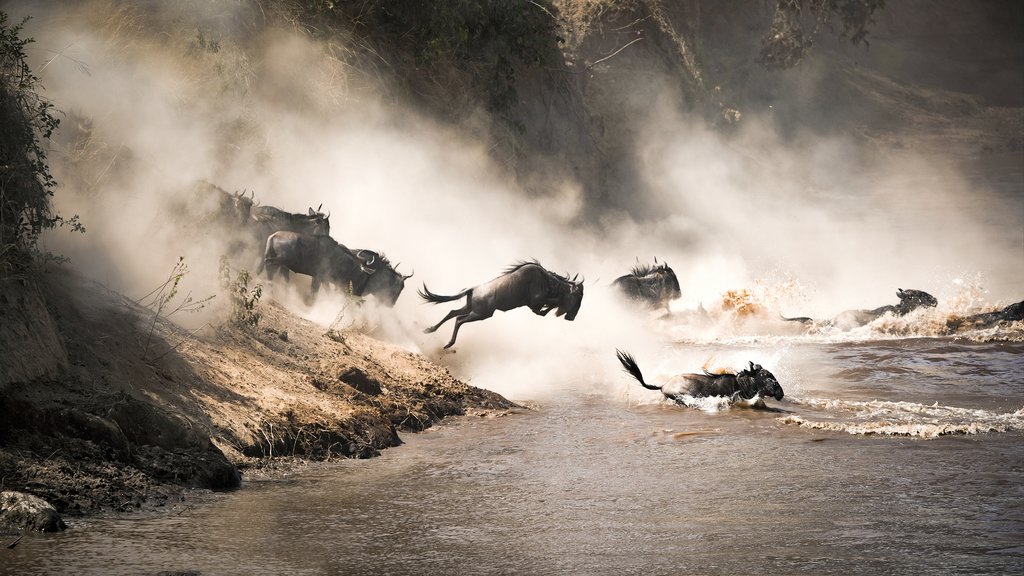 One of the advantages of Kenya is that it offers rewarding wildlife experiences throughout the year. The best time to visit depends on the type of safari you want.
July to October – Peak Wildlife Season
This is Kenya’s most famous safari season and the ideal time to witness the magical Great Wildebeest Migration. Large herds of wildebeest and zebra move into the Masai Mara, followed by predators such as lions, cheetahs, and hyenas. This season is characterized with
- Great wildlife viewing
- Dry weather and excellent road condition
- High demand for accommodation
- Premium safari prices
January and February – Excellent Wildlife Viewing
These warm, dry months offer fantastic game viewing with fewer visitors than the migration season. Animals gather around permanent water sources, making wildlife easier to spot, while clear skies provide ideal photography conditions.
March to May – Rainy Green Season
Whereas this season is rainy, it is one of the best times for travelers seeking value. The landscapes become lush and vibrant, migratory birds arrive, and many lodges offer attractive seasonal rates since demand is low
November and December – Short Rains
Rainfall during these months is usually lighter and often occurs in brief afternoon showers. Wildlife remains abundant, visitor numbers are lower than during peak season, and the scenery is beautifully green.
Select a Safari That Matches Your Budget
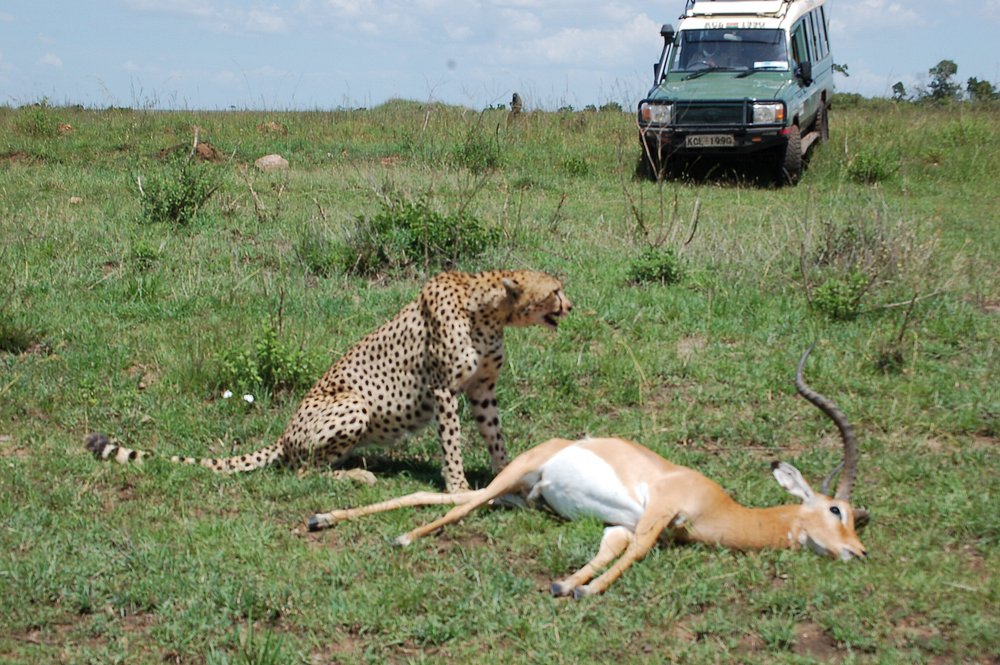 Selecting a safari that matches your budget is one of enjoying Kenya. Interestingly, Kenya offers safari experiences for almost every budget, making it accessible to solo travelers, couples, families, photographers, and luxury holidaymakers.
Budget Safaris
Budget safaris are ideal for travelers who want an authentic wildlife experience without spending heavily. They often include shared game drives, comfortable budget lodges or tented camps, meals, park entrance fees, and professional guiding.
These safaris are best for solo travelers, students, backpackers and big groups who share costs
Mid-Range Safaris
Mid-range safaris provide an excellent balance between comfort and value. Guests typically stay in well-appointed safari lodges with quality facilities while enjoying personalized service and expertly guided game drives.
This is best for couples, families, and first-time travelers
Luxury Safaris
Luxury safaris focus on exclusivity and comfort. Expect elegant lodges, spacious tented suites, gourmet dining, private game drives, and exceptional hospitality in some of Kenya’s finest wildlife areas.
These safaris are ideal for honeymooners, photographers and families looking for privacy
Pack for Comfort and Changing Conditions
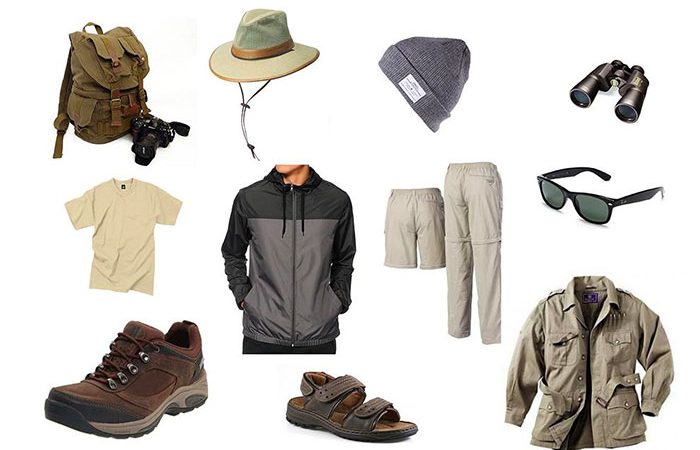 Packing wisely can make a significant difference to your safari experience. Early morning game drives are often cool, while afternoons can become warm and sunny.
A practical packing list on kenya safaris includes:
- Lightweight neutral-colored clothing
- A warm fleece or light jacket
- Comfortable walking shoes
- Wide-brimmed hat
- Sunglasses
- Sunscreen
- Insect repellent
- Binoculars
- Camera with spare batteries and memory cards
- Universal travel adapter
- Personal medications
- Reusable water bottle
Neutral colors such as khaki, olive, beige, and brown blend into the natural environment and are generally recommended for wildlife viewing.
Carry the Right Travel Documents
Carrying documents about yourself is highly recommended on a safari. These include
- A valid passport with sufficient validity beyond your trip
- Any required travel authorization or visa
- Comprehensive travel insurance
- Flight confirmations
- Safari booking confirmations
Having these documents organized before departure reduces unnecessary stress during your journey.
Protect Your Health During Your Safari
Before traveling, consult your healthcare provider regarding recommended vaccinations and preventive medications, pack a small first-aid kit and bring any prescription medications in their original packaging.
During your safari:
- Stay hydrated.
- Use sunscreen regularly.
- Apply insect repellent, particularly in the evenings.
- Wear long sleeves after sunset in mosquito-prone areas.
Travel insurance that includes medical treatment and emergency evacuation is strongly recommended.
Respect Wildlife and Follow Your Guide’s Instructions
One of the greatest joys of a Kenyan safari is observing animals behaving naturally in their own habitat. Responsible tourism helps protect these remarkable ecosystems. Travelers are reminded to
- Remain inside the safari vehicle unless your guide advises otherwise.
- Keep conversations quiet during wildlife sightings.
- Never feed wild animals.
- Maintain a respectful distance.
- Avoid sudden movements.
- Dispose of waste responsibly.
Experienced guides understand animal behavior and know how to position vehicles safely while minimizing disturbance to wildlife.
Capture Incredible Safari Photographs
Kenya offers endless photography opportunities, from dramatic landscapes to intimate wildlife encounters. For the best safari photographs,
- Carry extra batteries and memory cards.
- Protect your equipment from dust.
- Photograph during the soft morning and evening light.
- Be patient and allow animals to behave naturally.
Sometimes the most memorable images come from simply waiting quietly for the perfect moment.
Carry Some Local Currency
Although many safari lodges, hotels, and larger businesses accept international credit cards, it is helpful to carry some local currency for tips, local transactions in the market, community visits and souvenirs
Having a mix of payment options provides greater flexibility during your travels.
Experience Kenya Beyond the Wildlife
Combine your kenya wildlife safari with other experiences in the country. A cultural journey in Kenya is a not miss on your kenya safari. Endeavor to visit local communities., learn about traditional customs, explore vibrant craft markets, sample Kenyan cuisine and support community-based tourism initiatives.
These experiences create lasting memories while contributing to local livelihoods.
Consider Extending Your Holiday
If you have an extended time, you can combine a Kenya safari with other destinations across East Africa. Popular combinations include:
- A Kenya safari and a relaxing beach stay on the Indian Ocean coast
- Kenya and Tanzania wildlife adventures
- Kenya combined with gorilla trekking in Uganda
- Kenya and Rwanda safari holidays
- Kenya and Zanzibar itineraries
Combining destinations allows you to experience a greater variety of landscapes, wildlife, and cultures during one unforgettable vacation.
Prepare for Early Starts
Wildlife is usually most active around sunrise and sunset, so many game drives begin before dawn. While early mornings require a little extra effort, they often reward visitors with some of the day’s most exciting sightings, including predators returning from nighttime hunts and animals gathering around watering holes.
Going to bed early and preparing your camera equipment the night before helps you make the most of these magical moments.
Travel Responsibly
Kenya’s wildlife and natural habitats are protected through responsible tourism and conservation efforts. As a visitor, you can make a positive impact by:
- Choosing environmentally responsible safari operators such as Superfine Safaris Limited
- Supporting local communities by engaging in our cultural journeys
- Respecting park regulations.
- Avoiding single-use plastics whenever possible.
- Purchasing locally made handicrafts.
- Never buying products made from endangered wildlife.
Responsible travel helps preserve Kenya’s extraordinary biodiversity for future generations.
Frequently Asked Questions
How far in advance should I book a Kenya safari in 2027?
Booking between 6 and 12 months in advance is recommended, particularly if you plan to travel during the Great Wildebeest Migration or holiday seasons when accommodation fills quickly.
What should I wear on a Kenya safari?
Lightweight clothing in neutral colors, comfortable walking shoes, a warm jacket for early mornings, and sun protection are ideal for most safari conditions.
Is Kenya suitable for first-time safari travelers?
Absolutely. Kenya is one of the best destinations for a first safari thanks to its excellent wildlife viewing, experienced guides, diverse national parks, and wide range of accommodation options.
Is Kenya safe for safari travel?
Yes, Kenya is a well-established safari destination. Following your guide’s instructions, observing park regulations, and taking normal travel precautions help ensure a safe and enjoyable experience.
Should I bring cash?
Yes. Carrying a modest amount of local currency is useful for tips, souvenirs, and small purchases, although many lodges also accept major payment cards.
Can children go on safari?
Yes. Many lodges and safari operators’ welcome families and offer child-friendly activities. Some camps, however, may have minimum age requirements for certain experiences, so check before booking.
Can I combine a Kenya safari with other destinations?
Yes. Many travelers extend their holiday by adding Tanzania, Uganda, Rwanda, or Kenya’s coastal beaches, creating a more diverse East African adventure.
Conclusively, planning ahead is the key to an unforgettable Kenya safari in 2027. From choosing the best season and selecting the right accommodation to packing appropriately and understanding safari etiquette, every decision contributes to a more enjoyable travel experience.
By following these travel tips and planning early, you will be well on your way to creating memories that will last a lifetime.
Contact us Now for a customized Kenya Safari