If you are planning a gorilla safari in Uganda, combining gorilla trekking with the gorilla habituation experience offers one of the most rewarding wildlife adventures in Africa. While both activities bring you face-to-face with endangered mountain gorillas, they provide very different experiences that complement each other perfectly.
Uganda is home to more than half of the world’s remaining mountain gorillas, making it one of the best destinations for unforgettable gorilla trekking adventures. While many travelers visit for the famous one-hour gorilla trekking experience, those looking for a deeper connection with these remarkable primates should consider combining gorilla trekking with the gorilla habituation experience.
A 5 Days Gorilla Trekking and Gorilla Habituation Safari allows you to experience two distinct encounters with mountain gorillas in the breathtaking Bwindi Impenetrable National Park. You will spend one hour observing a fully habituated gorilla family during a traditional trek and up to four hours accompanying researchers and rangers during the gorilla habituation experience. The result is an extraordinary safari that combines adventure, conservation, photography, learning, and unforgettable memories.
At Superfine Safaris Limited, we carefully design this itinerary to provide a relaxed pace, comfortable accommodation, and opportunities to appreciate Uganda’s spectacular landscapes, wildlife, and warm hospitality.
Why Combine Gorilla Trekking and Gorilla Habituation?
Although both experiences involve tracking mountain gorillas through Bwindi’s ancient rainforest, they are completely different adventures that complement one another.
During gorilla trekking, visitors hike through the forest with experienced Uganda Wildlife Authority guides to locate a gorilla family that is fully accustomed to human presence. Once found, visitors are allowed exactly one hour to observe the gorillas as they feed, groom, play, rest, and interact with one another.
The gorilla habituation experience is far more immersive. Conducted only in the Rushaga sector of southern Bwindi, visitors join researchers, veterinarians, trackers, and rangers as they monitor a semi-habituated gorilla family. Since these gorillas are still becoming familiar with humans, visitors can spend up to four hours with them while learning about the habituation process and mountain gorilla conservation.
Combining these two activities gives travelers the opportunity to compare the behavior of fully habituated and semi-habituated gorilla families while spending significantly more time in their natural habitat.
Benefits of Combining Gorilla Trekking and Habituation
More Time with Mountain Gorillas
Instead of only one hour with gorillas, combining both experiences allows you to spend up to five hours observing different gorilla families. This extended time enables you to appreciate their complex social structures, parenting behaviors, feeding habits, and playful interactions.
Learn from Conservation Experts
Unlike traditional trekking, the habituation experience allows visitors to accompany researchers and conservation teams working behind the scenes to prepare gorilla families for tourism. You gain valuable insights into mountain gorilla behavior, health monitoring, individual identification, and conservation challenges.
Observe Natural Gorilla Behaviour
Because habituation groups are not yet fully accustomed to people, they often display more natural and unpredictable behaviours. You may witness cautious interactions, vocal communication, dominance displays, and social bonding as researchers continue the habituation process. This creates a more immersive wildlife experience.
Better Photography Opportunities
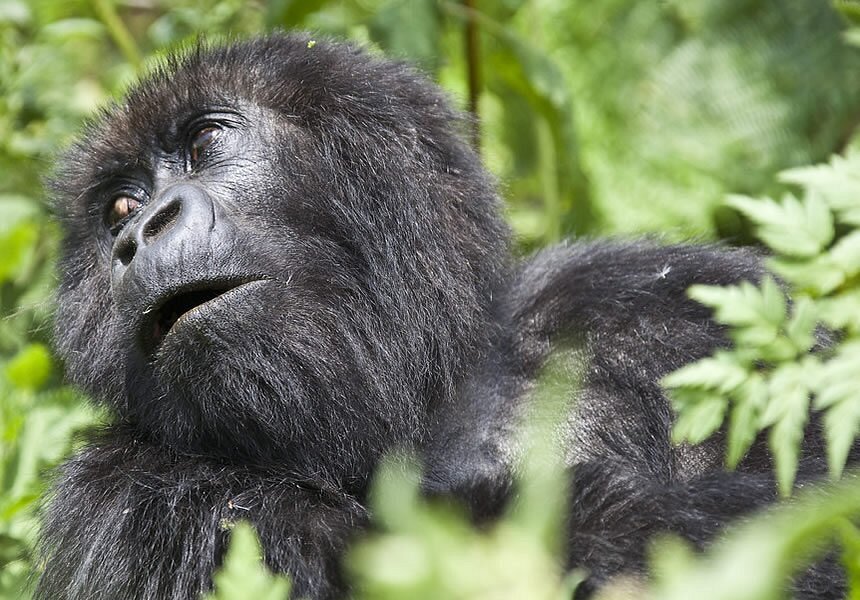 Wildlife photographers often choose the habituation experience because four hours provides more flexibility for capturing excellent photographs under changing forest lighting conditions. The extra time also allows visitors to patiently observe interesting behaviors that may not occur during a standard one-hour visit.
Experience Two Different Gorilla Families
Each gorilla family has its own unique personalities, dominant silverback, group dynamics, and habitat. Experiencing two different families enriches your understanding of these endangered primates and makes your safari even more memorable.
Visit Different Parts of Bwindi Impenetrable National Park
Many travellers combine gorilla trekking in one sector of Bwindi Impenetrable National Park with gorilla habituation in the Rushaga sector. This allows you to explore different forest landscapes, communities, accommodation options, and scenic routes while maximizing your safari.
Excellent Value for Wildlife Enthusiasts
Where as gorilla habituation permits cost more than standard trekking permits, many travellers consider the extra time with the gorillas well worth the investment. The combination delivers a richer, more immersive experience that cannot be replicated elsewhere.
Support Conservation
Permit fees contribute directly to mountain gorilla conservation, ranger patrols, veterinary care, anti-poaching initiatives, habitat protection, and community development around Bwindi Impenetrable National Park.
Best Time for Gorilla Trekking and Habituation
Both activities are available throughout the year. However, the dry seasons from June to September and December to February generally offer easier hiking conditions with less rainfall.
The wetter months between May and May and October to November also have advantages, including lush forest scenery, fewer visitors, and excellent photography opportunities. Travelers also get discounted permits at $600 in April, May and November allowing them to see gorillas cheaply
What to Pack
Proper preparation enhances your gorilla safari experience. Essential items include sturdy waterproof hiking boots, long-sleeved shirts, lightweight hiking trousers, a waterproof rain jacket, gardening gloves for gripping vegetation, insect repellent, sunscreen, a refillable water bottle, snacks, binoculars, a camera without flash, and a small daypack.
Frequently Asked Questions About Gorilla Trekking and Gorilla Habituation
- What is the difference between gorilla trekking and gorilla habituation?
Gorilla trekking involves hiking through the forest to visit a fully habituated mountain gorilla family. Once you find the gorillas, you are allowed to spend one hour observing them.
The gorilla habituation experience is more immersive. Visitors join researchers, trackers, and Uganda Wildlife Authority rangers as they monitor a gorilla family that is still becoming accustomed to human presence. Participants can spend up to four hours with the gorillas while learning about their behavior, conservation, and the habituation process.
- Where can I experience gorilla habituation?
The mountain gorilla habituation experience is available only in the Rushaga sector of Bwindi Impenetrable National Park in southwestern Uganda. Uganda is currently the only country where visitors can participate in this unique conservation activity.
- How long does the gorilla habituation experience last?
Although the forest hike can take anywhere from one to six hours depending on the gorillas’ location, visitors are permitted to spend up to four hours with the gorillas once they are located.
- How long do you spend with gorillas during gorilla trekking?
During standard gorilla trekking, visitors are allowed exactly one hour with a fully habituated gorilla family after locating them.
- Is gorilla habituation worth it?
Yes. Gorilla habituation is considered one of Africa’s most exclusive wildlife experiences. It offers more time with mountain gorillas, deeper insight into conservation work, better photography opportunities, and a chance to observe more natural gorilla behavior than during a standard trek.
- Can I combine gorilla trekking and gorilla habituation?
Absolutely. Many travelers choose to combine both experiences over a four- or five-day safari in Bwindi Impenetrable National Park. This allows you to visit different gorilla families, compare their behaviors, and spend up to five hours with mountain gorillas in total.
- How difficult is the gorilla habituation experience?
The experience requires moderate to good physical fitness. Hiking takes place through steep, dense rainforest, and the duration depends on where the gorillas are located on the day of your visit. Walking sticks and porter services are available and are highly recommended.
- How many people are allowed during gorilla habituation?
Only four visitors are allowed to participate in each gorilla habituation experience each day. This small group size minimizes disturbance to the gorillas and provides a more personal and exclusive encounter.
- How many people can trek a gorilla family?
A maximum of eight visitors may visit a fully habituated gorilla family during a standard gorilla trekking experience.
- What should I wear for gorilla trekking and habituation?
Wear lightweight long-sleeved shirts, long trousers, sturdy waterproof hiking boots, gaiters or long socks, gardening gloves, and a waterproof rain jacket. Neutral-colored clothing is recommended, and carrying a small daypack with drinking water, snacks, insect repellent, and a camera is advisable.
- What is the minimum age for gorilla trekking and habituation?
Participants must be at least 15 years old to take part in both gorilla trekking and the gorilla habituation experience.
- When is the best time to go gorilla trekking and habituation?
Both activities are available throughout the year. The dry seasons, from June to September and December to February, generally provide easier hiking conditions. The rainy seasons, from March to May and October to November, offer lush scenery, fewer visitors, and excellent photography opportunities.
- How far in advance should I book gorilla permits?
It is advisable to reserve your gorilla trekking and gorilla habituation permits at least 3 to 6 months in advance, especially if you plan to travel during the peak seasons of June to September or December to February. Because gorilla habituation permits are very limited, early booking is strongly recommended.
- Can I take photographs during the gorilla experience?
Yes. Photography is permitted during both gorilla trekking and habituation, but flash photography is strictly prohibited as it may disturb the gorillas. Bringing a camera with a zoom lens is recommended for capturing close-up images while maintaining the required viewing distance.
- Are gorilla encounters guaranteed?
Although gorillas are wild animals, the success rate for locating habituated mountain gorilla families is exceptionally high well over 95%, thanks to the work of experienced trackers who locate the gorillas before visitors begin their trek. While sightings cannot be guaranteed, it is very rare for visitors not to see the gorillas.
- Is gorilla trekking safe?
Yes. Gorilla trekking is considered very safe when conducted with experienced Uganda Wildlife Authority ranger guides. Visitors receive a safety briefing before entering the forest and must follow guidelines such as maintaining a respectful distance, keeping noise to a minimum, and avoiding direct contact with the gorillas.
- What other activities can I combine with gorilla trekking?
Many visitors extend their safari with chimpanzee trekking in Kibale Forest National Park, wildlife game drives in Queen Elizabeth National Park or Lake Mburo National Park, birdwatching, cultural experiences with the Batwa community, and relaxation at Lake Bunyonyi.
Why book your gorilla safari with Superfine Safaris Limited?
Superfine Safaris Limited specializes in tailor-made gorilla safaris across Uganda and Rwanda. We offer expert itinerary planning, guaranteed gorilla permit assistance, experienced local safari guides, carefully selected accommodation, comfortable 4×4 safari vehicles, and personalized service to ensure you enjoy an unforgettable mountain gorilla adventure.