Discover the best places for shoebill stork safaris in Uganda with Superfine Safaris Limited. With no doubt, Uganda is a fascinating destination for birdwatchers offering a rich variety of wetlands, tropical forests, lakes and savannah landscapes. Among the country’s most sought-after birds is the shoebill stork, an extraordinary species known for its enormous bill, striking appearance and unique hunting behavior.
For travelers dreaming of seeing this prehistoric-looking bird in its natural habitat, shoebill stork safaris in Uganda provide an opportunity to explore some of East Africa’s most important wetland ecosystems.
From the papyrus channels of Mabamba Swamp near Entebbe to the wetlands of Murchison Falls National Park, Uganda offers several destinations where birdwatchers can search for shoebills. Each location provides a different experience, and choosing the right destination depends on your travel itinerary, birding interests and available time.
At Superfine Safaris Limited, we organize customized Uganda birding safaris, combining shoebill tracking with wildlife viewing, gorilla trekking, chimpanzee experiences and other memorable adventures.
Whether you are a dedicated birdwatcher, a wildlife photographer or a traveler looking for an unusual safari experience, Uganda offers an exciting opportunity to discover the remarkable shoebill.
What Makes the Shoebill Stork Special?
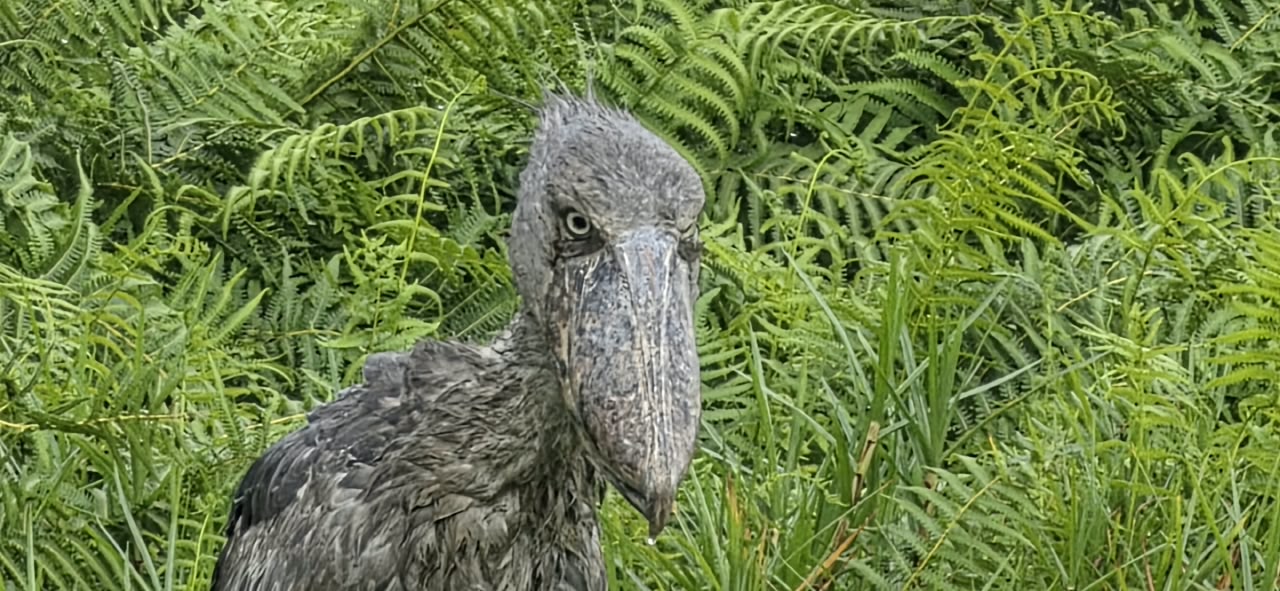 The shoebill (Balaeniceps rex) is one of Africa’s most recognizable birds. Its oversized bill, long legs, grey plumage and imposing appearance make it instantly distinctive.
Although commonly called a shoebill stork, it is not a true stork. It belongs to its own bird family and is associated with freshwater wetlands across parts of tropical Africa.
Shoebills are patient hunters. They often stand motionless in shallow water, waiting for fish and other aquatic prey to come within striking distance. Their sudden movements can be impressive, especially when a bird launches into flight or captures prey.
For birdwatchers, finding a shoebill is not simply about adding another species to a checklist. It is an opportunity to observe a specialised wetland bird in an environment that supports a wide range of other wildlife.
Best Places for Shoebill Stork Safaris in Uganda
- Mabamba Swamp: Uganda’s Leading Shoebill-Watching Destination
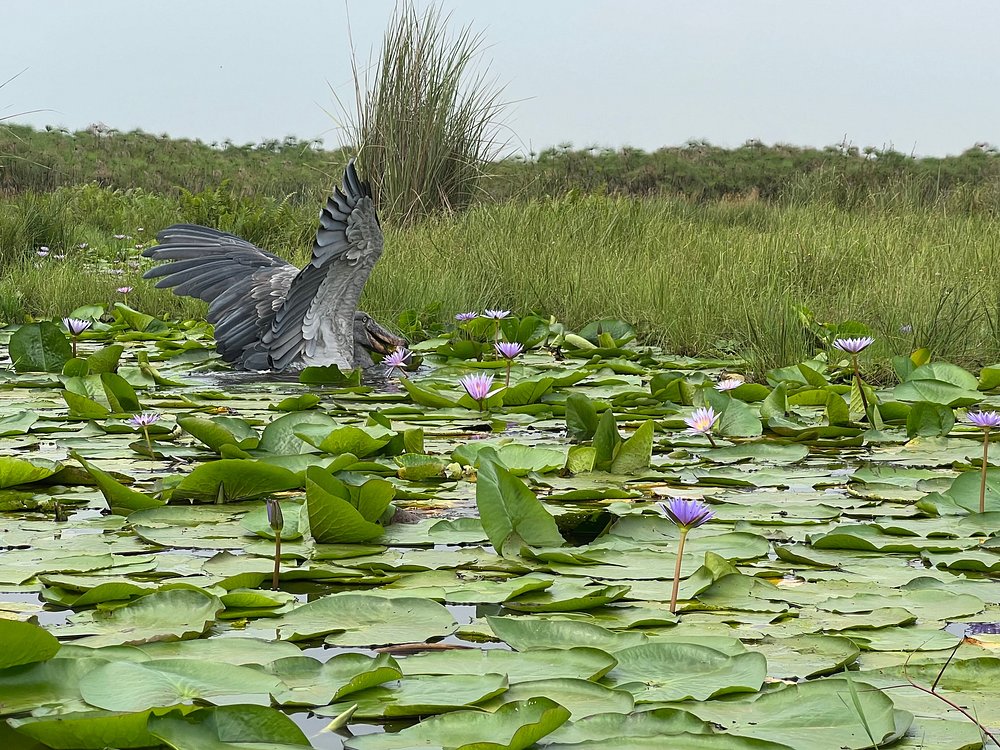 Mabamba Swamp is the primary destination we recommend for travellers planning a dedicated shoebill stork safari in Uganda.
Situated on the shores of Lake Victoria, west of Entebbe, the wetland consists of papyrus vegetation, shallow waters and interconnected channels. It is well known for its shoebill population and community-guided canoe excursions.
Its location makes Mabamba especially convenient for visitors who want to include birdwatching at the beginning or end of a Uganda safari. The 1 Day Mabamba birding tour is a suitable package for short time birders
Exploring Mabamba Swamp by Canoe
A typical shoebill excursion involves travelling through the wetland in a small canoe accompanied by a local guide.
As the canoe moves through the channels, your guide searches the papyrus margins and open water for shoebills. The experience is peaceful, requiring patience and careful observation.
Sometimes, the bird may be standing in an open area, making it relatively easy to observe. At other times, vegetation can make the search more challenging.
When a shoebill is located, the guide works to position the canoe appropriately for observation and photography while avoiding unnecessary disturbance.
This quiet encounter is one of the main reasons Mabamba has become an important destination for shoebill safaris in Uganda.
Other Birds at Mabamba
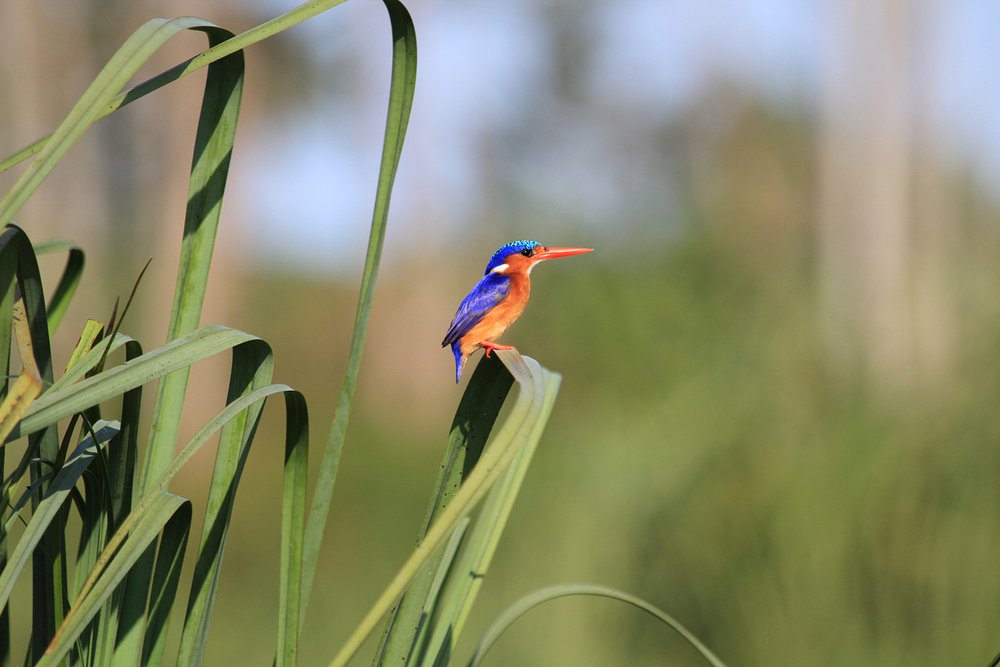 In addition to the shoebill stork, Mabamba wetland is also home to a variety of wetland birds. Depending on the season and conditions, visitors may encounter African fish eagle, African jacana, Kingfishers, Herons, Egrets, Cormorants, Papyrus-associated bird species and other waterbirds
A visit to Mabamba can therefore be rewarding even when you are exploring the wetland beyond your primary shoebill search.
Who Should Visit Mabamba?
Mabamba is suitable for first-time birdwatchers, specialist birding enthusiasts, wildlife photographers, travelers staying in Entebbe, visitors with limited time and tourists combining birding with a longer Uganda safari
Superfine Safaris Limited recommends a guided canoe excursion, preferably arranged with sufficient time for searching and observing birds.
- Murchison Falls National Park: Shoebill Birding Along the Nile
Murchison Falls National Park is one of Uganda’s most popular wildlife destinations, attracting visitors interested in game drives, boat safaris and scenic landscapes.
The park’s wider river and wetland ecosystem also provides opportunities for shoebill searches, particularly around the Victoria Nile delta and Lake Albert region.
A dedicated birding excursion in suitable wetland areas can complement the park’s conventional wildlife activities.
What to Expect
Shoebill searches around Murchison Falls may involve exploring river margins, marshy areas and wetland habitats.
Unlike the more focused canoe experience at Mabamba, birding in Murchison can be combined with broader wildlife observation.
You may also encounter Hippopotamuses, Nile crocodiles, African fish eagles, Herons, Kingfishers and other waterbirds
Shoebill sightings are not guaranteed, and the exact experience depends on the area visited, guiding arrangements and current bird locations.
Combining Birding with a Murchison Falls Safari
A customized Uganda safari itinerary may include game drives in the park, boat cruises on the Nile, specialist birdwatching, visits to scenic viewpoints and wildlife photography
For travelers planning a Uganda birding and wildlife safari, Murchison Falls can be an excellent addition.
- Ziwa Rhino Sanctuary: A Wildlife and Birding Experience
 Ziwa Rhino Sanctuary is best known for rhinoceros conservation, but it can also be considered when planning a broader birding itinerary in central Uganda.
Its wetlands and surrounding habitats offer opportunities to explore different bird species, although shoebill sightings should be treated as an opportunity rather than a guaranteed experience.
Why Include Ziwa in Your Safari?
The sanctuary can be an interesting stop for travelers heading towards Murchison Falls National Park. Depending on your itinerary, you may combine Rhino tracking, Birdwatching, nature exploration, wildlife photography and relaxation at the sanctuary
If your main objective is seeing a shoebill, we recommend prioritising a location with suitable, confirmed birding arrangements rather than relying solely on a general visit to Ziwa.
- Semliki National Park and the Lake Albert Region
Western Uganda is home to diverse ecosystems that attract birdwatchers from around the world. Semliki National Park and the wider Lake Albert region offer forest, wetland and lakeshore habitats, making the area suitable for travelers interested in exploring Uganda’s bird diversity.
Shoebill searches in this region are best planned with experienced local birding guides who understand the habitats and current sightings.
Combine Semliki with a Western Uganda Birding Safari
A longer itinerary can include Semliki National Park, Kibale National Park, Bigodi Wetland, Queen Elizabeth National Park, Lake Albert and Bwindi Impenetrable National Park
This type of safari is suitable for travelers who want to explore a variety of ecosystems rather than focus exclusively on shoebills.
- Queen Elizabeth National Park: Birding and Wildlife Exploration
Queen Elizabeth National Park is famous for its diverse wildlife, including elephants, buffaloes, hippos and lions. Its lakes, waterways and wetland habitats also support numerous bird species.
Although Queen Elizabeth is primarily known for its wildlife experiences, it can be included in a broader birding itinerary.
Experiences to Combine with Birdwatching
A safari in Queen Elizabeth may include game drives, Kazinga Channel boat cruises, Birdwatching, Chimpanzee tracking in Kyambura Gorge, Nature experiences and Wildlife photography
Travellers whose main objective is seeing a shoebill should discuss suitable birding locations with their safari operator before including Queen Elizabeth specifically for that purpose.
Best Time for Shoebill Stork Safaris in Uganda
Shoebills are resident birds in Uganda, so they can potentially be encountered throughout the year. However, your experience can be influenced by water levels, weather, bird movements and the location you visit.
Best Time of Day
Early morning is a practical choice for shoebill tracking, particularly for visitors planning a canoe excursion at Mabamba.
Morning outings can offer cooler temperatures, comfortable canoe conditions, good opportunities for bird observation, favourable photography light and time to explore the wetland before other activities
A sighting is never guaranteed, even during the preferred hours.
Best Months to Visit
You do not need to restrict your shoebill safari to one specific month. Instead, consider your overall Uganda travel plans, the wetland you want to visit and the availability of experienced guides.
For specialist birdwatchers, discussing recent sightings and seasonal conditions before travelling can help with practical planning.
Shoebill Stork Photography in Uganda
The shoebill is an outstanding subject for wildlife photography because of its distinctive appearance and hunting behaviour. A bird standing among papyrus, reflected in shallow water or taking flight can produce memorable images.
However, photography requires patience and respect for the bird’s natural behaviour.
What to Bring
- Camera with a telephoto lens
- Binoculars
- Extra batteries
- Memory cards
- Waterproof camera bag
- Rain protection
- Lens-cleaning cloth
- Comfortable clothing
Practical Photography Tips
Focus on the eye: Clear focus helps bring out the bird’s character.
Use a suitable shutter speed: Adjust your settings for stationary birds, movement or flight.
Avoid unnecessary approach: A telephoto lens allows you to photograph from a respectful distance.
Be patient: Give the bird and your guide time. Avoid sudden movements that could disturb the encounter.
Capture the habitat: Include papyrus, water and surrounding vegetation to tell a fuller story.
At Superfine Safaris Limited, we encourage responsible wildlife photography that prioritises the welfare of animals.
How Long Do You Need for a Shoebill Safari in Uganda?
The ideal duration depends on whether you want a short excursion or a wider birding adventure.
Half-Day Mabamba Shoebill Safari
A half-day excursion can be suitable for travellers staying in Entebbe or those with limited time. It includes transfer to the wetland, canoe excursion, shoebill tracking, additional birdwatching and a return to your accommodation
Allow sufficient time for the activity, especially if you are connecting to a flight.
Multi-Day Uganda Birding Safari
Travellers with more time can combine shoebill tracking with other birding destinations.
A possible route could include:
Entebbe → Mabamba Swamp → Murchison Falls → Kibale → Queen Elizabeth → Bwindi
The actual route depends on your birding priorities, travel dates and preferred activities
Combine Shoebill Safaris with Gorilla Trekking
Uganda offers an opportunity to combine specialist birding with mountain gorilla trekking.
You can begin your safari around Entebbe with a shoebill excursion at Mabamba before travelling towards southwestern Uganda.
Example Itinerary
Day 1: Arrival in Entebbe
Day 2: Mabamba Swamp shoebill excursion
Day 3: Transfer towards southwestern Uganda
Day 4: Birding or cultural experience
Day 5: Gorilla trekking in Bwindi
Day 6: Departure or continuation of the safari
This is an example rather than a fixed programme. We can adjust the itinerary according to your arrival time, trekking location and preferred pace.
Combine Shoebill Tracking with Chimpanzee Safaris
For travellers interested in both birds and primates, a shoebill and chimpanzee safari offers a diverse experience. You can combine Mabamba Swamp with Kibale National Park, one of Uganda’s leading chimpanzee-tracking destinations.
This combination introduces you to two very different environments which are the freshwater wetlands, tropical forests, specialist birding and primate habitats
It is a suitable option for travellers who want to explore Uganda’s natural diversity beyond traditional game drives.
What to Pack for a Shoebill Stork Safari
Packing the right equipment helps make your birding experience more comfortable.
Essential Items
- Binoculars
- Camera
- Telephoto lens
- Lightweight clothing
- Comfortable footwear
- Hat
- Sunscreen
- Insect repellent
- Drinking water
- Rain jacket
- Waterproof bag
- Extra camera batteries
If you plan to spend several hours on the water, protect your electronics from rain and splashes.
Your safari guide can provide additional advice based on the specific destination and activity.
Responsible Shoebill Watching in Uganda
Shoebills depend on wetland habitats, which makes responsible tourism particularly important. During your safari:
- Keep noise levels low.
- Avoid sudden movements.
- Maintain a respectful distance from birds.
- Never feed wild birds.
- Do not attempt to attract shoebills.
- Follow your guide’s instructions.
- Avoid disturbing nesting birds.
- Respect local communities and wetland regulations.
A responsible shoebill safari should allow visitors to enjoy the birds while minimising disturbance to their natural environment
Plan Your Shoebill Stork Safari in Uganda
A shoebill stork safari is an opportunity to discover one of Africa’s most unusual birds while exploring the wetlands that support it.
Mabamba Swamp provides a convenient starting point for many travellers, while Murchison Falls and other destinations can be incorporated into longer birding and wildlife itineraries.
The best experience comes from choosing suitable habitats, allowing sufficient time and travelling with knowledgeable guides who understand responsible birdwatching.
At Superfine Safaris Limited, we can help you plan a shoebill-focused excursion or combine your birding experience with gorilla trekking, chimpanzee tracking and Uganda’s famous wildlife destinations.
Get in touch with us today and start planning your shoebill stork safari in Uganda.