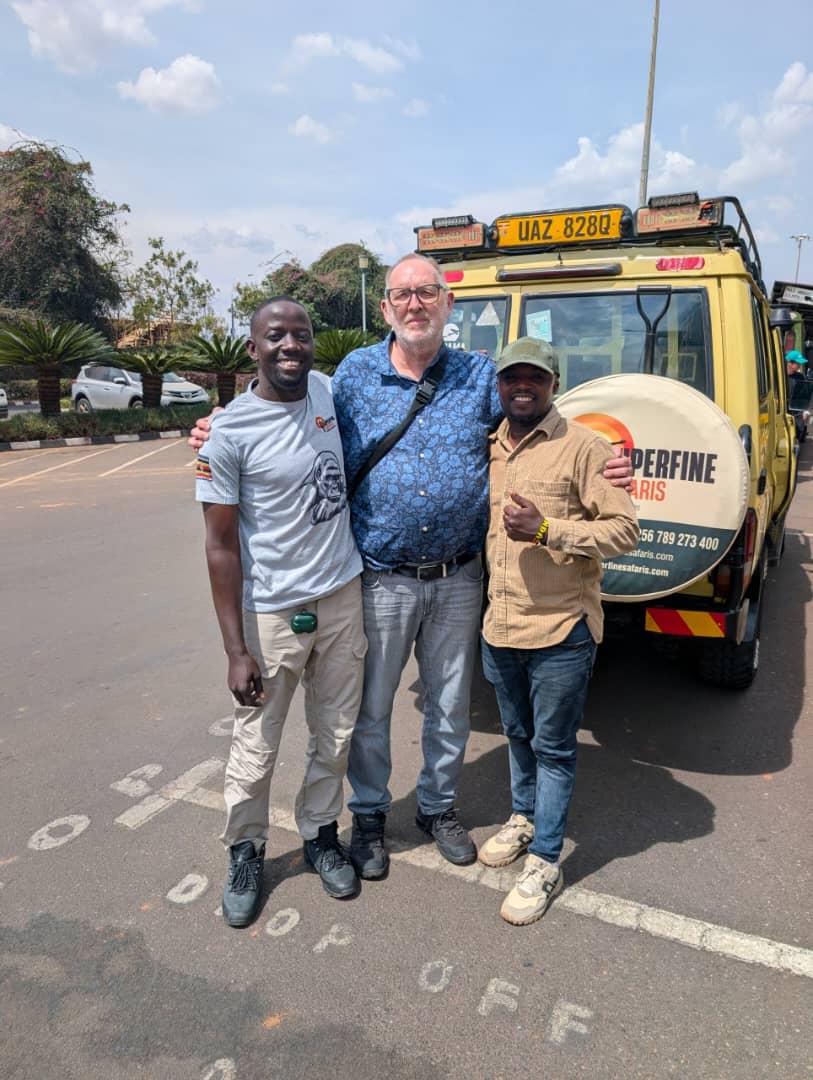
Kampala City Tour; 1 day Excursion
Discover the heartbeat of Uganda by taking part in our guided Kampala city tour on your Uganda safari with Superfine Safaris Limited. Often referred to as the Pearl of Africa’s gateway, Kampala is far more than Uganda’s capital city. Furthermore, it blends traditional culture, colonial history, modern development, bustling markets, vibrant nightlife, religious heritage, and warm hospitality.
Built across a series of rolling hills overlooking Lake Victoria, Kampala city offers visitors an authentic introduction to Uganda before or after embarking on a wildlife safari.
Whether you are visiting Uganda for gorilla trekking in Bwindi Impenetrable National Park, chimpanzee tracking in Kibale Forest, wildlife safaris in Queen Elizabeth National Park/Murchison Falls National Park, or birdwatching adventures across the country, adding a Kampala City Tour to your itinerary provides a deeper understanding of Uganda’s people, traditions, and history.
Additionally, a well-planned Kampala City Tour introduces travelers to Uganda’s royal heritage, cultural diversity, local cuisine, architecture, and urban life.
Why Take a Kampala City Tour?
Many travelers pass through Kampala on their way to Uganda’s national parks without realizing that the city itself is one of East Africa’s most rewarding cultural destinations.
A Kampala City Tour allows visitors to experience:
- Uganda’s fascinating history
- The rich traditions of the Buganda Kingdom
- Historic monuments and colonial architecture
- Beautiful places of worship
- Traditional markets
- Museums and art galleries
- Delicious local cuisine
- Friendly communities
- Authentic shopping experiences
Unlike many African capitals, Kampala has retained much of its cultural identity while embracing modern development. The city is lively yet welcoming, making it ideal for first-time visitors.
History of Kampala
The name Kampala originates from the phrase “Hills of the Impala.” Before urban development, the area was home to numerous impalas that grazed on the rolling hills surrounding what is now the city center.
During the late nineteenth century, the British established administrative headquarters here due to its strategic location and pleasant climate. As time passed, Kampala grew into Uganda’s political, commercial, and cultural center.
Today, Kampala is home to more than four million residents and serves as the country’s largest business hub while preserving the traditions of the ancient Buganda Kingdom, one of Africa’s oldest monarchies.
The Famous Seven Hills of Kampala
Historically, Kampala was built on seven prominent hills, although the city has now expanded to cover many more.
The original hills include:
- Old Kampala Hill
- Mengo Hill
- Rubaga Hill
- Namirembe Hill
- Kololo Hill
- Nakasero Hill
- Makerere Hill
Each hill tells a different story and houses some of Kampala’s most significant historical landmarks.
Top Attractions on a Kampala City Tour
- Uganda National Mosque
The Uganda National Mosque, popularly known as the Gaddafi Mosque, is one of East Africa’s largest mosques. Completed in 2006, it dominates Old Kampala Hill and serves as one of the city’s most recognizable landmarks.
Visitors can climb the mosque’s towering minaret for breathtaking panoramic views of Kampala’s skyline. From the top, it becomes easy to appreciate why the city is known as the “City of Seven Hills.”
Guided tours also introduce visitors to Islamic traditions in Uganda while showcasing the mosque’s magnificent architecture.
- Kabaka’s Palace (Lubiri)
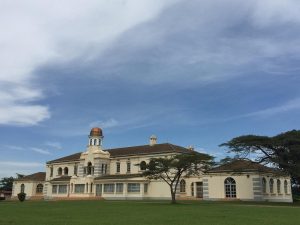 Located on Mengo Hill, the Kabaka’s Palace is the official residence of the King of Buganda, one of Africa’s oldest surviving kingdoms.
The palace is not only a symbol of Buganda’s monarchy but also an important historical site. Visitors learn about Buganda’s royal traditions and Uganda’s political history, including the underground chambers that were used during periods of political unrest.
The palace grounds provide valuable insight into the cultural significance of the Buganda Kingdom.
- Bulange (Buganda Parliament)
Just a short distance from the palace stands Bulange, the administrative headquarters of the Buganda Kingdom.
The impressive building represents the traditional governance system that continues to play an important role in preserving Buganda’s cultural heritage.
The ceremonial Royal Mile connecting Bulange and the Kabaka’s Palace is lined with statues, monuments, and trees planted by visiting dignitaries.
- Kasubi Tombs
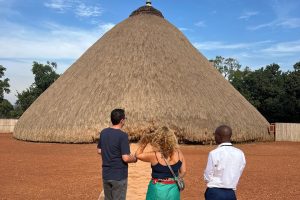 Kasubi Tombs are the burial ground of for several Kabakas (Kings) of Buganda and remains an active spiritual center where traditional ceremonies continue to take place.These tombs are listed as a UNESCO World Heritage Site and among Uganda’s most treasured cultural landmarks. The site serves as the burial ground
Visitors gain a deeper appreciation of Buganda’s customs, architecture, and royal traditions while exploring this remarkable heritage site.
- Uganda Museum
Established in 1908, the Uganda Museum is the oldest museum in East Africa. Its extensive collections include traditional musical instruments, cultural artifacts, archaeological discoveries , ethnographic exhibits , historical photographs and wildlife displays
Interactive exhibits allow visitors to play traditional instruments and learn about Uganda’s many ethnic communities, making the museum an excellent stop for families and history enthusiasts.
- Bahá’í House of Worship
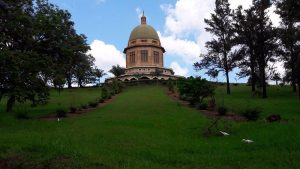 Situated on Kikaya Hill, the Bahá’í House of Worship is the only Bahá’í Temple on the African continent.
The temple is surrounded by beautifully landscaped gardens offering a peaceful escape from Kampala’s busy streets. Its serene atmosphere attracts visitors of all faiths and provides excellent opportunities for photography, meditation, and relaxation.
- Namirembe Cathedral
Perched on Namirembe Hill, St. Paul’s Cathedral is Uganda’s oldest Anglican cathedral.
Built in the early twentieth century, the cathedral has witnessed many significant events in Uganda’s religious history.
Visitors appreciate its unique architecture, tranquil surroundings, and sweeping views over the city.
- Rubaga Cathedral
Located on Rubaga Hill, Rubaga Cathedral serves as the headquarters of the Roman Catholic Church in Uganda. Its twin towers dominate the skyline and its beautifully decorated interior reflects both European and African influences. The cathedral remains an important pilgrimage site and an architectural masterpiece.
- Independence Monument
Situated near the Sheraton Kampala Hotel, the Independence Monument commemorates Uganda’s independence from British colonial rule in 1962.
It is one of Kampala’s most photographed landmarks and symbolizes the country’s journey toward self-governance.
- Nakasero Market
No Kampala City Tour is complete without exploring one of Uganda’s busiest fresh produce markets. Nakasero Market offers fresh fruits, fresh vegetables, local spices, handmade baskets and traditional foods
Walking through the market provides a genuine glimpse into the daily lives of Kampala residents while allowing visitors to sample seasonal fruits such as jackfruit, passion fruit, mangoes, and sweet pineapples.
- Owino Market (St. Balikuddembe Market)
For those seeking a lively local experience, Owino Market is one of the largest open-air markets in East Africa.
Here, visitors can browse thousands of stalls selling clothing, shoes, electronics, household goods. crafts, fabrics and local snacks among others
The market showcases Kampala’s entrepreneurial spirit and offers excellent opportunities to interact with local traders.
- Craft Markets
Kampala has several craft markets where visitors can purchase authentic Ugandan souvenirs.
Popular items to buy include handwoven baskets. wooden carvings, bark cloth products, handmade jewelry, paintings, batik fabrics, African drums and beadwork
Shopping at these markets supports local artisans while providing meaningful keepsakes from your Ugandan adventure.
Detailed 1 Day Kampala City Tour
Morning Pick-Up
Your guide from Superfine Safaris Limited will pick you up from your hotel, residence, or Entebbe International Airport. After a short briefing about the day’s activities, you begin exploring Kampala.
Visit the Uganda Museum
Your first stop is the Uganda Museum, Uganda’s oldest museum. Established in 1908, it houses fascinating collections covering archaeology, ethnography, traditional musical instruments, natural history, and Uganda’s diverse cultural heritage. Visitors gain insight into the country’s many ethnic groups and historical development.
The museum provides an excellent introduction to Uganda before exploring its other attractions.
Explore the Kasubi Royal Tombs
Next, visit the Kasubi Tombs, the burial grounds of Buganda kings. This UNESCO World Heritage Site showcases traditional Ganda architecture and remains one of Uganda’s most important cultural landmarks.
Your guide explains the significance of the Buganda Kingdom, its monarchy, customs, and traditions that continue to shape central Uganda today.
Visit Kabaka’s Palace
Continue to the Kabaka’s Palace at Mengo Hill. The palace serves as the official residence of the King of Buganda. Visitors also learn about the historical underground torture chambers used during Idi Amin’s regime, making this stop both educational and reflective.
Uganda National Mosque
Drive to the impressive Uganda National Mosque, commonly known as the Gaddafi Mosque. Climb the mosque’s minaret for spectacular 360-degree panoramic views of Kampala city. From here, you can appreciate why Kampala is known as the “City of Seven Hills.”
Lunch at a Local Restaurant
Enjoy a delicious lunch featuring traditional Ugandan dishes such as matooke, groundnut sauce, grilled tilapia, luwombo, posho, sweet potatoes, chapati, and fresh tropical fruits. Vegetarian and international meals are also available upon request.
Explore Owino Market
After lunch, experience the vibrant atmosphere of Owino Market, one of East Africa’s busiest markets. Wander through hundreds of stalls selling clothing, fresh produce, electronics, shoes, spices, fabrics, and handcrafted goods while interacting with friendly local traders.
This market offers an authentic glimpse into everyday life in Kampala.
Visit the Bahá’í Temple
Continue to the peaceful Bahá’í House of Worship, the only Bahá’í Temple in Africa. Surrounded by beautifully maintained gardens, the temple provides a calm contrast to the bustling city center and is ideal for relaxation and photography.
Independence Monument
Stop at the Independence Monument, which commemorates Uganda’s independence from British colonial rule in 1962. It remains one of Kampala’s most photographed landmarks and symbolizes the nation’s journey to self-governance.
Craft Shopping
Before concluding your tour, visit one of Kampala’s craft markets where you can purchase handmade baskets, paintings, carvings, jewelry, fabrics, and souvenirs created by local artisans.
Return
In the late afternoon, your guide transfers you back to your hotel, residence, or Entebbe International Airport, marking the end of an enjoyable Kampala City Tour.