
Mount Gahinga is one of the most rewarding hiking destinations in southwestern Uganda and an excellent addition to a Uganda safari. Rising to 3,474 meters above sea level, this extinct volcanic mountain is part of the Virunga Mountains and lies within Mgahinga Gorilla National Park, home to mountain gorillas and golden monkeys.
For travelers exploring Uganda with Superfine Safaris Limited, a Mount Gahinga hike offers a chance to experience a very different side of the country. Spend a day walking through bamboo forests, high-altitude vegetation and beautiful volcanic landscapes before reaching the mountain’s distinctive summit swamp.
Mount Gahinga is also ideally located for combining hiking with gorilla trekking, golden monkey trekking and cultural experiences around Kisoro.
Where Is Mount Gahinga?
Mount Gahinga is located in Kisoro District in southwestern Uganda, inside Mgahinga Gorilla National Park. The mountain forms part of the Virunga volcanic range, which stretches across Uganda, Rwanda and the Democratic Republic of Congo. Uganda protects three of the Virunga volcanoes within Mgahinga Gorilla National Park:
- Mount Gahinga – 3,474 metres
- Mount Sabyinyo – approximately 3,645 metres
- Mount Muhabura – 4,127 metres
The Mgahinga Gorilla National Park is Uganda’s smallest national park, but its location in the Virunga highlands gives it exceptional scenic and ecological importance. For visitors approaching Kisoro, the volcanoes dominate the surrounding landscape. terraced farms, villages and winding roads sit beneath the dramatic mountain slopes, creating some of the most beautiful scenery in southwestern Uganda.
What Does the Name Gahinga Mean?
The name Gahinga is associated with small piles or heaps of stones. The name reflects the traditional agricultural landscape around the volcanoes, where stones removed from farmland are gathered into small piles. It is a simple name, but it connects the mountain to the people and agricultural communities who have lived around the Virunga highlands for generations.
Hiking Mount Gahinga
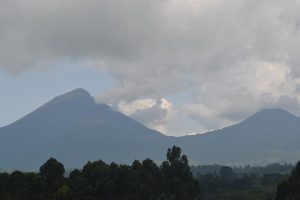 Mount Gahinga hiking is a rewarding experience for visitors who enjoy nature, walking and mountain scenery. The hike is generally considered less demanding than climbing Mount Muhabura or Mount Sabyinyo. However, it still requires reasonable physical fitness because you will be walking uphill for several hours and reaching an elevation of more than 3,400 metres.
A typical hike takes approximately six hours for the round trip, although the exact duration depends on your pace, weather and trail conditions.
The mountain does not require technical climbing skills. A good pair of hiking boots, appropriate clothing and a steady pace are more important than previous mountaineering experience.
Where Does the Mount Gahinga Hike Start?
The hike begins around the Ntebeko area of Mgahinga Gorilla National Park. Travelers are first registered and briefed by ranger guides on the dos and donts of hiking. The guide accompanies you throughout the hike, helping you follow the trail and explaining the plants, wildlife and different habitats along the route.
The experience begins in the lower areas before gradually taking you deeper into the mountain environment. As you climb, the views and vegetation change, making the journey itself an important part of the experience.
The Bamboo Forest on Mount Gahinga
One of the most enjoyable sections of the Mount Gahinga trail is the bamboo forest. The tall bamboo creates a cool, green environment that feels completely different from the cultivated areas around Kisoro. The forest is also home to different birds and wildlife, so it is worth slowing down and paying attention to your surroundings.
 The bamboo habitat is particularly important in the Virunga ecosystem and is associated with the habitat of golden monkeys. If you are interested in photography, this is one of the sections where you can capture the character of the mountain particularly well.
Changing Vegetation as You Climb
The vegetation changes gradually as Mount Gahinga becomes steeper and the altitude increases.
The lower sections are influenced by the surrounding landscape, while higher sections feature vegetation adapted to the cooler conditions of the mountain.
Walking through these changing habitats gives the hike a natural sense of progression. You start among greener lower vegetation, move through bamboo and eventually reach the high-altitude environment around the summit.
This is one reason why Mount Gahinga is more than simply a climb to a particular altitude. The trail provides an opportunity to experience several different environments during one excursion.
The Mount Gahinga Summit Swamp
The highlight of the hike is reaching the summit area and its swamp-filled volcanic crater.The crater is approximately 180 metres across and has developed into a swamp over time. Rather than finding a completely rocky or barren summit, hikers encounter a green wetland surrounded by high-altitude vegetation.
After several hours of climbing, this unusual landscape provides a memorable reward.
It is also an excellent place to pause, take photographs and appreciate the scale of the Virunga volcanic landscape.
Wildlife Around Mount Gahinga
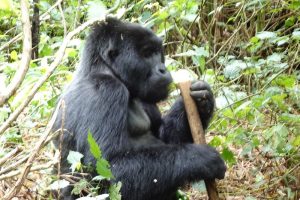 Mount Gahinga is primarily a hiking destination, so it should not be approached in the same way as Uganda’s traditional savannah parks.
However, you are still walking through a protected wildlife habitat.
The wider Mgahinga ecosystem is home to species including Mountain gorillas, Golden monkeys, Buffaloes, Bushbucks, Duikers, Giant Forest hogs, Forest elephants and Numerous Forest birds
Wildlife sightings cannot be guaranteed because animals move through the forest naturally. The main attraction is the mountain, forest and scenery, with wildlife encounters providing an added bonus.
Birdwatching on Mount Gahinga
For bird lovers, the forests around Mount Gahinga provide another reason to take your time on the trail. Mgahinga is part of the Albertine Rift, a region known for its rich biodiversity and important forest habitats.
Depending on the area explored, birders may look for species such as Rwenzori Turaco, Handsome Francolin, Rwenzori Batis, Regal Sunbird, Kivu Ground Thrush, Olive Woodpecker, African Hill Babbler and Lagden’s Bush-shrike
If birding is one of your main interests, Superfine Safaris Limited incorporates birding experiences into your southwestern Uganda itinerary.
How Difficult Is Mount Gahinga?
The Mount Gahinga hike is moderately challenging.
It is a good option for travellers who want a mountain adventure but do not necessarily want to tackle the highest or most demanding Virunga volcano. The main challenges include steady uphill walking, high altitude, uneven sections of trail, mud during rainy periods, cold temperatures at higher elevations and changing mountain weather
Your fitness level will have a major influence on how difficult the hike feels.
You should not feel pressured to maintain someone else’s pace. Walking steadily, drinking enough water and taking short breaks when needed will make the experience more enjoyable.
How Long Does Mount Gahinga Hiking Take?
Allow approximately six hours for a Mount Gahinga hike, including the descent. Some travellers may take less time, while others may need longer depending on their fitness, weather and trail conditions.
At Superfine Safaris Limited, we recommend allowing plenty of time for the activity rather than trying to rush back for another demanding excursion. The mountain is best enjoyed at a comfortable pace.
Best Time to Hike Mount Gahinga
Mount Gahinga can be hiked throughout the year. For generally more comfortable trail conditions, many travelers prefer the relatively drier months of June to September and December to February
The wetter months can make the trail muddy and slippery, but they also bring exceptionally green vegetation and fresh mountain scenery.
It is important to remember that the Virunga mountains have their own weather patterns. Even during a generally dry period, rain and cloud can appear quickly.
For this reason, a waterproof jacket should always be part of your hiking gear.
What to Pack for a Mount Gahinga Hike
Preparing properly will make your hiking experience much more comfortable.
We recommend carrying:
- Sturdy hiking boots
- Waterproof jacket
- Warm fleece or sweater
- Long hiking trousers
- Lightweight backpack
- Drinking water
- Energy snacks
- Hat
- Gloves
- Walking poles if preferred
- Sunscreen
- Insect repellent
- Camera or smartphone
- Waterproof protection for electronics
- Personal medication
Good footwear is particularly important because sections of the trail can become slippery after rain.
Mount Gahinga, Mount Muhabura or Mount Sabyinyo?
Choosing the right Virunga volcano depends largely on the kind of hiking experience you want.
Mount Gahinga
At 3,474 metres, Gahinga is the smallest of the three and offers a relatively moderate climb. Its bamboo forest and summit swamp are among its major attractions.
Mount Sabyinyo
Sabyinyo is more rugged and challenging, with steep sections and dramatic ridges. It is particularly attractive to experienced hikers looking for a demanding adventure.
Mount Muhabura
At 4,127 metres, Muhabura is the highest of the three Ugandan Virunga volcanoes. The hike is more strenuous but rewards climbers with impressive views and a crater lake near the summit.
For travellers seeking a moderate Virunga mountain hike, Mount Gahinga is an excellent choice.
Combining Mount Gahinga with Gorilla Trekking
One of the biggest advantages of choosing Mount Gahinga is its location within Mgahinga Gorilla National Park. The same park offers mountain gorilla trekking, allowing you to combine two very different experiences in one safari.
You can spend one day walking through the forest in search of mountain gorillas and another climbing Mount Gahinga.
A sample itinerary could include:
Day 1: Travel to Kisoro
Day 2: Gorilla trekking in Mgahinga
Day 3: Mount Gahinga hike
Day 4: Golden monkey trekking or departure
The exact order can be adjusted according to your gorilla permit, travel arrangements and preferred pace.
For travellers who want more time in the region, the itinerary can also include Lake Bunyonyi, Bwindi Impenetrable National Park or Queen Elizabeth National Park.
Mount Gahinga and Golden Monkey Trekking
If you are interested in primates, combining Mount Gahinga hiking with golden monkey trekking is another excellent option. Golden monkeys are one of the most distinctive primates of the Virunga highlands. Spending time in the bamboo forest searching for these energetic monkeys gives you a completely different experience from gorilla trekking.
The combination of mountain hiking, golden monkey trekking and gorilla trekking can create an especially rewarding primate-focused Uganda safari.
Mount Gahinga and Batwa Cultural Experiences
Your visit to Mgahinga does not have to focus entirely on nature. Travelers can also include a Batwa cultural experience in their itinerary to learn more about the history, traditions and relationship between the Batwa community and the forest.
For visitors interested in responsible and meaningful travel, meeting local communities can provide a deeper understanding of the region beyond its wildlife and mountains.
How to Get to Mount Gahinga
By Road
Most visitors reach Mount Gahinga through Kisoro. The journey from Kampala is long, but it becomes increasingly scenic as you travel through southwestern Uganda toward the Virunga highlands.
Travelling with a private safari vehicle gives you flexibility to stop for photographs, local experiences and scenic viewpoints along the way.
For a safari covering several destinations, a 4×4 safari vehicle is a comfortable and practical option.
By Air
Travellers who want to reduce the amount of time spent on the road can arrange a flight toward Kisoro Airstrip and continue by road to Mgahinga Gorilla National Park.
This option works particularly well for short gorilla and hiking safaris where time is limited.
Where to Stay for Mount Gahinga Hiking
There are accommodation options in and around Kisoro and Mgahinga, ranging from simple guesthouses and camps to comfortable mid-range lodges and luxury properties.
For a Mount Gahinga hike, location is particularly important because an early start is usually preferable. The examples of accommodation facilities for travelers visiting Mgahinga Gorilla National Park include Gahinga Lodge , Travelers Rest Hotel, Amajambere Iwacu community Camp among others.
When booking accommodation, ask whether the property can arrange early breakfast, packed lunch, transport to the park, hot showers, warm rooms and laundry services
After a long day on the mountain, having a comfortable place to rest is part of the experience.
Is Mount Gahinga Worth Visiting?
Mount Gahinga is definitely worth adding to a southwestern Uganda safari, particularly if you enjoy hiking and want to experience the Virunga landscape beyond gorilla trekking.
Its moderate difficulty makes it an appealing option for travelers who want a genuine mountain adventure without taking on the most demanding climb in the region.
Most importantly, Mount Gahinga fits naturally into a wider Uganda safari.
You can combine it with gorilla trekking, golden monkey trekking, Batwa cultural experiences and a visit to Lake Bunyonyi, creating a journey that brings together wildlife, mountains, culture and local communities.
Plan Your Mount Gahinga Hike with Superfine Safaris Limited
Whether you are planning a short Mount Gahinga hiking trip or a longer Uganda gorilla and wildlife safari, this volcanic mountain offers an opportunity to slow down, walk through one of Uganda’s remarkable mountain ecosystems and experience the beauty of southwestern Uganda on foot.
Plan Now