A 3 day Kenya safari itinerary centred on the Masai Mara is the most popular short safari in East Africa. Three days gives you two full game drive days in the Mara, enough time to see lion, leopard, elephant, buffalo and cheetah, and comfortable travel from Nairobi on each end. The Masai Mara is one of the most productive wildlife areas in the world year-round — not just during the wildebeest migration — and a three-day visit gives a thorough introduction to the savannah ecosystem. This guide covers the day-by-day route, how to get to the Mara, where to stay and what the trip costs.
3-Day Kenya Safari Itinerary: Overview
| Day | Location | Activity |
|---|---|---|
| Day 1 | Nairobi → Masai Mara | Fly or drive to the Mara, afternoon game drive |
| Day 2 | Masai Mara | Full day game drives, optional hot air balloon |
| Day 3 | Masai Mara → Nairobi | Morning game drive, return to Nairobi, depart |
3-Day Kenya Safari Day by Day
Day 1: Nairobi to the Masai Mara
Nairobi is Kenya’s main international gateway, served by direct flights from London, Amsterdam, Dubai, Doha, Mumbai, Addis Ababa and Johannesburg. Most international flights arrive at Jomo Kenyatta International Airport (NBO). Kenya’s e-visa ($51) is available online at evisa.go.ke — apply at least 72 hours before arrival. The Masai Mara is 270km southwest of Nairobi. Two options:
Option A — Fly (strongly recommended for 3-day trips): Scheduled and charter flights from Wilson Airport (5km from the city centre) to the Mara’s five airstrips take 40–45 minutes. Fly540, AirKenya, Safarilink and several charter operators run multiple daily services to Keekorok, Ol Kiombo, Mara Serena and other strips. Flights cost $100–$200 each way. Flying eliminates the 5–6 hour road transfer and saves a half-day in each direction.
Option B — Drive: Five to six hours from Nairobi via Narok. The road is good for most of the route; the last 50km into the Mara is unpaved. Viable for self-drive visitors; for a three-day trip the drive eats significantly into game time.
Arrive the Mara and check in to your camp. Afternoon game drive (3–4 hours): the Mara is productive from the first hour. The open Maasai grassland gives excellent visibility — no thick forest to obscure animals. Lion, cheetah, elephant, topi, zebra and giraffe are typically seen on a first afternoon drive. Your guide briefs you on the following day’s game drive plan over dinner.
Overnight near the Masai Mara. Budget: Mara Simba Lodge ($120–180), Sekenani Camp ($80–130). Mid-range: Ol Seki Hemingways ($350–550), Mara Serena Safari Lodge ($250–400). Luxury: Angama Mara ($1,200–1,800), Mahali Mzuri ($1,000–1,600), Sanctuary Olonana ($850–1,300).
Day 2: Full Day in the Masai Mara
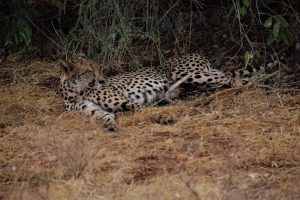 The heart of this 3 day Kenya safari. Two game drives: early morning (6:00–10:00am) and late afternoon (3:30–6:30pm), with a midday break at camp during the heat of the day when animal activity drops.
Morning game drive: The golden hour after sunrise is the best time for predator activity. Lions are often still on a kill or actively patrolling territory. Cheetahs are diurnal and frequently seen hunting on the open plains in the early morning. Elephants and buffalo move between water sources. Ask your guide to focus on the Mara Triangle and Mara River banks — these areas consistently hold the highest density of big cats in the reserve.
The Masai Mara’s Big Five (lion, leopard, elephant, buffalo, rhino) are all present. Lion and leopard are reliable year-round; leopard sightings require patience but Mara’s open woodland gives better views than most leopard habitats. Cheetah are one of the Mara’s specialities — the open Maasai grassland is among the best cheetah habitat in Africa. Rhino are present but rare; sightings are a bonus rather than an expectation.
Optional: Hot Air Balloon Safari ($450 per person). Dawn balloon flights over the Mara are one of Kenya’s signature experiences. An hour drifting over the savannah at altitude, watching animals move below in the early light, followed by a champagne bush breakfast. Book in advance through your lodge. Departs at 5:30am; back at camp by 9:30am.
Afternoon game drive: Sunset on the Mara plains is spectacular. The afternoon drive often yields leopard (particularly near the Talek River acacia woodland) and large elephant herds moving toward water. Many camps allow sundowner stops — your guide halts the vehicle on an open ridge for drinks at dusk. Return to camp after dark.
Overnight: same Masai Mara camp.
Day 3: Morning Game Drive and Return to Nairobi
 Final morning drive before the return. Depart camp at 6:00am for a two-hour game drive, then return for breakfast and pack up. Flights back to Wilson Airport depart from the Mara’s airstrips between 10:00am and 11:30am — confirm your departure time with the lodge the previous evening.
Arrive Wilson Airport by midday. The airport is 30 minutes from Jomo Kenyatta International Airport (JKIA) in normal traffic; allow 90 minutes for the transfer to be safe. International flights from Nairobi depart late afternoon through night, so a midday arrival from the Mara gives comfortable time for a city lunch or a brief stop at the Nairobi Giraffe Centre (15 minutes from Wilson) before heading to the airport.
If your international departure is the following day, several hotels near JKIA are convenient: Eka Hotel Nairobi ($100–160), Ole Sereni ($150–220, overlooks Nairobi National Park) or Hemingways Nairobi ($250–400) in the Karen suburb.
Best Time for a 3-Day Kenya Safari
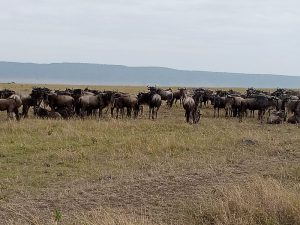
July–October (wildebeest migration): Peak season. The wildebeest migration river crossings at the Mara River are one of the greatest wildlife spectacles on earth — herds of up to 1.5 million wildebeest crossing from Tanzania’s Serengeti. The Mara River crossings peak in August and September. Lodges book out many months in advance. See our Masai Mara migration guide for month-by-month details.
January–March: Excellent game viewing and good value. Resident wildlife — lion, cheetah, leopard, elephant — is abundant year-round. Calving season on the Serengeti plains in January–February brings predator activity to its peak. Lower visitor numbers than July–October.
April–June (long rains): The Mara’s green season. Lower lodge rates (30–50% less), very few tourists, excellent bird activity and lush landscapes. The rains are usually afternoon showers rather than all-day events. Game viewing is good — the animals are there year-round.
For month-by-month detail, see our best time to visit the Masai Mara guide.
Practical Information
Visa: E-visa ($51) online at evisa.go.ke. Most nationalities qualify. Some African Union passport holders enter visa-free. See our Kenya visa guide.
Flights to Nairobi: Jomo Kenyatta International Airport (NBO) has direct connections from London, Amsterdam, Paris, Dubai, Doha, Singapore, Mumbai, Addis Ababa, Johannesburg and many African cities. No direct flights from North America; connect via London, Amsterdam or the Gulf.
Health: Yellow fever certificate required for travellers arriving from yellow fever endemic countries. Malaria prophylaxis recommended for the Mara. No altitude considerations — the Mara sits at 1,500m but this has no health implications for most visitors.
Currency: Kenyan Shilling (KES). USD accepted at most lodges and operators. ATMs in Nairobi and Narok.
Frequently Asked Questions
Is 3 days enough for a Kenya safari? Yes — three days in the Masai Mara gives two full game drive days and is enough to see all the major species. The Mara’s open grassland makes for efficient wildlife sightings. For a multi-park circuit including Amboseli and Lake Nakuru, you need five or more days.
What is the best month for a 3-day Kenya safari? Any month works well for a Masai Mara trip. July–October for the wildebeest migration river crossings. January–March for calving season predator activity and lower prices. June and November for the shoulder season sweet spot — good game and lodges 20–30% cheaper than peak.
Can I see the Big Five in 3 days in Kenya? Lion, leopard, elephant and buffalo are reliably seen. Rhino requires luck — the Mara’s rhino population is small. For guaranteed rhino viewing, add a day at Ol Pejeta Conservancy or Lake Nakuru as part of a longer trip.
What is the Masai Mara park fee? $100 per person per day (non-resident rate, 2027). This is the Narok County Conservation Fee and is paid on entry to the reserve. It covers unlimited game drives during that calendar day. Some lodges include it in their rate; most charge it separately.
Can I combine a 3-day Kenya safari with Tanzania? Yes — the Masai Mara and Tanzania’s Serengeti share a border. Overland crossings are possible but require advance documentation. Most visitors fly: Nairobi to Kilimanjaro or Arusha is 1 hour. A popular combination: 3 days Kenya Masai Mara + 4 days Tanzania Serengeti or 3 days Rwanda gorillas.