A 7 day Rwanda safari itinerary is the ideal way to experience everything the country has to offer. Gorilla trekking in Volcanoes National Park, chimpanzee trekking and the canopy walk in Nyungwe Forest, and Big Five game drives in Akagera National Park, all in a single well-paced week. Rwanda is compact enough that you can cover three very different national parks in seven days without spending more time in a vehicle than in the bush. This guide walks through the itinerary day by day, with accommodation options at every price point and a full cost breakdown.
7-Day Rwanda Safari Itinerary: Overview
| Day | Location | Activity |
|---|---|---|
| Day 1 | Kigali | Arrive, Kigali Genocide Memorial, city orientation |
| Day 2 | Kigali → Volcanoes NP | Drive north, Twin Lakes visit, lodge check-in |
| Day 3 | Volcanoes NP | Gorilla trekking — the centrepiece of the Rwanda safari |
| Day 4 | Volcanoes NP → Nyungwe Forest | Golden monkey trek, scenic drive south, canopy walk |
| Day 5 | Nyungwe Forest | Chimpanzee trekking, forest hiking trails |
| Day 6 | Nyungwe → Akagera NP | Cross-country drive east, evening game drive |
| Day 7 | Akagera → Kigali | Morning game drive, return Kigali, depart |
7-Day Rwanda Safari Itinerary Day by Day
Day 1: Arrive Kigali
Your 7 day Rwanda safari begins in Kigali, one of the safest and most walkable capitals in Africa. Land at Kigali International Airport (KGL), clear immigration, Rwanda e-visa ($50) or visa on arrival and transfer to your hotel. Most international flights land mid-morning or in the evening; a morning arrival gives you a full afternoon in the city.
The first stop should be the Kigali Genocide Memorial in Gisozi, where 250,000 victims of the 1994 genocide are buried. Open Tuesday–Sunday, 8am–5pm. The memorial tells the history of the genocide clearly and without euphemism, and provides essential context for understanding modern Rwanda — why the country is the way it is, what it is rebuilding toward, and why conservation is taken seriously at a governmental level. Plan two hours.
From there, the afternoon options are good: the Inema Arts Centre in Kacyiru (open until 6pm, best gallery in Rwanda), a walk through Nyamirambo (Kigali’s most authentic neighbourhood, known for street food and community life), or a drive past the Caplaki Craft Market for Imigongo geometric paintings and woven baskets. Kigali’s restaurant scene is strong for a city its size — The Hut, Repub Lounge and Heaven Restaurant are all worth a dinner reservation.
Overnight: Kigali. Budget: Chez Lando Hotel ($60–90). Mid-range: Radisson Blu Kigali ($150–220), Hotel des Mille Collines ($130–200). Luxury: Kigali Marriott ($200–350), One&Only Nyungwe House (book ahead).
Day 2: Kigali to Volcanoes National Park
After breakfast, your driver-guide picks you up for the two-hour drive northwest to Musanze and the Volcanoes National Park area. The road through the Northern Province is among the most scenic in Rwanda: terraced hillsides drop steeply to valley floors, tea estates appear above 1,800m, and the five Virunga volcanic peaks come into view as you approach Musanze.
Check in to your lodge near Kinigi (the gateway village to Volcanoes NP) by early afternoon. Two afternoon activities work well here. The Twin Lakes of Bulera and Ruhondo a pair of crater lakes set in a bowl of hills with the Virunga volcanoes as backdrop — are 20 minutes from most lodges and almost entirely unvisited. A one-hour walk along the ridge between the two lakes is one of the most genuinely beautiful walks in the country. Alternatively, the Ibyiwacu Cultural Village near Kinigi is a community tourism project showcasing traditional Rwandan music, dance and beekeeping.
Evening: pre-trek briefing from your guide or lodge. Gorilla trekking starts at 7am sharp; an early night is sensible.
Overnight: Volcanoes NP area. Budget: Gorilla Guardians Village ($80–130), Muhabura Hotel in Musanze town ($60–90). Mid-range: Mountain Gorilla View Lodge ($200–320), Gorillas Nest Lodge ($180–280). Luxury: One&Only Gorilla’s Nest ($800–1,200), Bisate Lodge ($1,100–1,800), Singita Kwitonda ($1,400–2,200).
Day 3: Gorilla Trekking in Volcanoes National Park
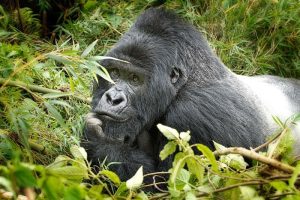 This is the moment the entire 7 day Rwanda safari itinerary is built around. Arrive at Kinigi park headquarters by 7am for the pre-trek briefing. Rangers assign each group of eight visitors to one of Rwanda’s 12 habituated gorilla families. The assignment is based on fitness level, trek duration and group size you can request a shorter or longer trek, though the decision is ultimately the rangers’.
The trek itself takes anywhere from 45 minutes to six hours depending on where the gorillas moved overnight. Your ranger team uses GPS data from the last night-nest position to track the family. The forest terrain varies: bamboo zones lower on the slopes give way to dense Hagenia forest above 2,500m. Porters are available at the gate ($15–20) and are worth hiring — they carry your bag and can physically support you on steep sections.
When you reach the gorilla family, you have exactly one hour. No exceptions. During that hour, the gorillas go about their lives at close range — eating vegetation, nursing infants, play-fighting, resting, occasionally moving through your group as if you are not there. Photography is unrestricted (no flash). The silverback male, which can weigh 220kg, is typically the most visible and least concerned by human presence.
Rwanda has a 100% gorilla sighting success rate. In the very rare event a trek is cancelled due to gorilla illness or extreme weather, a full permit refund is issued.
Back at the gate by early afternoon. Lunch at the lodge, certificates issued. Optional afternoon: golden monkey trekking ($100, departs 2pm, two to three hours) or the Dian Fossey tomb hike ($75, three hours, steep — not suitable after a long gorilla trek).
Overnight: Volcanoes NP area (same lodge).
Day 4: Golden Monkey Trek and Drive to Nyungwe Forest
Morning golden monkey trek ($100 permit, 7am start). Golden monkeys are found only in the Albertine Rift and are listed as endangered Rwanda and Uganda hold the only viable populations. The trek is shorter and less physically demanding than gorilla trekking: golden monkeys live in the bamboo forests lower on the Virunga slopes and move in loud, fast-moving troops of 30–80 individuals. The encounter is very different to gorillas — continuous movement, high energy, often overhead in the bamboo canopy.
Trek finishes by mid-morning. After lunch, begin the four-hour drive south from Musanze to Nyungwe Forest. The route passes through Kigali briefly (or bypasses it) and then continues southwest into the highlands. The landscape becomes progressively more dramatic: ridge roads through tea plantations, then the montane rainforest pressing against the tarmac as you enter Nyungwe Forest National Park. Mist fills the valleys in the late afternoon.
If you arrive before 4pm, the canopy walkway ($60 per person, 90 minutes) is worth doing today rather than losing time tomorrow. The walkway is suspended 50–70 metres above the forest floor and gives views across the oldest montane rainforest in Central Africa. Late afternoon light is good for photography from the canopy.
Overnight: Nyungwe Forest. Mid-range: Nyungwe Top View Hill Hotel ($120–180). Luxury: Nyungwe Forest Lodge ($350–600), set in a restored tea estate at the forest boundary.
Day 5: Chimpanzee Trekking in Nyungwe Forest
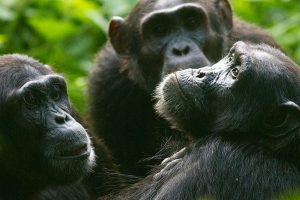 Nyungwe Forest National Park is one of the most ecologically significant places in Africa: the largest intact montane rainforest on the continent, the source of the Nile, and home to 13 primate species, over 320 bird species (including 29 Albertine Rift endemics found nowhere else in East Africa), and more than 1,000 plant species. It is Rwanda’s least-visited major park and one of its most rewarding.
Chimpanzee trekking departs at 5am ($150 permit). The trekking area switches between the main Uwinka forest and the smaller Cyamudongo satellite forest depending on where the chimps have moved. Rwanda’s chimpanzees are partially habituated — sightings are very common but not guaranteed. The Nyungwe community has over 500 individuals across multiple groups. A successful morning often includes sightings of L’Hoest’s monkeys, red-tailed monkeys, and large colobus troops along the trail.
The trek typically finishes by 9–10am. Afternoon options in Nyungwe are genuinely strong. Forest hiking trails: the park has 13 mapped routes ranging from 2km to 22km. The Bigugu Trail (10km, 4–5 hours) reaches the park’s highest point at 2,950m with views over Lake Kivu and the DRC on clear days. The Kamiranzovu Marsh trail (5km, 2 hours) passes through swamp forest and is good for the rare, shy Grauer’s rush warbler. Birding in the late afternoon along the main road through the park is exceptionally productive — a dedicated birder could spend a full day here and not exhaust the species list.
Overnight: Nyungwe Forest (same lodge).
Day 6: Nyungwe to Akagera National Park
Today’s drive crosses Rwanda from west to east approximately four to five hours. From Nyungwe, the road descends from the highlands through coffee and tea farm country, passes through the Southern Province and Kigali, and then continues northeast toward the Tanzanian border.
The landscape transformation on this drive is one of Rwanda’s underappreciated experiences: from rainforest-draped highlands in the west to the flat acacia savanna of eastern Rwanda. The Eastern Province feels like a different country — dry, wide, cattle-grazed grassland with granite outcrops and a horizon that feels African in a way the highlands do not.
Akagera National Park is Rwanda’s Big Five reserve and the only park in the country with lion, elephant, buffalo, hippo and black rhino. Covering 1,122 km² along the Tanzanian border, it was heavily degraded by settlement before 2010; since then, African Parks (the same organisation that manages Liwonde, Majete and other success stories) has overseen a dramatic turnaround. Lions were reintroduced in 2015 — three prides now patrol the southern plains. Black rhino were reintroduced in 2017.
Arrive at the park by late afternoon. A two-hour evening game drive covers the lake system in the south: Lake Ihema is one of the highest-density hippo habitats in Africa, and the shoreline road yields elephant, buffalo, waterbuck, topi and excellent birding. Boat safaris on Lake Ihema (available at dawn and dusk from Akagera Game Lodge) are particularly rewarding.
Overnight: Akagera NP. Mid-range: Akagera Game Lodge ($180–280). Luxury: Ruzizi Tented Lodge ($280–420), positioned directly on Lake Ihema.
Day 7: Morning Game Drive and Return to Kigali
Early morning game drive departing at 5:30am — the most productive time in Akagera. Lions are most active in the cool hours after dawn; the park’s three prides tend to patrol the southern grasslands and the Mutumba Hills area. Elephants are regularly seen near the northern lakes (Mihindi and Rwanyakizinga) at dawn. Black rhino are seen most reliably in the Mutumba Hills and the Magashi area in the park’s northeast — sightings are not guaranteed but are reported several times weekly.
Return to the lodge for breakfast by 8:30am. The two-hour drive to Kigali leaves you at the airport comfortably for flights departing from noon onwards. If your international flight is early evening, there is time for a lunch stop in Kigali and a final wander through the city. If your flight is the next morning, Kigali has a wide range of good hotels within 20 minutes of the airport.
7-Day Rwanda Safari Cost Breakdown
Below is what to budget per person for a 7 day Rwanda safari itinerary at three different tiers. These figures assume a private vehicle and guide throughout and exclude international flights.
| Cost Item | Budget | Mid-Range | Luxury |
|---|---|---|---|
| Gorilla permit (×1) | $1,500 | $1,500 | $1,500 |
| Golden monkey permit | $100 | $100 | $100 |
| Chimpanzee permit (Nyungwe) | $150 | $150 | $150 |
| Akagera park fees (2 days) | $80 | $80 | $80 |
| Canopy walk (Nyungwe) | $60 | $60 | $60 |
| Lodging (6 nights) | $480–720 | $1,500–2,200 | $4,800–9,000 |
| Private transport + guide (7 days) | $500–700 | $700–1,000 | $1,000–1,400 |
| Meals (where not included) | $120–180 | $0 (all inclusive) | $0 (all inclusive) |
| Total per person | ~$2,990–$3,490 | ~$4,090–$5,140 | ~$7,690–$12,290 |
Couples sharing a vehicle and room reduce transport costs by 30–40% per person. The gorilla permit ($1,500) is the fixed non-negotiable cost — everything else scales with budget tier. See our Rwanda safari cost guide for a complete breakdown of all permit, lodge and transport costs by season.
Best Time for a 7-Day Rwanda Safari
Rwanda has two dry seasons and two wet seasons. All of them work for a 7 day Rwanda safari — gorilla trekking runs year-round and Akagera is excellent in every season. What changes is comfort, price and crowd level.
June–September (long dry season): The most popular period. Dry trails make gorilla and chimp trekking more comfortable; the Virunga forest paths are firmer underfoot. Akagera’s game viewing is excellent as animals concentrate around water. Lodges and permits book out fastest during this window — reserve six months ahead for June–August.
December–January (short dry season): A reliable and popular alternative. Good for gorilla trekking; Akagera is dry and productive. Christmas and New Year dates fill up very fast — the luxury lodges around Volcanoes NP are often fully booked 9–12 months ahead for December.
February–May and October–November (wet seasons): Gorilla trekking remains excellent — the forest is brilliantly green, there are far fewer visitors, and lodge rates drop 20–40%. The trade-off is muddy trails (especially in March–May), which makes Nyungwe trekking more physically demanding. Akagera has excellent vegetation and birdlife. For value-conscious travellers, the shoulder wet seasons (February–March and October–November) offer a strong experience at a significantly lower price.
For detailed month-by-month advice, see our best time to visit Rwanda guide.
Practical Information for a 7-Day Rwanda Safari
Visa: Rwanda e-visa ($50) applied online at irembo.gov.rw at least 72 hours before travel, or visa on arrival at Kigali Airport. Many African Union passport holders enter visa-free. The Rwanda Tourism Levy ($50 per person per night) is collected by lodges on check-in — it is separate from the e-visa. See our Rwanda visa guide.
Flights to Kigali: RwandAir operates direct flights to Kigali (KGL) from London Heathrow, Amsterdam, Brussels, Paris, Istanbul, Dubai, and multiple African hubs. Kenya Airways and Ethiopian Airlines connect Kigali to Nairobi and Addis Ababa respectively, which link to most North American, Asian and Australian routes. No direct flights from North America currently.
Currency: Rwandan Franc (RWF). USD is widely accepted at lodges and most tourist businesses. ATMs in Kigali and Musanze (Ruhengeri) dispense RWF. Credit cards (Visa/Mastercard) are accepted at mid-range and luxury lodges.
Health: Malaria prophylaxis is recommended for all Rwanda travel. Volcanoes NP and Nyungwe are at high altitude (2,000–3,000m) where malaria risk is lower but not absent; Akagera is low altitude and higher risk. Yellow fever vaccination certificate is required for travellers arriving from yellow fever endemic countries.
Packing for gorilla trekking: Waterproof hiking boots with ankle support, long trousers, long-sleeved shirt, lightweight waterproof jacket, thin gardening gloves (for gripping branches), insect repellent, and a small daypack. No flash photography. Porter hire at the gate ($15–20) is highly recommended for anyone who is not fit or is carrying heavy camera equipment.
Frequently Asked Questions
How much does a 7-day Rwanda safari cost? Budget travellers can do this itinerary for around $3,000–$3,500 per person, mid-range travellers for $4,000–$5,100, and luxury travellers should budget $7,700–$12,300 or more. The gorilla permit ($1,500) is fixed regardless of budget tier.
Is 7 days enough to see all of Rwanda’s national parks? Yes. Rwanda has three main safari parks — Volcanoes NP (gorillas), Nyungwe Forest (chimps and primates) and Akagera NP (Big Five) — and a 7-day itinerary covers all three without feeling rushed. You have two full nights at each park.
Do I need to book the gorilla permit in advance? Yes — gorilla permits ($1,500 per person per trek) must be booked through a registered Rwanda tour operator or directly with the Rwanda Development Board. Permits sell out months in advance during peak season (June–September and December–January). Book as early as possible.
Can I see the Big Five in Rwanda? Yes — in Akagera National Park. All five species (lion, elephant, buffalo, hippo and black rhino) are present. Leopard sightings are less common than the other four but are reported regularly.
Is Rwanda safe for safari travel? Rwanda is one of the safest countries in Africa for tourists. Kigali consistently ranks as one of Africa’s safest cities; the national parks are well managed and professionally staffed. See our Rwanda gorilla trekking guide for a detailed safety overview.
Can I combine a 7-day Rwanda safari with other countries? Easily. Common extensions: Uganda (gorillas in Bwindi or chimps in Kibale, 3–4 extra days), Kenya for Masai Mara game drives (4–5 days, fly Kigali–Nairobi), Tanzania Serengeti (fly Kigali–Kilimanjaro, 5 days), or Zanzibar beach (fly direct from Kigali on RwandAir or via Nairobi, 3–5 days).