Mount Kilimanjaro vs Mount Rwenzori is a comparison worth exploring when planning a memorable hiking adventure in East Africa. Both mountains offer rewarding climbs, spectacular scenery and opportunities to experience the region’s remarkable natural beauty, but each presents a different challenge. Mount Kilimanjaro in Tanzania is Africa’s highest mountain, rising to 5,895 metres above sea level, while the Rwenzori Mountains in Uganda offer a rugged, remote trekking experience, with Margherita Peak reaching approximately 5,109 metres.
At Superfine Safaris Limited, we help travelers choose the mountain that best matches their fitness, hiking experience, interests and travel plans, with opportunities to combine their climb with wildlife safaris, gorilla trekking and other East African experiences.
Understanding Mount Kilimanjaro and the Rwenzori Mountains
East Africa is home to some of Africa’s most impressive mountain landscapes. Among the most rewarding destinations for serious hikers are Mount Kilimanjaro in Tanzania and the Rwenzori Mountains in western Uganda. Although both mountains rise above 5,000 metres and offer challenging high-altitude adventures, their landscapes, climbing routes and overall trekking experiences are quite different.
Mount Kilimanjaro is famous for its impressive height, established hiking routes and the opportunity to reach the highest point in Africa without requiring technical mountaineering skills on the standard trekking routes. The Rwenzori Mountains, on the other hand, are known for their mist-covered valleys, lush vegetation, glacial landscapes, boggy trails and demanding mountain conditions.
Choosing between the two depends on what you want from your adventure. Some travellers dream of standing on the roof of Africa, while others prefer exploring a less conventional mountain environment with distinctive vegetation and a more remote atmosphere.
With Superfine Safaris Limited, you can plan either adventure as a standalone hiking trip or incorporate it into a wider East African holiday.
Mount Kilimanjaro Hiking Adventures in Tanzania
Mount Kilimanjaro is one of Africa’s most recognizable natural landmarks. Located in northern Tanzania, the mountain rises to 5,895 meters at Uhuru Peak, attracting hikers from around the world who want to experience the achievement of reaching the continent’s highest summit.
One of Kilimanjaro’s main attractions is its changing landscape. Climbers typically pass through cultivated foothills, montane forest, moorland, alpine desert and the high-altitude summit zone. As the altitude increases, the vegetation becomes sparse, temperatures drop and the scenery changes dramatically.
The mountain’s standard trekking routes do not generally require technical climbing skills, although reaching the summit is physically demanding. Altitude, long walking days, cold conditions and limited oxygen can make the final ascent challenging, even for people who are physically fit.
Popular Mount Kilimanjaro Climbing Routes
Travelers can choose from several routes, each offering a different combination of scenery, duration, difficulty and acclimatization opportunities.
Machame Route
The Machame Route is popular with hikers seeking varied scenery and a rewarding climbing experience. Often called the Whiskey Route, it passes through forest, moorland and alpine terrain. It is usually completed in six or seven days, although a longer itinerary can provide more time for acclimatization.
Lemosho Route
The Lemosho Route approaches Kilimanjaro from the western side. It is appreciated for its scenic landscapes, quieter early stages and opportunities for gradual acclimatisation. It is commonly planned over seven or eight days, depending on the itinerary.
Marangu Route
Known as the Coca-Cola Route, Marangu is one of Kilimanjaro’s established climbing routes. It offers hut accommodation rather than the camping used on many other routes. It is often completed in five or six days, although adding an acclimatisation day can improve the itinerary.
Rongai Route
The Rongai Route approaches the mountain from the north, near the Kenyan border. It is an option for travellers who prefer a different approach to the mountain and a relatively remote starting section. The climb generally takes six or seven days.
Northern Circuit
The Northern Circuit is a longer route that explores the mountain’s northern slopes. Its extended itinerary provides more time for acclimatization and a chance to experience a broader range of Kilimanjaro’s landscapes. It commonly takes around eight or nine days.
The best route depends on your available time, budget, fitness and previous hiking experience. Superfine Safaris Limited can help you compare suitable itineraries before choosing a climb.
Routes for Mount Rwenzori
The Rwenzori Mountains offer several hiking options, from short nature walks to challenging multi-day expeditions. At Superfine Safaris Limited, we help travellers choose a suitable route based on their fitness, available time and hiking goals.
Central Circuit Route
The Central Circuit is a popular route starting near Nyakalengija. It passes through montane forests, bamboo zones, giant lobelias and alpine valleys. The full trek typically takes around 7–9 days, depending on the itinerary.
Kilembe Route
Starting near Kilembe in Kasese, this route follows the Nyamwamba Valley through forests, waterfalls and spectacular mountain landscapes. It offers access to high-altitude trekking and Margherita Peak expeditions.
Short Rwenzori Nature Hikes
Shorter hikes explore the foothills and lower mountain forests, offering opportunities for birdwatching, nature photography and beautiful mountain views without a lengthy expedition.
Margherita Peak Expedition
Margherita Peak, at approximately 5,109 metres, is the highest summit of the Rwenzori Mountains. The expedition involves demanding trekking, acclimatization and potentially technical climbing sections requiring specialist equipment and skills.
Who Should Choose Mount Kilimanjaro?
Mount Kilimanjaro is a strong choice for travellers whose main goal is reaching Africa’s highest summit. It also suits hikers who want a well-established trekking experience with organised support from guides and mountain crews.
You do not necessarily need previous mountaineering experience, but you should prepare for several consecutive days of walking, steep sections, cold weather and high altitude. A good level of fitness helps, although it cannot eliminate the risk of altitude-related illness.
For a more rewarding experience, avoid choosing a route based on price or duration alone. Longer itineraries generally allow more time for acclimatization, which is an important consideration when planning a summit attempt.
Mount Rwenzori Hiking Adventures in Uganda
The Rwenzori Mountains offer a very different kind of mountain adventure. Located along the border between Uganda and the Democratic Republic of the Congo, the range is sometimes called the Mountains of the Moon. Its dramatic peaks, deep valleys, giant lobelias, groundsels, moss-covered forests and changing weather create an environment unlike most other African trekking destinations.
The highest point is Margherita Peak on Mount Stanley, at approximately 5,109 metres. Reaching the summit is a demanding undertaking that requires careful preparation, suitable equipment and experienced mountain guides.
Unlike Kilimanjaro’s more established trekking environment, the Rwenzori Mountains are renowned for their wet conditions, muddy trails, slippery rocks and challenging terrain. Hikers may cross streams, negotiate boggy sections and move through dense vegetation before reaching higher alpine landscapes.
The experience is less about simply walking towards a summit and more about spending several days immersed in a remote mountain ecosystem.
What Makes Rwenzori Trekking Special?
One of the biggest attractions of the Rwenzori Mountains is their unusual vegetation. Giant lobelias and groundsels grow across the higher mountain zones, creating striking scenery that is rarely found elsewhere in East Africa.
Lower elevations are covered in forest, while higher sections feature bamboo, heather, mosses and alpine vegetation. Depending on the route and altitude, trekkers may also encounter glacial features, rocky ridges and views across the surrounding valleys.
The mountain’s weather adds another dimension to the adventure. Rain, mist and changing temperatures are common, so suitable clothing and waterproof equipment are essential.
For travelers who enjoy challenging hikes, remote environments and distinctive landscapes, the Rwenzori Mountains can be an exceptionally rewarding destination.
Climbing Margherita Peak
Margherita Peak is the principal summit for hikers aiming to reach the highest point of the Rwenzori range. The climb is considerably more demanding than a standard mountain trek because of the terrain, altitude and technical sections involved.
Depending on the chosen route and current mountain conditions, reaching the summit may involve glacier travel and technical equipment. Climbers should understand the requirements before booking and confirm the current route conditions, equipment needs and guiding arrangements with their operator.
A full Rwenzori expedition often takes several days, with the precise duration depending on the route, acclimatization plan, weather and summit objective. Shorter treks are also available for visitors who want to explore the mountain’s forests and lower elevations without attempting Margherita Peak.
At Superfine Safaris Limited, we can help you plan a Rwenzori hiking adventure around your available time, fitness and preferred level of challenge.
Mount Kilimanjaro vs Mount Rwenzori: Which Is More Difficult?
 Difficulty is one of the most important considerations when comparing Mount Kilimanjaro vs Mount Rwenzori hiking adventures. Neither mountain should be underestimated, but the challenges they present are different.
Mount Kilimanjaro is primarily a high-altitude trekking challenge on established routes. Much of the walking does not require technical climbing skills, but the altitude can make even a steady walking pace feel exhausting. The summit attempt often begins at night, with climbers walking for several hours in cold and low-oxygen conditions.
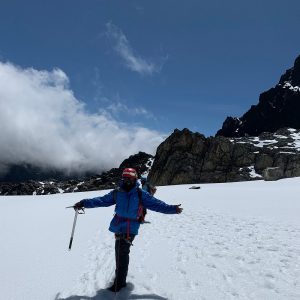
The Rwenzori Mountains present a combination of altitude, difficult terrain and unpredictable weather. Muddy paths, slippery rocks, steep sections and wet conditions can make daily progress physically demanding. A summit attempt on Margherita Peak may also require technical mountaineering skills and specialist equipment.
For many hikers, Kilimanjaro is the more straightforward choice in terms of route infrastructure and summit logistics. The Rwenzori Mountains may be more demanding because of their terrain and environmental conditions, especially for those attempting the highest peak.
However, difficulty is personal. Your fitness, experience, acclimatization, route choice and the weather during your climb will all influence how challenging the experience feels.
If you are a first-time high-altitude hiker, discuss your experience honestly with your tour operator before choosing either mountain. If you are an experienced trekker looking for a more remote and technically demanding expedition, the Rwenzori Mountains may be especially appealing.
Comparing the Scenery of Kilimanjaro and the Rwenzori Mountains
Both mountains offer remarkable scenery, but they appeal to different interests.
Kilimanjaro’s Changing Climatic Zones
Kilimanjaro’s landscape changes noticeably as you climb. The lower slopes feature cultivated land and forest, followed by open moorland, rocky alpine desert and the icy summit environment.
The sense of elevation is one of the mountain’s defining features. As the summit approaches, the surroundings become increasingly stark, and views across the mountain and the plains below can be spectacular when the weather is clear.
The opportunity to experience several ecological zones on one continuous climb is a major reason why Kilimanjaro attracts hikers from across the world.
The Rwenzori Mountains’ Wild Alpine Landscapes
The Rwenzori Mountains are famous for their lush, otherworldly scenery. Moss-covered trees, misty valleys, giant plants and high-altitude wetlands give the range a distinctive character.
The mountain environment can feel especially remote because weather and vegetation frequently limit visibility. When conditions clear, hikers may enjoy dramatic views of ridges, valleys and high peaks.
The Rwenzoris are particularly appealing to travellers who appreciate nature, botanical diversity and less conventional trekking experiences.
Neither destination is universally better. Kilimanjaro is ideal for those drawn to Africa’s highest summit and dramatic changes in elevation, while the Rwenzoris appeal to hikers who want to explore a rugged, green and distinctive mountain ecosystem.
Best Time to Climb Mount Kilimanjaro
The best time to climb Mount Kilimanjaro is generally during the drier periods, particularly from January to early March and from June to October. These months often provide more favourable trekking conditions, although weather can change quickly at high altitude.
June to October is a popular period because it coincides with the drier season in much of northern Tanzania. January and February can also offer favourable climbing conditions, depending on the weather.
The mountain can be climbed outside these periods, but rain, cloud cover and slippery trails may affect the experience. Temperatures near the summit can be extremely low at any time of year.
When planning a Kilimanjaro climb, consider more than the weather. Route availability, the number of days you can spend on the mountain, your fitness and the time needed for acclimatization are equally important.
Best Time to Hike the Rwenzori Mountains
The Rwenzori Mountains can be wet throughout the year, but the relatively drier periods are commonly associated with June to August and December to February. These periods are often preferred for trekking, although rainfall remains possible and mountain conditions can change without warning.
Even during the drier months, you should expect damp trails, muddy sections and cool temperatures. Waterproof hiking boots, layered clothing, rain protection and suitable equipment are essential.
If you plan to climb Margherita Peak, your travel dates should also take into account current glacier conditions, route access, guide recommendations and the technical requirements of the expedition.
Superfine Safaris Limited can help you select a suitable travel period and prepare an itinerary that allows enough time for the planned trek.
Accommodation and Facilities on the Mountains
Accommodation is another difference to consider when comparing Mount Kilimanjaro vs Mount Rwenzori hiking adventures.
On Kilimanjaro, most routes use mountain camps supported by organised crews. The Marangu Route is known for its mountain huts, while routes such as Machame and Lemosho generally use campsites. Your accommodation arrangements will depend on the route and package you select.
On the Rwenzori Mountains, trekkers typically use designated mountain huts or camps along the established trekking routes. Facilities are more basic than those found in towns or safari lodges, and conditions can be damp and cold.
In both destinations, you should be prepared for simple mountain accommodation rather than hotel-style comfort. Before travelling, confirm what your package includes, such as sleeping arrangements, meals, porters, guides, camping equipment and personal gear requirements.
You can enjoy more comfortable accommodation before and after the climb, allowing time to rest, prepare and recover.
Cost of Mount Kilimanjaro vs Mount Rwenzori Hiking Adventures
The cost of climbing either mountain depends on the duration, route, guiding arrangements, accommodation, group size, equipment and additional travel services.
Kilimanjaro packages typically include mountain guides, porters, meals during the climb, park-related charges and camping or hut arrangements, depending on the route. Transfers, accommodation before and after the trek, equipment rental, tips and personal expenses may be charged separately.
Rwenzori trekking costs vary according to the selected route, the length of the expedition, park and guiding arrangements, accommodation, equipment and whether you are attempting Margherita Peak or exploring lower elevations.
A summit expedition generally requires more preparation and equipment than a shorter nature trek. Travellers should ask for a detailed quotation and confirm exactly what is included before making a booking.
The cheapest package is not necessarily the best choice for a high-altitude adventure. Experienced guides, adequate acclimatization time, appropriate equipment and clear safety arrangements are essential.
At Superfine Safaris Limited, we can help you compare itineraries and available options based on your budget, preferred comfort level and climbing goals.
Combining Kilimanjaro Hiking with a Tanzania Safari
One of the advantages of climbing Mount Kilimanjaro is the opportunity to combine the expedition with a wildlife safari in northern Tanzania.
After completing your climb, you could visit Tarangire National Park, known for its elephants and baobab landscapes, or explore the Serengeti, famous for its wildlife and seasonal wildebeest migration. The Ngorongoro Conservation Area offers another rewarding stop, with opportunities to see a wide range of wildlife in its remarkable crater landscape.
Travellers with more time may extend their holiday to Zanzibar for a relaxing beach stay after the physical demands of the mountain.
Superfine Safaris Limited can help arrange a tailor-made Tanzania safari itinerary that combines mountain hiking, wildlife viewing and time to relax. The safari should be planned around your climbing schedule, allowing enough time to recover before beginning long game drives.
Combining Rwenzori Hiking with a Uganda Safari
A Rwenzori hiking adventure can also be combined with some of Uganda’s best wildlife and nature experiences. Queen Elizabeth National Park is a popular addition for travelers interested in elephants, buffaloes, antelopes, hippos and a variety of birdlife. Visitors may also enjoy a boat safari along the Kazinga Channel, where wildlife gathers around the water.
Kibale National Park is an excellent choice for chimpanzee tracking, while Bwindi Impenetrable National Park and Mgahinga Gorilla National Park offer opportunities for mountain gorilla trekking.
The right combination depends on the length of your holiday and your interests. Travelers who want to focus on hiking may prefer a shorter extension, while those visiting Uganda for the first time may choose a longer itinerary incorporating mountain scenery, primates and savannah wildlife.
Since the Rwenzori Mountains are in western Uganda, combining the climb with other western Uganda destinations can be a practical way to experience several attractions in one trip. However, travel times, road conditions and the recovery period after trekking should be considered when planning the route.
Superfine Safaris Limited can coordinate your mountain trek and safari arrangements, helping you make the most of your time in Uganda.
Which Mountain Should You Choose?
The decision between Mount Kilimanjaro and the Rwenzori Mountains comes down to the kind of adventure you want.
Choose Mount Kilimanjaro if reaching Africa’s highest summit is your main goal. It is a good option for travellers who want a well-established trekking experience, a choice of recognised routes and the possibility of combining their climb with Tanzania’s famous wildlife parks.
Choose the Rwenzori Mountains if you are drawn to remote landscapes, unusual alpine vegetation, wet and rugged trails, and a more demanding mountain environment. It is especially appealing to experienced trekkers and nature enthusiasts who want to explore one of Uganda’s most distinctive natural areas.
If you are unsure, consider your fitness, previous hiking experience, travel dates, budget and the number of days available. A realistic itinerary is more valuable than rushing towards a summit without allowing enough time to acclimatise.
Both mountains can deliver unforgettable experiences when approached with proper preparation and suitable guidance.
Why Book Your Mountain Hiking Adventure with Superfine Safaris Limited?
At Superfine Safaris Limited, we understand that a successful mountain adventure involves much more than selecting a destination. You need a suitable route, reliable local arrangements, realistic daily schedules and enough time to enjoy the journey safely.
As a Uganda-based tour operator offering travel experiences across East Africa, we can help you plan a Rwenzori hiking adventure in Uganda or a Kilimanjaro climb in Tanzania. We can also help you incorporate wildlife safaris, gorilla trekking, chimpanzee tracking and other experiences into your holiday, depending on your interests and available time.
Our approach is to tailor each itinerary to the traveller rather than offering a single schedule for everyone. We can discuss accommodation preferences, transport, trip duration and budget before preparing a suitable proposal.
For high-altitude trekking, we encourage travellers to prepare physically, follow their guides’ instructions, allow adequate time for acclimatisation and understand the equipment and safety requirements of their chosen route.
Whether you are dreaming of standing on Uhuru Peak or exploring the remarkable Rwenzori Mountains, Superfine Safaris Limited can help you plan a well-organised East African adventure.
Frequently Asked Questions About Mount Kilimanjaro vs Mount Rwenzori
Is Mount Kilimanjaro higher than Mount Rwenzori?
Yes. Mount Kilimanjaro reaches 5,895 metres at Uhuru Peak, making it Africa’s highest mountain. The highest point of the Rwenzori Mountains is Margherita Peak on Mount Stanley, at approximately 5,109 metres.
Which is harder to climb, Kilimanjaro or the Rwenzori Mountains?
Both are challenging, but in different ways. Kilimanjaro is mainly a high-altitude trekking challenge, while the Rwenzori Mountains involve rugged, often wet terrain and potentially technical climbing on the route to Margherita Peak. The difficulty depends on the route, weather, fitness and experience.
Can beginners climb Mount Kilimanjaro?
Beginners can attempt Kilimanjaro if they prepare properly, choose a suitable route and allow enough time for acclimatisation. Previous hiking experience is helpful, and good fitness is important. However, no level of fitness guarantees that a climber will avoid altitude-related illness or reach the summit.
Do I need technical climbing experience for the Rwenzori Mountains?
Not necessarily for every Rwenzori trek. Lower-elevation hikes and some routes do not require the same technical skills as a Margherita Peak expedition. Reaching Margherita Peak may involve technical mountaineering, specialist equipment and experienced guides. Confirm the current requirements for your intended route before booking.
How many days do I need to climb Mount Kilimanjaro?
Many Kilimanjaro itineraries take approximately five to nine days on the mountain, depending on the route and acclimatisation plan. Longer routes generally allow more time to adjust to altitude and experience the mountain.
How long does it take to climb the Rwenzori Mountains?
The duration depends on your objective. A shorter trek may explore the lower mountain zones, while a Margherita Peak expedition typically requires several days of trekking and acclimatisation. Your route, pace, weather and current mountain conditions will influence the schedule.
Can I combine mountain hiking with a wildlife safari?
Yes. A Kilimanjaro climb can be combined with wildlife destinations such as Serengeti, Tarangire and Ngorongoro. A Rwenzori trek can be combined with Queen Elizabeth National Park, Kibale National Park or a gorilla trekking destination in Uganda. The best combination depends on your available time and travel priorities.
When should I book my hiking adventure?
Booking in advance is advisable, particularly if you have fixed travel dates, prefer a specific route or plan to travel during popular climbing periods. Early planning also gives you time to prepare physically, organise equipment and arrange any additional safari activities.
Plan Your Mount Kilimanjaro or Rwenzori Hiking Adventure
Choosing between Mount Kilimanjaro and the Rwenzori Mountains is the beginning of an exciting East African journey. Whether your ambition is to reach the highest point in Africa or explore Uganda’s rugged Mountains of the Moon, the right itinerary can make your experience more rewarding.
Contact Superfine Safaris Limited to discuss your preferred mountain, travel dates, hiking experience and budget. We will help you explore suitable climbing options and, if you wish, combine your mountain adventure with a wildlife safari, gorilla trekking or other East African experiences.
Let us help you plan a mountain adventure that matches your goals and gives you the opportunity to experience East Africa beyond its famous wildlife destinations.