
Mount Kenya hiking is the ultimate high-altitude adventure in East Africa a UNESCO World Heritage site and the continent’s second-highest mountain, rising to 5,199 metres above sea level and offering everything from straightforward trekking routes to serious technical climbing. Located 175 kilometres north of Nairobi, Mount Kenya draws hikers, mountaineers and wildlife enthusiasts year-round, with its dramatic twin peaks, giant groundsels, moorland lakes and resident wildlife making every ascent unique.
The Three Peaks of Mount Kenya
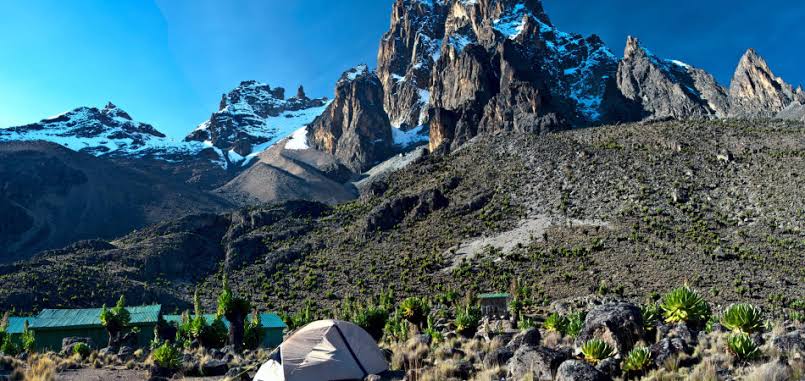
Mount Kenya has three main summits. Batian (5,199 m) and Nelion (5,188 m) are technical climbing peaks requiring rock-climbing skills, ropes and a qualified guide. Point Lenana (4,985 m) is the trekking summit, accessible to fit hikers without technical climbing experience. Most visitors aim for Point Lenana; summiting at dawn to watch the sun rise above the clouds of the Rift Valley is one of Kenya’s most memorable experiences.
Trekking Routes of Mount Kenya
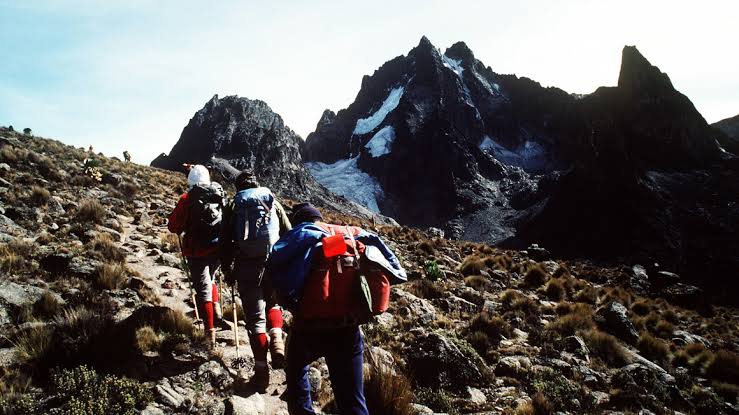
Four main routes lead to Point Lenana. The Sirimon Route (north-west) is the most popular: gradual gradients, reliable wildlife sightings in the bamboo zone and excellent acclimatisation options via the Mackinder Valley. The Chogoria Route (east) is widely considered the most scenic, passing through the Hall Tarns and Lake Michaelson before the dramatic final climb. The Naro Moru Route (west) is the fastest and steepest — most direct but hardest on the body. The Burguret Route (south-west) is the quietest and least developed, popular with climbers heading for Batian.
Most trekkers combine routes for variety, entering on Sirimon and descending via Naro Moru, or ascending Chogoria and descending Sirimon. Allow a minimum of four days for any route to build in adequate acclimatisation time.
Point Lenana — The Trekking Summit
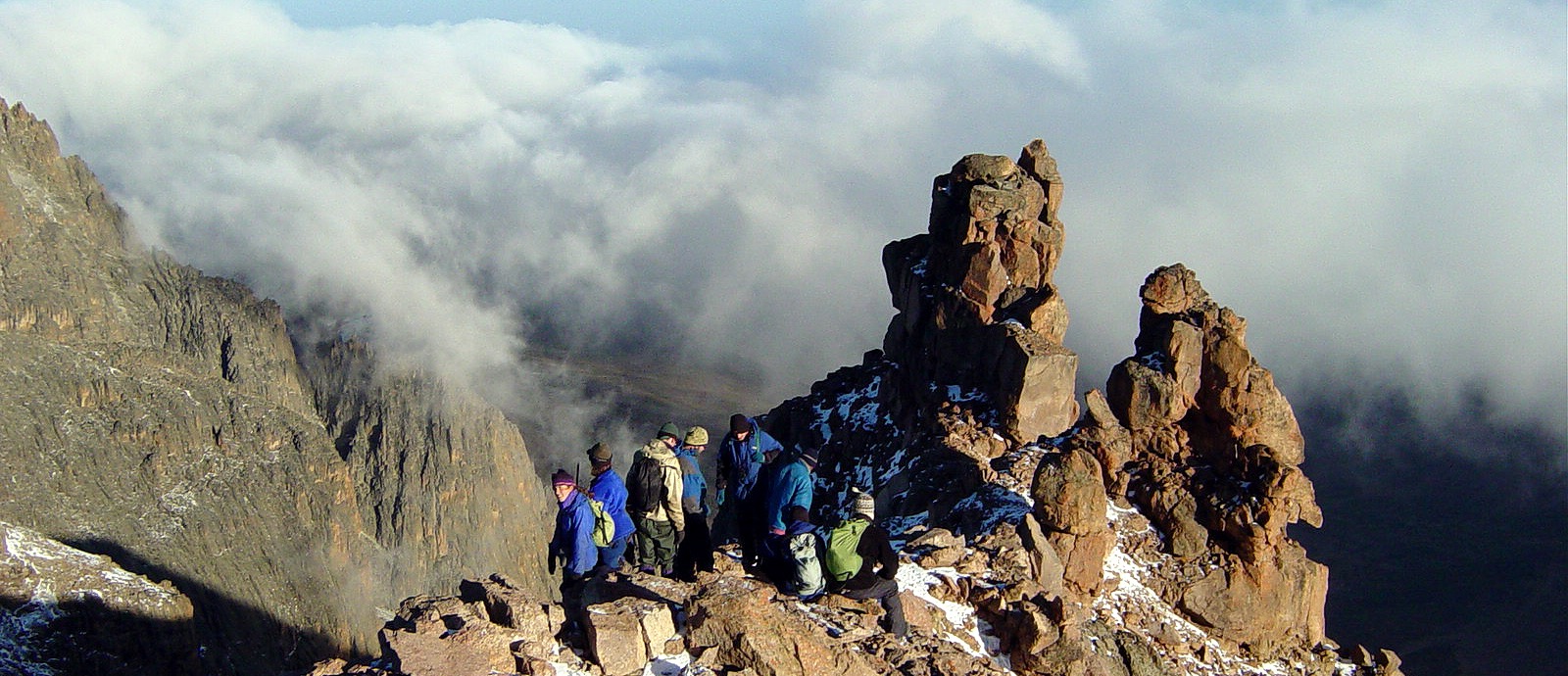
The standard Point Lenana attempt departs Shiptons Camp (4,200 m) at 02:00–03:00 for a pre-dawn summit bid. The climb takes 3–4 hours on a well-worn scree and boulder path, with a fixed rope on the final rocky section. At the top, the view extends over the summit glaciers to the plains far below, with Kilimanjaro sometimes visible on the southern horizon and Mount Meru to the south-west on very clear days.
Altitude is the main challenge. Acute Mountain Sickness (AMS) affects a significant proportion of trekkers who ascend too quickly. The golden rule: climb high, sleep low. Spend at least one acclimatisation night at around 3,400–3,800 m before attempting the summit camp.
Technical Climbing — Batian and Nelion
The twin peaks of Batian and Nelion offer some of the finest rock climbing in Africa, with routes ranging from moderate (Grade IV) to extreme (Grade VI) on solid granite. The most popular technical route is the Normal Route on Nelion, a Grade V climb of roughly 8 hours return from Shiptons Camp. Batian requires a further traverse via the Gate of the Mists, adding several hours and significantly more difficulty.
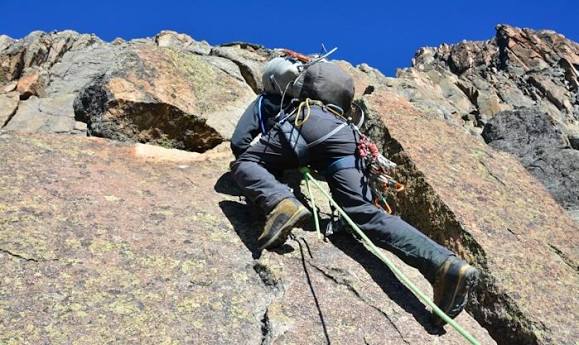
Technical climbing on Mount Kenya demands prior big-wall experience, acclimatisation to altitude and a Kenya-registered mountain guide. Equipment — ropes, harnesses, cams and nuts — should be brought from home as rental options are limited in Nanyuki. Snow and ice on the upper faces can make routes significantly more committing from June to September.
Wildlife on Mount Kenya
The lower forest zones of the mountain are home to elephant, buffalo, giant forest hog, black-and-white colobus monkey and bongo — the rare spiral-horned antelope most easily seen on the Chogoria side. As you climb through bamboo into the moorland, look out for eland, zebra and the rock hyrax, which is ubiquitous around all the high huts and camps. Above 4,000 m, the mountain is quieter for mammals, but ravens, alpine chats and sunbirds visit the summit zone.
The park is also worth combining with Ol Pejeta Conservancy to the west — see our Ol Pejeta guide — or Samburu National Reserve two hours north, which offers a completely different arid-zone wildlife experience.
Best Time to Climb Mount Kenya
Mount Kenya can be climbed year-round, but two dry seasons offer the best summit conditions. The main dry season runs from late June to October — cold and clear, with firm snow and ice on the upper glaciers. The short dry season from January to mid-March is often warmer and drier, with wildflowers in bloom across the moorland. Avoid the long rains (April–June) and short rains (November–December) if possible, as cloud and wet trail conditions make summit attempts harder and less rewarding.
Permits, Guides and Costs
All trekkers require a Kenya Wildlife Service (KWS) permit, purchased at the park gates. Fees in 2025 are USD 70 per day for non-residents and KES 1,000 for East African citizens. A licensed mountain guide is mandatory for all routes above the park gate; guides are available through agencies in Nanyuki or can be arranged in advance through a licensed operator. Budget USD 800–1,400 per person for a full four-to-five-day guided trek including guide, porter, hut or camping fees and meals.
Getting to Mount Kenya from Nairobi
Nanyuki is the main gateway town, 175 kilometres from Nairobi on good tarmac — a 2.5–3 hour drive. The Sirimon Gate is 13 km from Nanyuki on a dirt track; Chogoria Gate is 25 km from Chogoria town on the eastern side. Matatus run frequently between Nairobi’s country bus station and Nanyuki. Check the drive time between Kenya’s top safari destinations to plan your connections efficiently. Many climbers combine Mount Kenya with a Masai Mara safari before or after, or add the wildebeest migration if timing allows.
Combining Mount Kenya with Other Destinations
The mountain sits at the heart of a rich cluster of Kenya destinations. Ol Pejeta Conservancy and its northern white rhinos lie 50 kilometres west of Nanyuki — easy to visit before or after the climb. Samburu National Reserve is 3 hours north, offering elephant, reticulated giraffe and Grevy’s zebra in dramatic desert scenery. To the south, Hell’s Gate National Park and Nairobi National Park provide shorter wildlife fixes en route back to the capital.
For the best day trips from Nairobi that include Mount Kenya-area stops without a full climb, see our dedicated guide. Alternatively, ambitious trekkers can extend their itinerary to Mount Meru in Tanzania as excellent acclimatisation before a Kilimanjaro attempt.
Practical Tips
- Minimum fitness: Point Lenana requires strong aerobic fitness but no technical skill
- Clothing: Temperatures at the summit can reach -15 C; bring a down jacket, waterproofs, gloves and a balaclava even in the dry season
- Altitude medication: Consult a doctor about Diamox (acetazolamide) before departure
- Accommodation: Mountain huts (KMC and Shiptons) or tents; book huts in advance through the Kenya Mountain Club or your guide agency
- Water: Streams are clean above the forest zone but treat with purification tablets or a filter to be safe
- Cell signal: Safaricom coverage as far as Shiptons Camp; beyond that, satellite communication only
Our Kenya safari packing list covers the gear essentials for any Kenya trip. If you still need your visa or eTA, the Kenya tourist visa guide for 2027 walks through the full application process step by step.
Related Kenya Safari & Hiking Guides
- Masai Mara Safari Guide 2027
- Ol Pejeta Conservancy & Northern White Rhino
- Samburu National Reserve
- Best Day Trips from Nairobi
- Nairobi City Tour Guide
- Mount Meru Hiking Guide (Tanzania)
- Wildebeest Migration Masai Mara
- Hell’s Gate National Park Kenya
- Nairobi National Park Guide
- Kenya Safari Packing List
- Kenya Tourist Visa & eTA 2027
- Kenya Safari Travel Tips 2027
Plan Your Mount Kenya Climb
Superfine Safaris arranges guided treks to Point Lenana and technical climbs of Batian and Nelion, combined with wildlife safaris across Kenya. Get in touch for a tailor-made itinerary.
Plan Your Mount Kenya Trek
We organise guided treks to Point Lenana and technical climbs of Batian and Nelion, combined with safaris across Kenya and Tanzania.
Key Facts
| Highest Trekking Peak | Point Lenana 4,985 m |
| Highest Technical Peak | Batian 5,199 m |
| Distance from Nairobi | 175 km (~3 hr) |
| Minimum Duration | 4 days (Point Lenana) |
| Entry Fee (non-resident) | USD 70 per day |
| Best Season | Jul–Oct & Jan–Mar |
| Guide Required | Yes, all routes |