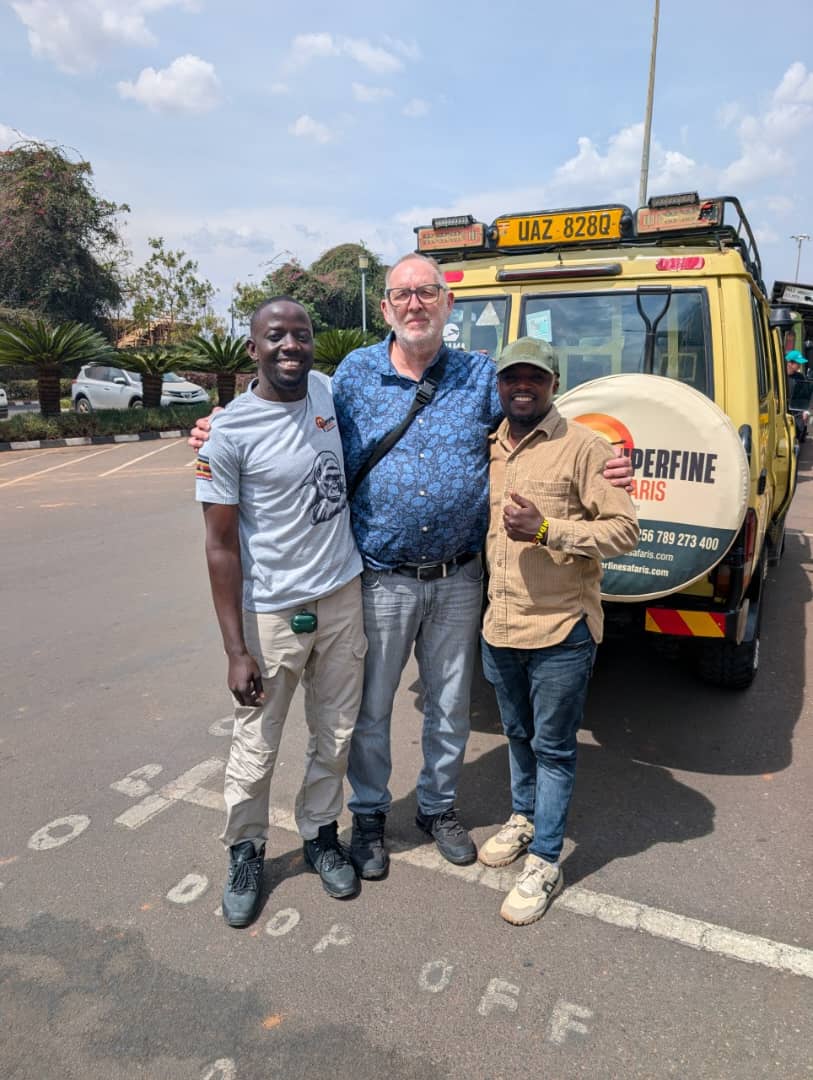
Are LGBTQ travellers safe in Uganda? This is an important question for gay, lesbian, bisexual, transgender and queer visitors considering a holiday, business trip or safari in the country. Uganda is internationally known for mountain gorilla trekking, wildlife safaris, beautiful landscapes and warm hospitality. However, the country’s legal position on same-sex relationships creates serious concerns for LGBTQ travellers who may be considering visiting.
LGBT travelers in Uganda face a legal environment that is among the most restrictive in the world, and anyone considering a Uganda safari needs to understand the situation clearly before booking. This is not a topic to gloss over or reassure away.
At the same time, Uganda remains one of Africa’s most extraordinary wildlife destinations, home to half the world’s mountain gorillas, the most diverse bird list of any continental African country, and national parks that consistently rank among the finest on the continent. Many LGBT travelers do visit Uganda each year for gorilla trekking and safari and return home safely. This guide gives you the honest, practical information you need to make your own informed decision.
The Legal Reality for LGBT Travelers in Uganda
Uganda’s Anti-Homosexuality Act, signed into law in May 2023, is one of the most severe anti-LGBT laws enacted anywhere in the world in recent decades. The law criminalises same-sex sexual conduct with penalties of up to life imprisonment. A category of “aggravated homosexuality” — defined to include acts involving minors, persons with disabilities, or repeat offences — carries the death penalty. The law also criminalises the promotion, funding, or facilitation of homosexuality, with penalties for anyone deemed to be encouraging same-sex relationships.
The Act was widely condemned by international governments, human rights organisations, and development institutions. Several donor countries suspended or redirected aid programmes. The United States, United Kingdom, and European Union all issued updated travel advisories for Uganda following the law’s passage, explicitly noting heightened risk for LGBT travelers in Uganda. These advisories remain in effect and should be read in full before making a booking decision. We recommend checking your own government’s current travel advisory for Uganda — the UK Foreign Commonwealth and Development Office (FCDO), the US State Department, and equivalent agencies in other countries all publish regularly updated guidance.
What the Law Means in Practice for Foreign Tourists
The Anti-Homosexuality Act is primarily directed at Ugandan citizens and has been enforced primarily against Ugandan nationals rather than foreign tourists. Uganda’s tourism industry, including gorilla trekking, which generates significant foreign exchange revenue, is an important part of the national economy, and the Ugandan government is aware that discriminatory enforcement against international visitors would damage that industry. In practice, LGBT travelers in Uganda on safari — staying in lodges, doing game drives, taking boat cruises — are not the primary target of the law’s enforcement.
That said, the law exists, it is enforceable against anyone on Ugandan territory regardless of nationality, and the legal risk is real. The key distinction that most experienced travel advisors draw is between discrete private behaviour and any kind of public display or expression. LGBT travelers in Uganda who travel as individuals or as couples without public displays of affection, who do not engage in any visible LGBT advocacy or activity, and who stay within the structured environment of a wildlife safari — lodges, game drive vehicles, national park areas — have been visiting Uganda for years without legal incident. This is an assessment of practical risk, not a legal guarantee.
Practical Safety Guidance for LGBT Travelers in Uganda
Discretion in Public
The single most important practical guidance for LGBT travelers in Uganda is to avoid any public display of affection or any behaviour that would identify you or your companion as a same-sex couple to strangers. This applies in Entebbe, Kampala, Masindi, and any urban or public setting, as well as at park gates, airstrips, and in interactions with people outside the managed lodge environment. Same-sex couples travelling together are not unusual in a safari context — two friends sharing a vehicle or a table is entirely unremarkable — and the safari itself provides a relatively private and contained environment.
Lodge and Accommodation
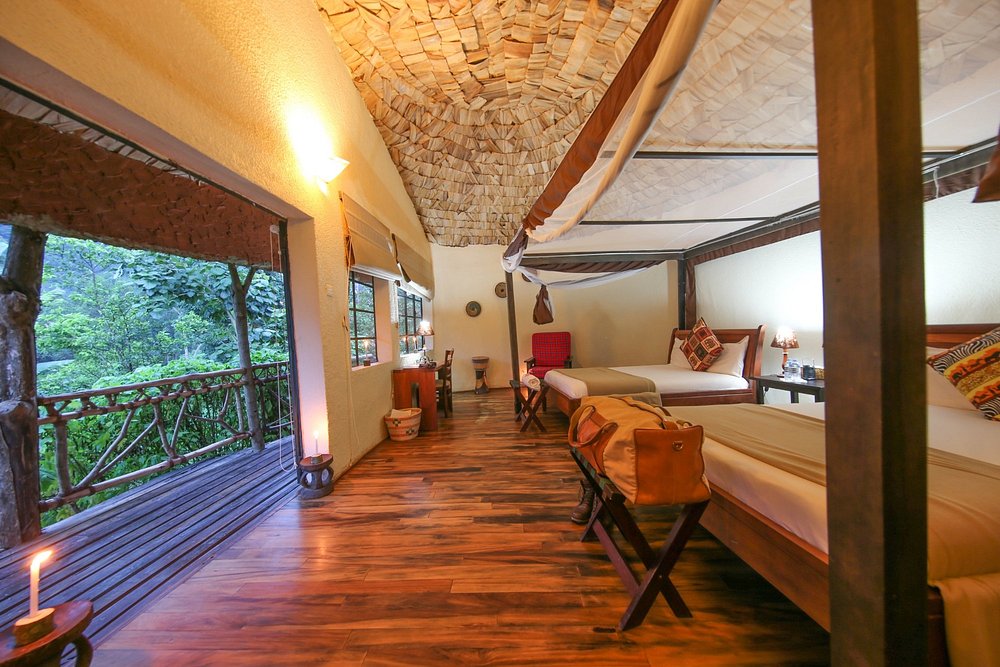
Same-sex couples booking a double room at lodges in Uganda’s national parks are unlikely to face any issue in practice. The major lodge operators in Uganda — including those at Bwindi, Kibale, Murchison Falls, and Queen Elizabeth — operate within an international tourism framework and are accustomed to international guests. That said, it is worth being aware that some smaller, locally managed guesthouses or budget camps may operate within a more socially conservative context. For LGBT travelers in Uganda, booking through a reputable tour operator who has pre-vetted the accommodation and can flag any sensitivities in advance is a meaningful practical advantage.
Avoid Urban Areas and Social Venues
The risk profile for LGBT travelers in Uganda is significantly higher in urban areas — particularly Kampala — than in the national parks and safari lodges. Social venues, bars, and public spaces in the city carry greater exposure than a wildlife safari environment. If your Uganda itinerary includes a Kampala stopover, keeping a low profile and avoiding any social situation that could attract attention is advisable. The transit between Entebbe airport and your onward destination is typically smooth and unremarkable.
Do Not Carry or Display LGBT Materials
The Anti-Homosexuality Act’s provisions on “promotion” of homosexuality mean that carrying visible LGBT materials — flags, badges, branded clothing, advocacy literature — creates a legal risk beyond what personal behaviour alone would create. LGBT travelers in Uganda should be careful about what they carry and what is visible in their luggage, on their person, or on their devices in situations where others may see it.
Know Your Embassy’s Contact Details
All travelers to Uganda — and particularly those in a legally vulnerable position — should register with their country’s embassy in Kampala before travel and keep consular contact details accessible throughout the trip. If anything goes wrong, your embassy is your first point of contact. Major embassies in Kampala include those of the United States, United Kingdom, Germany, France, and the European Union, among others. Most have 24-hour emergency consular lines.
How Uganda Compares to Other East African Destinations
Uganda is not the only East African country with restrictive laws on same-sex relationships, but it is currently the most severe. Kenya, Tanzania, and Rwanda all criminalise same-sex conduct under various statutes, though none have enacted legislation as explicit or as heavily penalised as Uganda’s 2023 Act. Rwanda in practice has the most tolerant social environment of the four countries and does not actively enforce its colonial-era laws against same-sex conduct; it is widely considered the most LGBT-friendly destination in the region, though legal protection remains absent. Kenya and Tanzania fall between Rwanda and Uganda in terms of legal severity and enforcement.
For LGBT travelers who want to experience East Africa’s wildlife but are uncomfortable with Uganda’s legal environment, Rwanda offers mountain gorilla trekking at Volcanoes National Park within a comparatively more relaxed social context. The gorilla trekking experience in Rwanda is genuine and excellent, a different character from Uganda’s but equally worthwhile — and Rwanda’s overall environment is more predictable for international LGBT travelers. This is a real alternative worth considering.
Making the Decision: Is Uganda Worth It for LGBT Travelers?
This is a question only you can answer, and it deserves a straightforward framing rather than a sales pitch. Uganda is home to experiences , gorilla trekking in Bwindi, chimpanzee trekking in Kibale, the Nile at Murchison Falls, the birding circuit across the Albertine Rift — that are genuinely irreplaceable. Some of those experiences exist nowhere else on Earth. At the same time, the legal environment for LGBT travelers in Uganda is real, it is serious, and the risk, however manageable in a safari context for discrete travellers, cannot be reduced to zero.
The travelers who have consistently reported safe experiences in Uganda are those who: book through a reputable operator with established lodge relationships and vetted ground arrangements; stay within the safari environment rather than venturing into social spaces in cities; travel discretely without public displays of affection; and treat the trip as a wildlife safari rather than an opportunity for any form of social expression. If those conditions feel comfortable and workable, Uganda’s wildlife rewards them fully. If they feel like too significant a constraint on how you want to travel, Rwanda’s gorilla trekking and Rwanda safari offer a compelling and more relaxed alternative.
We do not make this decision for our clients. We give honest information and design itineraries that work safely for everyone who travels with us. If you are an LGBT traveler considering Uganda and want to discuss the specifics of your itinerary, the lodges we work with, and the practical arrangements that experienced operators put in place, contact us directly and we will give you a candid conversation rather than a marketing response.
Frequently Asked Questions About LGBTQ Travel in Uganda
Is Uganda safe for gay tourists?
Uganda presents significant legal and social risks for gay tourists. Same-sex sexual activity is criminalised, and certain offences carry severe penalties. Gay visitors should carefully consider the risks before travelling.
Can lesbians visit Uganda?
Lesbian visitors can enter Uganda subject to the country’s immigration requirements, but same-sex sexual activity involving women is also criminalised. Lesbian travellers should understand the legal environment and potential risks before visiting.
Can gay couples travel together in Uganda?
Gay couples may travel together, but doing so does not exempt them from local laws. Same-sex relationships are not legally recognised, and public displays of affection can create legal and personal safety concerns.
Is homosexuality illegal in Uganda for foreigners?
Uganda’s Anti-Homosexuality Act applies to visitors as well as residents. Foreign nationality does not automatically exempt someone from its provisions.
Can LGBTQ travellers go gorilla trekking in Uganda?
International visitors can participate in Uganda’s gorilla trekking tourism activities, subject to applicable regulations and permit requirements. However, participation in tourism activities does not remove the legal and social risks LGBTQ travellers may face in the country.
Are hotels in Uganda welcoming to gay couples?
Accommodation policies and individual experiences vary. Travellers should not assume that every hotel or safari lodge has LGBTQ-inclusive policies or can guarantee protection from discrimination.
Is public affection between gay couples allowed in Uganda?
Same-sex public displays of affection can expose visitors to unwanted attention and legal difficulties. Official foreign travel advisories warn against same-sex public displays of affection.
Has Uganda’s Anti-Homosexuality Act been cancelled?
No. In April 2024, Uganda’s Constitutional Court upheld most of the Anti-Homosexuality Act, 2023, while declaring four specific provisions unconstitutional. The remaining legislation continues to have serious implications for LGBTQ people.
Final Thoughts: Should LGBTQ Travellers Visit Uganda?
Uganda offers extraordinary wildlife, landscapes and cultural experiences. From mountain gorilla trekking in Bwindi to wildlife safaris in Murchison Falls and Queen Elizabeth National Parks, the country has much to offer international visitors.
However, the question of whether LGBTQ travellers are safe in Uganda cannot be separated from the country’s legal environment and social attitudes towards same-sex relationships.
The Anti-Homosexuality Act, 2023, continues to create significant legal risks for LGBTQ people, including international visitors. Discrimination, harassment, blackmail and potential violence are additional concerns that should not be overlooked.
Anyone considering a visit should obtain current travel advice, understand the applicable laws and carefully assess their personal circumstances before making a decision.
Responsible travel planning begins with understanding both the attractions of a destination and the challenges visitors may encounter. For LGBTQ travellers, having accurate information before booking a holiday or safari in Uganda is particularly important.