Birding Tours in Nyungwe Forest Park
Birding safaris in Nyungwe Forest National Park offer an exceptional opportunity to explore one of Africa’s richest montane rainforests through the lens of birdlife. For travellers seeking rare species, endemic birds, and immersive forest experiences, Nyungwe stands out as Rwanda’s leading birding destination. Situated in southwestern Rwanda, Nyungwe Forest National Park protects one of the largest remaining blocks of montane rainforest in East Africa. The park lies within the Albertine Rift, a globally recognised biodiversity hotspot known for high levels of endemism.
Nyungwe’s complex landscape of forested ridges, bamboo zones, valleys, and wetlands creates ideal conditions for forest bird species, making it a prime destination for birding safaris in Rwanda.
Why Nyungwe Is a Premier Birding Safari Destination
Albertine Rift Endemics
Nyungwe is especially important for birders seeking Albertine Rift endemic species that are difficult to find elsewhere. These birds are restricted to a narrow ecological zone, increasing their conservation and birding value.
Dense, Intact Forest Habitat
Unlike open savannah parks, Nyungwe offers true rainforest birding. Many species are shy, vocal, and highly specialised, rewarding patient birders with unique sightings and sounds.
Expert Local Guiding
With knowledgeable guides from Superfine Safaris Limited, birders benefit from expert identification skills, local knowledge of bird calls, and carefully selected trails based on target species.
Bird Species in Nyungwe Forest National Park
Below is a curated list of notable bird species commonly targeted or recorded during birding safaris in Nyungwe Forest National Park:
Albertine Rift Endemic & Near-Endemic Species
- Red-collared mountain babbler
- Rwenzori turaco
- Regal sunbird
- Strange weaver
- Handsome francolin
- Mountain masked apalis
- Grauer’s swamp warbler
Forest Specials & Highlights
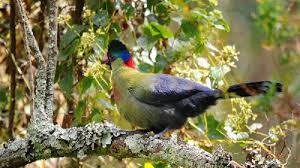
- Great blue turaco
- Red-throated alethe
- Yellow-eyed black flycatcher
- Mountain sooty boubou
- Archer’s robin-chat
- Blue-headed sunbird
- Dusky crimsonwing
Commonly Seen Forest Birds
- White-headed wood hoopoe
- Variable sunbird
- Yellow-whiskered greenbul
- Grey apalis
- African emerald cuckoo
- Olive pigeon
Species diversity varies by altitude, habitat, and season, making multi-day birding safaris particularly rewarding.
Best Birding Areas in Nyungwe Forest National Park
Bigugu Ridge
This high-altitude forest zone is excellent for endemic and montane species. Slow-paced hikes along the ridge often produce rewarding sightings for experienced birders.
Kamiranzovu Swamp
A key wetland habitat within Nyungwe, this area supports swamp specialists rarely found elsewhere in the park and adds habitat diversity to birding itineraries.
Uwinka Forest Zone
The area surrounding Uwinka is ideal for early-morning birding walks and offers consistent sightings of turacos, greenbuls, and forest sunbirds.
Superfine Safaris Limited selects birding areas based on your interests, fitness level, and target species.
Best Time for Birding Safaris in Nyungwe Forest National Park
Birding safaris in Nyungwe Forest National Park can be enjoyed throughout the year, but optimal conditions are usually during December to February and June to September. These drier months offer easier forest walks and clearer views. The wetter seasons, however, can be excellent for bird vocal activity and breeding displays. Early morning remains the most productive time for birdwatching.
What to Expect on a Birding Safari with Superfine Safaris Limited
When you book a Nyungwe birding safari with Superfine Safaris Limited, you can expect:
- Custom-designed birding itineraries
- Expert local bird guides
- Flexible pacing focused on bird activity
- Early starts to maximise sightings
- Optional extensions to chimpanzee trekking or canopy walks
Our birding safaris are designed to balance serious birdwatching with comfort and smooth logistics.
What to Pack for Birding in Nyungwe
Essential items for birding safaris in Nyungwe Forest National Park include:
- Binoculars (good low-light performance recommended)
- East Africa bird field guide
- Waterproof hiking boots
- Light rain jacket
- Neutral-coloured clothing
- Camera with zoom lens
- Notebook or birding app for sightings
Nyungwe’s rainforest climate means sudden rain showers are always possible.
Combine Birding with Other Rwanda Safari Experiences
Many travellers choose to combine birding safaris in Nyungwe Forest National Park with
- Chimpanzee trekking in Nyungwe
- Gorilla trekking in Volcanoes National Park
- Cultural tours and community visits
- Scenic travel along Lake Kivu
Superfine Safaris Limited specialises in tailor-made Rwanda safaris that blend birding with primate and cultural experiences. The 8 Days Rwanda gorillas and wildlife safari is the best for you to explore the best of Rwanda
Why Choose Superfine Safaris Limited for Nyungwe Birding Safaris?
Superfine Safaris Limited offers:
- Experienced birding and nature guides
- Personalised safari planning
- In-depth local knowledge
- Reliable transport and logistics
- Competitive pricing with high service standards
We focus on creating authentic, conservation-conscious birding safaris that meet the expectations of both beginner and expert birders.
Plan Your Birding Safari in Nyungwe Forest National Park
Birding safaris in Nyungwe Forest National Park reveal a side of Rwanda that few travellers experience a world of rare forest birds, misty ridges, and ancient rainforest ecosystems.
Contact Superfine Safaris Limited today to begin planning your customised Rwanda birding safari and explore Nyungwe Forest National Park with expert guidance and attention to detail.
Nyungwe’s Albertine Rift Endemic Birds
Nyungwe Forest sits within the Albertine Rift — the biodiversity hotspot running along the western branch of the Great Rift Valley — and holds 29 bird species found nowhere outside this zone. For serious birders, this makes Nyungwe one of the most important single sites on the continent. Key targets include the African green broadbill, one of Africa’s most sought-after forest species, which is found regularly in the mid-altitude forest around Gisakura. The Ruwenzori turaco — an extraordinary crested bird with crimson wing patches visible in flight — is commonly seen along most trail edges. The red-collared mountain babbler, Grauer’s warbler, Kungwe apalis, and Shelley’s crimsonwing complete the top-tier target list.
Best Birding Spots in Nyungwe
The Uwinka ridge and the trail to the canopy walk are the most productive general birding areas, with excellent visibility into the mid-canopy and regular sightings of turacos and broadbills at dawn. The Gisakura forest edge and tea plantation boundary attract species that prefer the forest-open habitat interface — including sunbirds, flycatchers, and weavers not found deeper in the forest. The Isumo waterfall trail passes through riparian forest that hosts specialist species including malachite kingfisher, African fish eagle, and various marsh-associated warblers. The canopy walk platforms at 70 metres elevation give the rarest perspective of all — upper canopy species at eye level.
Guided Birding vs Self-Guided
A specialist birding guide makes an enormous difference at Nyungwe. The park’s dense montane forest means most species are heard before they are seen, and the ability to locate a singing bird quickly — by ear, then by movement — separates a 30-species day from a 90-species day. The Rwanda Development Board maintains a team of trained birding guides at both Uwinka and Gisakura. For dedicated birding tours targeting the full Albertine Rift endemic list, a specialist ornithological guide from Kigali is worth arranging in advance through your safari operator. Contact us to arrange a birding-focused Nyungwe itinerary combining birding days with chimpanzee trekking and the canopy walk.
Best Time for Birding in Nyungwe
Nyungwe birding is excellent year-round, but the wet seasons (March to May and October to November) bring the highest bird activity as resident species breed and Palearctic migrants are present. The dry season (June to September) offers better trail conditions and clearer skies for photography, and the lack of rain makes it easier to hear and locate singing birds. Dawn — the first two hours after sunrise — is the most productive time regardless of season. Plan to be on the trail by 6am for the best results.