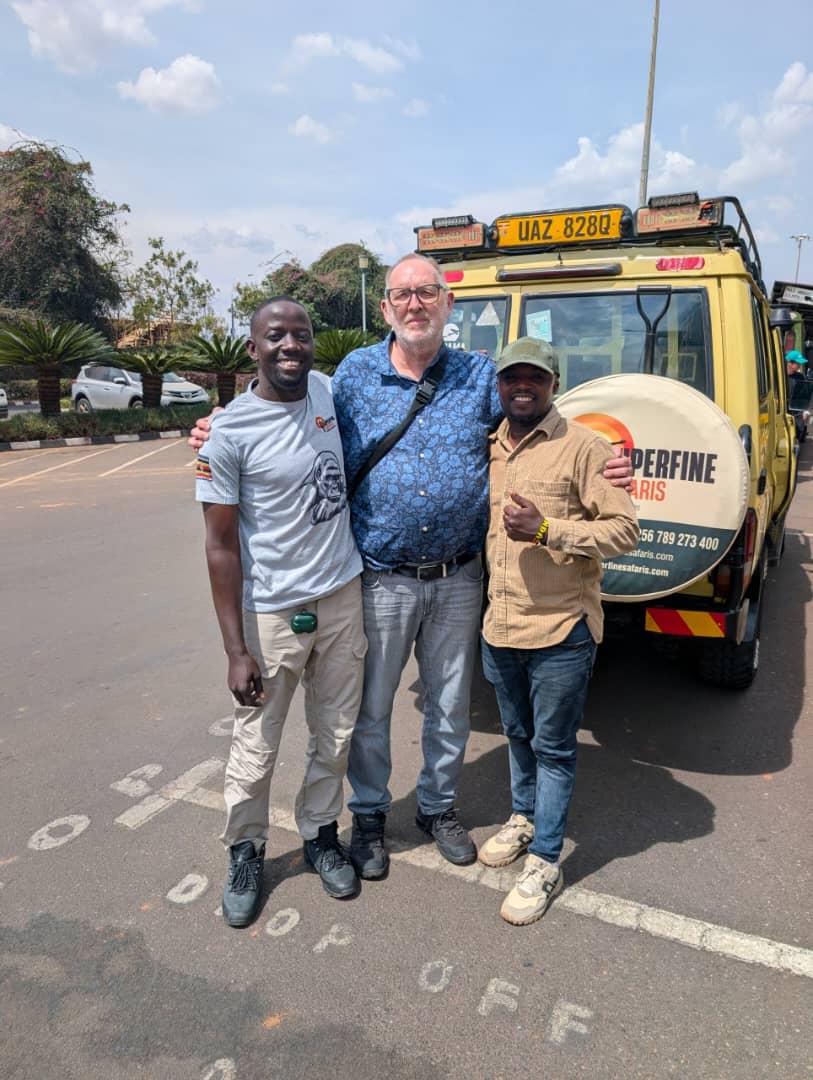
What are the road conditions in Uganda is one of the common questions asked by travelers planning Uganda safaris. Well, the road conditions in Uganda largely depend on where you are traveling to. Uganda has a mixture of paved highways, gravel and murram roads, rural roads and rougher tracks inside national parks. While the main highways connecting Kampala with major towns are generally paved, many roads leading from the highways to national parks, lodges and remote communities are unpaved.
At Superfine Safaris Limited, we plan our safari routes with road conditions, weather, driving distances and the location of your accommodation in mind. This helps us create realistic itineraries rather than simply calculating distances from one destination to another.
For most travelers, Uganda’s roads are perfectly manageable with a properly equipped safari vehicle and an experienced driver-guide. In fact, traveling by road is one of the best ways to experience Uganda’s countryside, villages, mountains, forests and wildlife.
Are the Roads in Uganda Good?
Yes, many of Uganda’s major roads are in good condition, but road quality varies considerably. Uganda’s national road network includes both paved and unpaved roads. Government road-condition statistics have historically shown a much higher proportion of roads in good or fair condition within the national-road network than among district, municipal and community roads.
For a tourist, the important distinction is between main highways and safari access roads. The major highways connecting Kampala with places such as Mbarara, Kabale, Fort Portal and Gulu are largely paved. Once you turn towards a national park, however, the road may change to murram, gravel or dirt.
This is particularly common when traveling to remote safari destinations and some gorilla trekking sectors.
Understanding Uganda’s Different Road Surfaces
Knowing the different types of roads you may encounter makes planning a Uganda safari much easier.
- Tarmac Roads
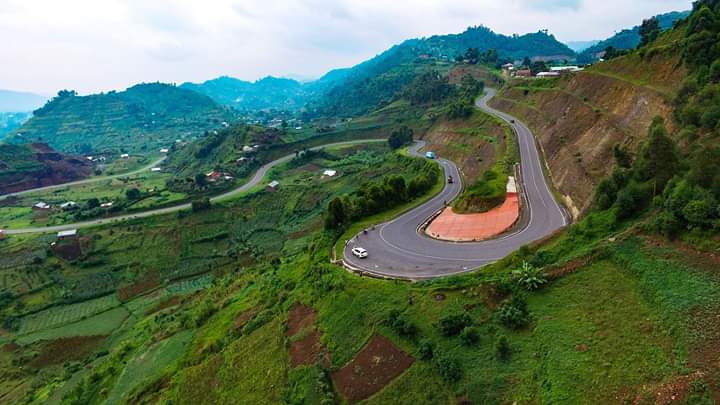 Tarmac roads are the main paved highways connecting Uganda’s major towns and cities. These roads generally provide the most comfortable and predictable driving conditions. However, traffic, roadworks, motorcycles, pedestrians, trucks and occasional potholes can still affect driving times.
Even on a good tarmac road, your driver may need to reduce speed when approaching towns, bends, junctions or busy trading centres.
- Murram Roads
Murram roads are extremely common outside Uganda’s main urban areas. They are made from compacted laterite or gravel and can be reasonably smooth during dry weather. Some sections can become dusty and corrugated, while heavy rain can create potholes, mud and slippery surfaces.
Many approaches to Uganda’s safari destinations involve some amount of murram road.
- Dirt and Rural Roads
Smaller roads connecting villages, lodges and remote communities may be unpaved.
Their condition can change depending on rainfall, maintenance and traffic. A road that is easy to drive in the dry season may require considerably more time after heavy rain.
- National Park Tracks
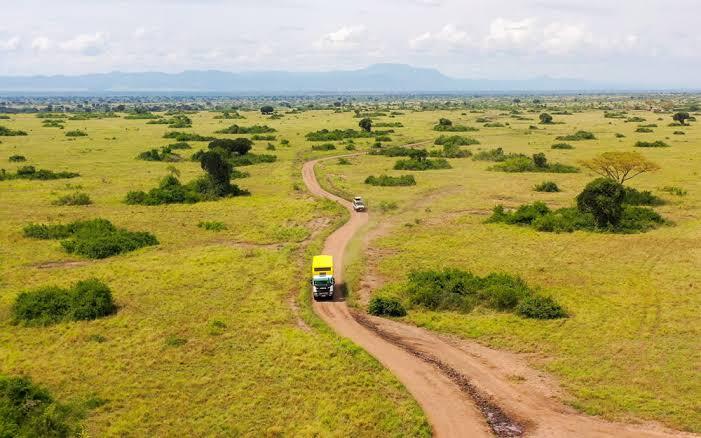 Game-drive roads inside Uganda’s national parks are different from normal roads. They are designed primarily for wildlife viewing and access rather than high-speed transportation. Some are broad and relatively smooth, while others are narrow, rocky, sandy, muddy or uneven.
This is one of the main reasons Superfine Safaris recommends suitable 4×4 safari vehicles for Uganda wildlife and gorilla safaris.
Are Roads to Uganda’s National Parks Paved?
Not always. This is an important point for travellers planning a safari.
You may spend several hours traveling on a comfortable paved highway before turning onto a smaller unpaved road leading to your lodge or national park.
For example, the journey to Bwindi can involve good paved roads for much of the route before reaching mountainous and more challenging approaches to individual trekking sectors.
Similarly, journeys to Murchison Falls, Queen Elizabeth and other parks can involve a mixture of paved roads and unpaved roads.
Therefore, “the road is paved” does not necessarily mean that your entire journey to the lodge or park will be on tarmac.
Road Conditions When Travelling to Bwindi
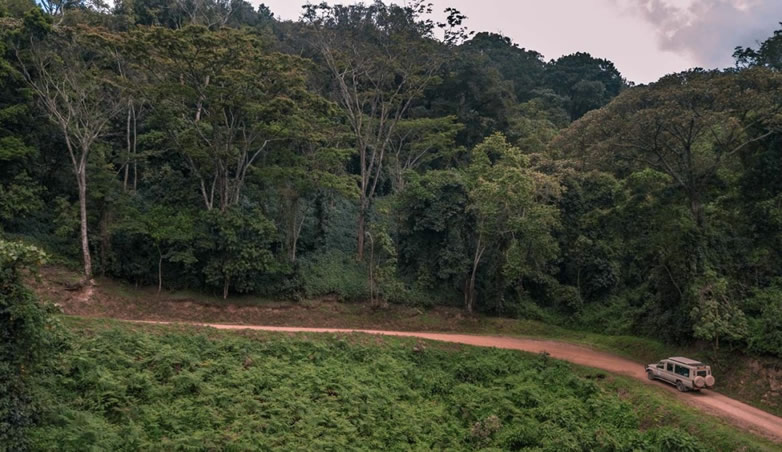 Bwindi Impenetrable National Park is one of the most important destinations for travelers visiting Uganda because of its mountain gorilla trekking experience. Road conditions are particularly important here because Bwindi is located in a mountainous region.
Depending on the trekking sector, travelers may encounter steep hills, sharp bends, narrow roads, murram surfaces, muddy sections, rocky sections and uneven terrain
Superfine Safaris’ own travel guidance notes that journeys to Bwindi can take approximately 8–10 hours from Kampala, depending on the sector and road conditions, and recommends a reliable 4×4 for the journey.
The four main trekking sectors which are Buhoma, Ruhija, Rushaga and Nkuringo do not all have identical road approaches. Consequently, your exact driving time depends on where you are staying.
Superfine Safaris plans accommodation according to the gorilla trekking sector rather than treating Bwindi as a single point on the map.
Road Conditions Around Mgahinga Gorilla National Park
Mgahinga Gorilla National Park is located in southwestern Uganda near Kisoro. The region is characterised by spectacular volcanic mountains and highland scenery.
The main approaches can be accessed using paved roads for significant portions of the journey, but roads closer to individual accommodation facilities and park areas can be narrower and more challenging.
Because of the mountainous terrain, drivers need to take extra care around bends and steep sections.
For gorilla trekking in Mgahinga, we recommend allowing sufficient time for the journey and avoiding unnecessarily tight travel schedules.
Road Conditions in Murchison Falls National Park
The journey to Murchison Falls National Park is relatively straightforward compared with some of Uganda’s more mountainous destinations.
A significant portion of the journey from Kampala follows major paved roads. As you approach the park and enter the protected area, however, you encounter gravel and dirt roads.
Inside the park, game drives take place on unpaved tracks.
During dry weather, these tracks can be dusty and sometimes corrugated. After rain, some sections may become muddy or slippery.
A 4×4 safari vehicle gives travelers better clearance and comfort when navigating these tracks.
Road Conditions in Queen Elizabeth National Park
Queen Elizabeth National Park is one of Uganda’s most popular wildlife destinations and is relatively accessible by road. The main highways connecting the park with western Uganda are paved, while roads within the park are largely dirt or gravel game-drive tracks.
Road conditions can vary between different sections of the park. For example, a route that is easy to navigate during a dry period can become more challenging after substantial rainfall.
Superfine Safaris’ driver-guides adjust game-drive routes according to current conditions rather than following exactly the same track on every safari.
Road Conditions Around Kibale Forest
Kibale Forest National Park is famous for chimpanzee trekking, forest walks and primate experiences. The journey towards Kibale includes significant stretches of paved road, particularly around the main western Uganda routes.
However, smaller roads approaching accommodation facilities and forest areas may be unpaved. The surrounding landscape is also hilly in places, meaning that travel times should not be based on distance alone.
For travellers combining Kibale chimpanzee trekking with Queen Elizabeth National Park, the relatively short connection between the two destinations makes this an excellent combination for a Uganda safari.
Road Conditions in Lake Mburo National Park
Lake Mburo is among the easier national parks to incorporate into a road safari from Kampala or Entebbe. The main highway towards southwestern Uganda is paved, while roads inside the park are mainly unpaved game-drive tracks.
Because of its location along the southwestern safari circuit, Lake Mburo is often useful as:
- A first safari destination after leaving Kampala
- A stopover before Bwindi
- A final wildlife experience before returning to Kampala
- A destination for short Uganda safaris
Its location makes it particularly convenient for travellers who do not want to spend an entire safari traveling long distances.
Road Conditions in Kidepo Valley National Park
Kidepo Valley National Park offers one of Uganda’s most remote safari experiences. Getting there by road involves considerably more driving than visiting parks closer to Kampala.
Some routes include long stretches of unpaved road, and conditions can vary considerably according to weather and recent road maintenance. For this reason, travellers visiting Kidepo should plan for longer driving days and should not build an itinerary around tight arrival times.
At Superfine Safaris, we take the remoteness of Kidepo into account when designing itineraries, including vehicle suitability, fuel planning, accommodation location and realistic driving times.
How Rain Affects Road Conditions in Uganda
Rain can significantly change road conditions, particularly on unpaved roads.
After heavy rainfall, you may encounter mud, potholes filled with water, slippery surfaces, deep ruts, eroded sections, waterlogged areas and slower driving speeds
Mountainous destinations such as Bwindi require particular care during wet conditions.
However, this does not mean that Uganda should only be visited during the dry season.
Uganda is a year-round safari destination, and rainy-season travel can offer beautiful green landscapes, fewer visitors in some periods and excellent wildlife experiences.
The key is choosing the right vehicle and allowing additional travel time.
Uganda Road Conditions During the Dry Season
During drier months, unpaved roads are generally firmer and easier to navigate.
However, travellers may encounter considerable dust, especially when following another safari vehicle.
Dry conditions can also expose corrugations and rocky sections on some roads.
For wildlife viewing, dry-season park roads can be easier to navigate, but the condition of individual tracks can still vary from one park to another.
Why You Need a 4×4 for a Uganda Safari
A good safari vehicle is one of the most important aspects of a comfortable Uganda safari. At Superfine Safaris Limited, we recommend reliable 4×4 safari vehicles because Uganda combines paved highways with rural roads, mountain roads and national park tracks.
A suitable safari vehicle provides:
- Better ground clearance
- Greater stability on rough roads
- Better performance on muddy sections
- Improved comfort on corrugated roads
- Greater capability on steep terrain
- Better access to remote safari destinations
A vehicle suitable for Kampala city driving is not necessarily the best choice for a safari to Bwindi, Kidepo or remote sections of Uganda’s national parks.
Is Self-Driving in Uganda Possible?
Yes, self-driving is possible in Uganda, particularly on major roads. However, travellers unfamiliar with Uganda may find long-distance self-driving more demanding than expected.
Road signs can be limited on smaller roads, traffic behaviour can differ from what international visitors are accustomed to, and road conditions can change considerably once you leave the main highway.
Inside national parks, understanding game-drive routes and wildlife-viewing etiquette is also important.
For travellers who prefer a more relaxed experience, a private Uganda safari with a professional Superfine Safaris driver-guide eliminates much of this responsibility.
You can concentrate on Uganda’s scenery and wildlife while your driver handles navigation, road conditions and route decisions.
Is It Safe to Drive in Uganda?
Road travel in Uganda can be safe when drivers use appropriate caution.
Drivers should be particularly alert for pedestrians, boda bodas, cyclists, livestock, children near villages, heavy trucks, wildlife, potholes, sharp bends and road construction
On rural roads, unexpected situations can occur, so defensive driving is essential.
For visitors unfamiliar with Uganda, traveling with a local driver-guide has a major advantage: the driver understands local road conditions and can adjust speed and routes accordingly.
Should You Travel at Night in Uganda?
For safari travellers, daytime driving is generally preferable.
Night driving can be more challenging because of limited lighting on rural roads , pedestrians, livestock, motorcycles, poor visibility, unexpected potholes, wildlife near protected areas and mountainous roads and sharp bends
At Superfine Safaris, we design safari schedules to avoid unnecessary late-night driving whenever possible.
This is particularly important when traveling to remote destinations such as Bwindi, Mgahinga and Kidepo.
How Road Conditions Affect Uganda Safari Driving Times
One of the biggest mistakes travellers make when planning a Uganda safari is looking only at kilometres.
Distance does not always equal driving time.
A 100-kilometre journey on a good tarmac highway can be much faster than a 100-kilometre journey on a mountainous murram road.
Your actual driving time can depend on road surface, weather , traffic, terrain, road construction, number of stops, park entry points, accommodation location, wildlife sightings, and road conditions on the day
For example, Superfine Safaris estimates the Kampala/Entebbe-to-Bwindi journey at around 8–10 hours, but the exact duration depends on the trekking sector, traffic, stops and road conditions.
This is why we recommend realistic safari itineraries rather than trying to fit too many destinations into a short trip.
Road Conditions in Uganda and Safari Comfort
Road travel is an important part of the Uganda safari experience. You may spend several hours traveling between destinations, but those journeys allow you to see another side of Uganda. You can expect to pass through
- Banana plantations
- Rural Villages
- Tea-growing areas
- Cattle-keeping communities
- Hills and valleys
- Lakes
- Forests
- Local markets
- Small trading centers
The road journey becomes part of the experience rather than simply transportation between two attractions.
Practical Road Travel Tips for a Uganda Safari
Choose a reliable safari vehicle
A well-maintained 4×4 is particularly important when visiting national parks and mountainous areas.
Allow extra time
Do not schedule your safari around exact arrival times when traveling long distances.
Travel during daylight
This is especially important on remote and mountainous roads.
Carry drinking water
Some safari routes pass through remote areas where services are limited.
Wear comfortable clothing
Long-distance road journeys are much easier when you are dressed comfortably.
Protect your camera equipment
Murram roads can be dusty and bumpy, so keep cameras and other sensitive equipment properly protected.
Listen to your driver-guide
Your local driver may know that a particular road has recently become muddy, congested or difficult to use and may choose an alternative route.
Road Conditions in Uganda: What Superfine Safaris Does Differently
At Superfine Safaris Limited, road conditions are considered when we design your safari from the beginning. We do not simply look at a map and calculate the shortest distance.
We consider:
- Your safari destination
- Your accommodation
- Gorilla trekking sector
- Chimpanzee trekking location
- Wildlife activities
- Driving distance
- Expected road conditions
- Weather
- Your preferred travel pace
- Vehicle requirements
For gorilla trekking, for example, choosing accommodation close to the correct trekking sector can make a significant difference to your experience.
For longer wildlife safaris, we may recommend breaking up a long journey with an overnight stay at a suitable destination rather than making the entire journey in one exhausting drive.
This approach allows you to spend more time enjoying Uganda and less time worrying about the logistics of getting from one destination to another.
Final Thoughts on Road Conditions in Uganda
Road conditions in Uganda vary from good paved highways to rougher rural and national park tracks. Travellers should therefore expect different road surfaces during the same safari.
The main highways connecting Uganda’s major towns and tourism regions are generally suitable for comfortable travel, while roads approaching some national parks and remote destinations may be unpaved.
Rain can make some roads more challenging, particularly around mountainous areas and remote park tracks. However, with a suitable 4×4 vehicle, an experienced driver-guide and a well-planned itinerary, road travel in Uganda is a manageable and rewarding part of the safari experience.
Whether you are planning gorilla trekking in Bwindi or Mgahinga, chimpanzee trekking in Kibale, wildlife viewing in Queen Elizabeth or Murchison Falls, or a remote adventure in Kidepo Valley, Superfine Safaris Limited can plan your route around the realities of Uganda’s roads.