Are you planning an East Africa safari and wondering the best time to visit Tanzania in 2027. Tanzania is a year-round destination, but the best time to visit Tanzania depends entirely on what you want to experience. If you are chasing the Great Wildebeest Migration river crossings, the answer is different from someone wanting the best value, or a Kilimanjaro climber, or a visitor combining a Serengeti safari with a Zanzibar beach extension. This guide breaks down Tanzania’s seasons month by month and tells you exactly what to expect at each destination and time of year.
Tanzania’s Two Main Seasons
Tanzania has two dry seasons and two wet seasons, each with distinct wildlife viewing conditions, crowd levels, and prices.
- Long dry season: June to October — the most popular and generally best time for wildlife safaris. Vegetation thins out, animals concentrate around water sources, roads are reliable, and the weather is pleasant. Peak season pricing applies; book 6 to 12 months ahead
- Short dry season: January and February — excellent wildlife viewing with fewer crowds than June–October. The southern Serengeti’s calving season produces extraordinary predator–prey action. Good value compared to peak
- Long rains: March to May — the lowest season. Heavy rainfall makes some roads impassable, certain camps close, and game viewing is harder in dense vegetation. However, prices are at their lowest, landscapes are at their most vivid green, and migratory birds are abundant. The experience is entirely different — not worse, just different
- Short rains: November and December — generally manageable showers rather than sustained rain. Wildlife is good, prices moderate, and the Serengeti transitions to the southern regions ahead of calving season
Best Time to Visit Tanzania Month by Month

January — Short Dry Season Begins
One of the best months to visit Tanzania. The southern southern Serengeti and Ndutu plains fill with wildebeest beginning to calve, a spectacular and under-rated period. Fewer tourists than June–September, lower prices, and excellent wildlife. Zanzibar is warm and dry. Good for Kilimanjaro climbing.
February — Peak Calving Season
The best month for the calving season in the Ndutu area of the Serengeti. Up to 8,000 wildebeest calves born per day attract lion, cheetah, and hyena in extraordinary numbers. Warm and generally dry. Excellent photography conditions in the Ngorongoro Crater. Good Kilimanjaro weather. One of Tanzania’s hidden gems for those who do the research.
March to May — Green Season (Long Rains)
The long rainy season. April is typically the wettest month. Some remote camps and lodges close, particularly in the Serengeti. Roads can become challenging. However, the Ngorongoro Crater remains accessible year-round and wildlife viewing there is excellent. Bird life explodes with migratory species. Prices drop significantly — often 20–40% lower than peak. Suitable for experienced travellers comfortable with unpredictability.
June to July — Dry Season Begins, Migration Moves North
June marks the start of Tanzania’s best safari season. The wildebeest herds start their annual northward movement through the central Serengeti heading for the Mara River. Vegetation thins as the dry season takes hold, making wildlife easier to spot. Cooler temperatures — particularly pleasant for game drives. This is the start of peak season; book well ahead.
July to October — Peak Season: River Crossings
The most sought-after period for Tanzania safaris. The wildebeest reach the northern Serengeti and begin the dramatic Mara River crossings — arguably the most spectacular wildlife event on earth. The river crossing period extends from approximately July through October, with peak crossing activity typically in August and September. The Ngorongoro Crater is at its best — dry and clear. Tarangire National Park offers extraordinary elephant concentrations as herds gather around the Tarangire River. Book 9 to 12 months ahead for this window. Zanzibar’s long dry season runs June to October — excellent beach conditions.
November — Short Rains Begin
The short rains bring brief, typically afternoon showers. The wildebeest begin returning south through the Serengeti. Wildlife viewing remains good — the Serengeti never truly empties. Prices moderate from their July–October peak. A reasonable shoulder season option.
December — Transition Month
Rain continues but eases toward month-end. Herds move toward the southern Serengeti ahead of calving. Christmas and New Year are peak holiday periods with high prices and demand — book many months ahead. Zanzibar sees some rain but is still viable for beach stays.
Best Time for the Great Wildebeest Migration in Tanzania
The migration is a year-round cycle, not a single event. The Tanzania highlights are:
- January–February: Calving season in the Ndutu/southern Serengeti. Best for predator action
- June–July: Herds in central Serengeti, crossing the Grumeti River
- July–October: Mara River crossings in the northern Serengeti — the iconic image of the migration
- November–December: Herds return south through the Serengeti
For a detailed breakdown of the migration’s movements, read our guide to the best time for the wildebeest migration in Kenya and Tanzania.
Best Time to Visit Zanzibar
Zanzibar follows a different weather pattern from mainland Tanzania. The best time for Zanzibar’s beaches is during the long dry season (June to October) and the short dry season (December to February). March to May brings the long rains — not ideal for beach holidays. The short rains (November) are manageable with mostly brief showers. Water temperatures are warm year-round (25–29°C). See our complete guide to things to do in Zanzibar for what to expect each season.
Best Time to Climb Kilimanjaro
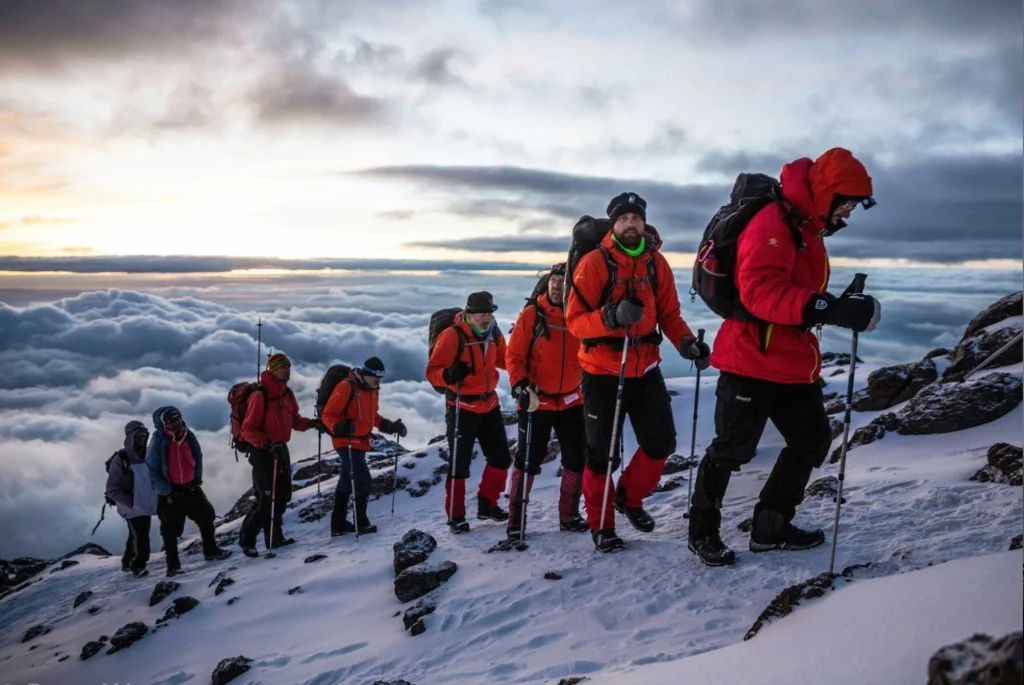
Kilimanjaro can be climbed year-round, but the best conditions are during Tanzania’s dry seasons. The two main climbing windows are January–March (short dry season, lower crowds) and June–October (main dry season, most popular). January and February offer clearer summit views and fewer climbers than the July–September peak. The wet seasons (April–May, November) are possible but wetter and harder on trails. Read our full Kilimanjaro hiking guide for route-by-route advice.
Best Value Time to Visit Tanzania
The green season (March to May) offers the lowest prices of the year — often 20 to 40 percent cheaper than peak season. For travellers with flexibility who are comfortable with some rain and prefer fewer tourists, this period is excellent value. The wildlife is still there; the difference is in the conditions, not the animals. November and early December also offer moderate prices with generally good conditions.
Plan Your Tanzania Safari
The right time to visit Tanzania depends on which experience you are prioritising. Our Tanzania safari itinerary guide helps you plan around your preferred dates, and our team at Superfine Safaris can advise on the best combination of parks, lodges, and timing for your specific travel window. Contact us to start planning.